

































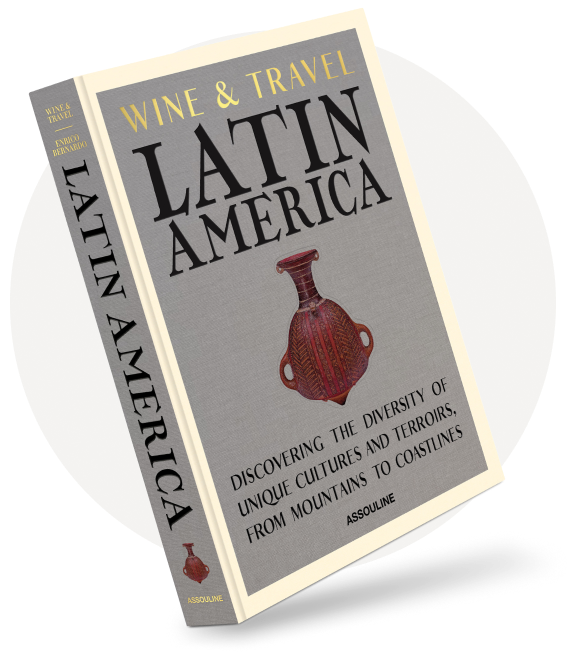
Tango, terroir and the wines of Argentina

Argentina, Latin America

Black Tomato x Assouline: Argentina

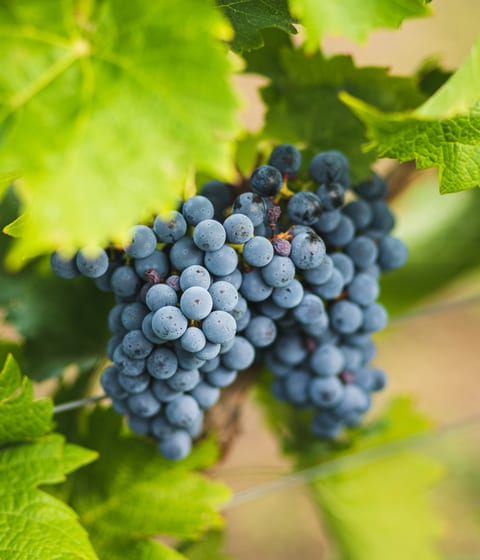
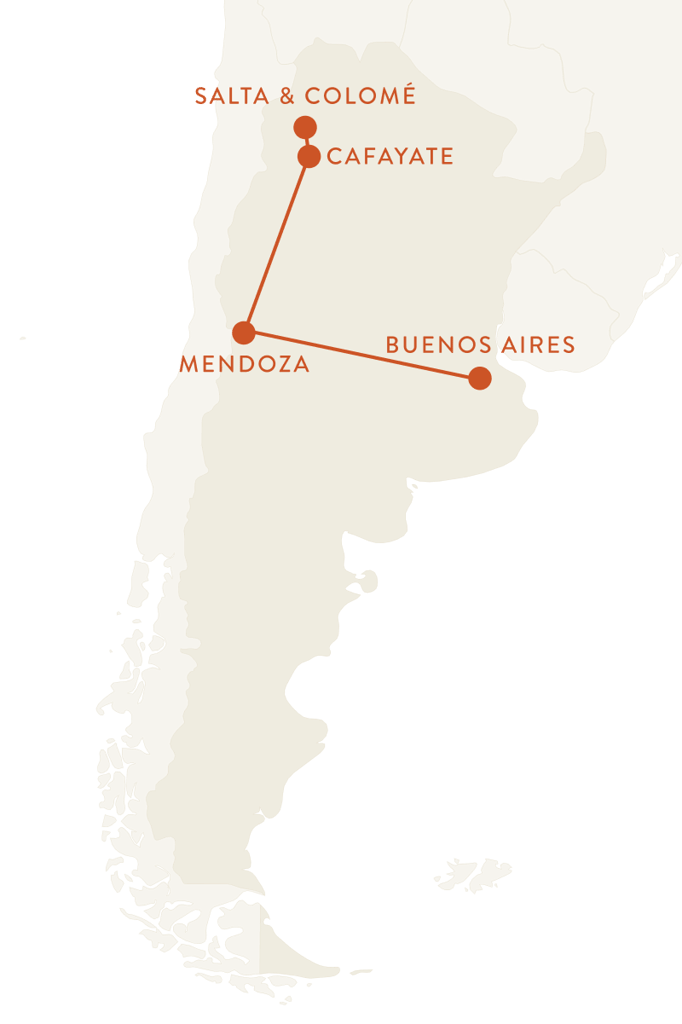
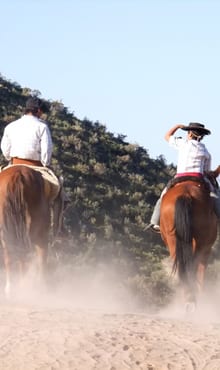
Wine has long legs in the story of Argentina – tracing its roots to a precious cargo of European vine cuttings brought carefully ashore in the late 1550s. Today, Argentine viticulture has taken root and flourished – becoming one of the world’s most iconic wine destinations, where a slower pace, a wilder place, and a sense of adventure influence every stitch of its culture – as well as every bin and bottle.

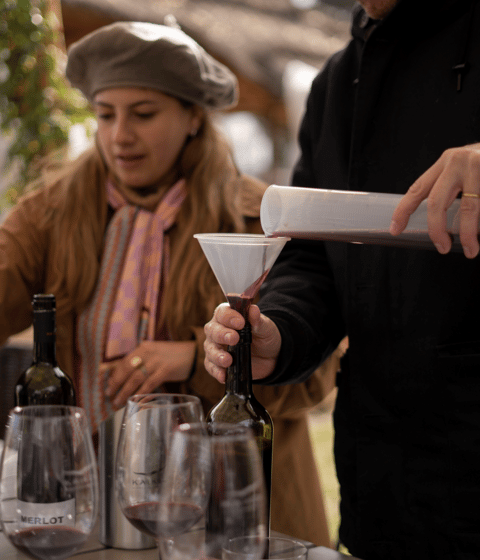
That’s the story – on the surface. With this new journey – a perfectly poised pairing between Black Tomato and ASSOULINE – you’ll embark on a slow, sensitive and oftentimes surprising plunge into the varietals, wineries, cultures and personalities who are shaping Argentine winemaking today: on the vine, on the plate, and in the texture of its high-altitude landscapes. As part of this partnership, we’ve secured remarkably rare and special access to wineries, chef’s tables, and boutique hotels that – together – set the stage for an unmissable, wine-forward celebration of the deep roots and modern moves of Argentine viticulture.

 

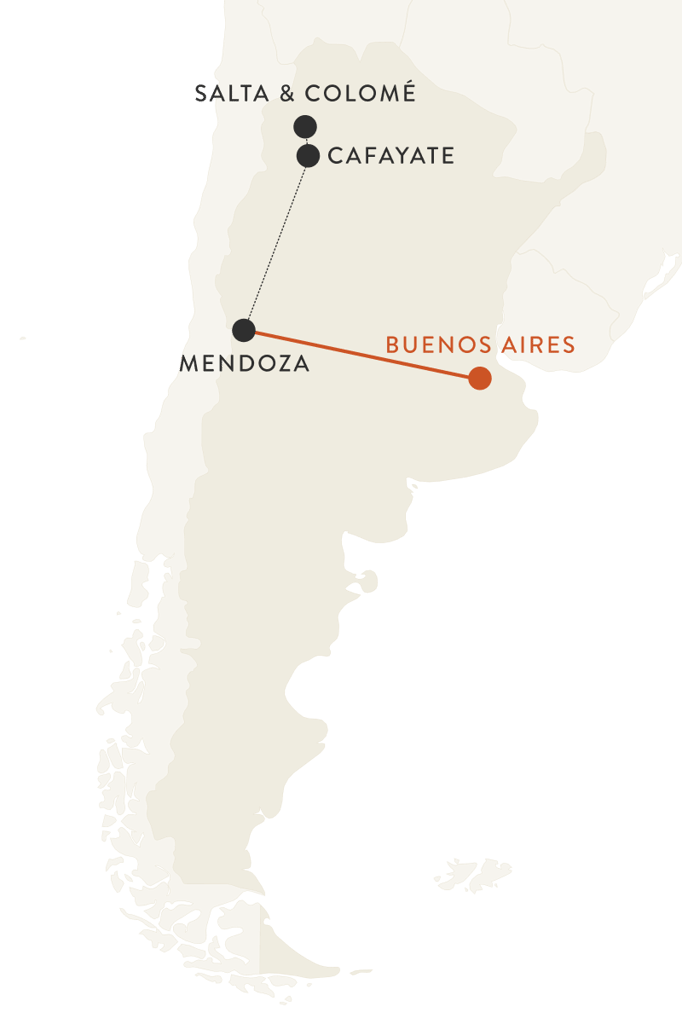
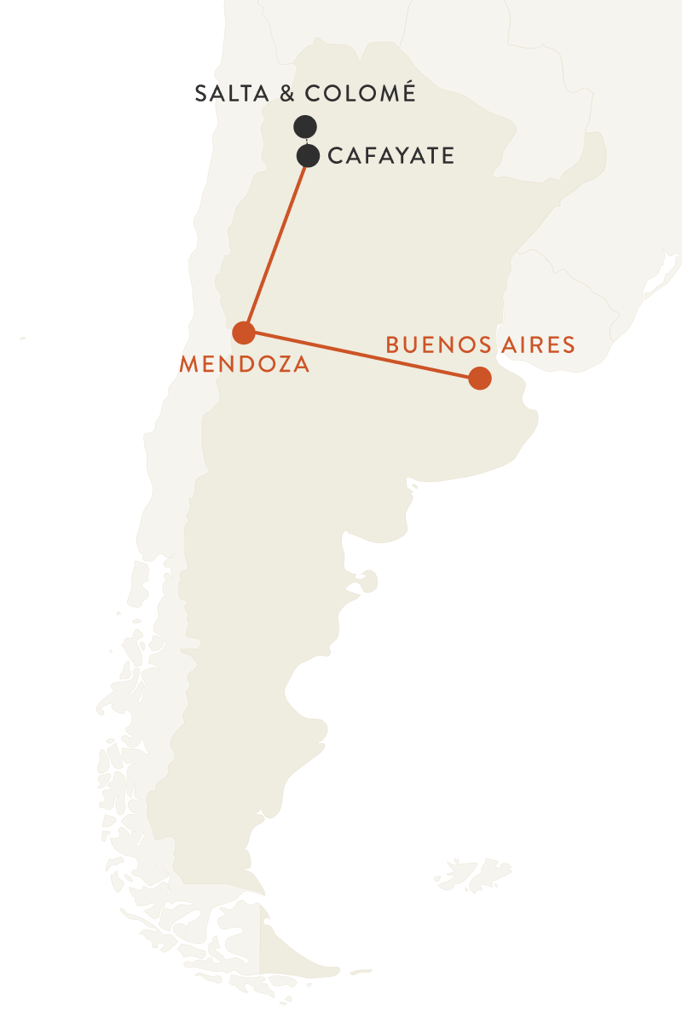
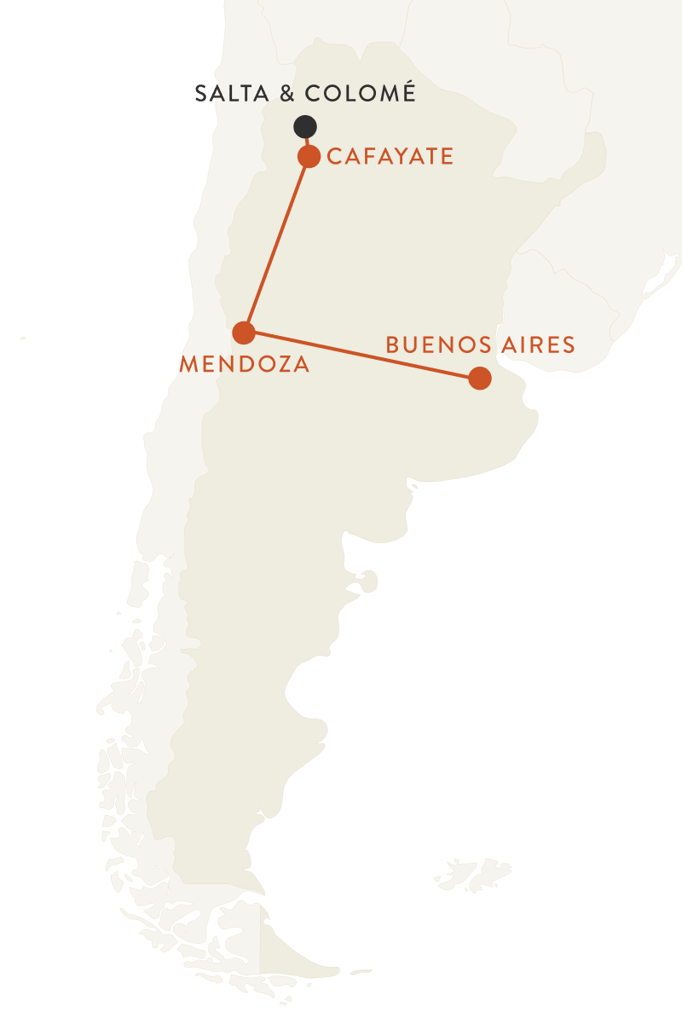
Buenos Aires

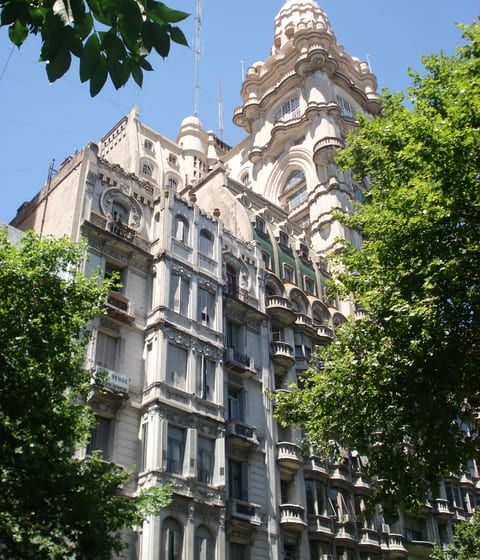
Buenos Aires – the city of “good airs” – remains one of Latin America’s greatest metropolises: a heaving entrepôt of French-style palaces and bohemian barrios, where football chants and political slogans echo over wide cobbled squares. For two nights, you’ll move through the city’s southern barrios and the aristocratic north, where 19th-century elites built their vision of a Paris of the New World.

Day 1
Cobblestones and Caminito

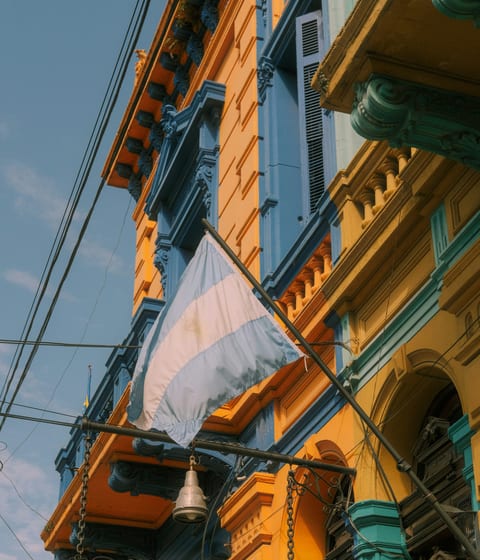
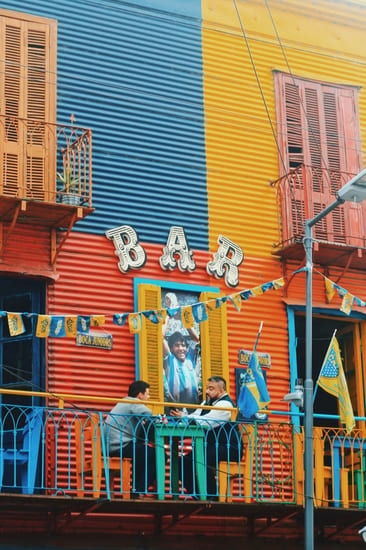
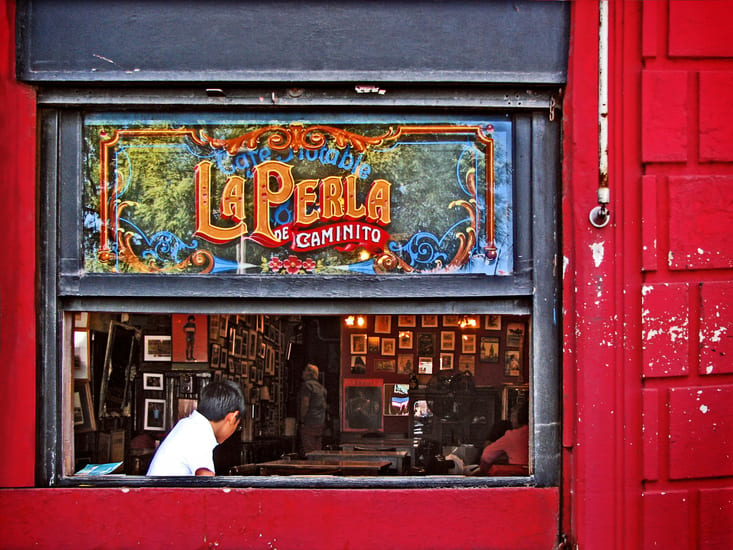
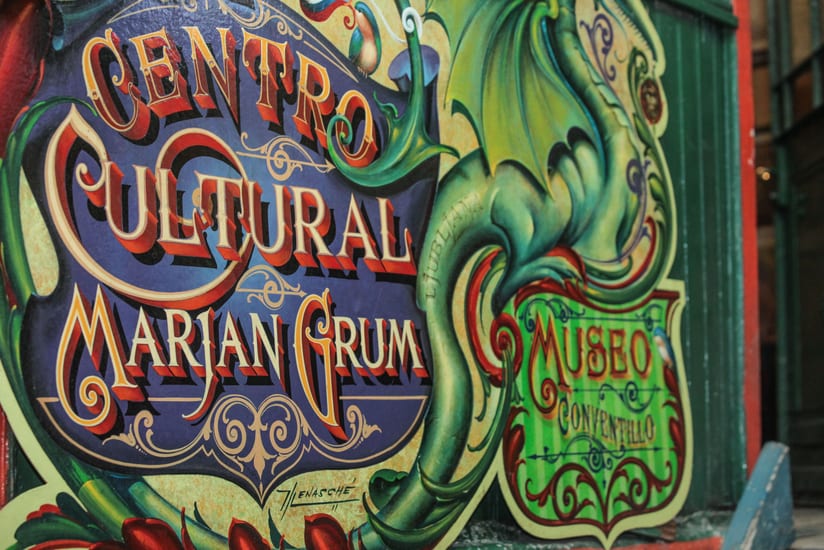
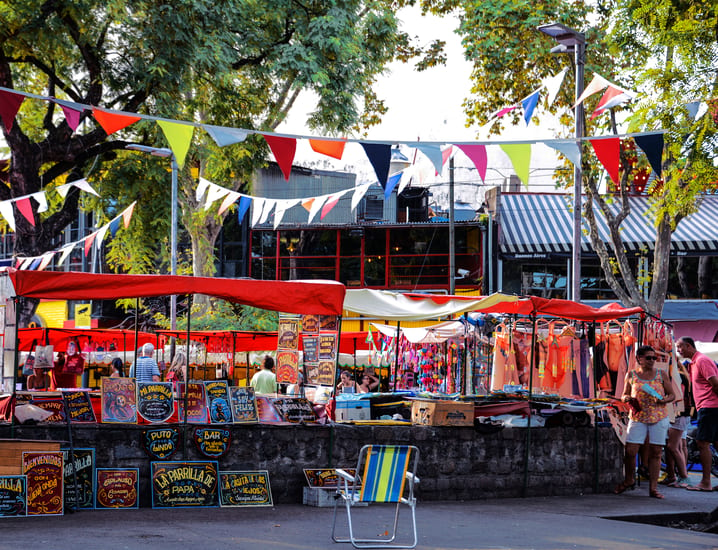
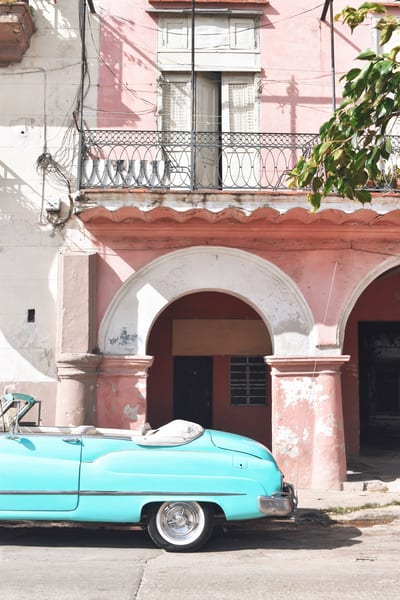
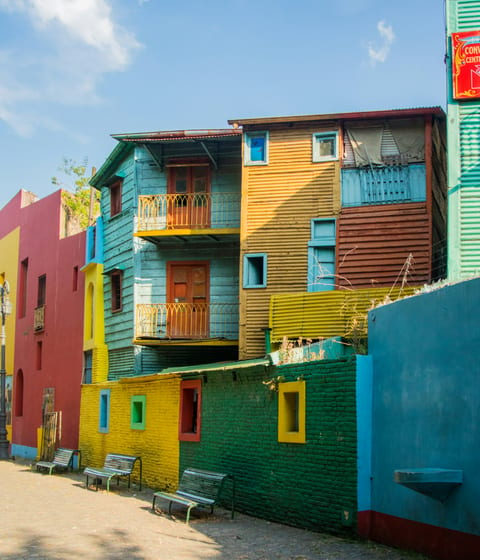
Today, you’ll ease your way into the city in a vintage car. First, San Telmo’s cobbled streets and antique market, then La Boca and its mythical Caminito: where color, football, and tango meet on every painted wall. Inside a classic La Boca conventillo, we’ve arranged a lesson in tango and Fileteado Porteño – a style of decorative painting that dates back to the city’s origins.

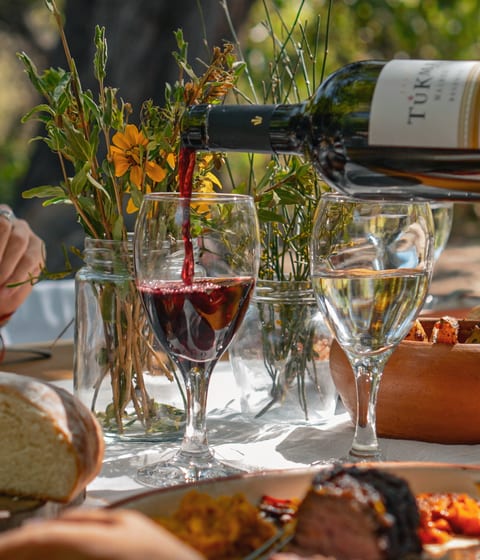
In the evening, you’ll sit down for a 14-course fireside chef’s counter asado at Fogón Asado, paired with wines from Argentina’s oldest estates. The Four Seasons in La Recoleta – housed partly within an early 20th-century French-style mansion – will be your home for the next two nights.

Day 2
Many Forking Paths

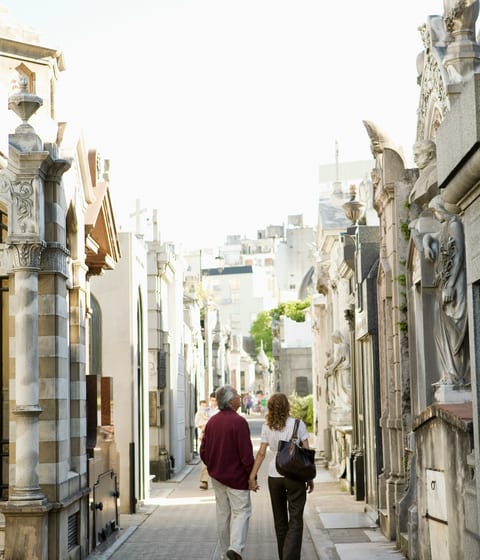
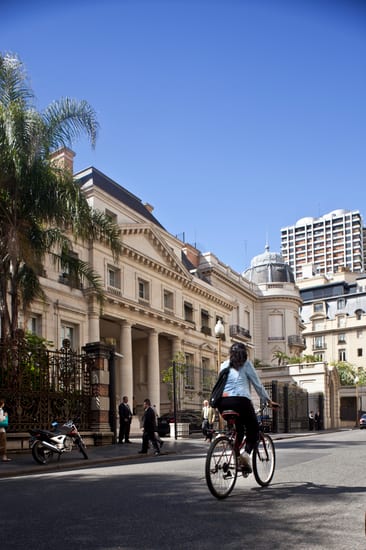
The dream that Buenos Aires’ 19th-century elite pursued is most visible in La Recoleta. You’ll stroll Avenida Alvear – once blind poet Borges’ favored walking route – past French-style palaces now serving as embassies, and into the celebrated Recoleta Cemetery: a labyrinth of ornate mausoleums at whose heart is Eva Perón’s grave.

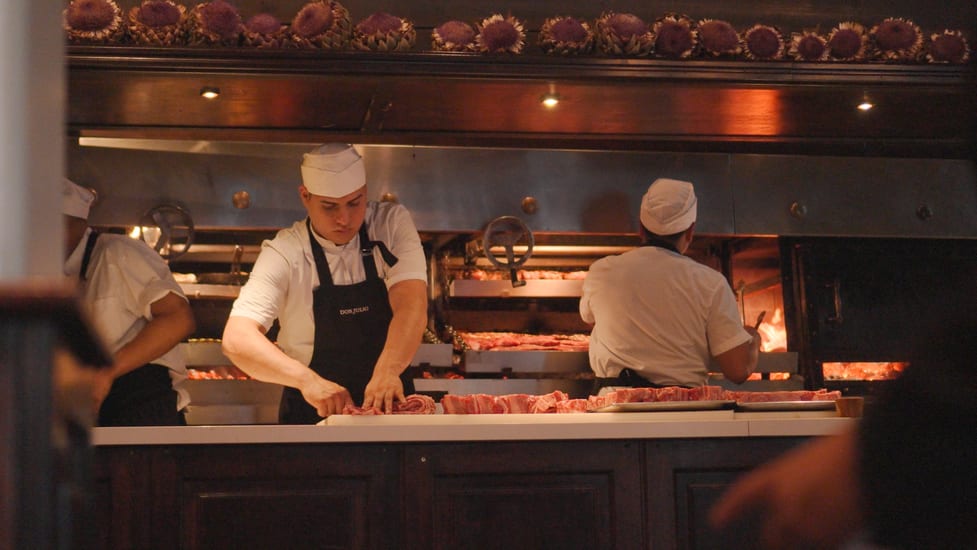
In the afternoon, you’ll head north to Palermo – embarking on a thoughtfully-curated food walk that’ll take you through three of the barrio’s most characterful stops, including a visit to the revered parillas of Don Julio. Your evening belongs to Rojo Tango at the Faena Hotel: settling in at their Philippe Starck-designed cabaret. This is Buenos Aires at its most passionate and theatrical – a fine and decadent setting for a fine and decadent meal.

Mendoza

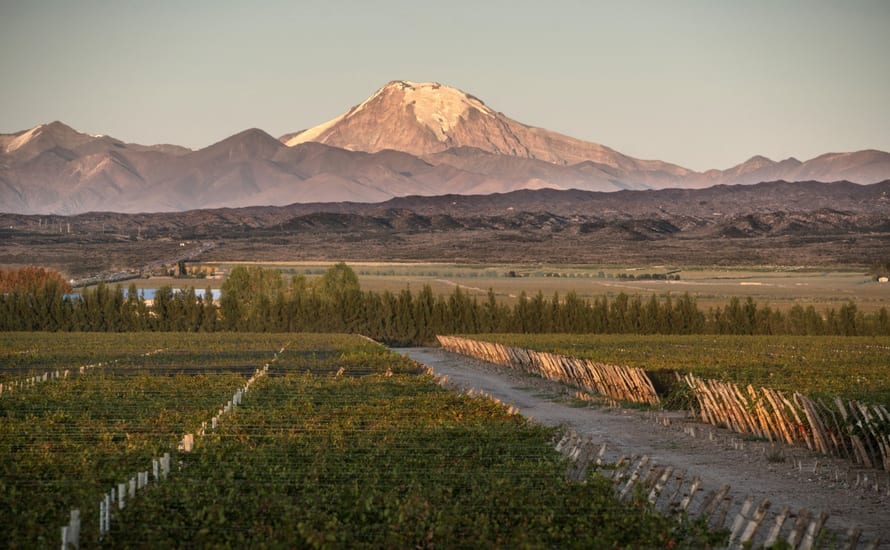
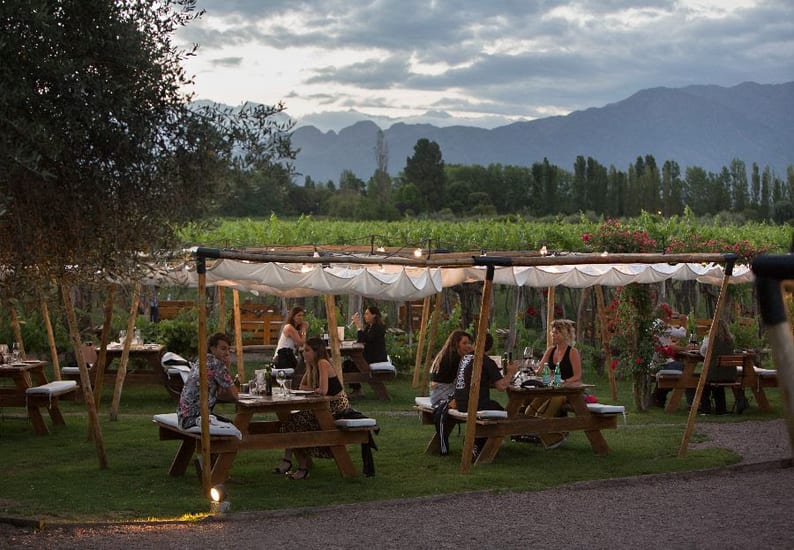
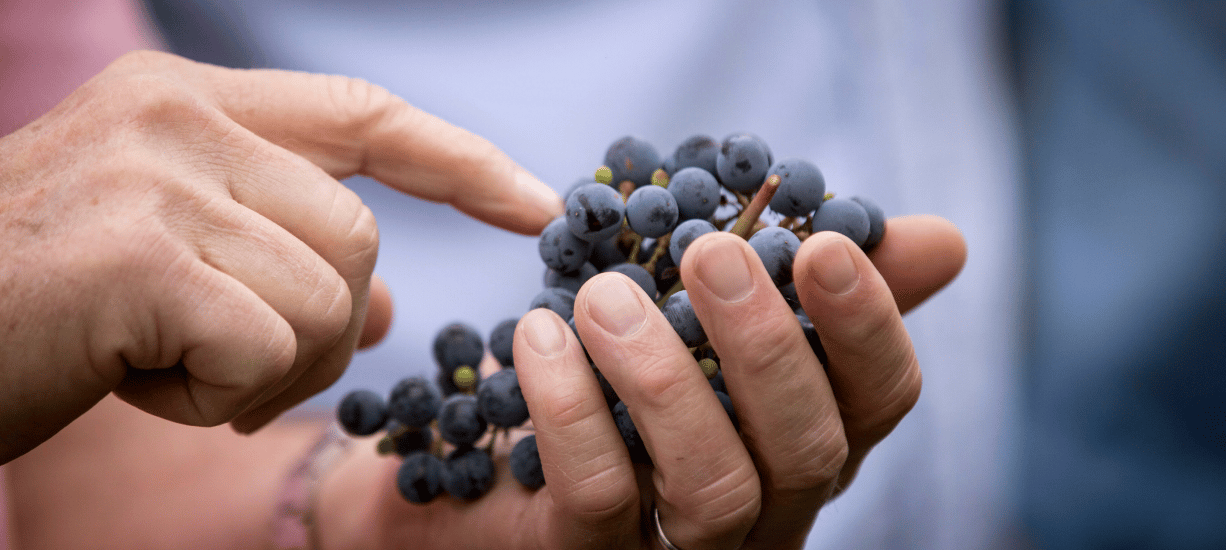
Mendoza is one of nine recognized wine capitals in the world. But this designation can only say so much about this verdant and towering place. Sitting at roughly 2,500 feet above sea level in the rain shadow of the Andes, its vineyards climb high into the foothills. The Luján de Cuyo district to the south is considered the birthplace of Argentina’s modern wine industry, known internationally for producing some of the world’s finest Malbec.
Day 3
Malbec and musing in the Andean foothills

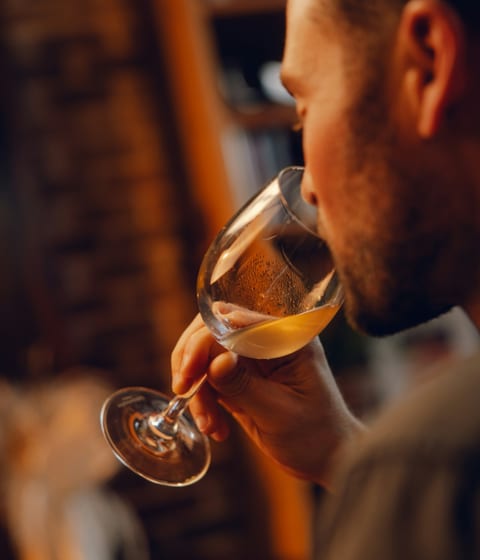
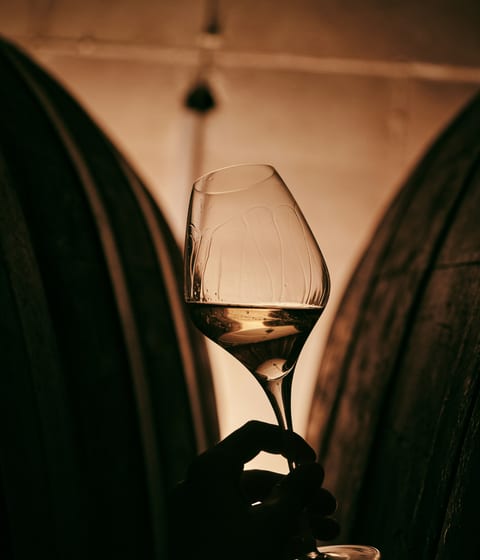
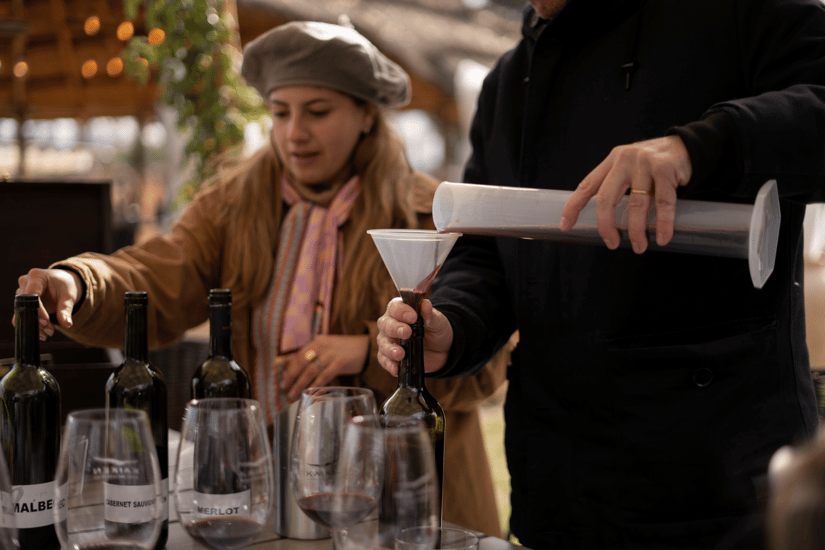
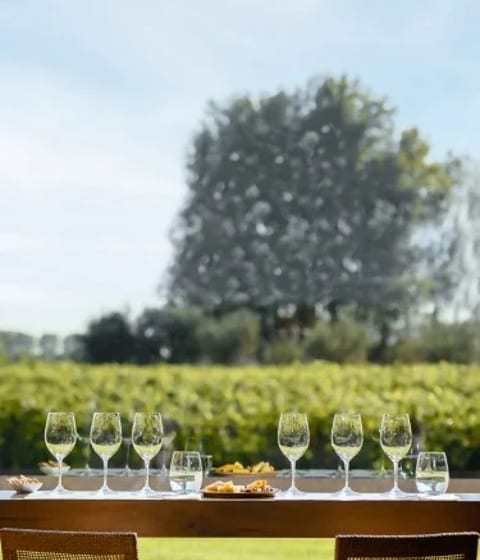
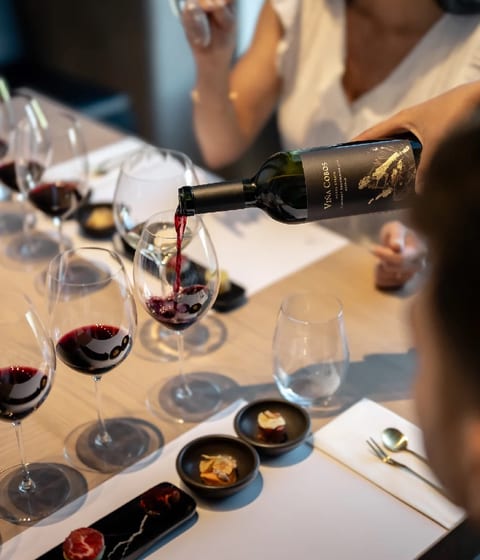
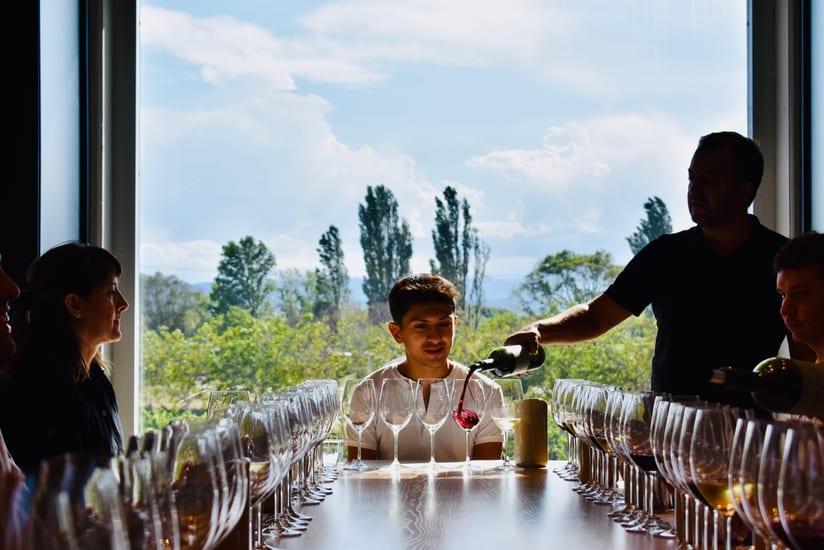
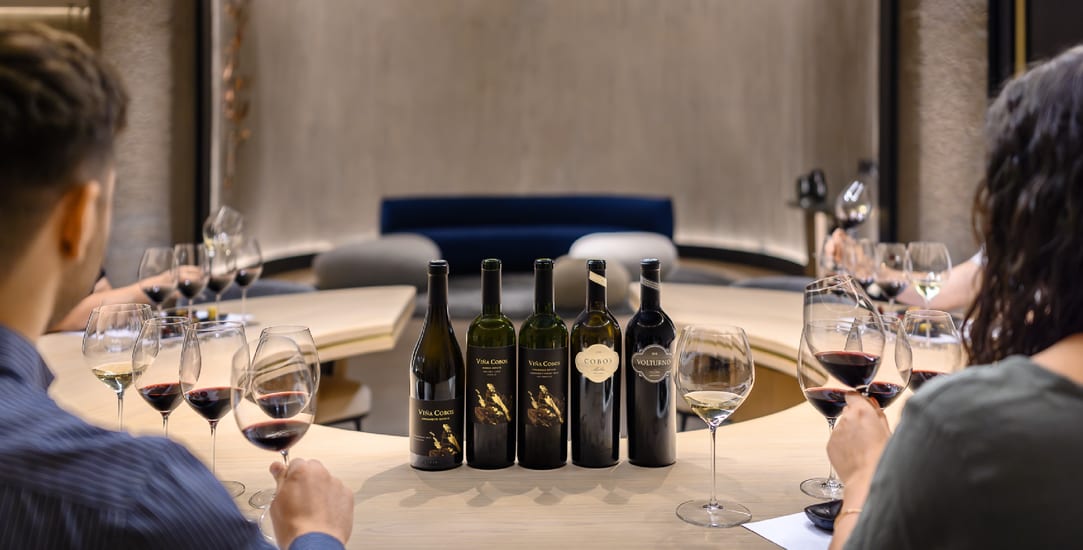
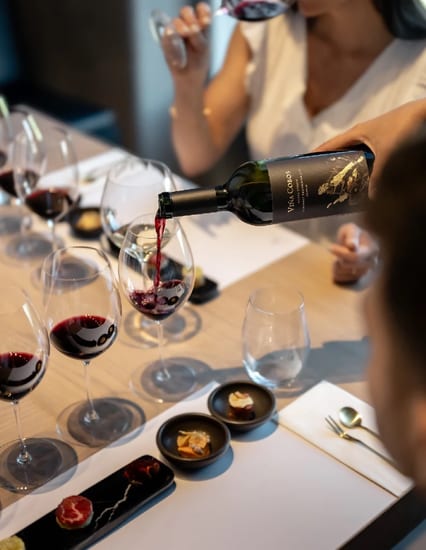
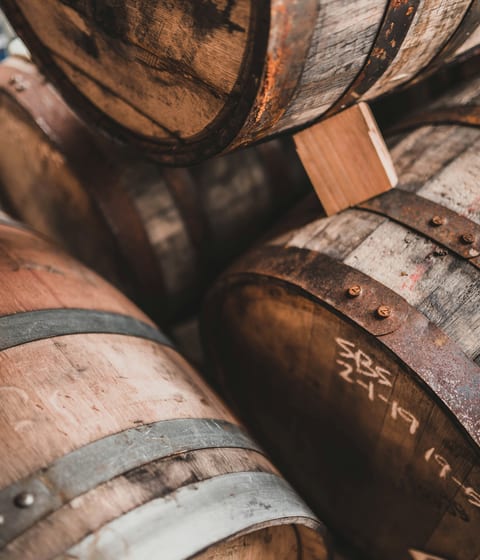
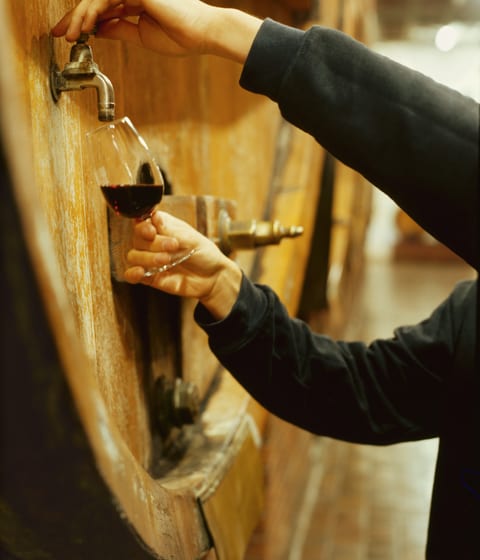
You’ll start your day with a private, guided visit to Viña Cobos in Luján de Cuyo: tasting five of their most characterful wines. Lunch will be at Angelica Cocina Maestra – set within Catena Zapata’s Mayan pyramid-shaped winery – where you’ll learn about the “wine first” philosophy of its chef duo.

Your home for the next three nights will be the Susana Balbo Winemaker’s House in Chacras de Coria, which belongs to Argentina’s first female winemaker. You’ll dine at La Vida, the estate’s intimate restaurant, closing out a soft and thoughtful day at this legendary stop along Argentina’s wine route – framed by the nightly silhouette of the Andes.

Day 4
In the shadow of the cherry orchard

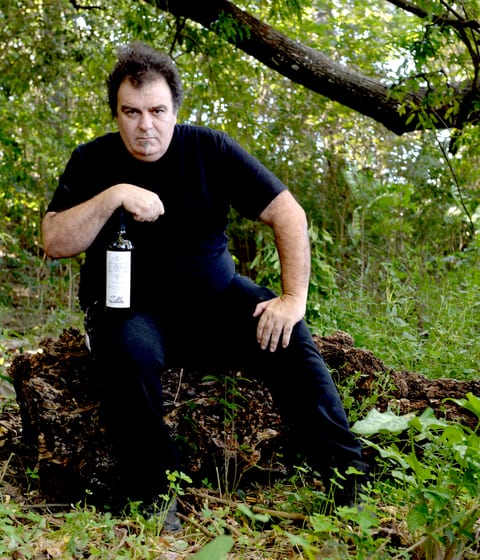
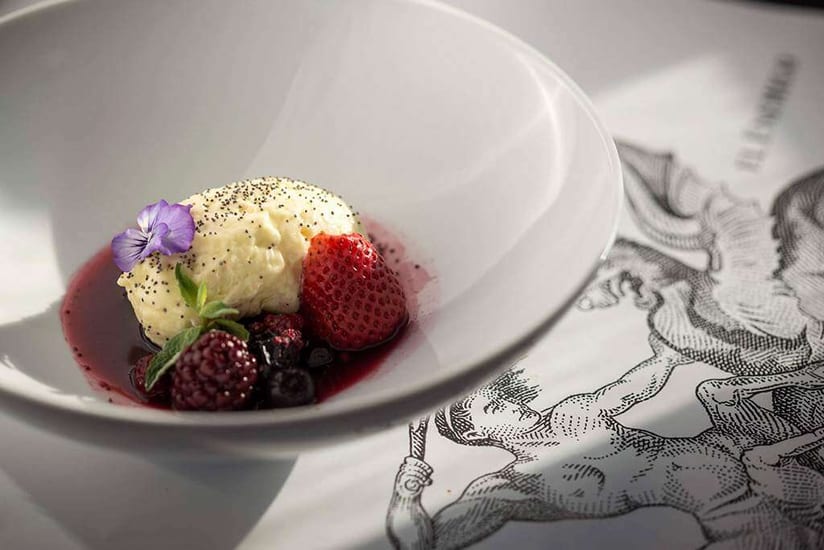
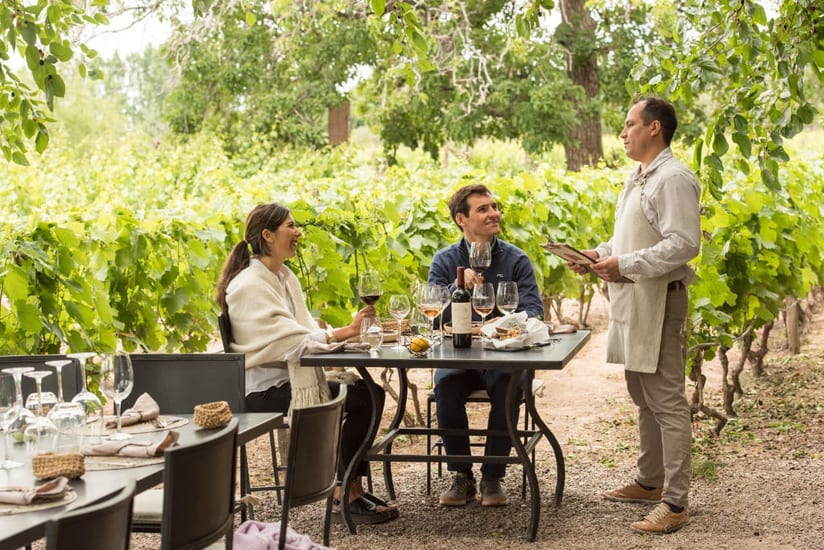
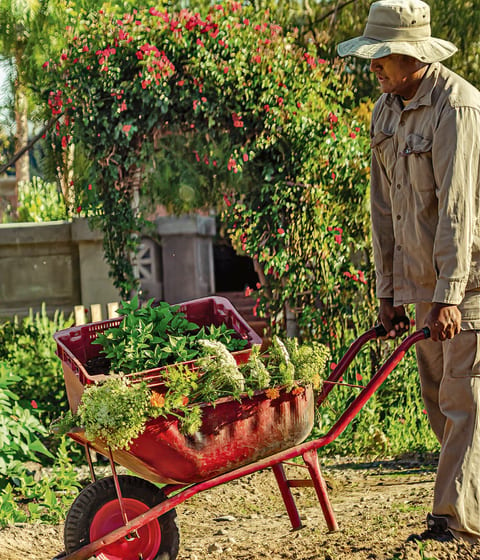
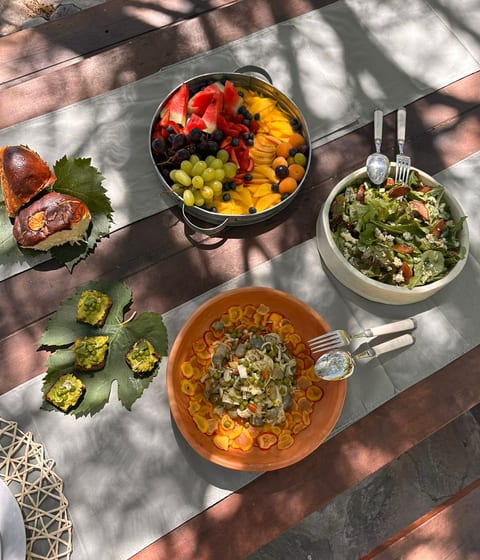
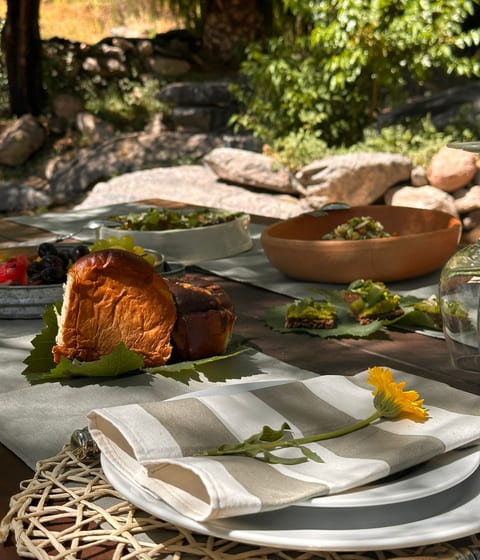
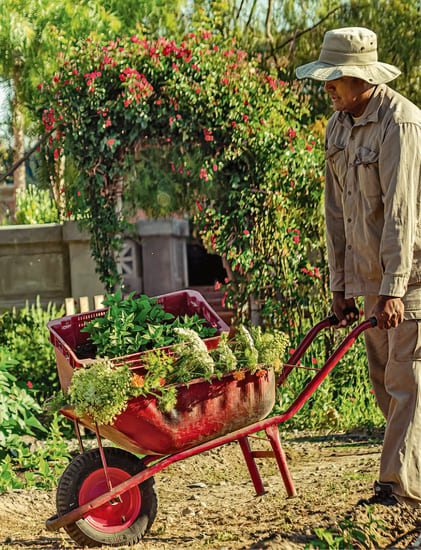
Casa El Enemigo is the personal winery project of Alejandro Vigil, chief winemaker of Catena Zapata; curated around memories of his winemaker grandfather. You’ll lunch at Fogón at Lagarde Winery with open-fire cooking in century-old gardens, eating locally sourced produce and tasting wines from Bodega Lagarde. Your day ends at Brindillas, set within a family-owned cherry orchard in Luján de Cuyo – Michelin-starred since 2023 – which serves inspired tasting menus to small groups of guests.

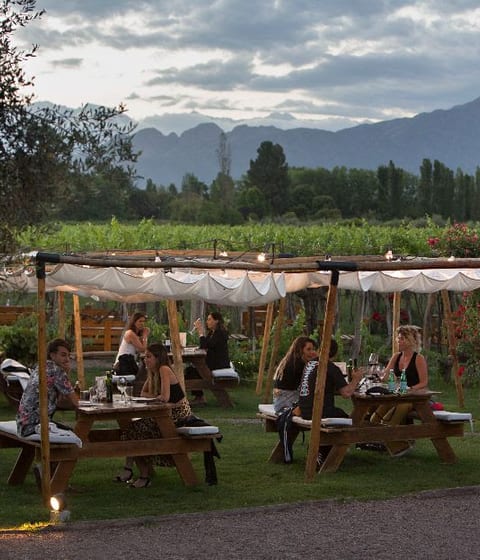
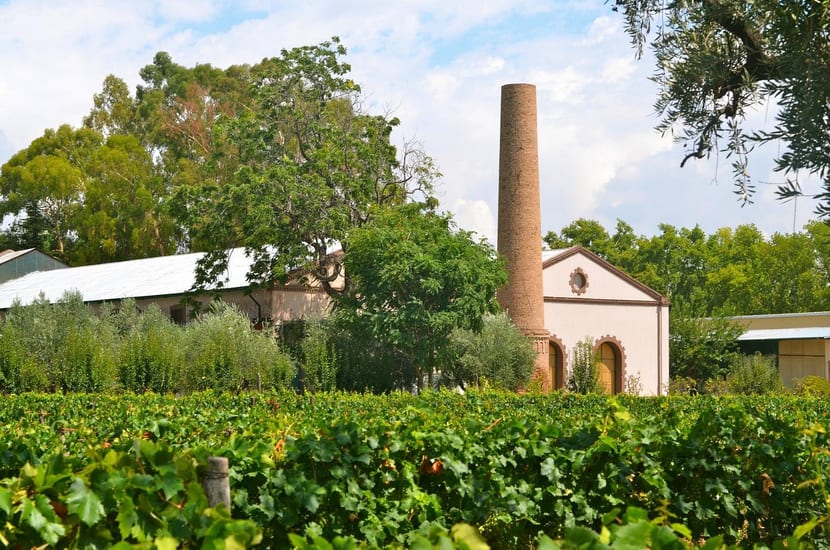
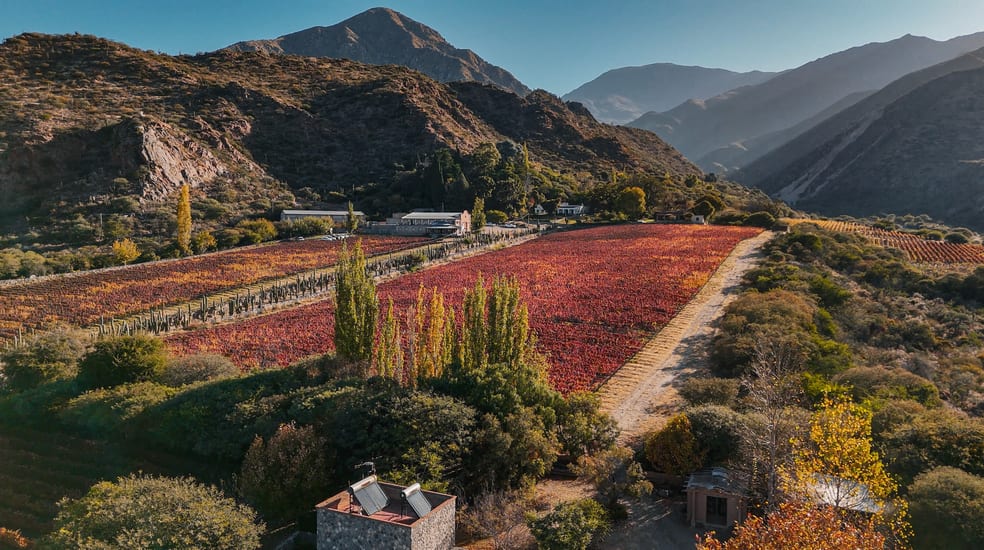
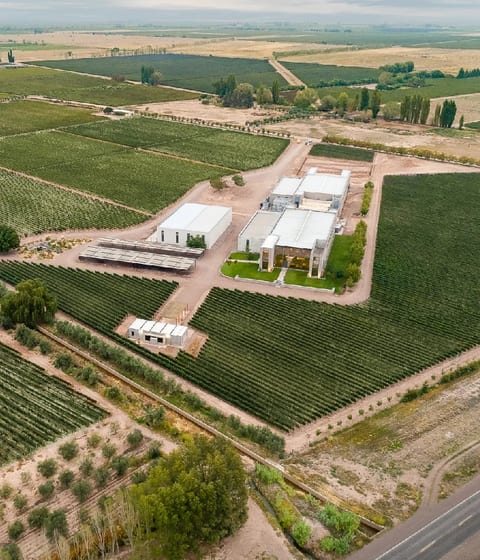
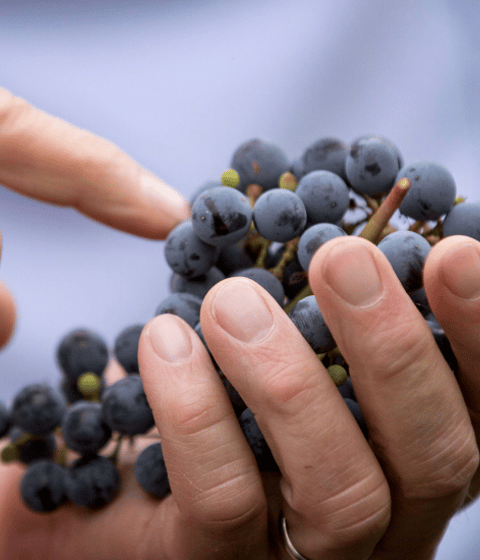
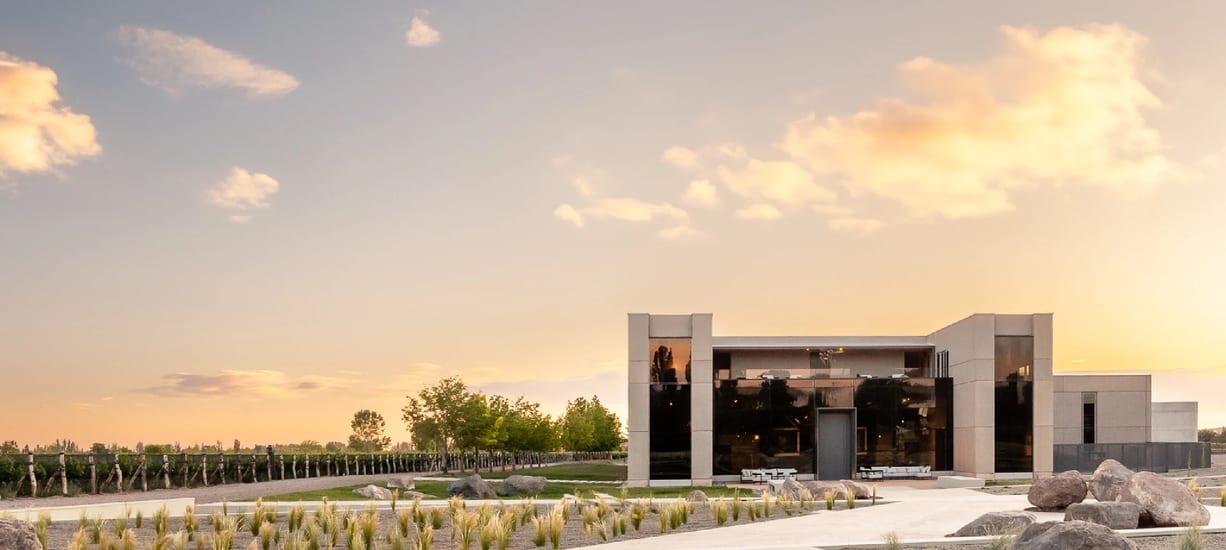
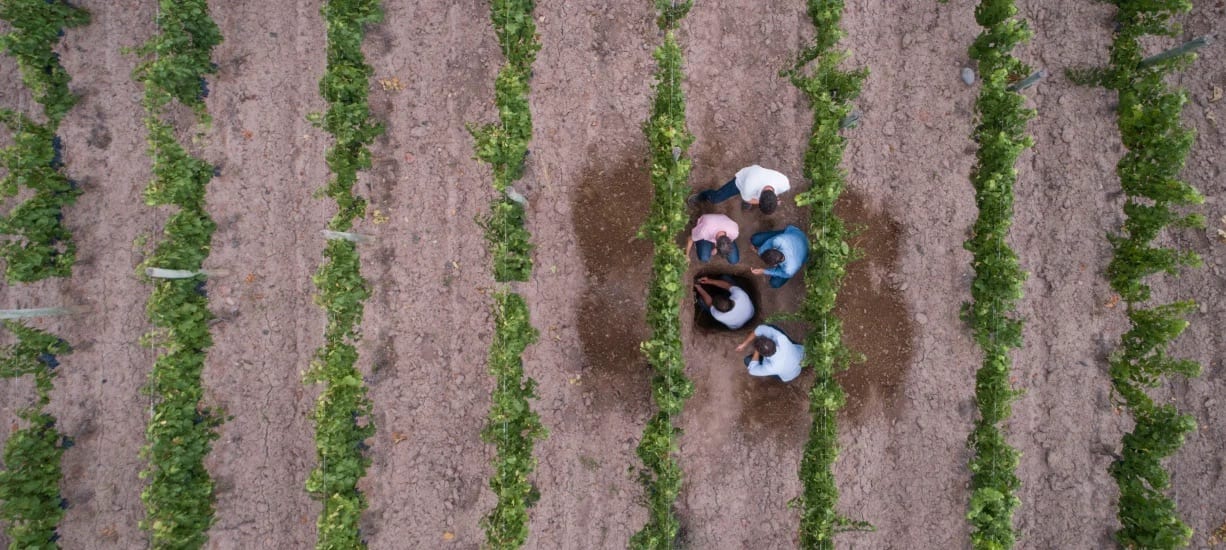
Vineyards in Mendoza
Day 5
Bicycles and bins

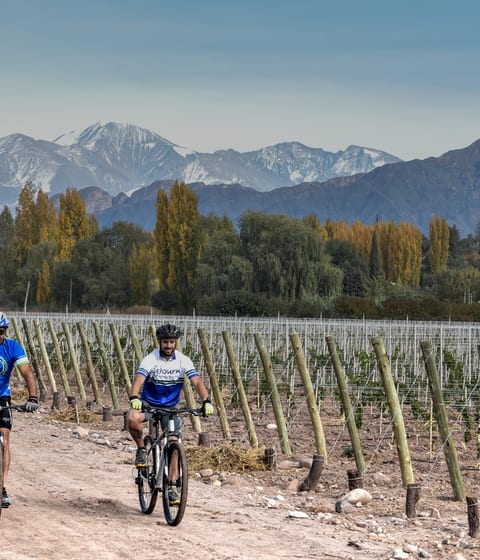
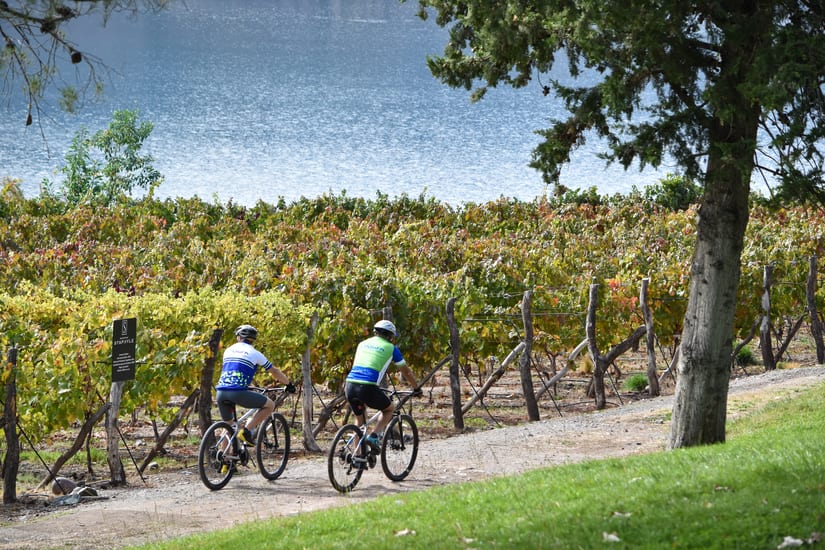
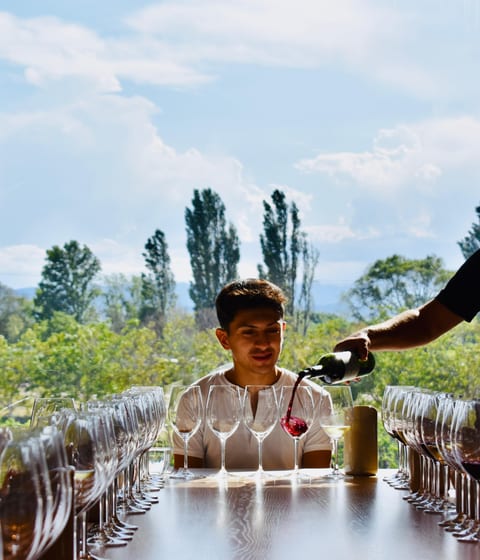
Today is less about tasting rooms and cellars than open trails and changing landscapes. You’ll cycle through Luján de Cuyo’s vineyards, poplars, olive groves and grape farms. Your first stop is at Bodega Riccitelli, where award-winning winemaker Matías Riccitelli offers a tasting focused on the pure expression of the region’s grapes.

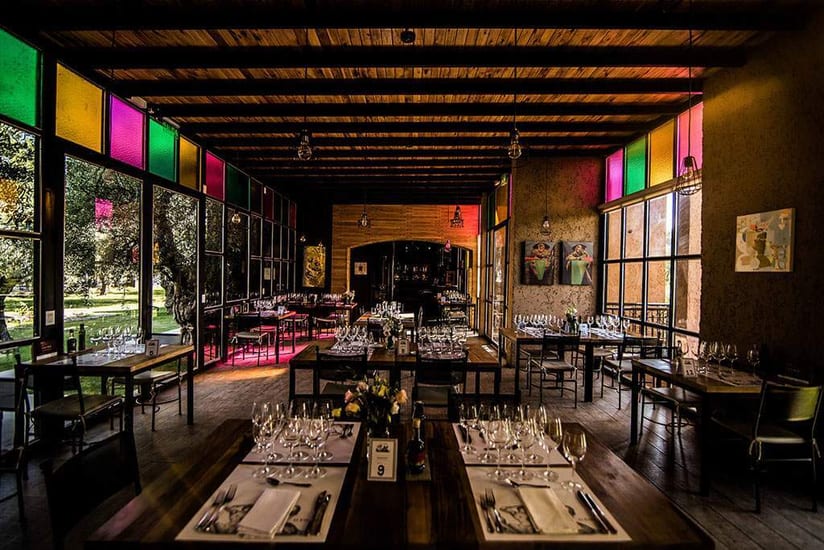
Next is Kaiken: an 80-year-old winery bearing the distinctive influence of Chilean producers Montes, where you’ll enjoy a private visit and tasting. Lunch will be at Kaiken’s Ramos Generales restaurant, overseen by the legendary Francis Mallmann. This is where everything comes together: an old warehouse aesthetic, excellent wine, and cooking that has made Mallmann’s name practically synonymous with the finest Argentine food.

Cafayate

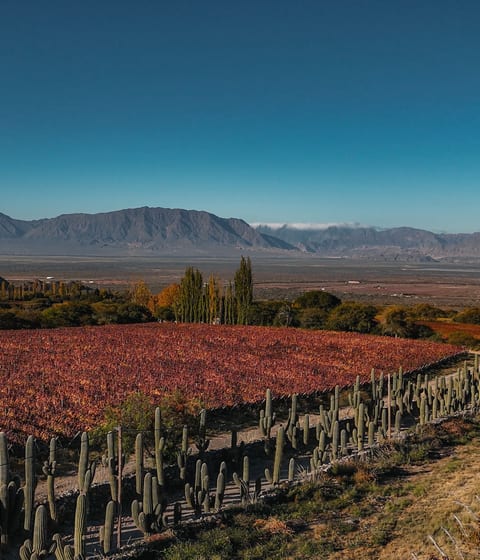
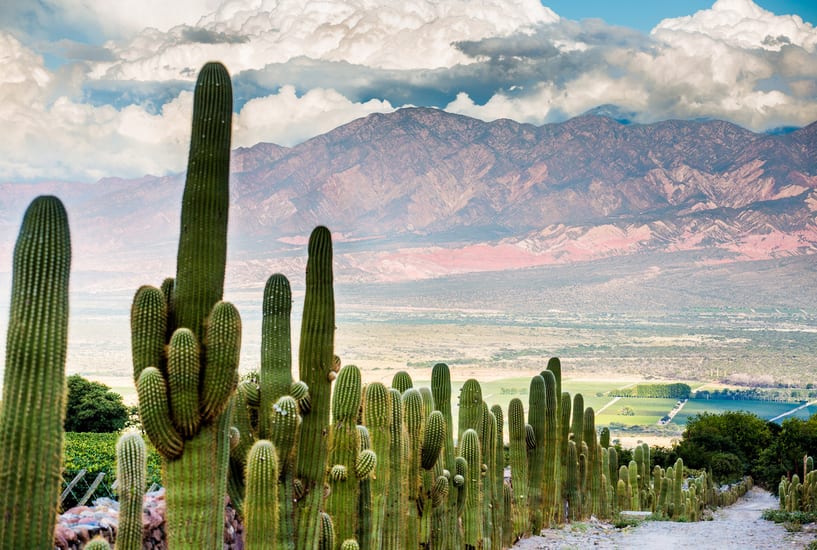
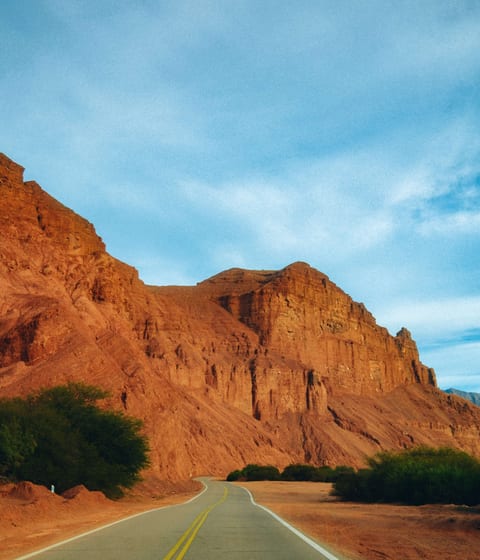
The drive from Salta to Cafayate passes through the Quebrada de las Conchas – a vast canyon formed some 50 million years ago, its walls sculpted by centuries of erosion. Cafayate itself sits 5,400 feet above sea level; a small wine town where extreme altitude, relentless sun, and sharp temperature swings between day and night produce wines of notable distinction: including aromatic Torrontés and a Malbec of remarkable intensity. Over two nights, you’ll explore the high-altitude wineries, ancient terraces, and remote fincas of one of Argentina’s most compelling wine regions.
Day 6
The writing on the walls

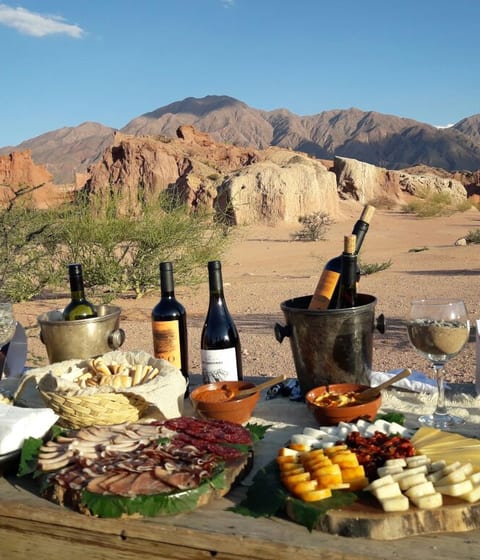
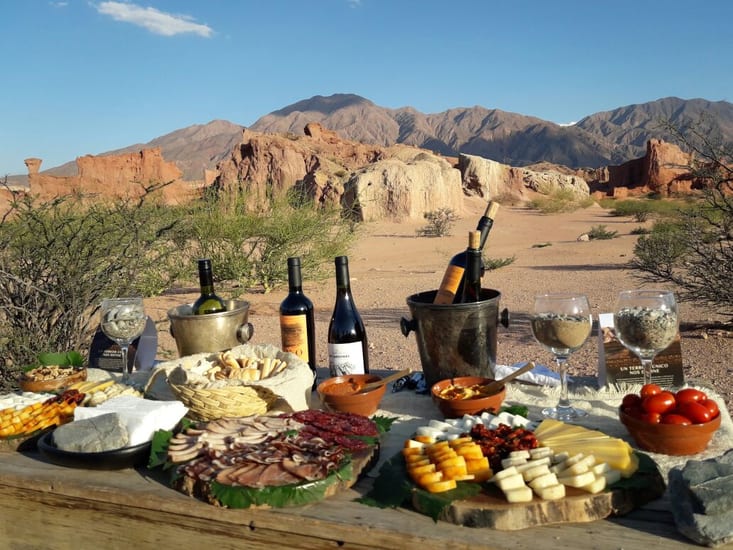
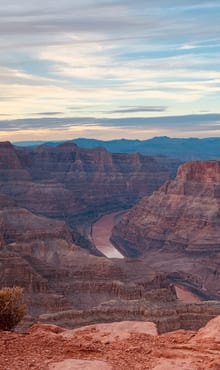
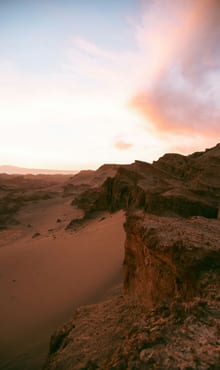
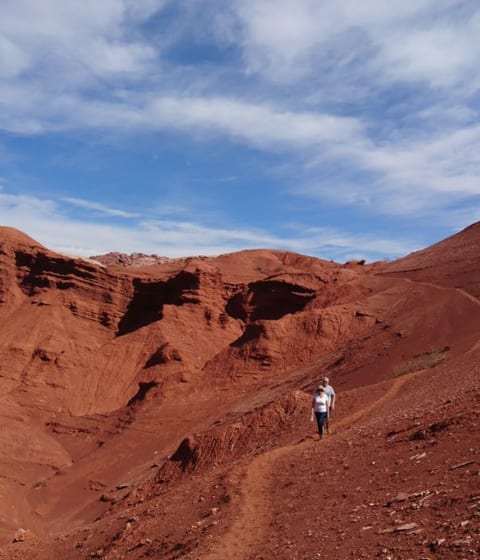
The Quebrada de las Conchas is reason enough to take this route. Formed 50 million years ago, its walls blur from terracotta to deep purple as the afternoon light sprays across them. You’ll pause at viewpoints for short walks and an outdoor tasting of local varietals within the canyon itself. Cafayate is your (eventual) objective: a walkable wine town famed – as well – for its silver and tapestry markets. The Patios de Cafayate – a five-star hotel whose colonial architecture and vineyard views slot so neatly into the land – will be your home for the next two nights. By night, you’ll sit down for a private dinner with a local chef – and a chance to enjoy the stars.

Day 7
Inca terraces and wild vantages

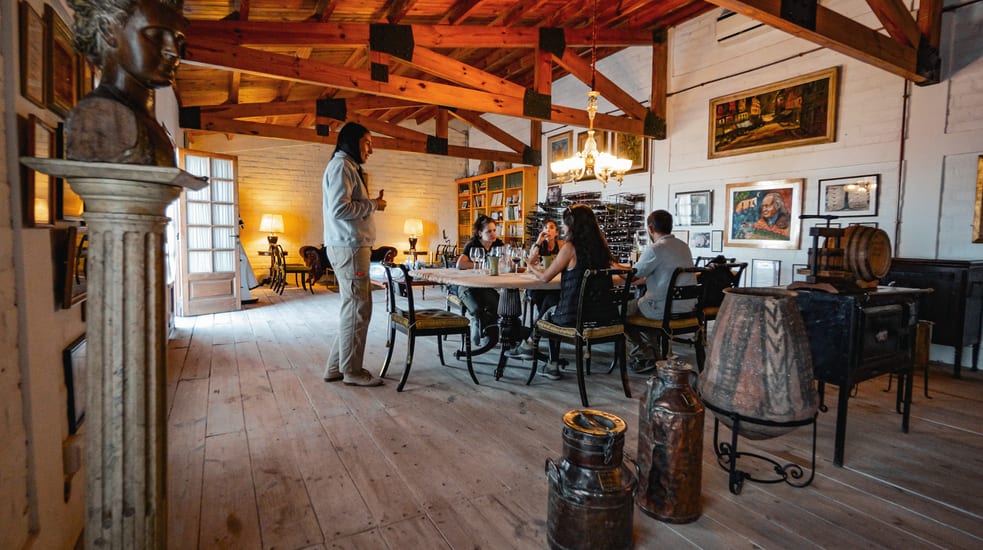
The Museo de la Vid y el Vino offers a reflective primer on the Calchaquí Valley’s terroir and how its extreme altitude influences the grapes that grow there. Next, you’ll head on to San Pedro de Yacochuya. At 6,500 feet above sea level, this famed winery is known for its premium Malbec and Cabernet Sauvignon. Happily, you’ll be hosted by owner Marcos Etchart.

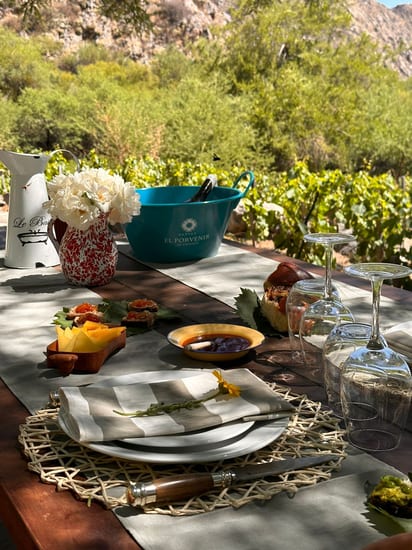
In the afternoon, you’ll move to Finca Los Cuises, perched at 6,070 feet on the dramatic slopes of the Sierra de Quilmes and planted on ancient Inca terraces. It’s here that chef-sommelier Emilia will host an outdoor lunch among the vines. As the sun drops, we’ve arranged an intimate final tasting with the owners of Viñas en Flor – one of Cafayate’s most characterful boutique wineries.

Salta & Colomé

At over 7,200 feet above sea level – reached through the dramatic valley of Quebrada de las Flechas – Estancia Colomé is a tiny, terrific boutique hotel that embodies the best of Argentine culture; with its exceptional high-altitude wines, bright starry skies, and an installation by the legendary artist of light, James Turrell. This place – in the slowly peaceful northwestern region of Salta – is where everything you’ve seen and learned so far comes softly together.
Day 8
The arid and the abundant

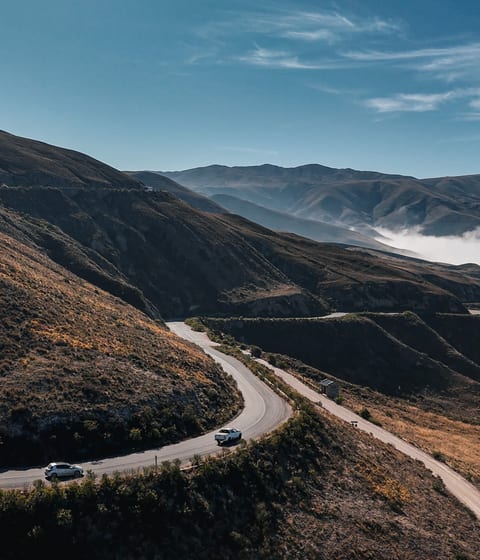
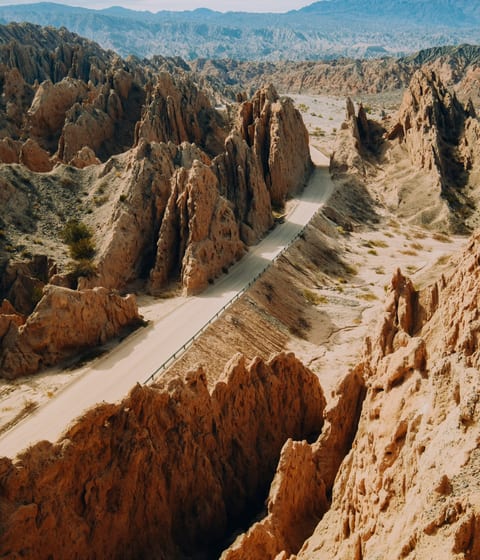
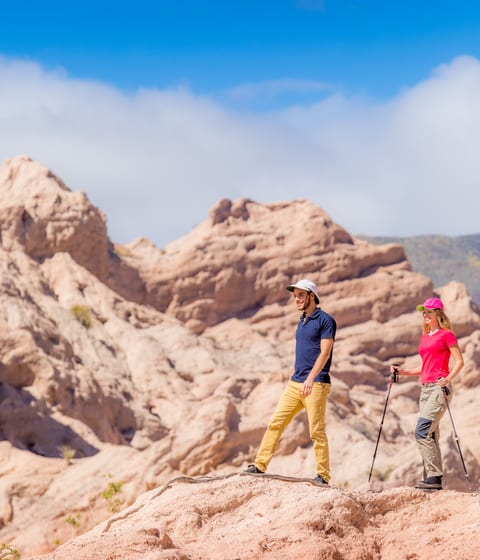
Arrow Ravine – Quebrada de las Flechas – is a startling landscape of pale eroded rock, carved by wind and water over millennia. The road you’ll take passes breathtakingly through it, pausing to stop at Molinos – home of the last Spanish governor of Salta – where we’ve arranged for you to enjoy a traditional lunch hosted by a local community cook; offering you an honest introduction to Calchaquí Valley cooking (and the wines that pair with it, of course). Your drive then continues to Colomé, where you’ll be resting for your final nights.

Day 9
The slow road north

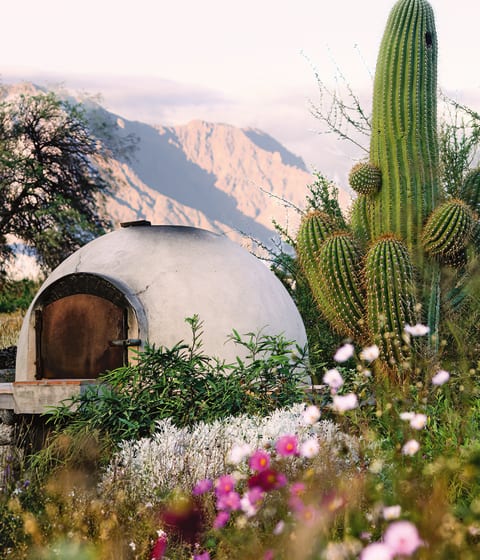
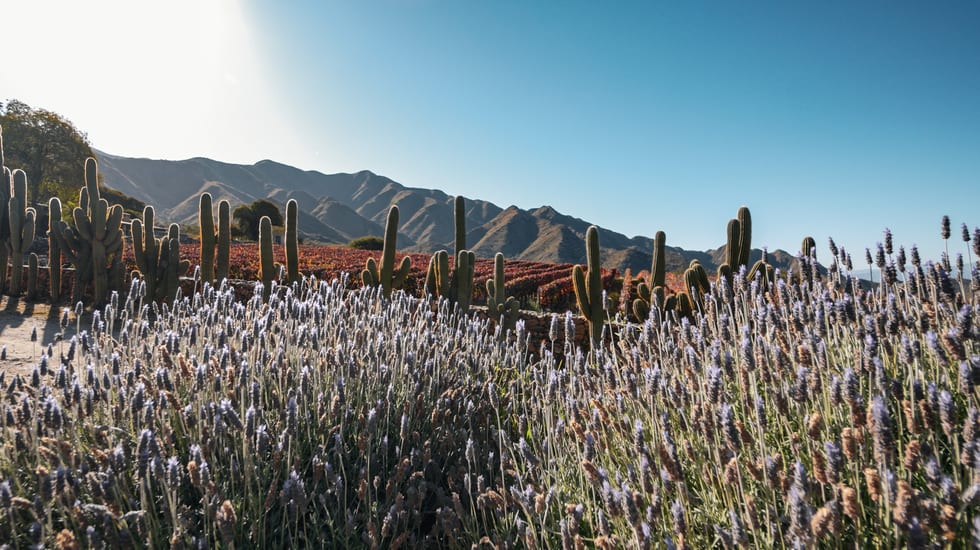
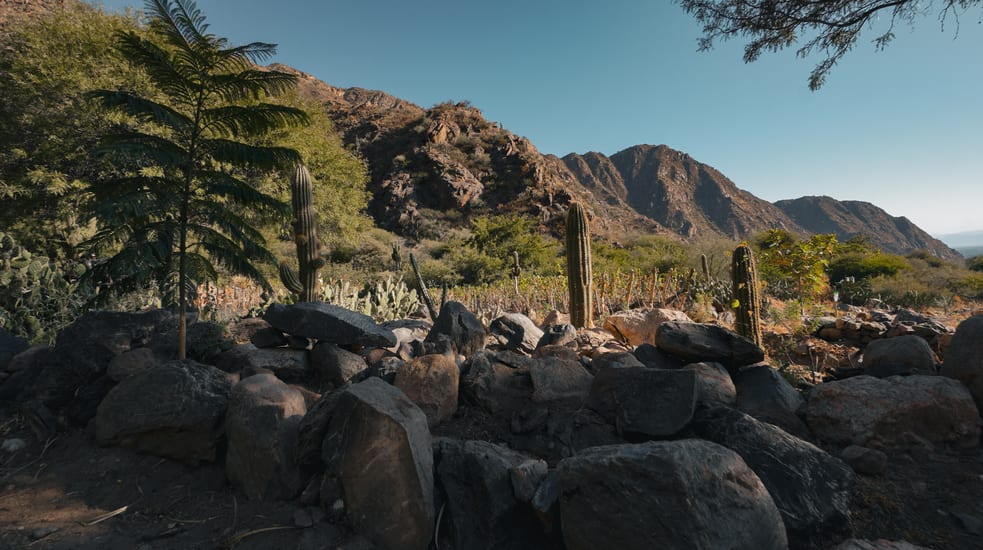
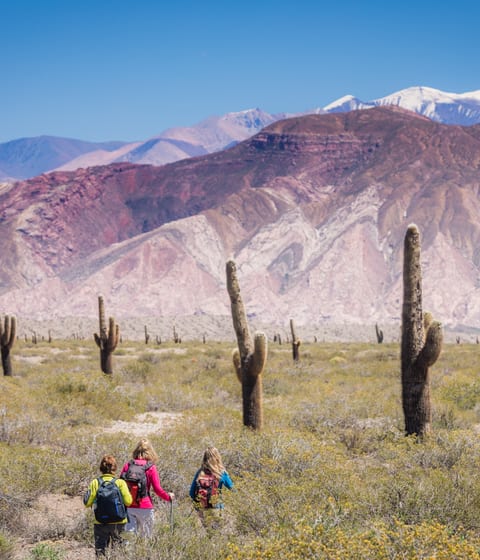
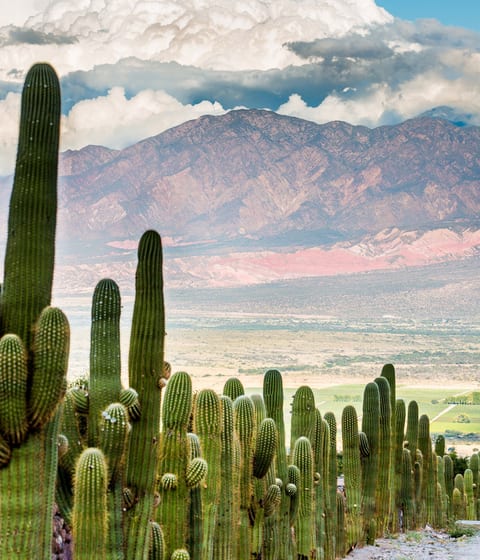
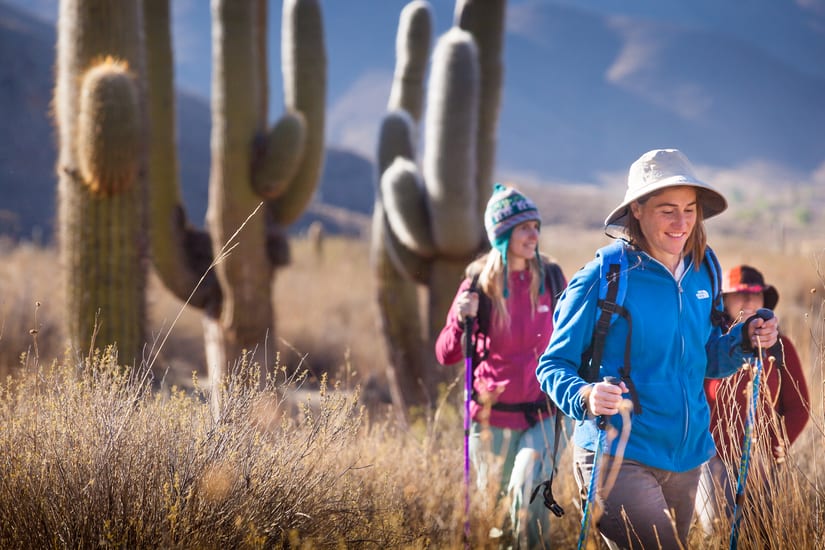
Your final day is a question of high-altitude extremes and the wines that thrive there, taking the slow road north through the Calchaquí Valley to Cachi, where you’ll dine in the spectacular surrounds of Isasmendi Winery. Their microvinification wines – Torrontés and Malbec – have been carefully cultivated to thrive in these extreme mountainous climes. This is a rare refuge, marked by adobe walls, spiny cacti and sandy soils.

Day 9 Continued

After lunch, you’ll climb your way through Los Cardones National Park – established to protect the region’s remarkable diversity of cacti and guanacos – before climbing yet higher to Piedra del Molino, 11,300 feet above sea level, before making the spectacular descent through the Cuesta del Obispo, where the landscape changes its clothes from high-altitude mountains to deep, rich jungle and the eventual fertility of the Lerma Valley.

From here, you’ll fly from Salta back to Buenos Aires. Your journey comes to an end.

So, ready to start?

Start Planning