
















The Keepers Itinerary

Time and Tide

Chiloé, Chile

THE KEEPERS

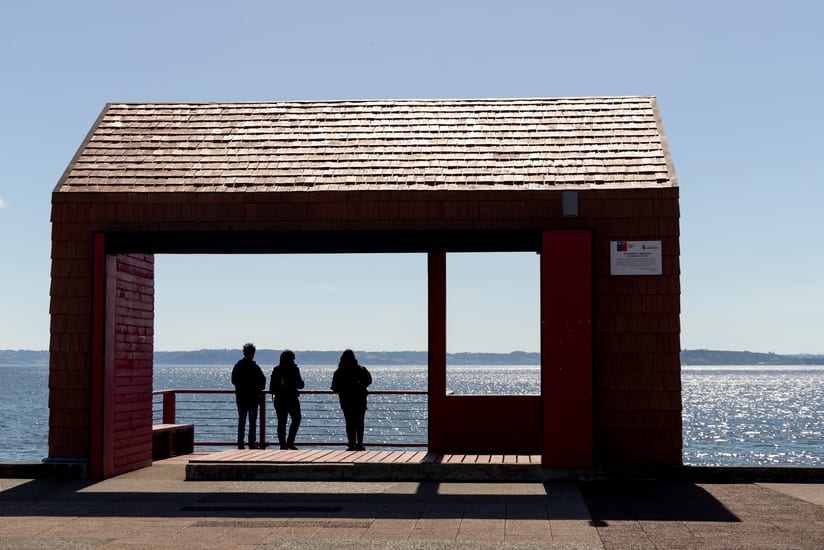
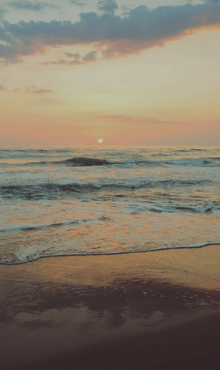
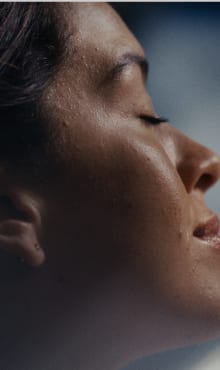
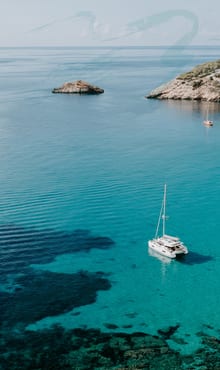
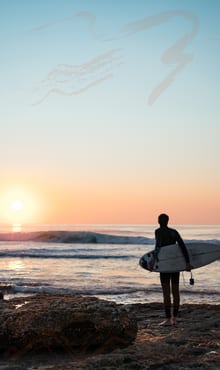
For the people of Chiloé, the sea is a lot more than a barrier that separates them from the Chilean mainland. Instead, it’s the foundation of their identity – a moving, living thing that has shaped the way they live and the people they’ve become.

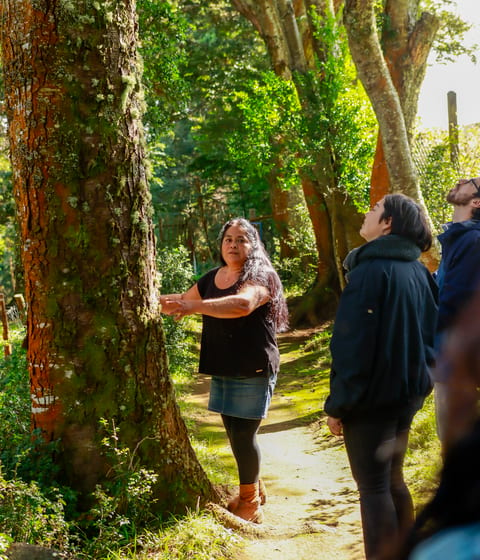
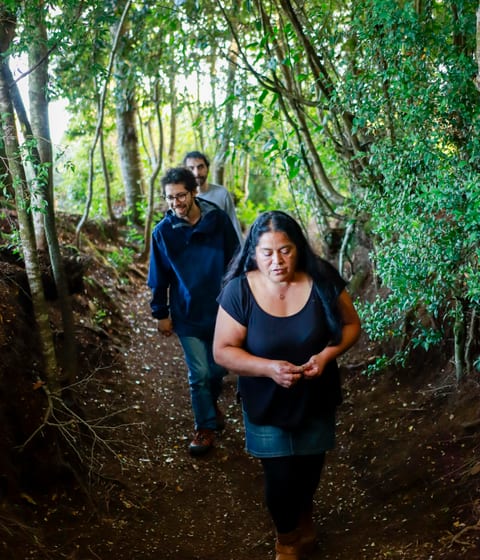
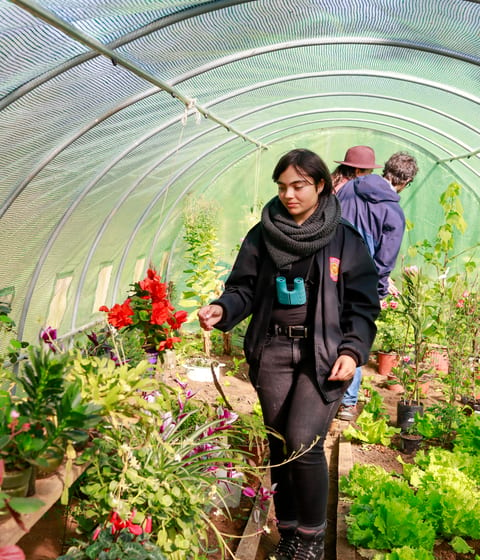
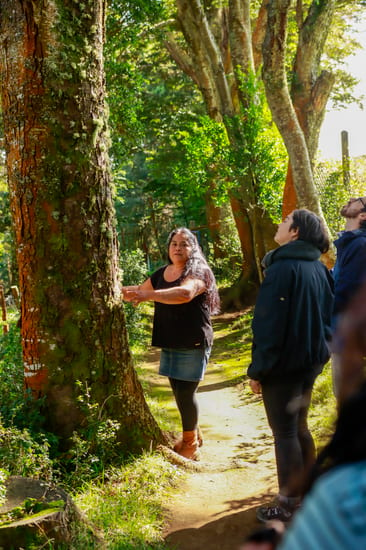
And it’s not a secret that’s locked away in books. Their strength stems not only from the sea but the living archive of knowledge they’ve built up and passed down over generations. The Keepers of Chiloé live their resilience day by day, and the sea – which encloses them – flows through everything, from the mythology that holds their stories to the medicinal plants that grow on the island’s forested hillsides. Theirs is a living mastery rooted in the demands of necessity. To live here, to survive here, is to live with the land and the water. This is the only way.

To visit this place, and to spend time with its people – living with them, taking part in their lives, understanding who they are – is to appreciate how dependence can be a strength, and how we can find everything we need right beneath the soles of our feet. Chiloé stands alone, but its people couldn’t be closer – or more willing to welcome you in.

When

October - April

Price

From $11,650pp excl. flights
Price includes all accommodation, experiences, guiding and transfers. Based on travelling off-peak and may increase if travelling over peak season. Price excludes international flights but these can be arranged on request. See here for more information.
(based on 2 ppl sharing)

How long

5 nights
Ideal length

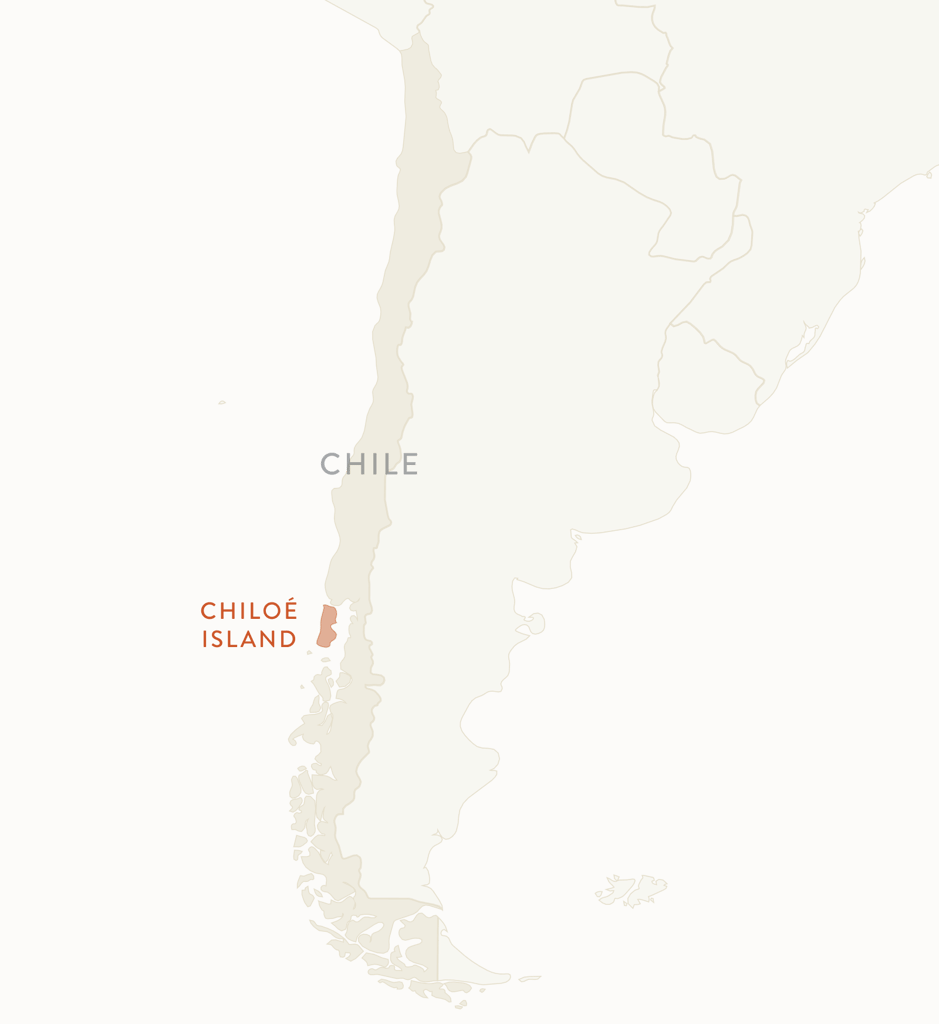
Chiloé Island

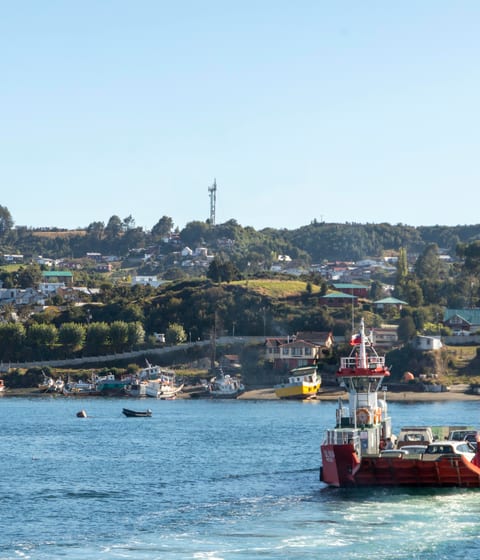
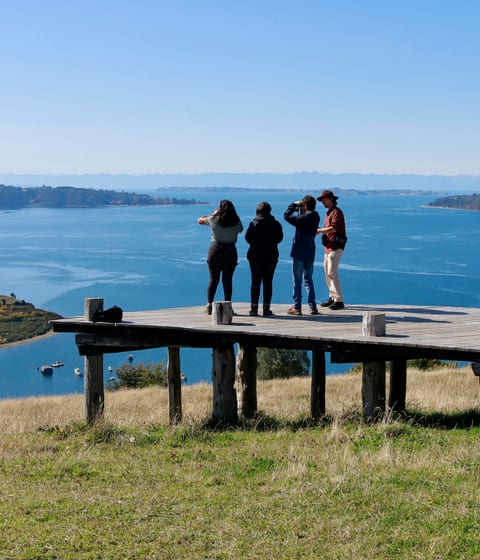
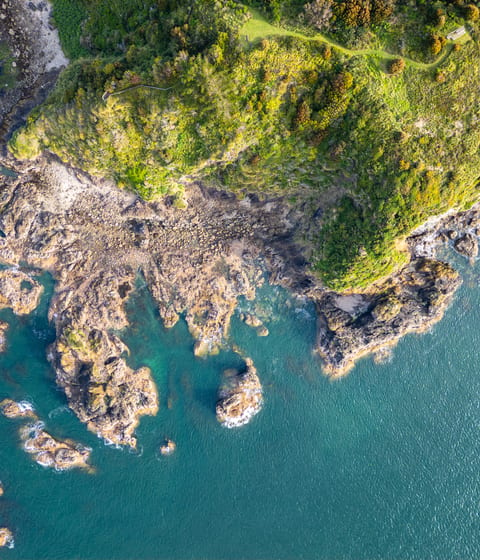
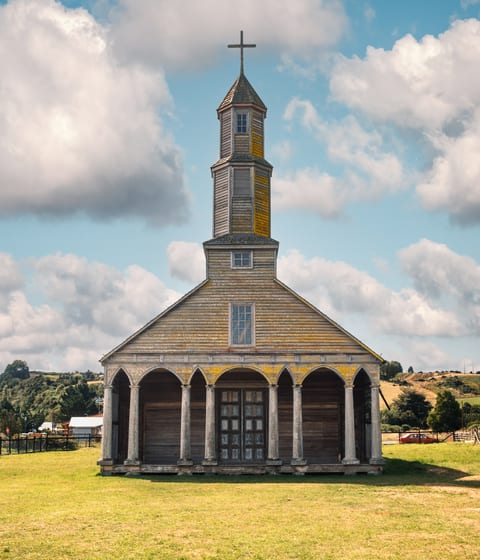
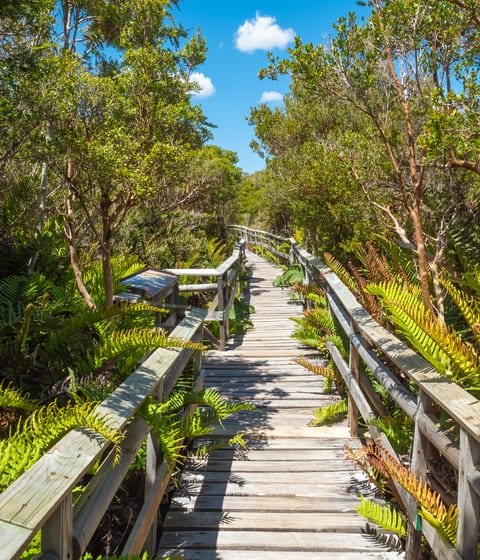
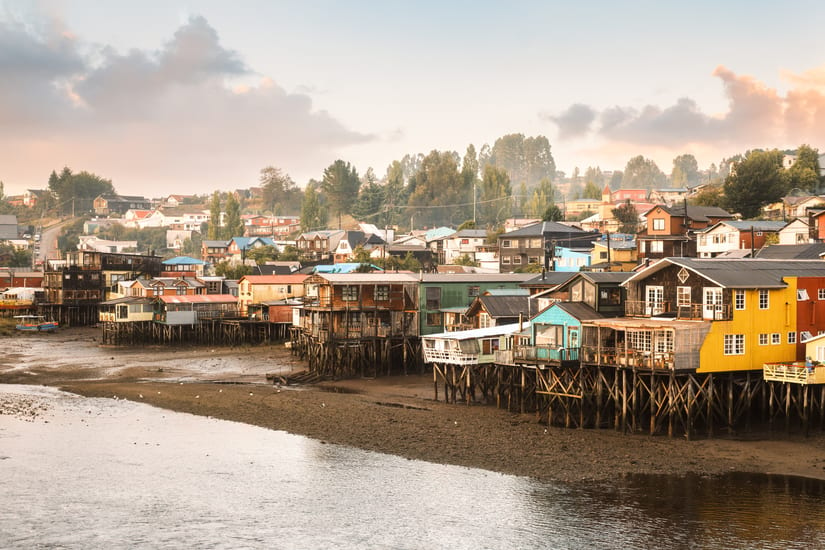
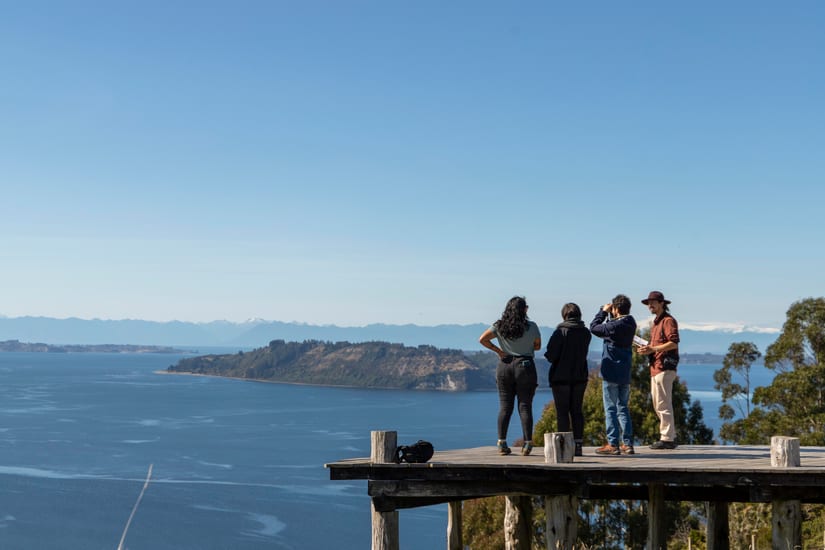
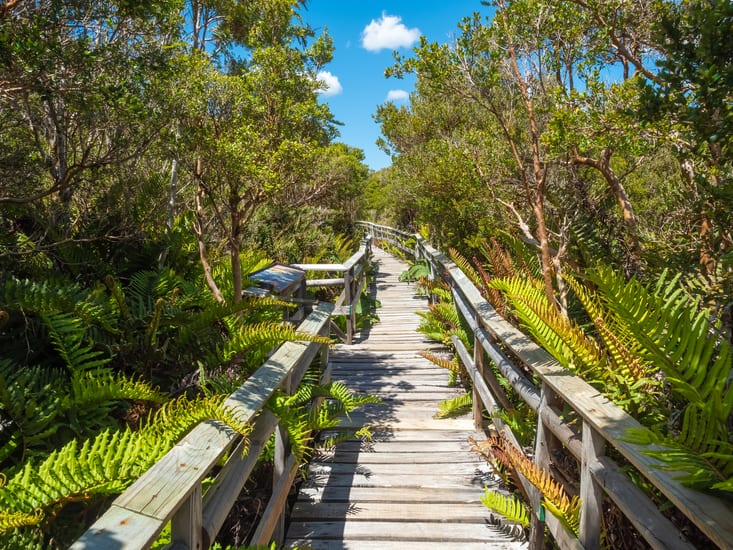
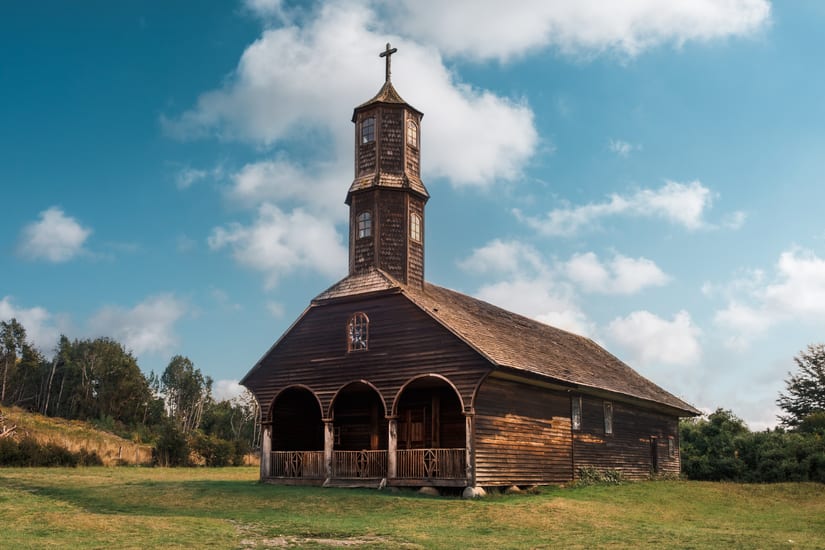
Chiloé stretches roughly 110 miles north to south, making it the largest island in Chilean Patagonia. Its landscape changes between rolling farmland, dense temperate rainforest, and saltwater channels threading between smaller outlying islands. Home to a mythology that shapes every stitch of daily life and a food culture built from what the sea and soil provide, the island is one of South America’s most unique and little-seen locations.
Day 1
Into the silence

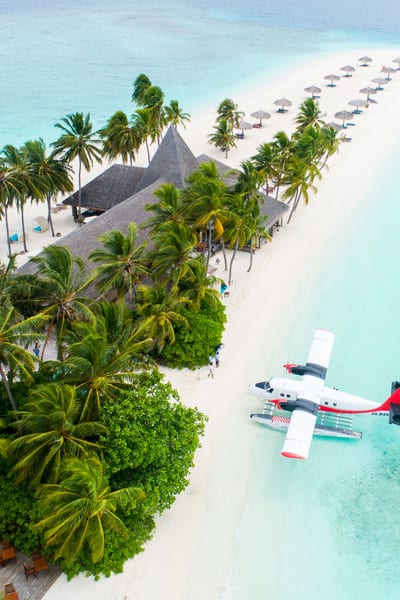
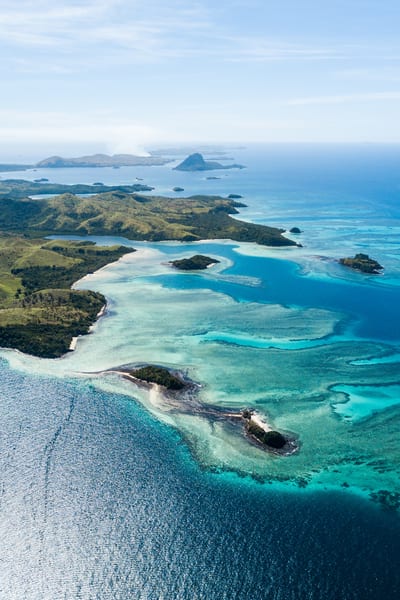
Your first impression of Chiloé will come from the air, flying by private sea plane above the stark, far-flung geography of this untamed and isolated place. From the air, you’ll perceive how deeply their mode of being is shaped by land and sea. At the edge of everything, survival has been hard-won.

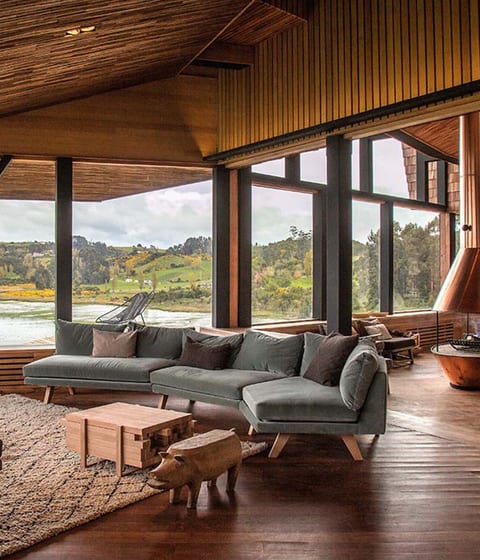
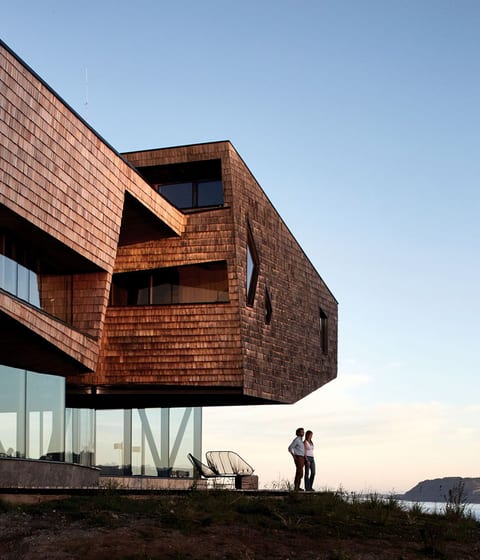
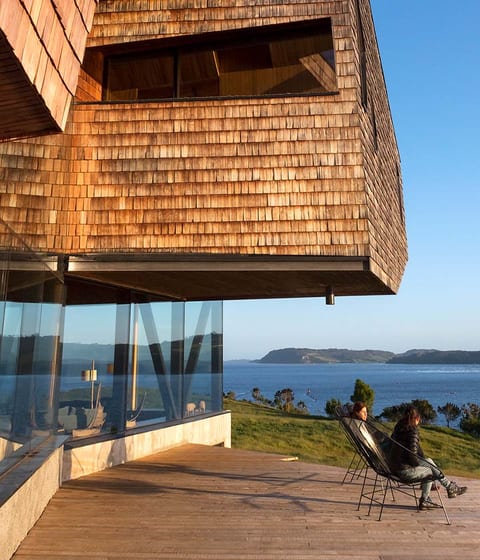
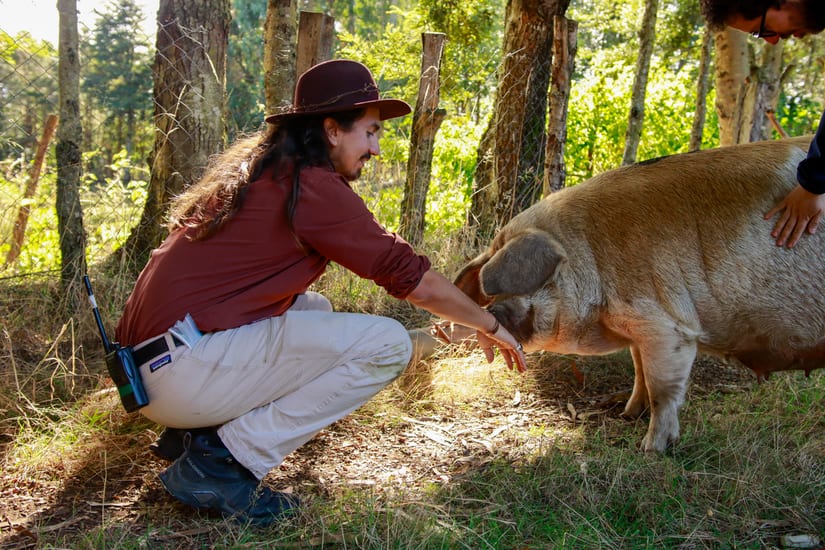
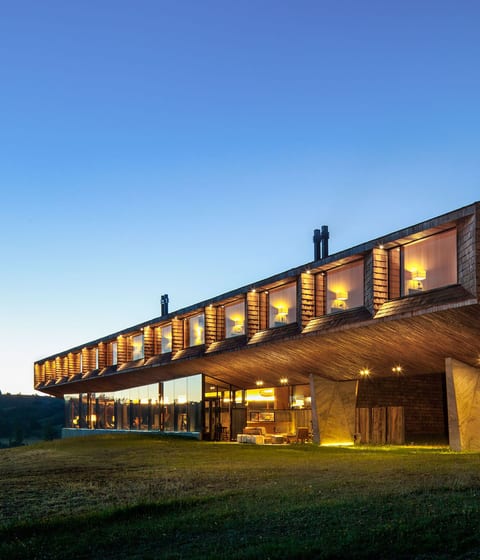
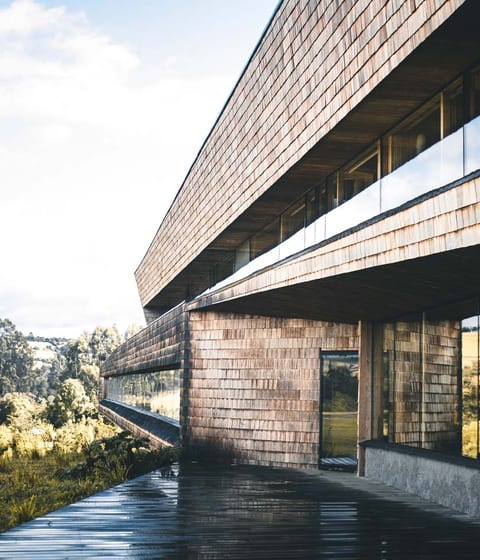
Refugia – which will be your home for the duration of the trip – is something rare and special in this world: a lodge that places less emphasis on the traditional trappings of luxury and focuses, instead, on the feeling of living in the heart of a wild, untamed territory which has lain largely unseen by outsiders. Until now.
Day 1 continued

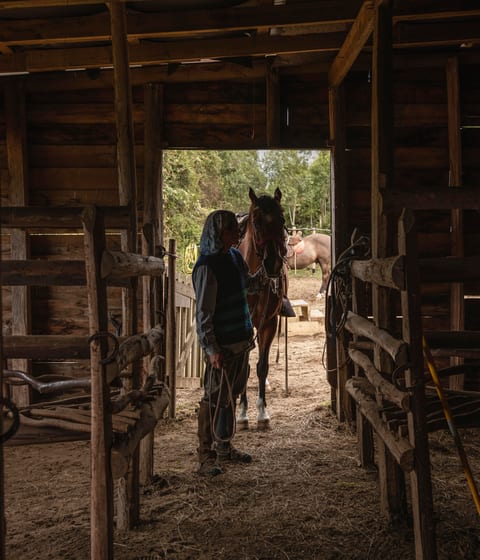
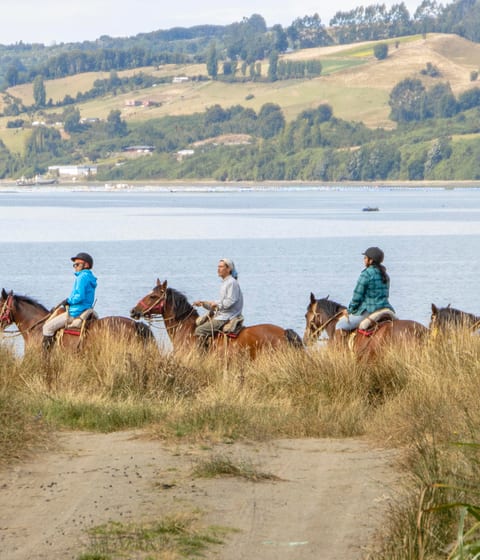
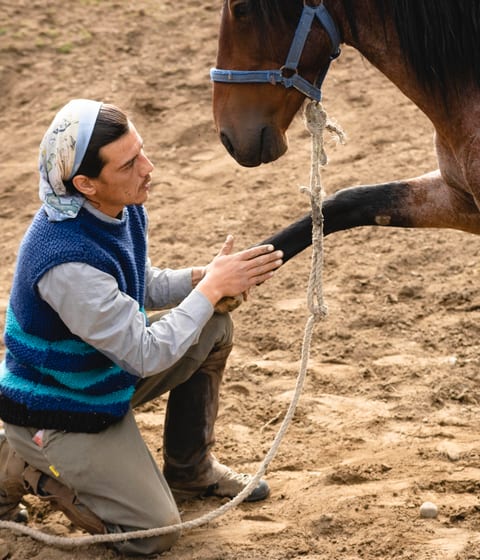
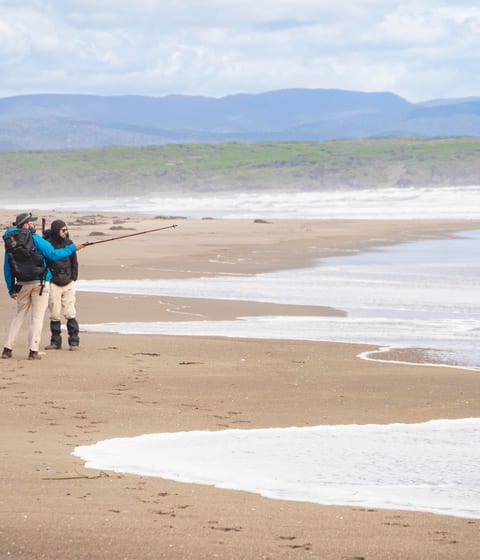
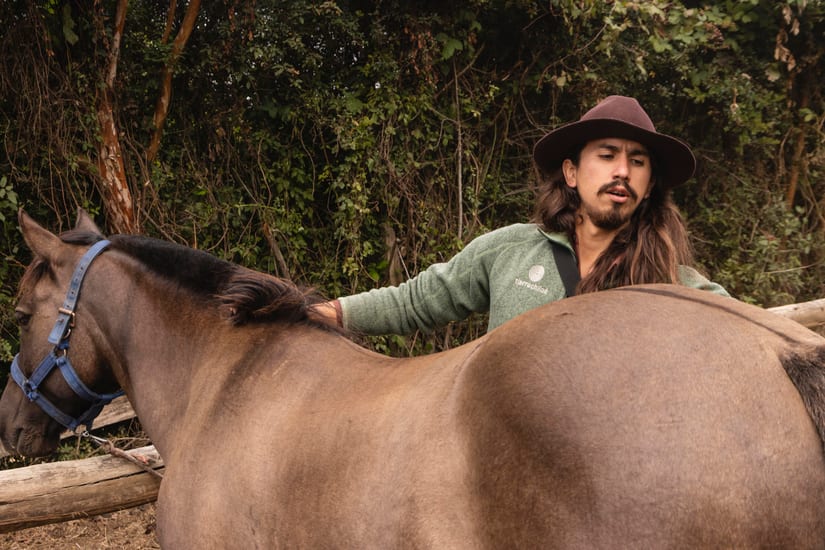
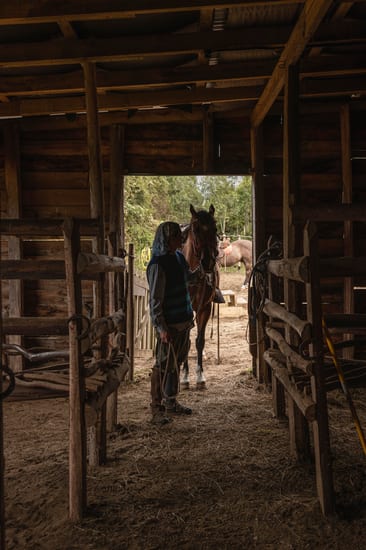
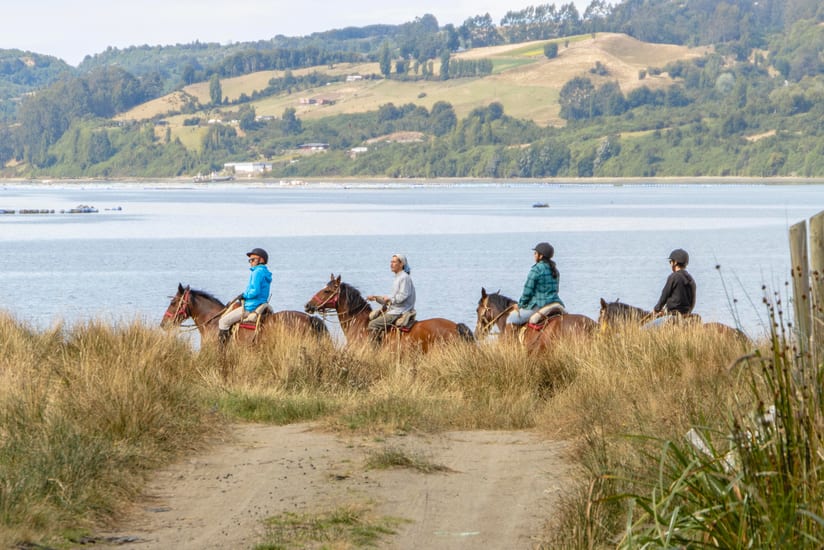
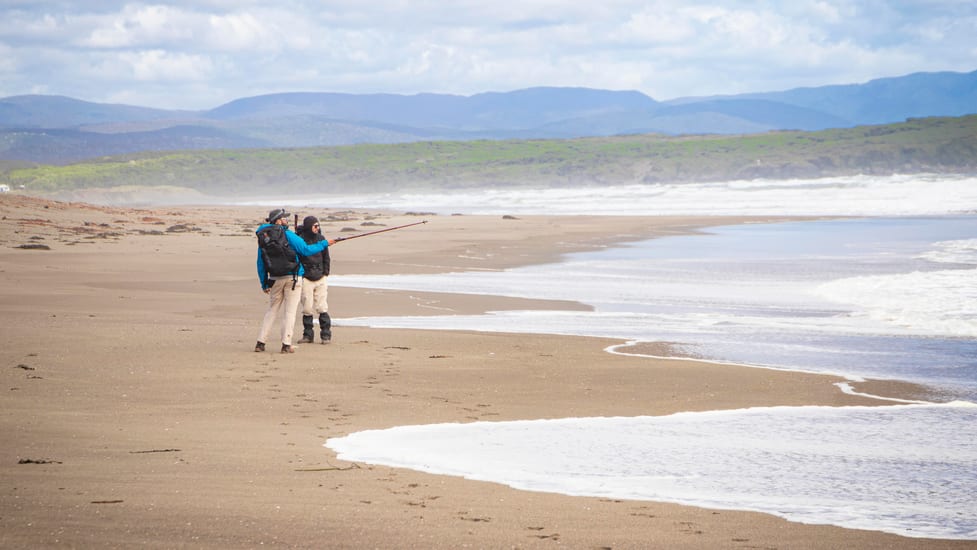
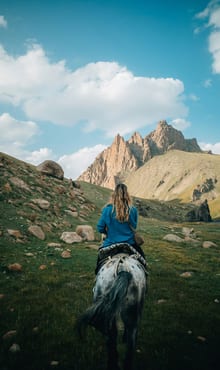
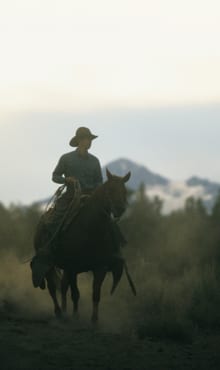
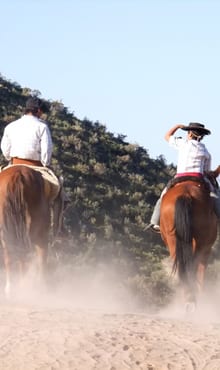
In the early evening, you’ll meet long-term local Rene – the lodge’s stable master. Together, you’ll share the oldest gesture of hospitality known in Chile: a mate ceremony. Then you’ll ride by horseback through the peninsula’s edge, taking in the quiet whisperings of the land and the sea that not only surround Chiloé, but sustain it.

Day 2
The Seed Guardian

Today you’ll make your way to the smaller island of Quinchao – sitting just off its eastern shore.

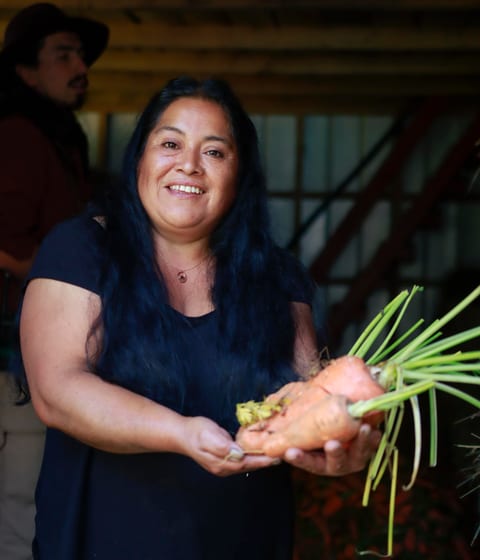
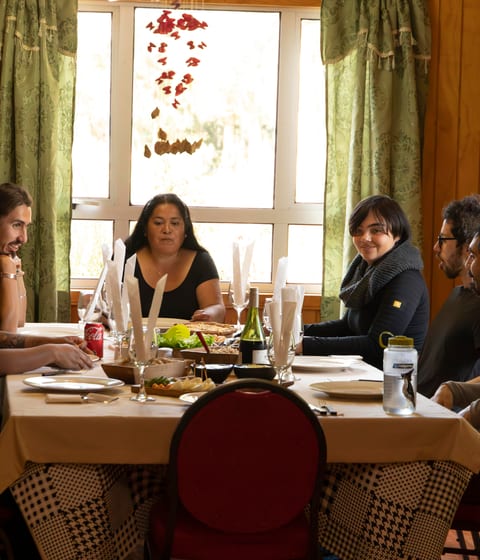
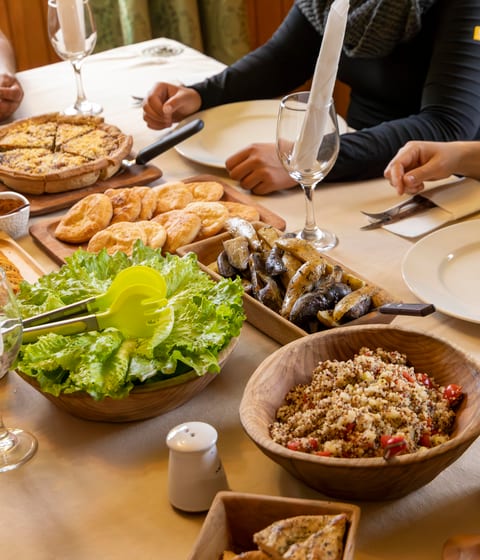
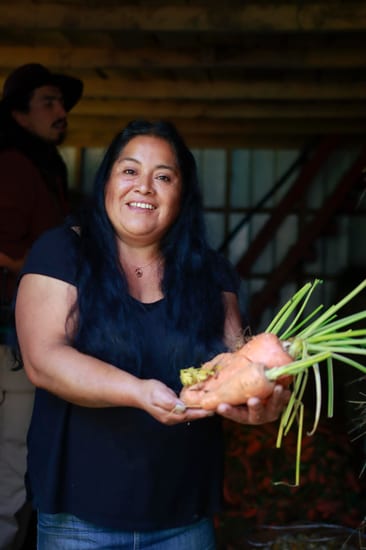
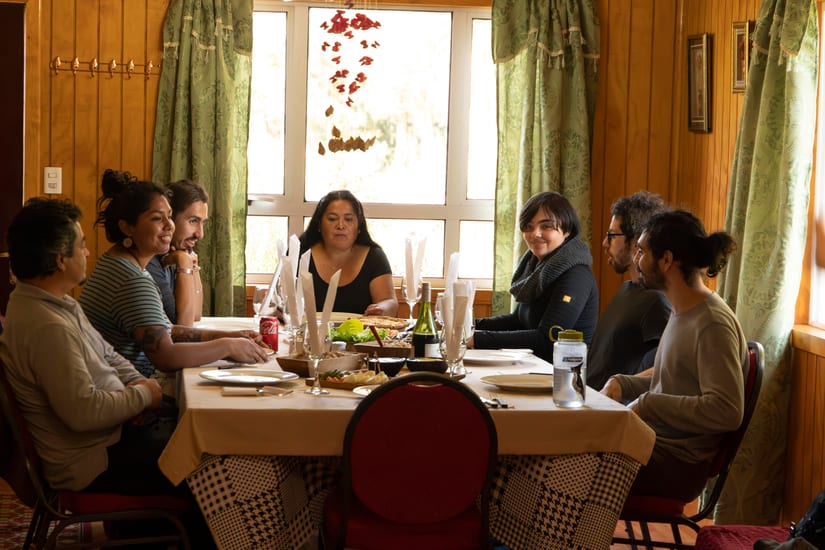
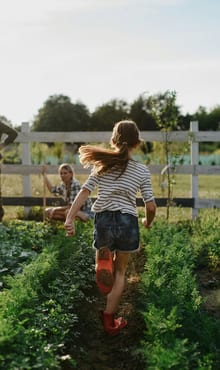
You’re here to meet Sandra Naiman. For decades, Sandra – a Williche woman and seed guardian – has farmed land she inherited from her family – all without chemical inputs. In the process she has single-handedly protected and preserved varieties of seed and food found nowhere else on earth. With this rarified knowledge, she teaches other island families to farm organically. You’ll learn all this over a slow lunch in her kitchen – tasting the archive she’s so carefully, lovingly built.

Day 2 continued

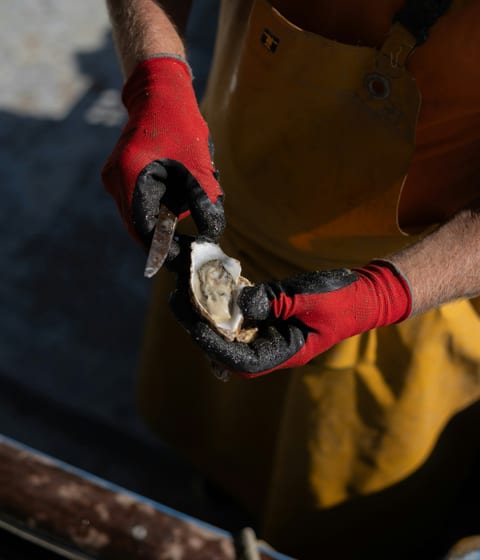
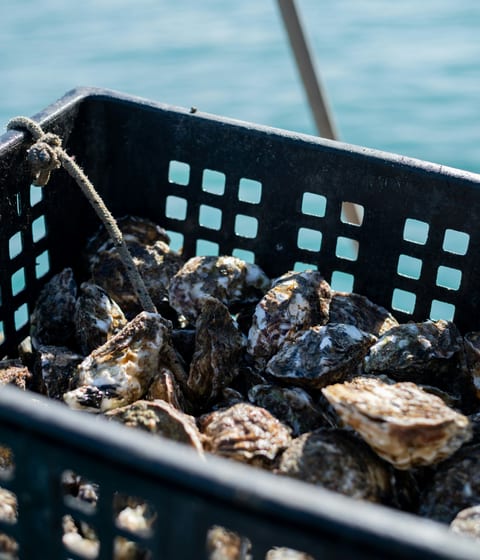
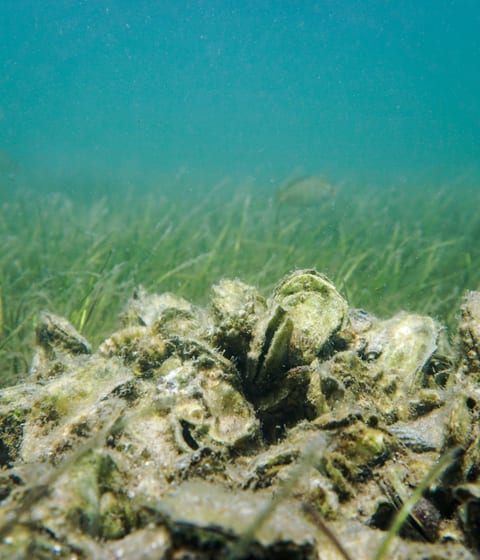
As with the land, so with the sea. Returning to Refugia, you’ll stop at the fringed coastline of Cholci to pull, shuck and eat oysters straight from the still Pacific waters, understanding how great a gift the natural elements are for the people of this far-flung archipelago. From seed to sea.

Day 3
The warp and the water

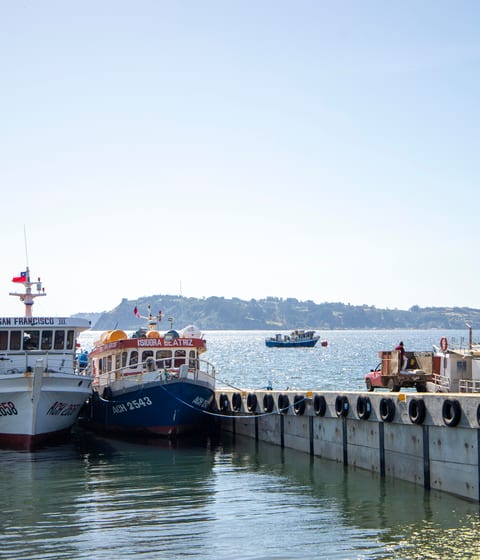
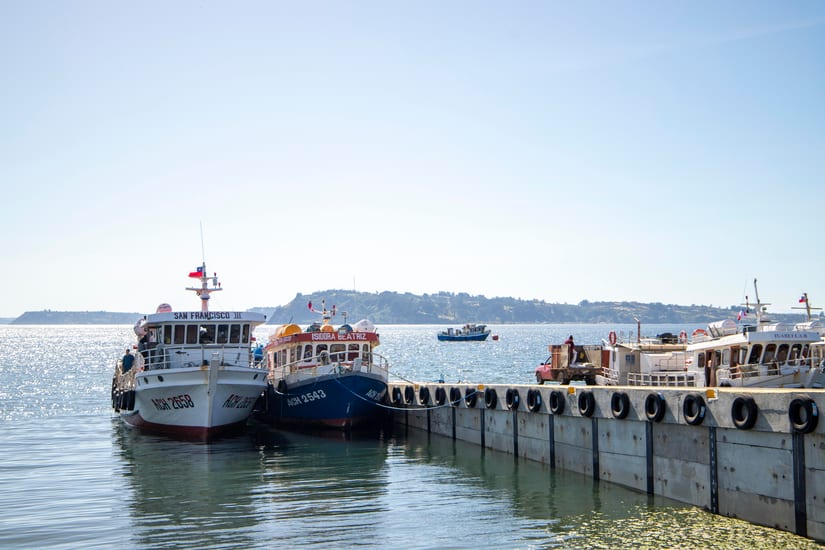
For generations, Chilotes have found creative ways to manufacture almost everything they need to survive. And this begins with boats. At the sea’s edge, you’ll meet and spend time with master boatbuilders who carry in their hands the knowledge of generations that came before them.

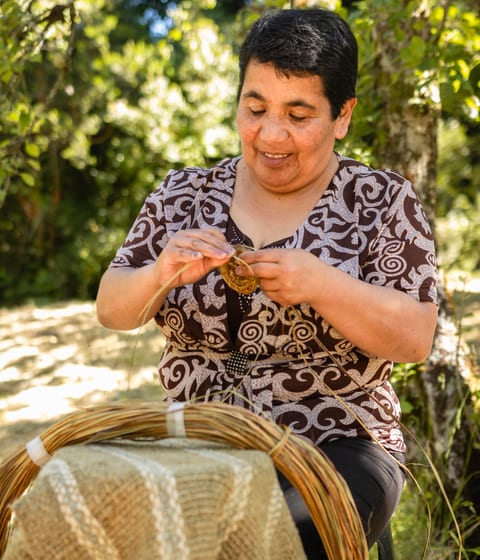
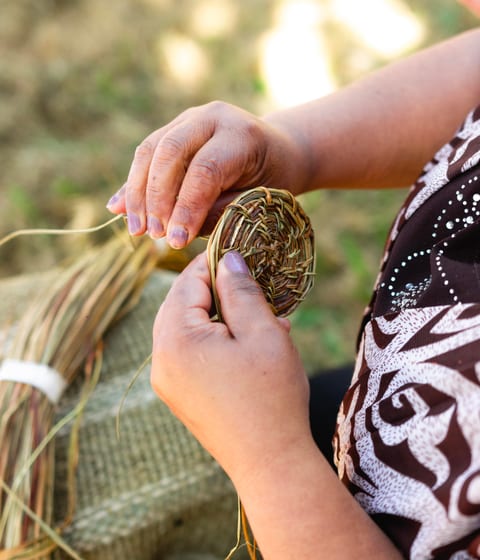
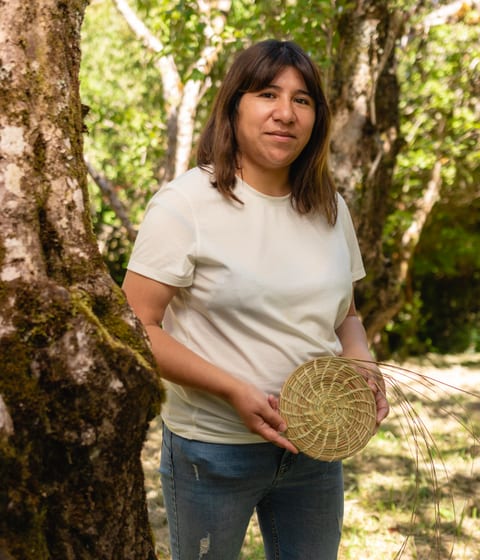
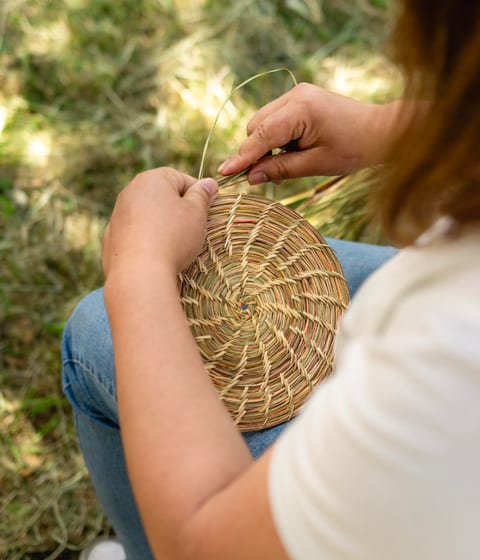
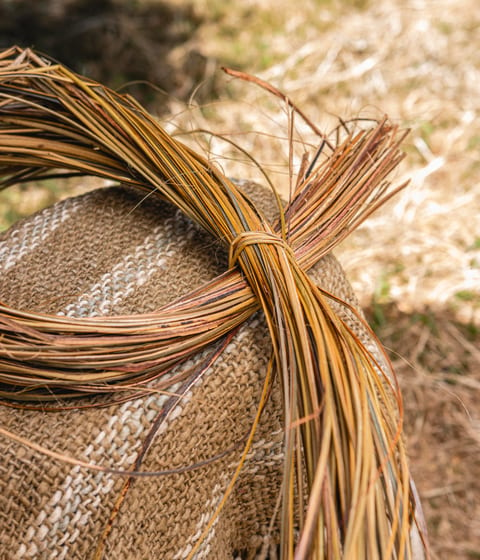
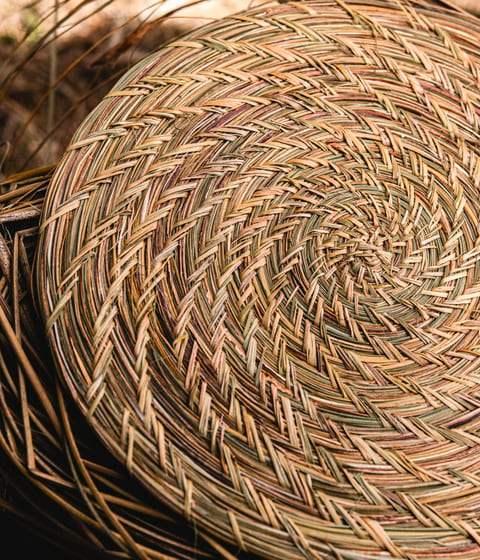
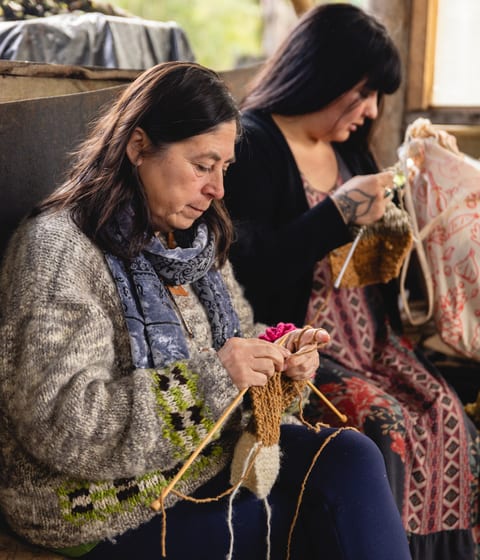
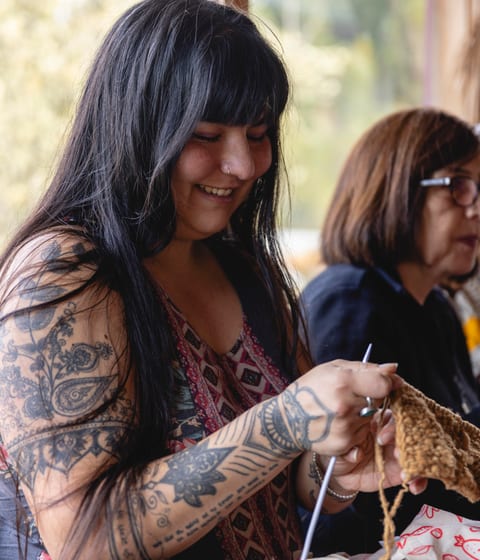
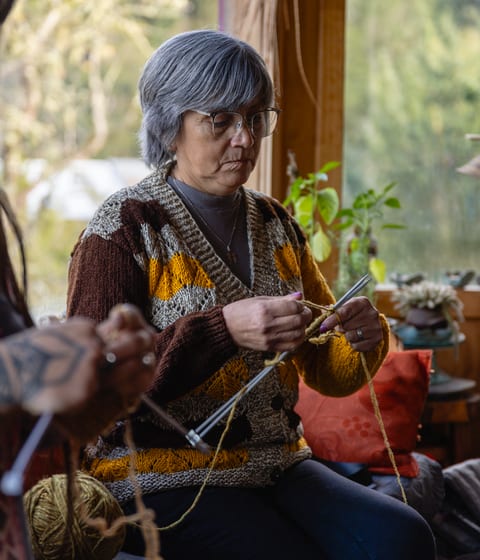
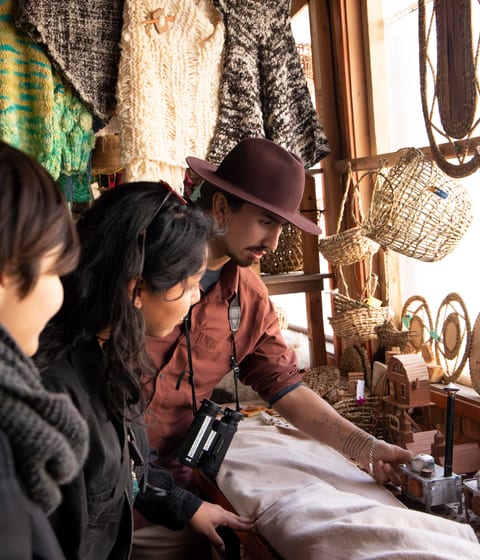
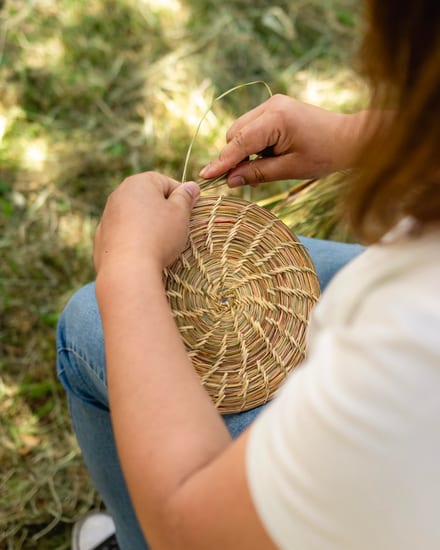
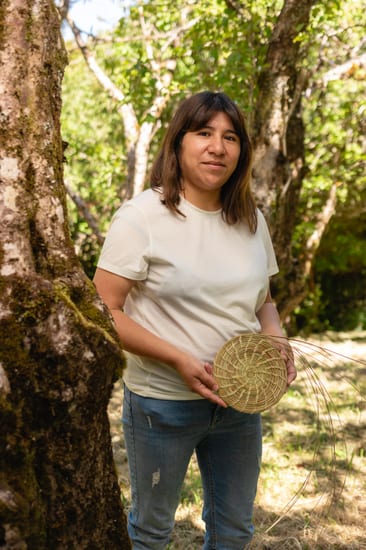
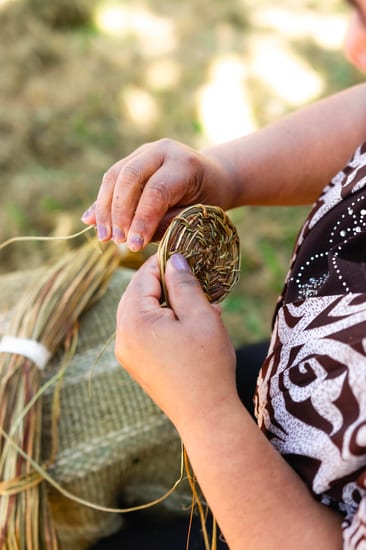
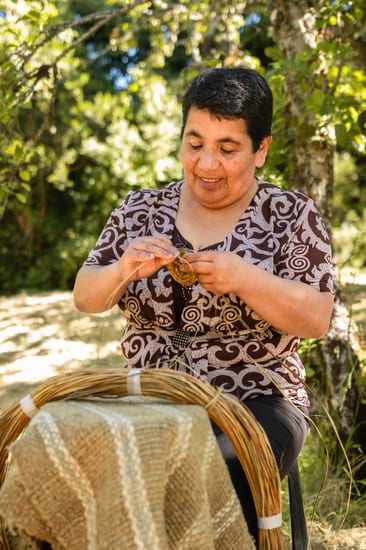
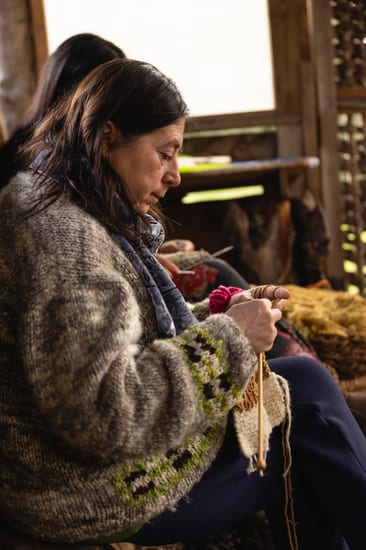
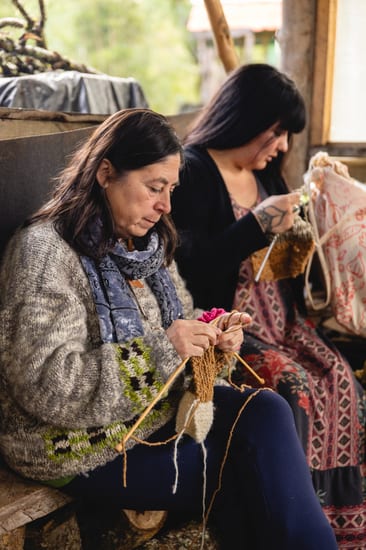
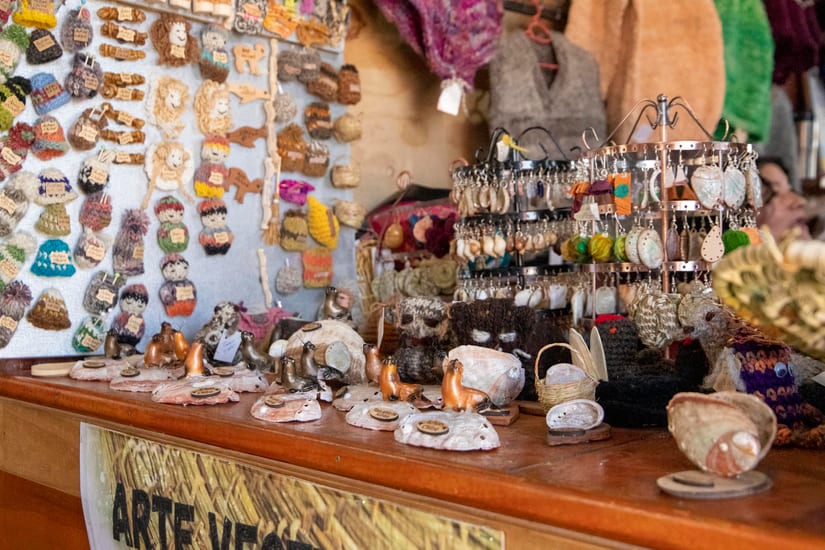
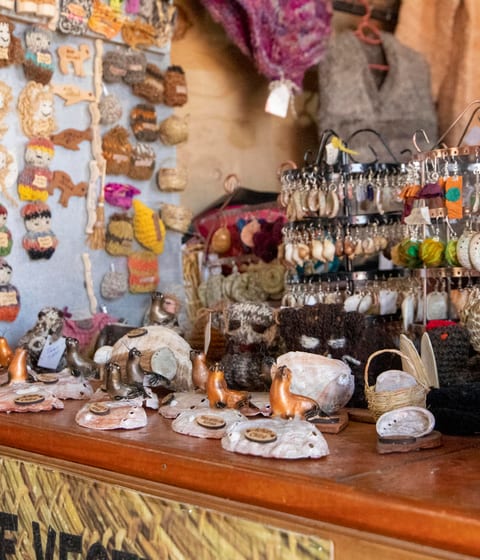
And the same well-worn knowledge can be felt with the archipelago’s weavers and basket-makers, whose fabrics and wares have kept fishermen warm through the island’s storms and winters. These are practical, essential things, not trinkets or mementos. Many stories and traditions are woven through these everyday arts. They connect every single person who lives, works and survives on these islands.

Day 4
Ties that bind

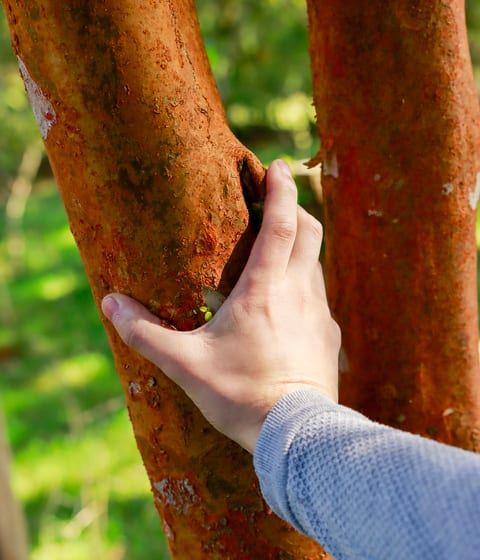
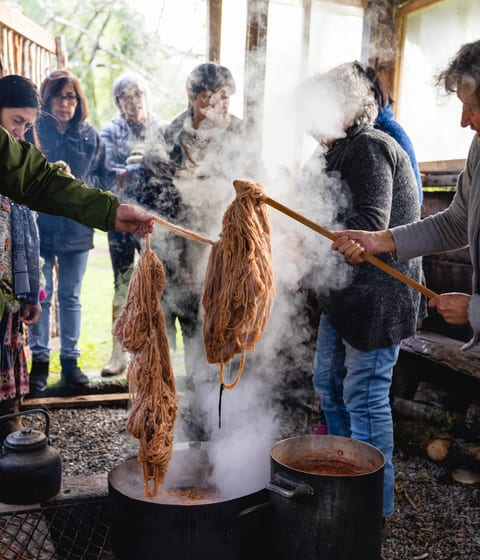
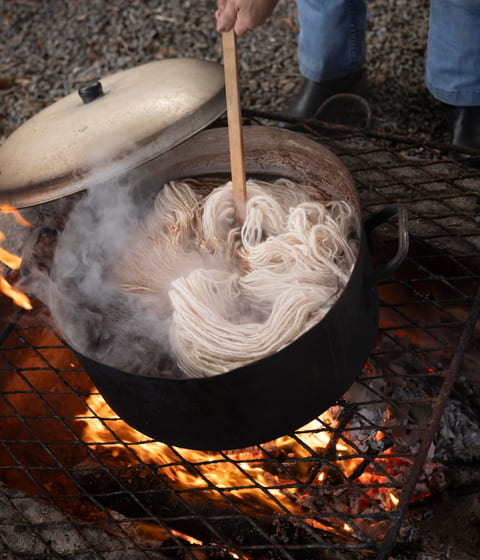
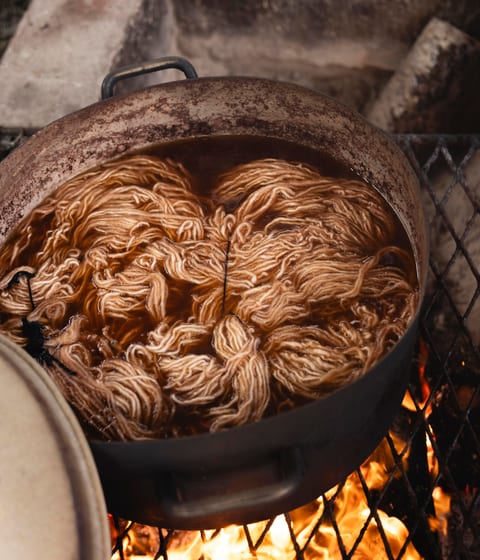
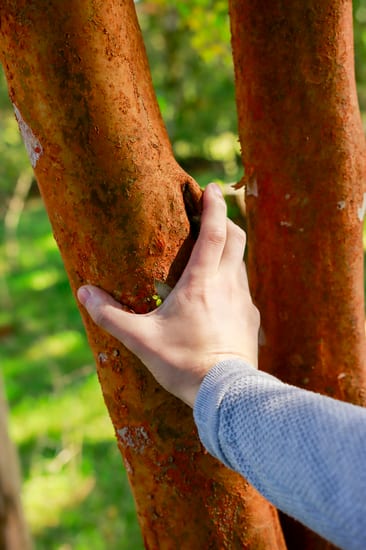
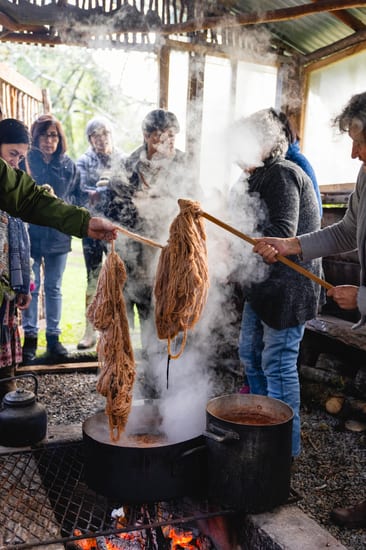
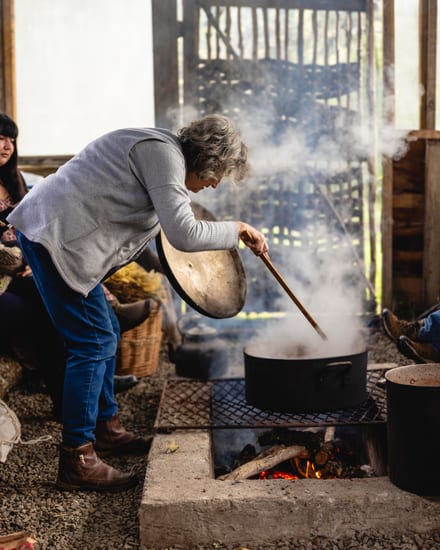
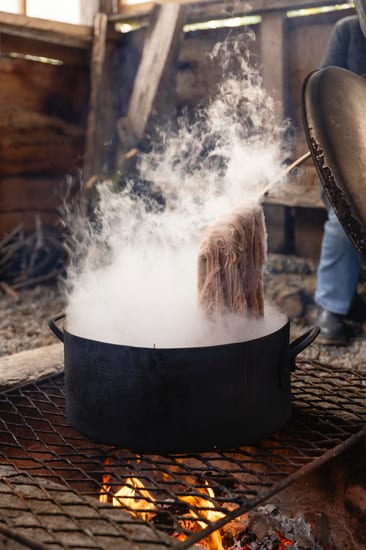
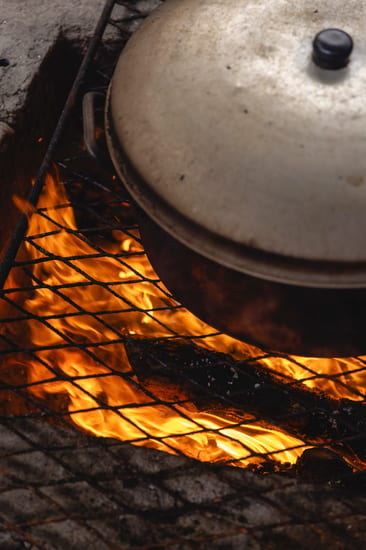
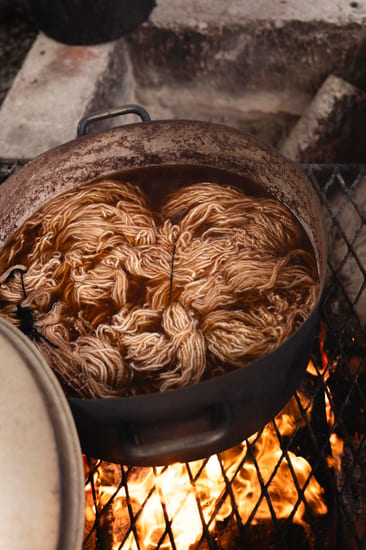
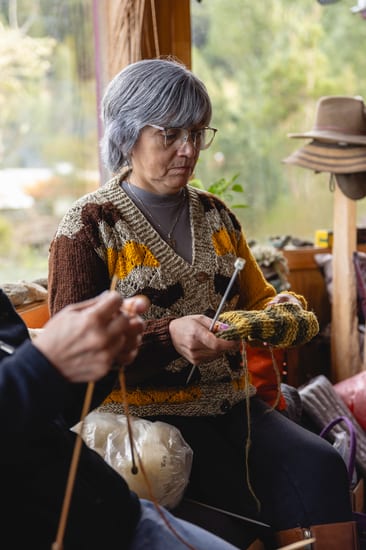
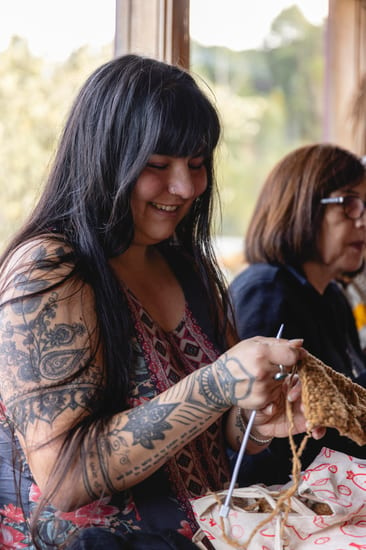
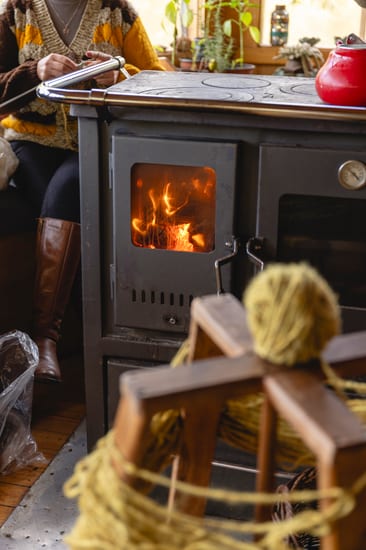
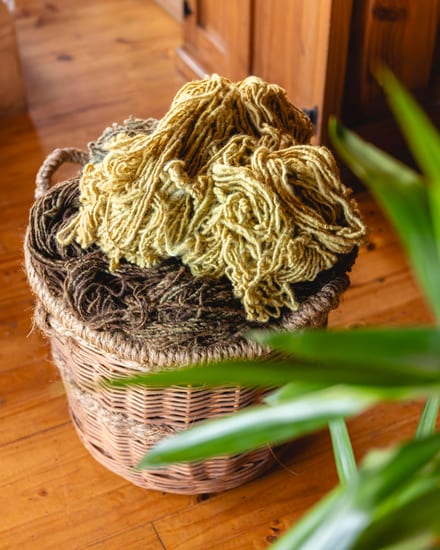
In Chiloé, nature has a subtle influence on almost every stitch of daily life – right down to the clothes that people weave and wear. Spending time with traditional weavers, whose practice they inherited from the Mapuche people, you’ll learn how plants, bark, fruits and soil determine the dyes that color their fabrics. The natural world shows its hand through every loop and stitch. And the same can be said for musical instruments crafted on the islands. In the company of a skilled artisan, a maker of the rabel chilote, you’ll see how local wood is used to fashion an instrument which plays and preserves the stories of Chiloé.

Day 4 continued

Later in the day you’ll head to the town’s busy and vibrant market. In some other clime a place like this would be designed for tourists, but this market is an essential part of everyday life on the archipelago. After all, this is where Chilotes shop, and its aromas, colors and produce paint a vivid portrait of the trades and skills that The Keepers of the island have practiced their entire lives, from woven blankets to strings of mussels drying in the open air.

Day 5
From the sea to the fire

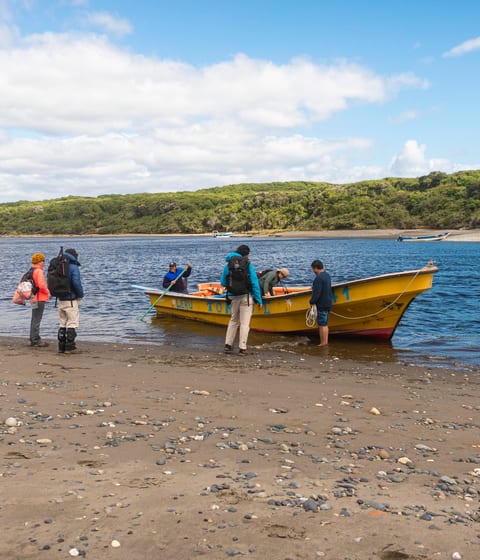
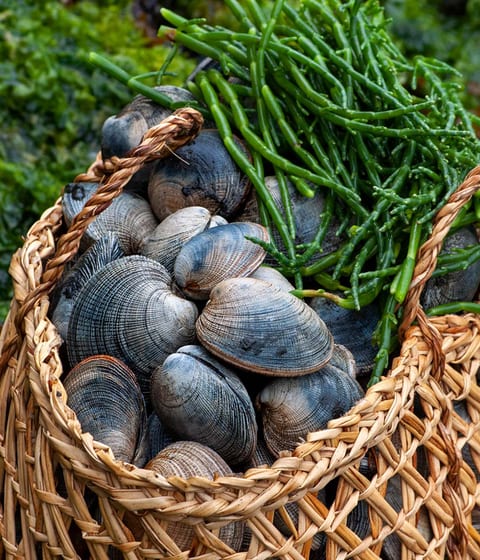
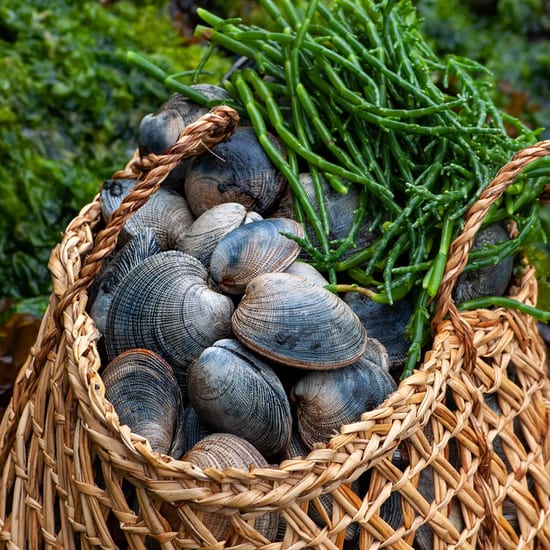
To be a Chilote is to live by the sea, but also to live from the sea. Mariscadors (traditional shellfish gatherers) have learned to read the tides like a book, knowing precisely when and where to find the catch that’ll end up on dinner tables and market stalls across the islands. You’ll spend today weaving between the isles and bays on a Willeche boat, the builders of which you met earlier in your journey.

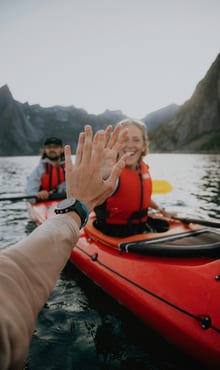
Later, crossing the Pindo estuary, you’ll arrive at the calm waters of Quehui – to kayak and paddleboard – before joining a local mariscador to gather your evening’s meal.

Family spotlight: Sailing on a Willeche boat will bring you a real sense of shared discovery as you learn the ins and outs of Chiloé’s coast.

Day 5 continued

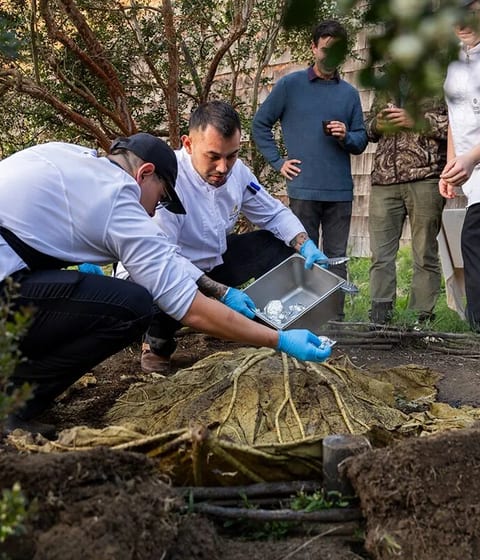
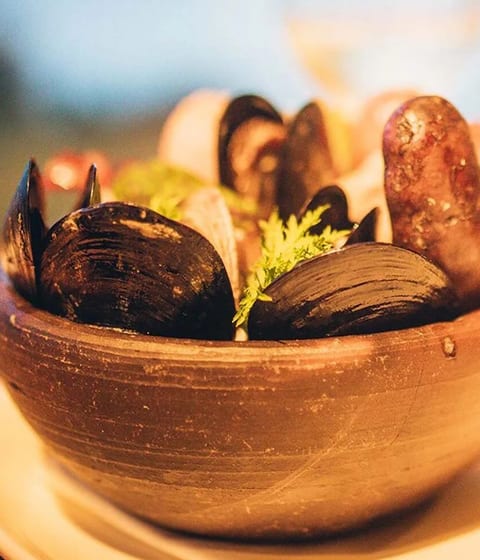
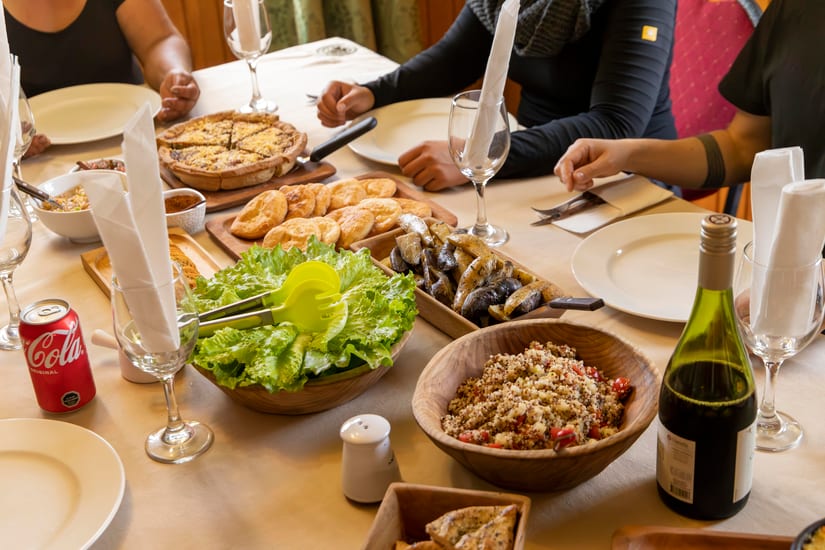
Back at Refugia, everything you’ve gathered goes into the ground. Curanto en hoyo, Chiloé’s oldest communal dish, is cooked on hot volcanic stones in a meter-deep pit beneath giant nalca leaves. When the pit opens at dusk, neighbors arrive, and the night becomes a gathering of the community: with live music and storytelling by the fire. It’s the perfect way to round off everything you’ve seen, and heard, and learned and taken part of, almost like you’ve been folded into the island itself.

Day 6
What the tide returns

Your final morning arrives gently, the scent of last night’s embers still rising from the earth. There’ll be just enough time to sit with the water before your sea plane lifts from Refugia’s dock and carries you back across the channels to El Tepual. Chiloé, and its people, and the sea that circles it – and the way of life they’ve honed and lived and nurtured here – will stay with you for a long time to come.

Go back to The Keepers
The Keepers