








France, Spain
The Lost Generation
Published 100 years ago this year, Ernest Hemingway’s The Sun Also Rises became the indisputable guidebook to the Lost Generation: that restless confederation of artists, writers, poets and personalities who broke the codes and rewrote the rules of their era.
But their art and their ideas didn’t emerge in a vacuum. They found life in real, vivid living places. They might have been “lost”, but they didn’t need a map to find their way.
This new journey follows the boozy, brooding, beautiful footsteps of Ernest Hemingway, Pablo Picasso, and Coco Chanel, reliving the places, rituals and communities that inspired them – and continue to inspire artists today. This is a living act of time travel, where you’ll walk away with a finer feeling for how the world shapes us – and how art can reshape the world.
When
Price
How long
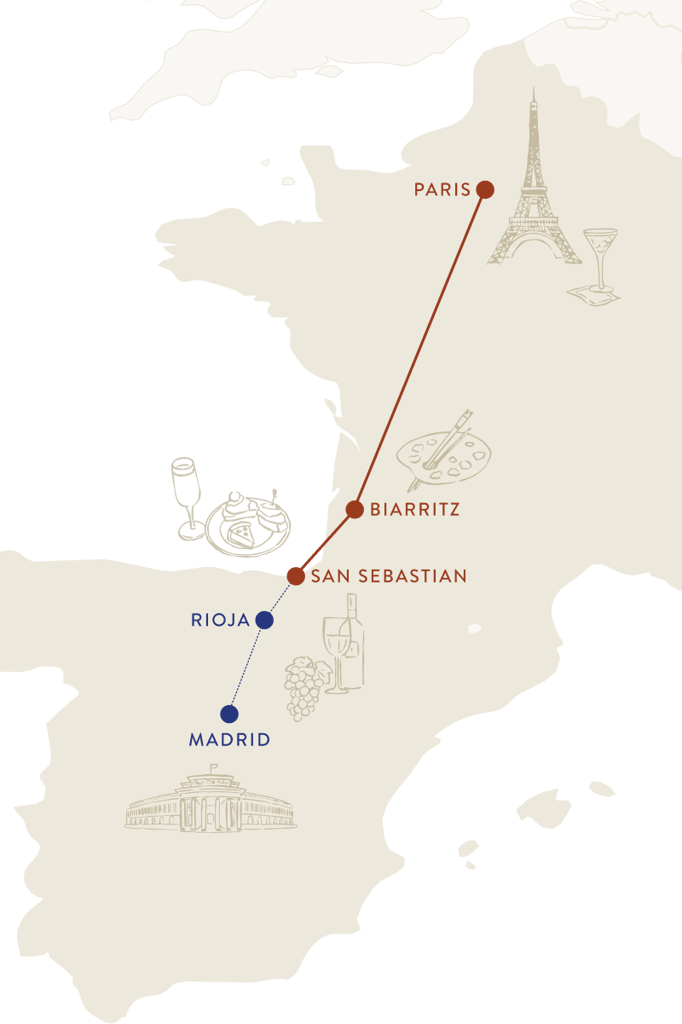
Paris
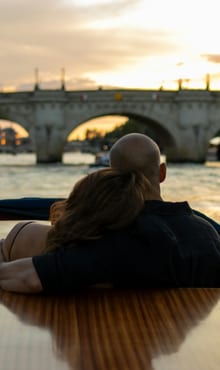
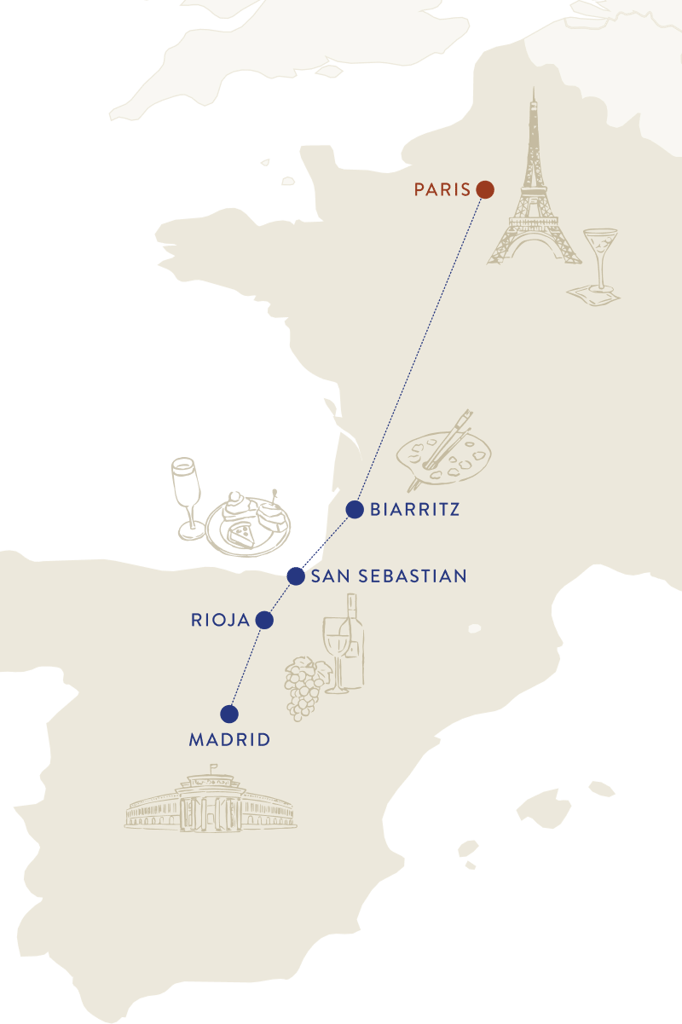
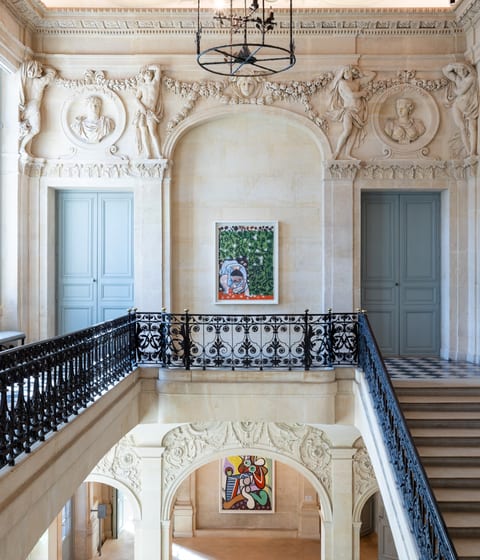
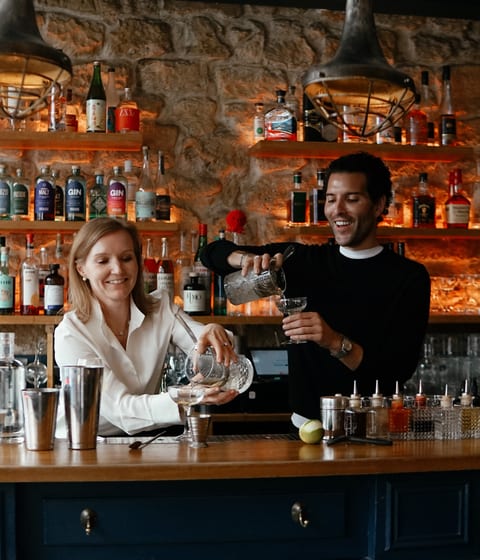
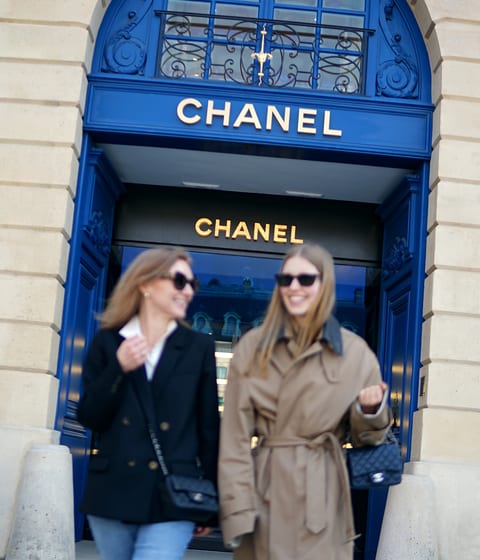
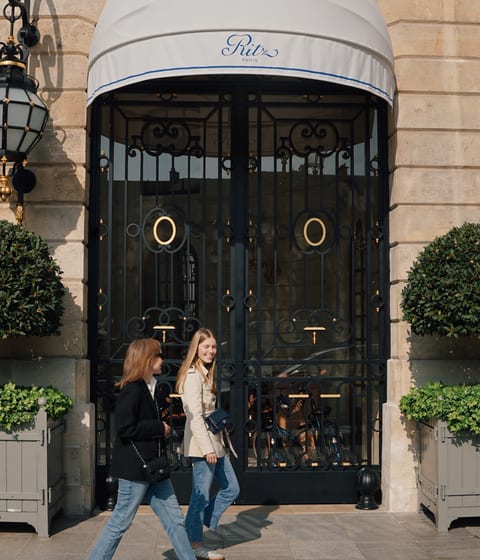
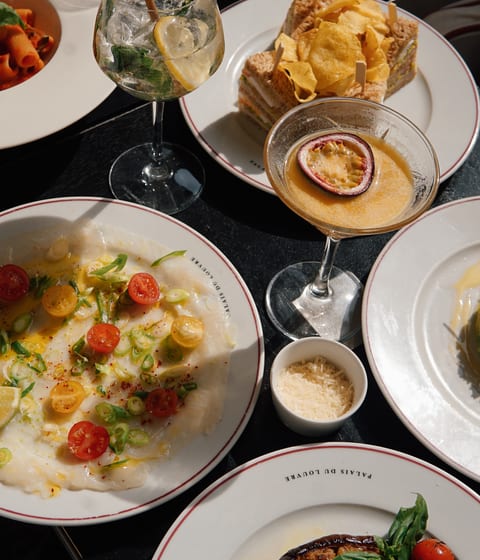
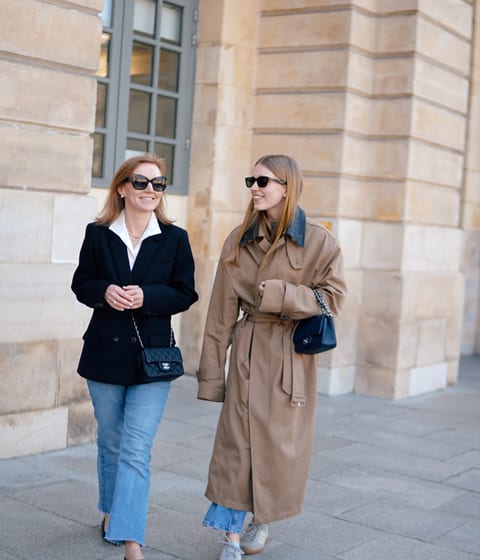
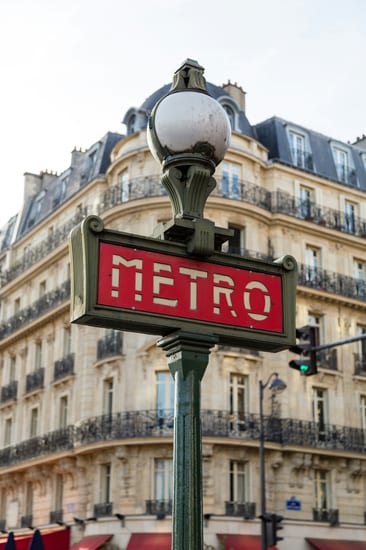
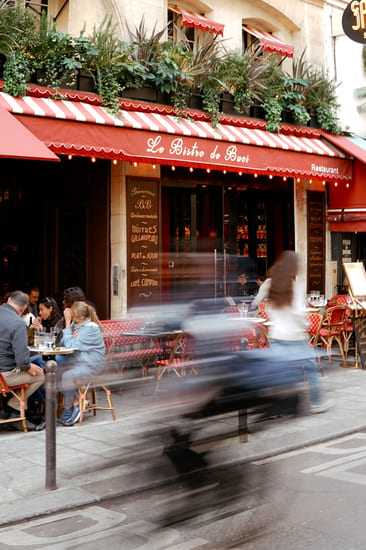
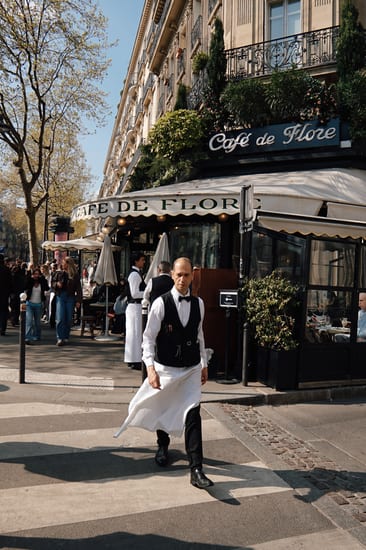
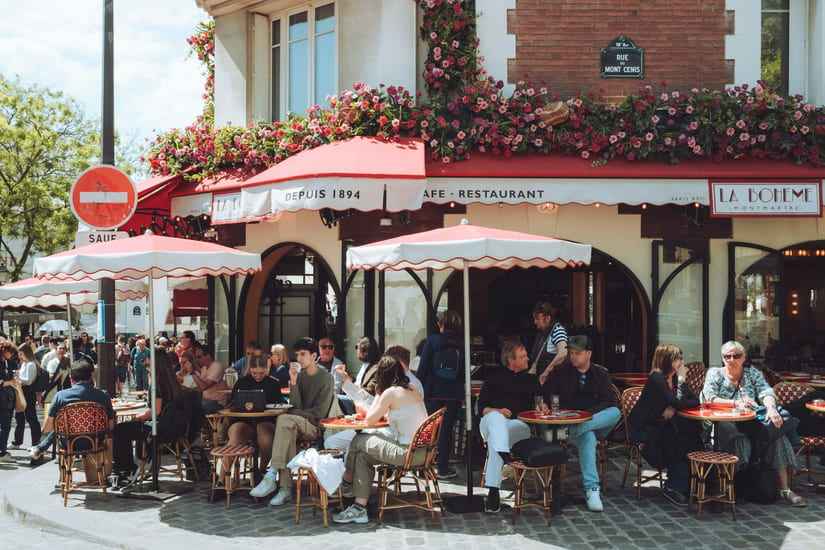
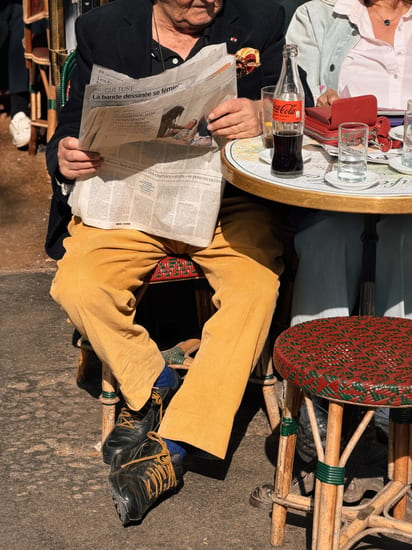
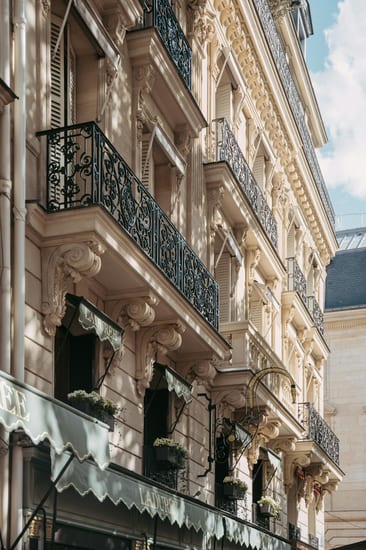
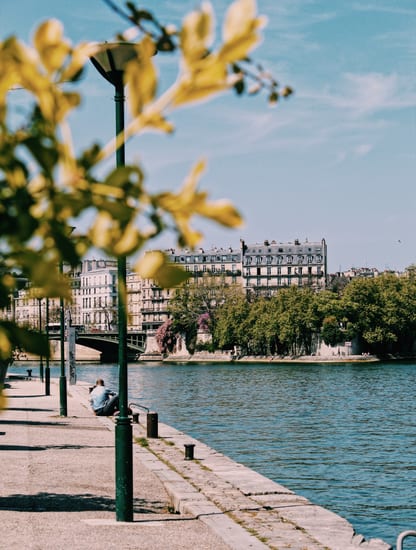
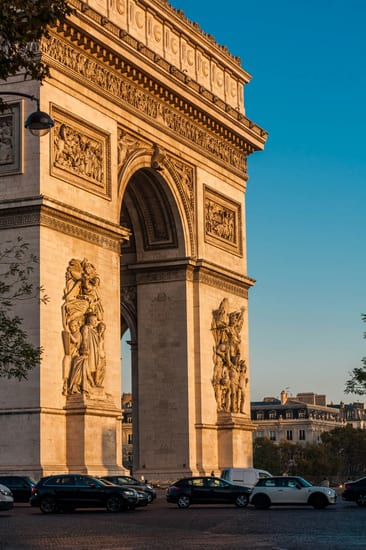
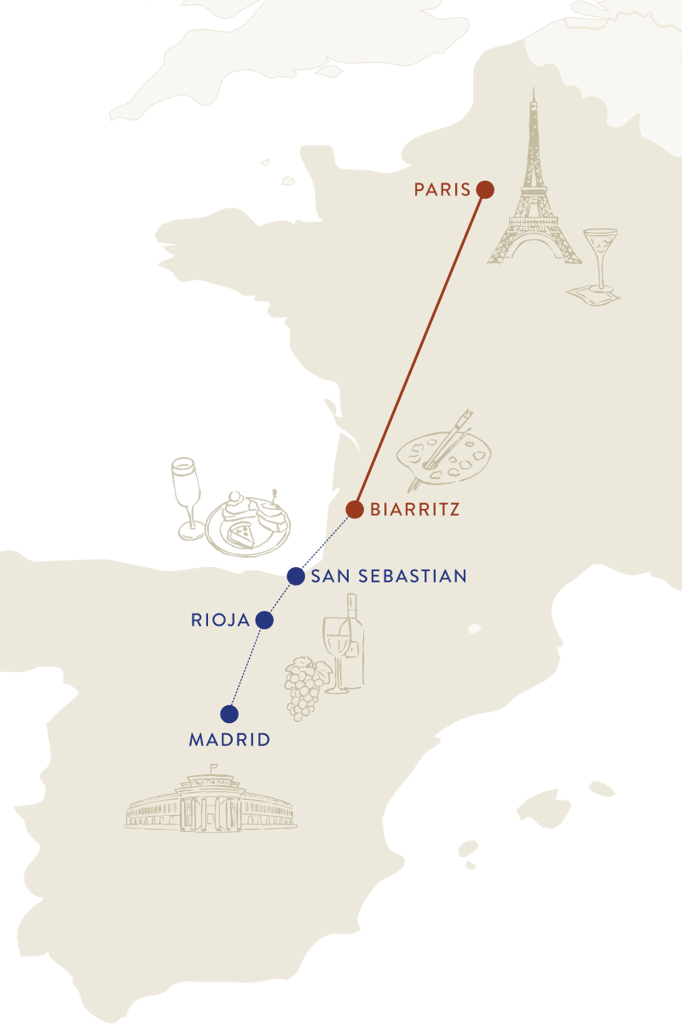
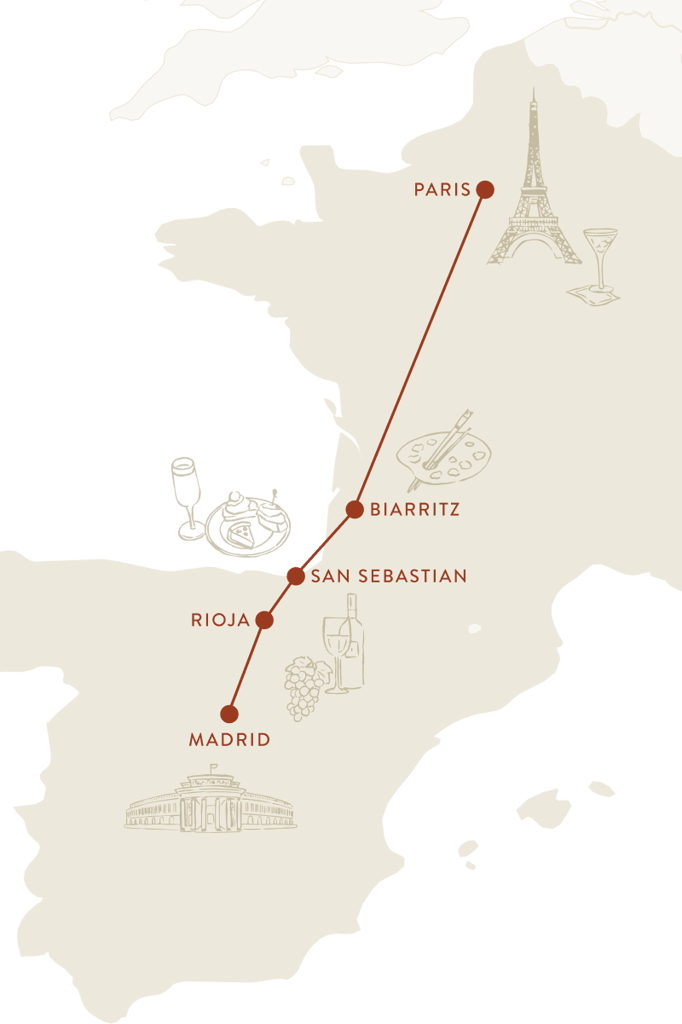
The “city of light” belonged to the Lost Generation. They clung to its bars, bookshops and boltholes with a heady abandon, feeling like it was the center of the world. It was here that Hemingway – in cold rented rooms and cafés – put pen to paper, where Gabrielle Chanel styled and sewed, where Picasso reimagined what painting could look like. The traces of their world are still here, if you know where to find them. You’ll have three days to unravel it. Slowly.
Biarritz
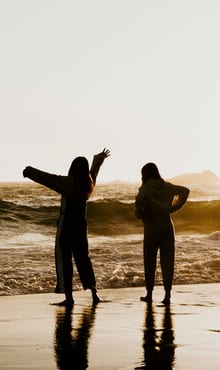
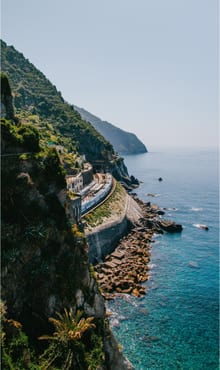
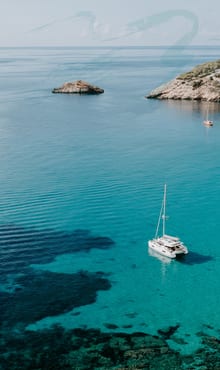
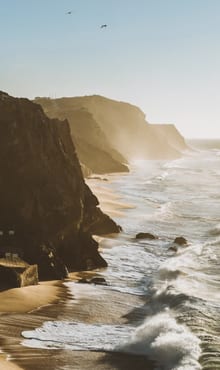
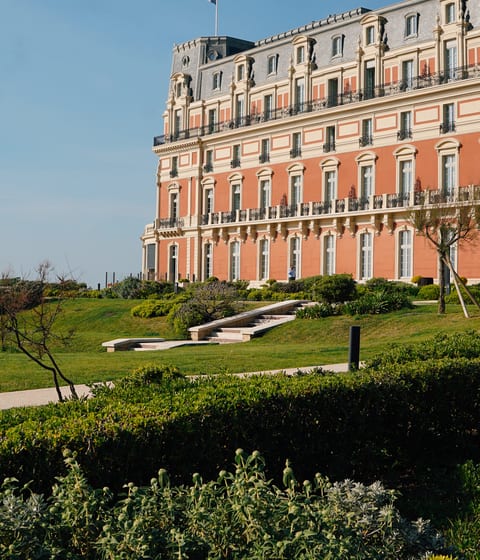
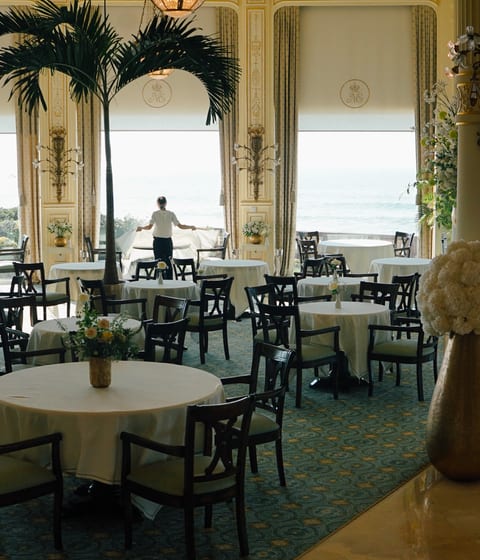
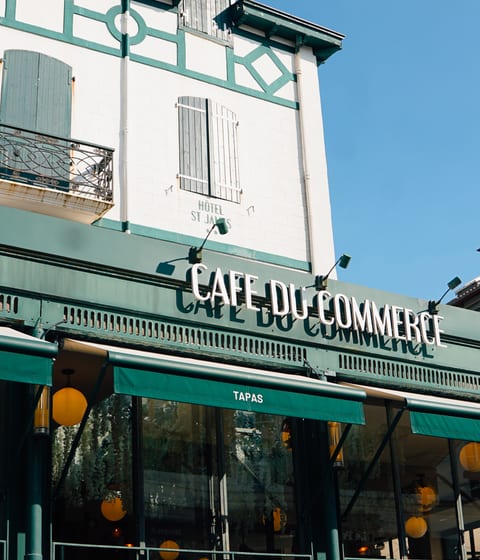
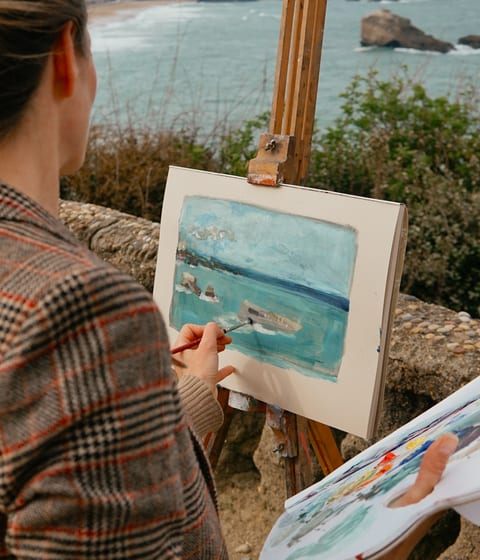
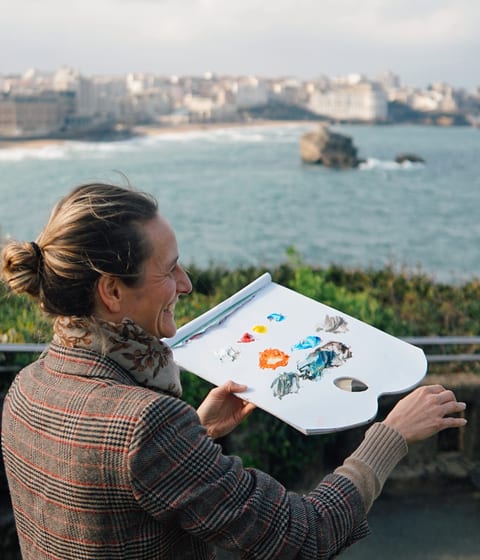
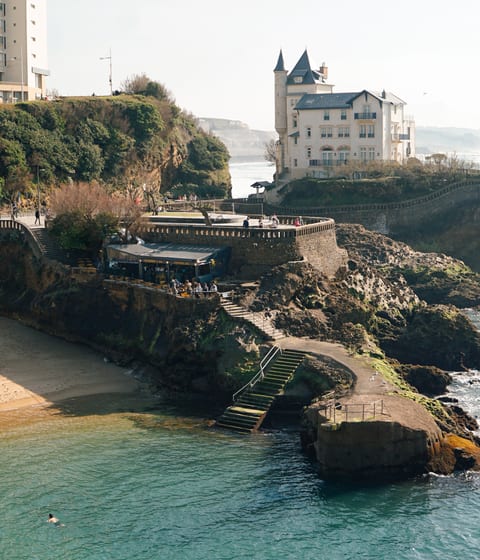
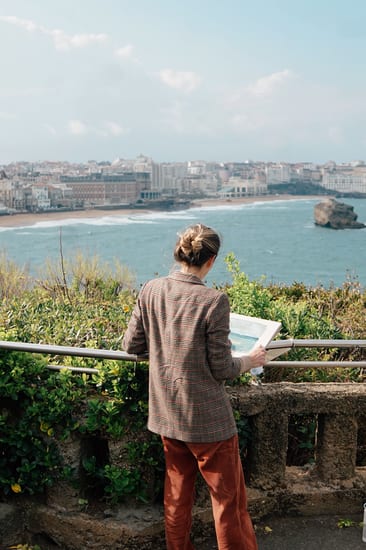
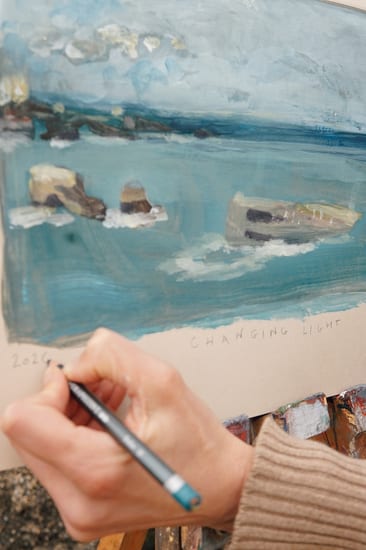
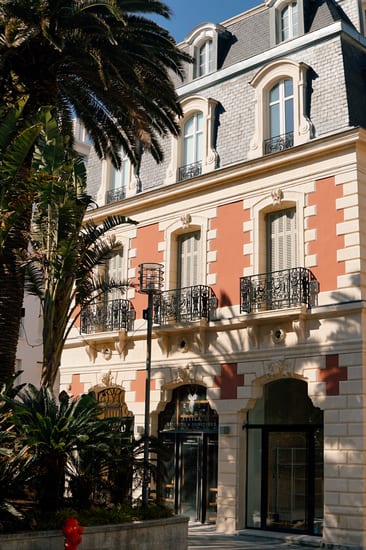
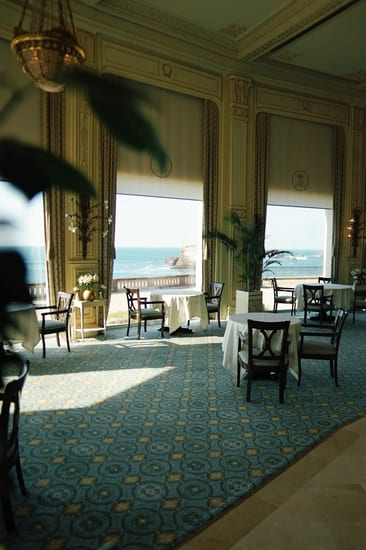
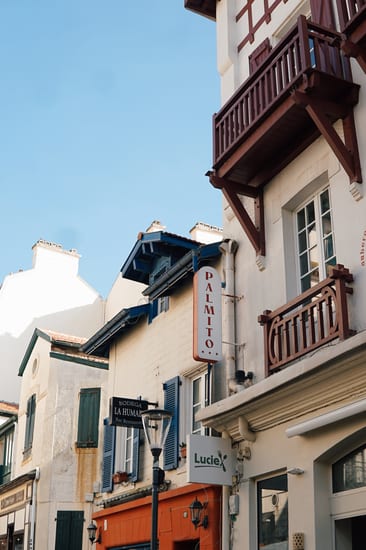
Biarritz – that legendary stretch of Basque coastline – is where the Lost Generation summered, loved and kindled their inspiration. Chanel opened her first couture house here in 1915. Picasso honeymooned in 1918, painting in that soft coastal light that illuminates the seafront. The same Belle Époque architecture stands here as it did then, just as the Atlantic still breaks dramatically against the rocks below. Nothing much has changed over a century. But why change perfect?
San Sebastián
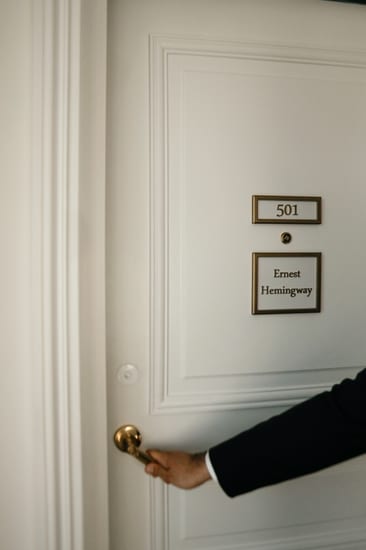
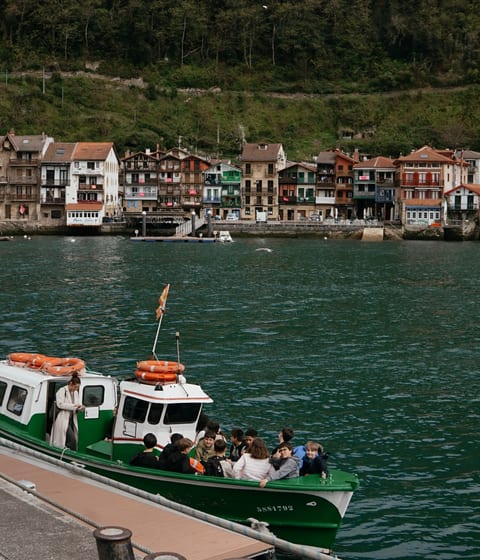
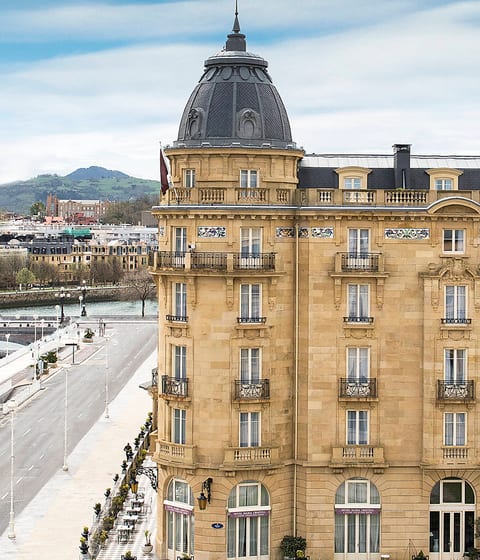
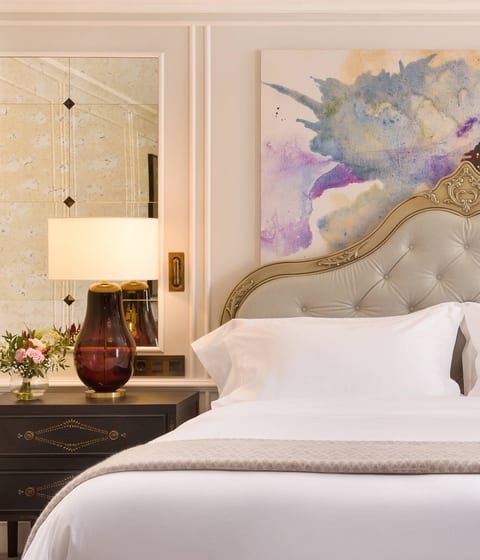
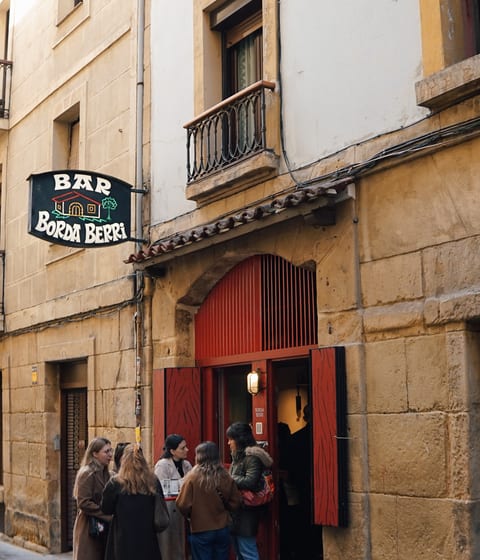
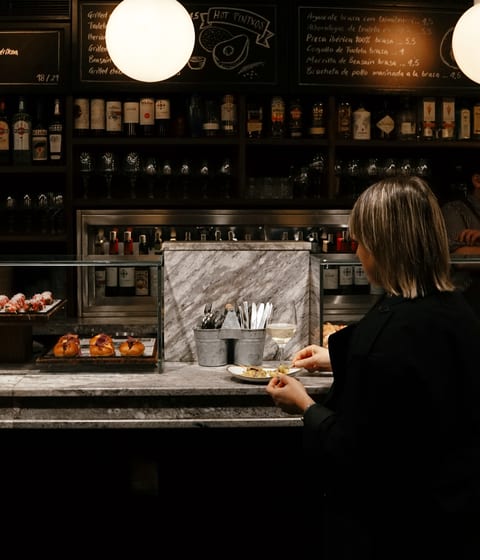
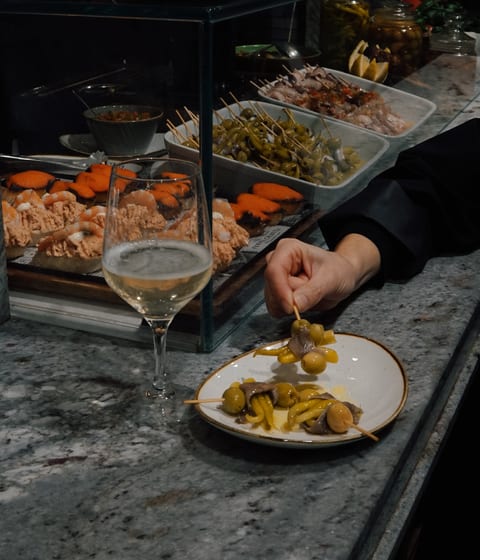
San Sebastián is outrageously elegant. It sweeps, embracing the curve of La Concha Bay. This is the cultural, creative and culinary heart of Basque country that Hemingway would fall head over heels for – becoming a regular (at times immovable) fixture at its bars and restaurants. Picasso, meanwhile, would capture the torment and terror of the war that visited the region, while Chanel – with her eye to a softer beauty – chose the city’s María Cristina hotel as the backdrop for her post-war fashion shows.
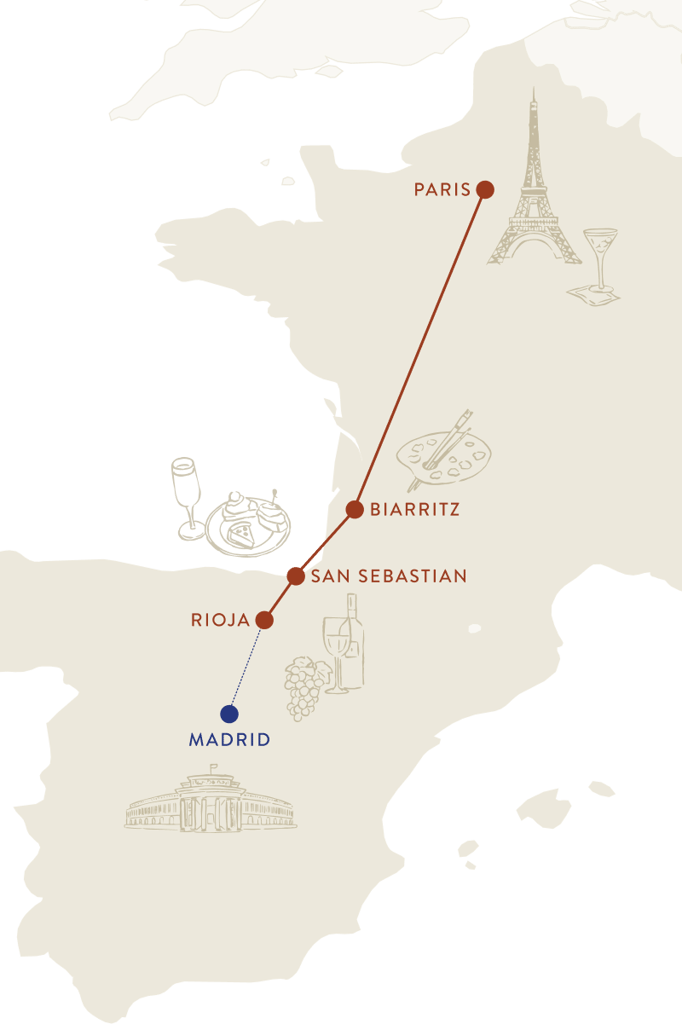
Rioja
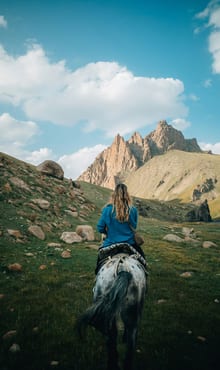
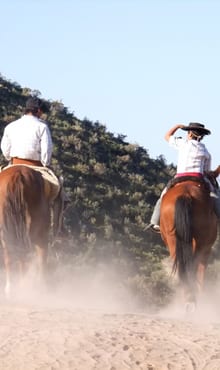
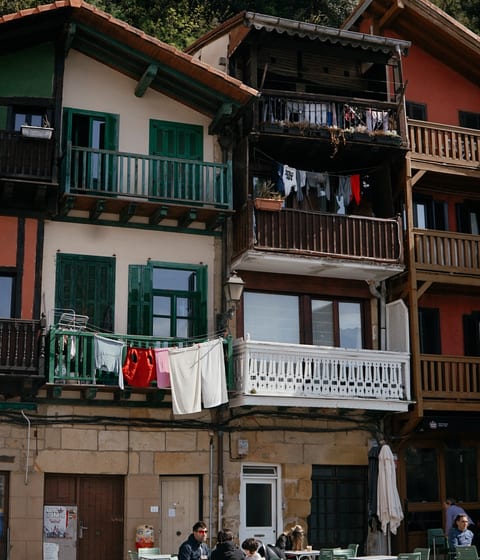
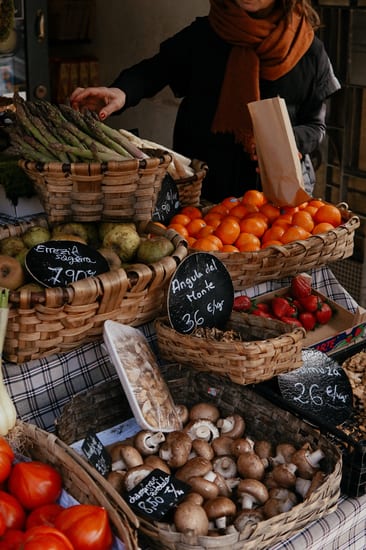
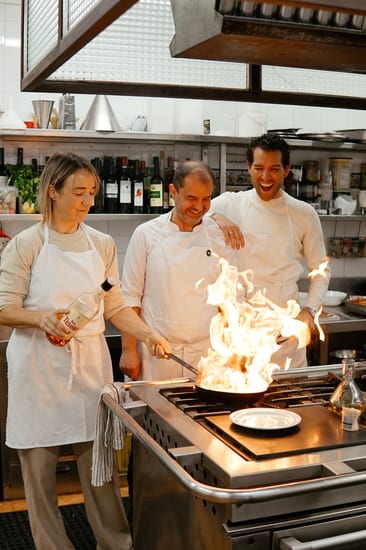
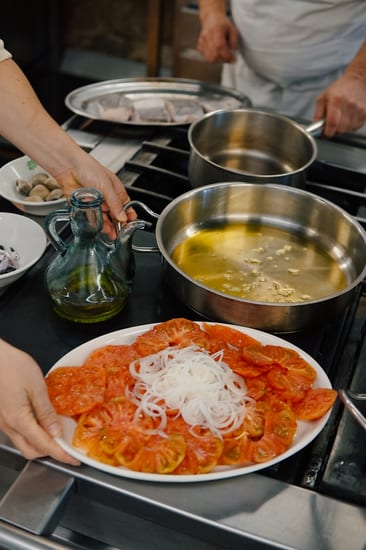
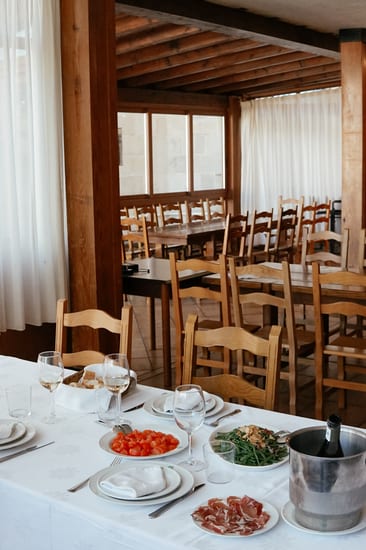
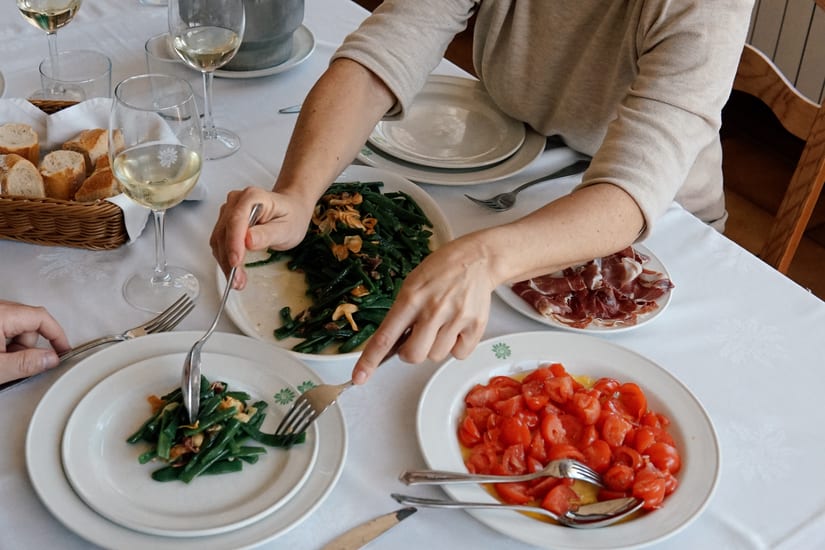
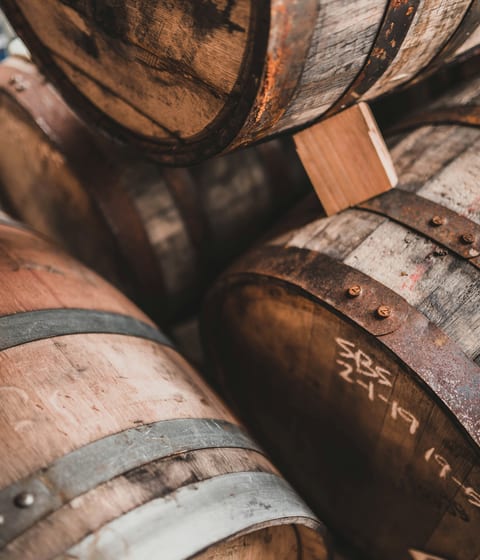
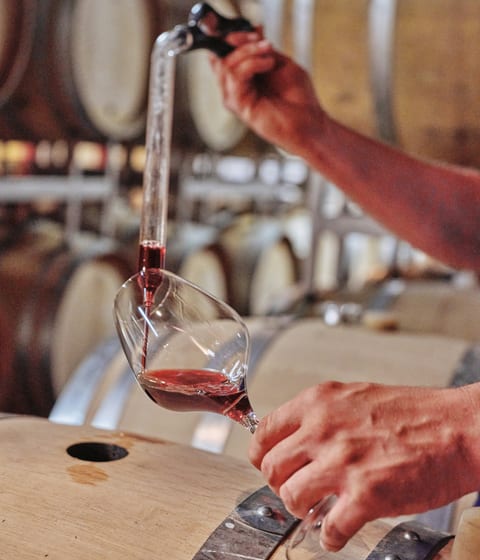
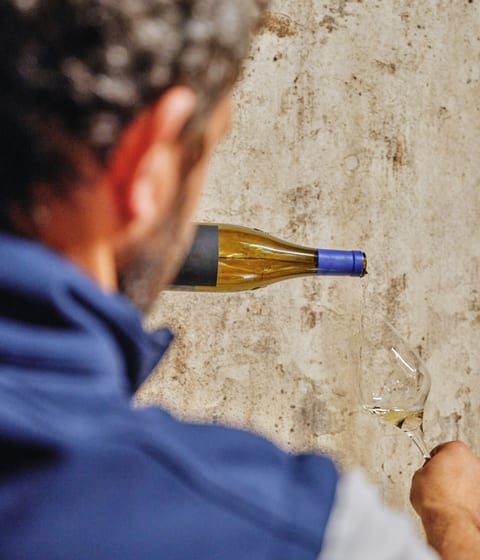
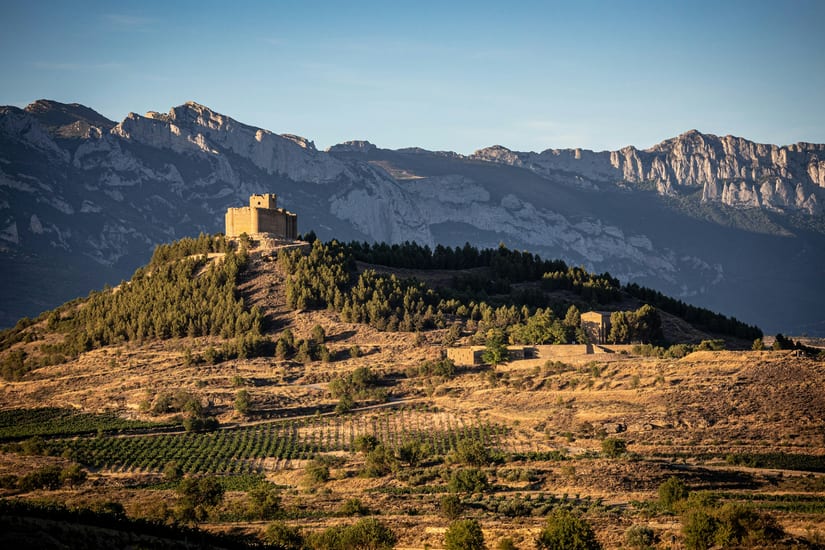
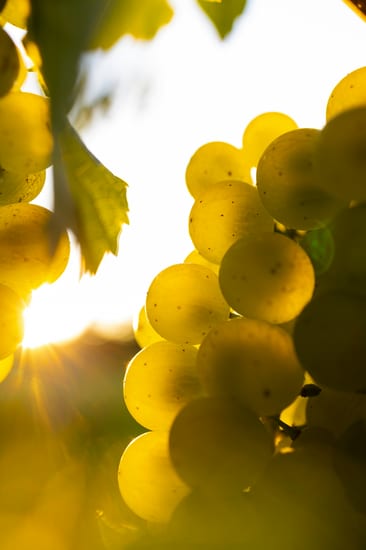
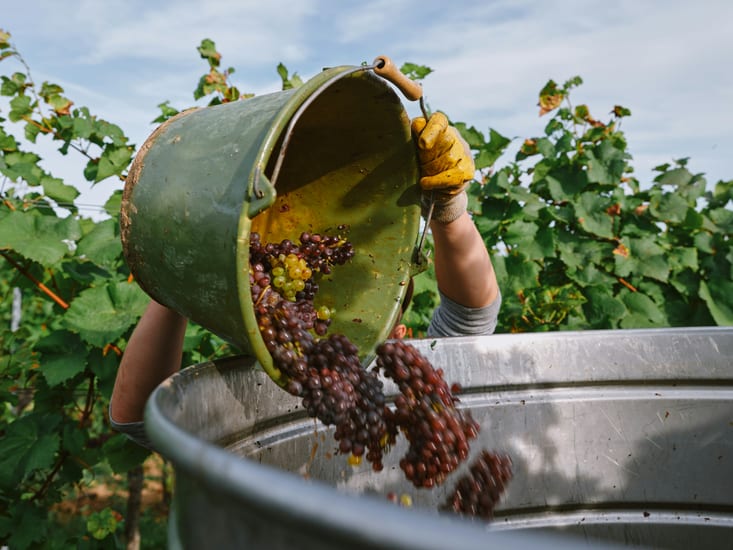
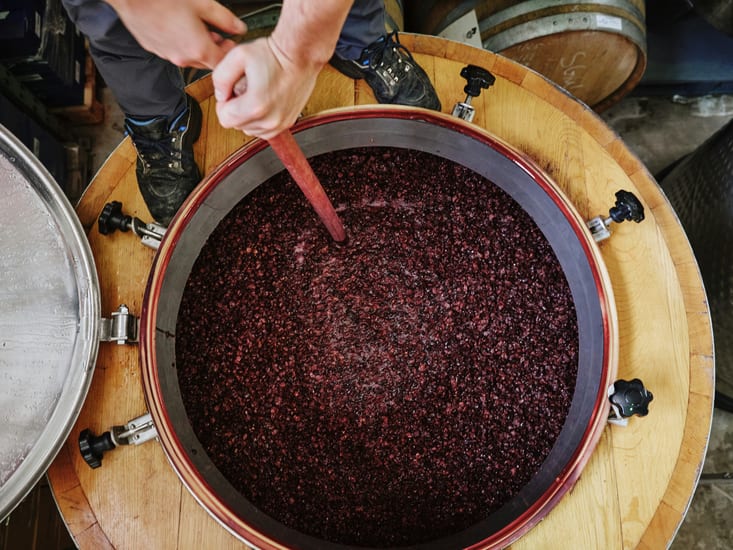
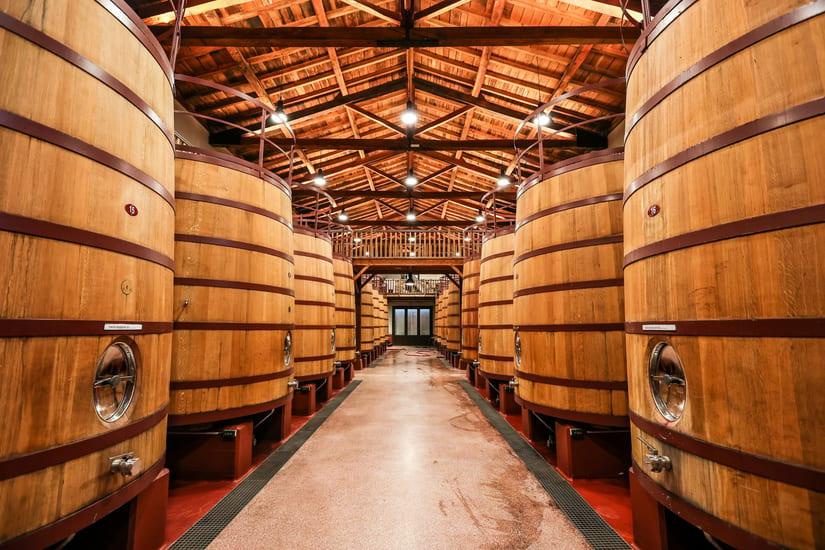
Rioja typifies everything Hemingway loved about Spain: the long lunches, the quiet pleasures, the animated conversation. It is a rustic place. A real place. Rioja – that legendary wine drawn from the bruised-blue grapes of Tempranillo – is the river that flows through everything. It’s what first brought Hemingway here in ‘56 – and it’s what kept him coming back. Picasso – in mourning for his homeland – never once returned after 1934.. For you, Rioja provides a contemplative pause before moving on to your final chapter in Madrid.
Madrid
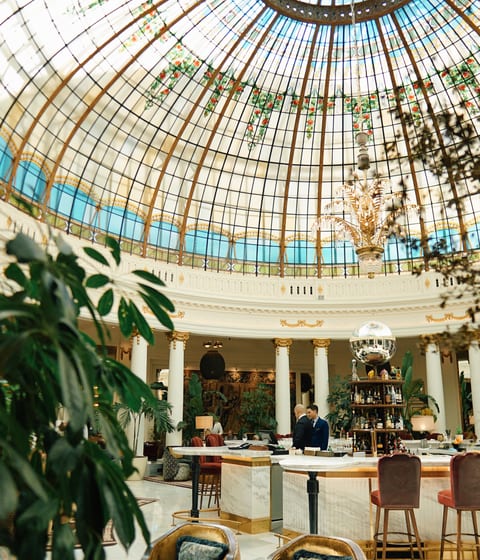
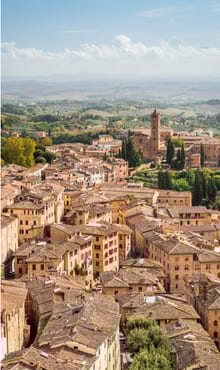
Madrid is our final chapter, where art, power and culture reach their dramatic crescendo. Perhaps that’s why Hemingway returned to this great city again and again. It was certainly where Picasso’s fury and grief clarified into a single, unforgettable canvas, which hangs alongside the world’s greatest collection of Spanish art. It’s a looking place. You can’t not pay attention.