





































Egypt
A Journey into Ancient Egypt
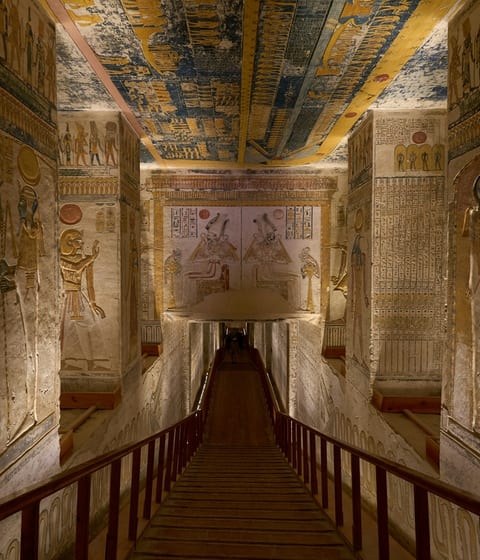
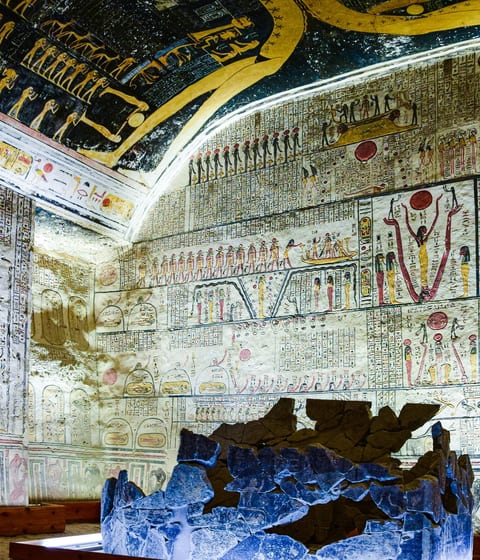
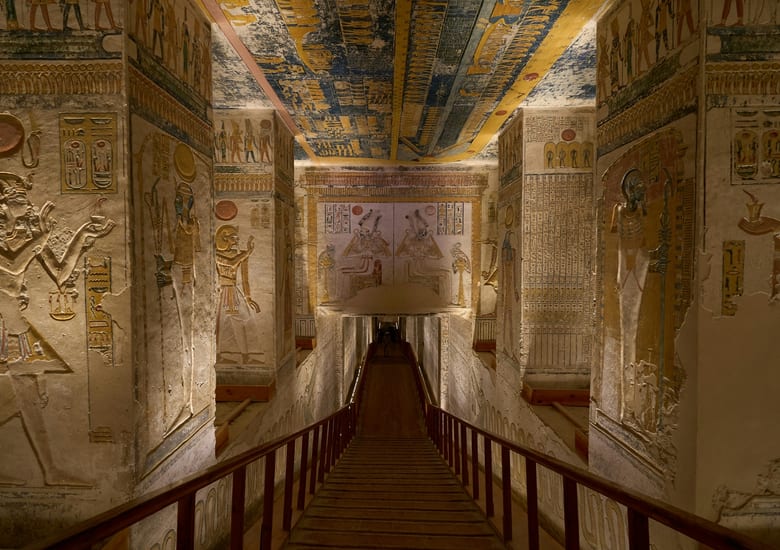
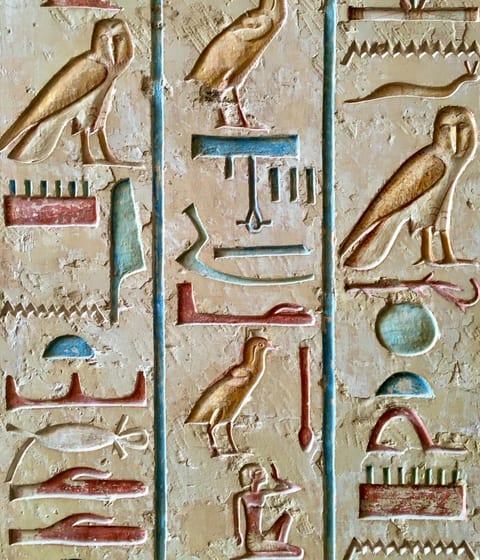
Egypt has a way of making everything else seem small – and very, very young. The Grand Egyptian Museum holds more than 100,000 artifacts. The Pyramids of Giza have stood for four and a half millennia. Inside the tomb of King Seti I, 450 feet of painted limestone corridors were carved before the Roman Empire was even dreamed of.
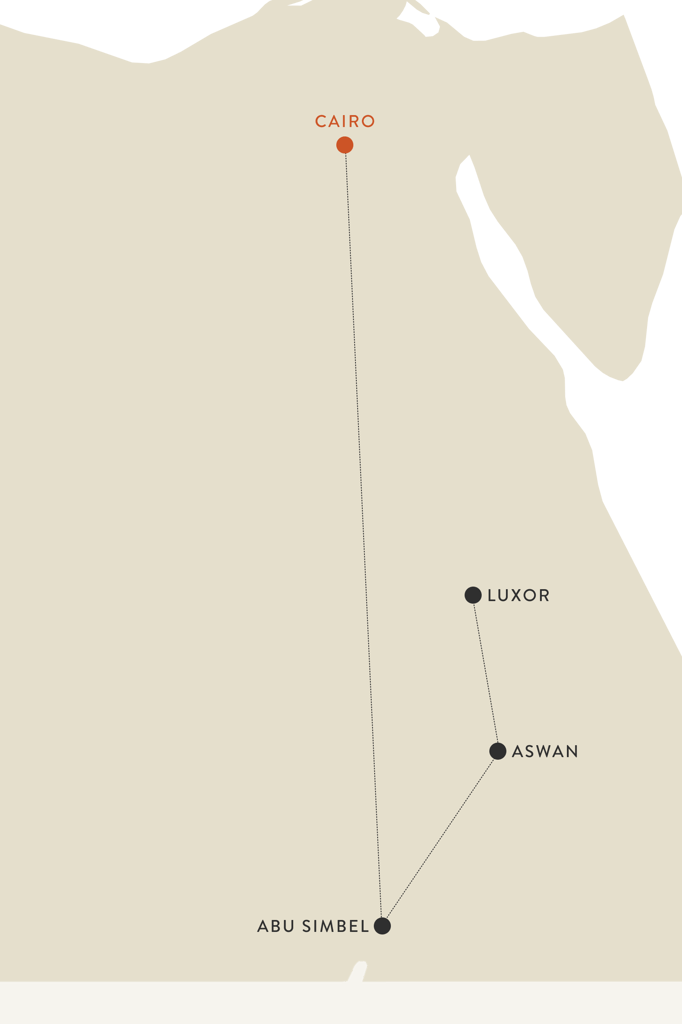
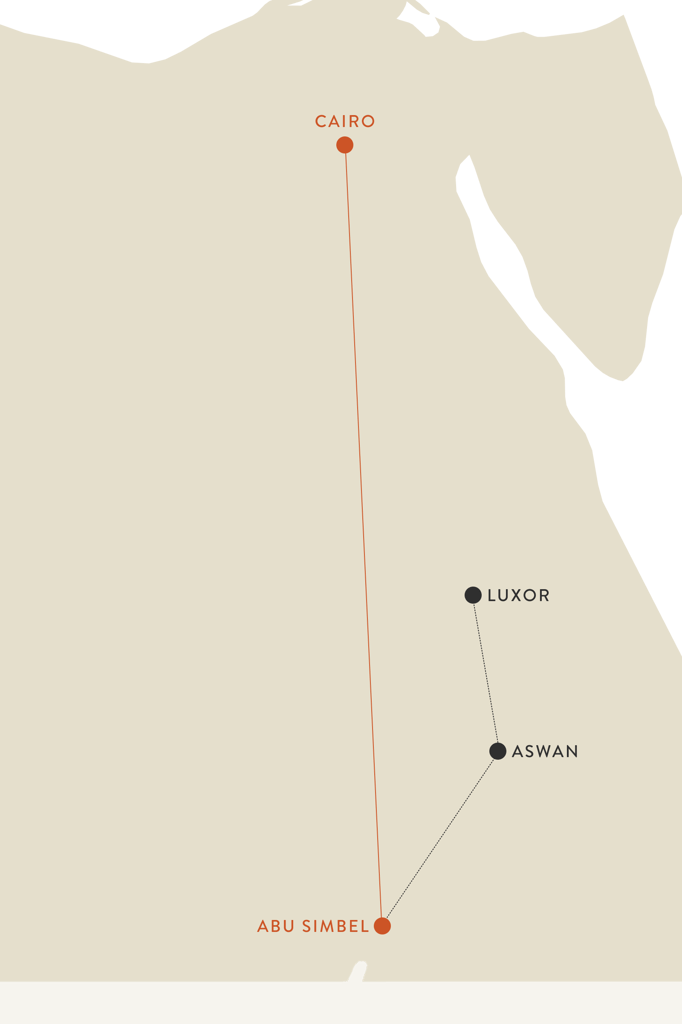
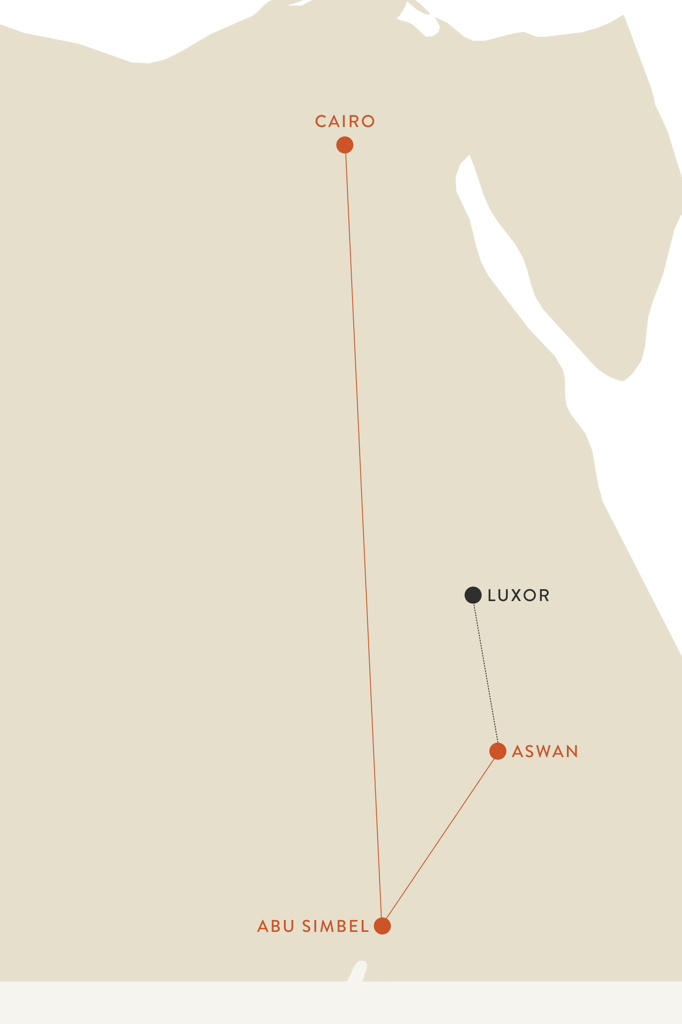
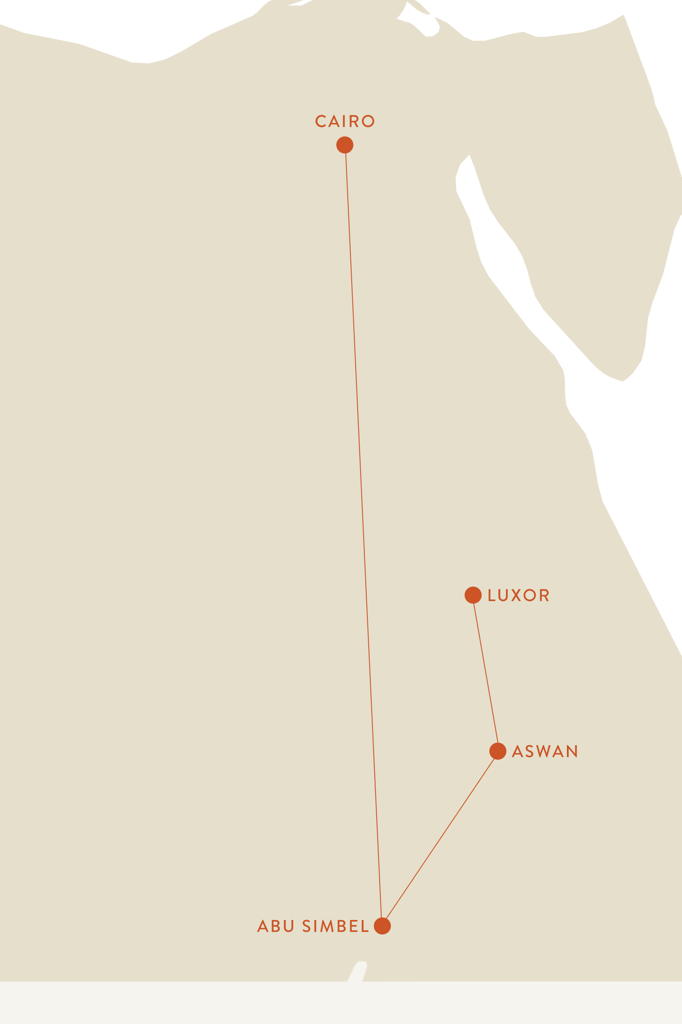
This properly historic journey moves through Cairo, south to Abu Simbel’s colossal rock temples, onto the Nile aboard an intimate 20-guest dahabiya, and into Luxor – where the west bank holds the greatest concentration of ancient monuments on earth. A dedicated Egyptologist will be your guide for every thrilling moment – opening doors (some of them very old) that you wouldn’t have access to in typical Egyptian itineraries.
When
Price
How long
Cairo
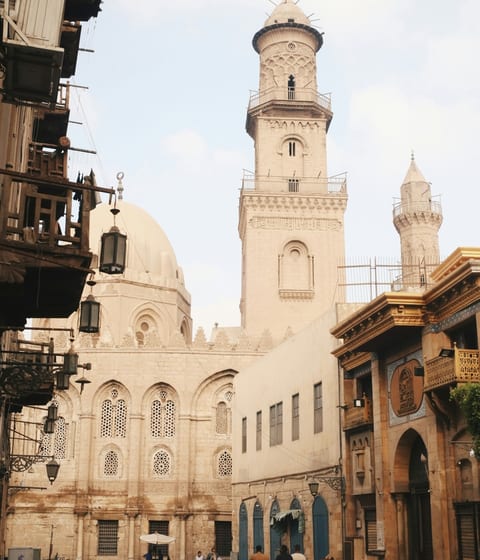
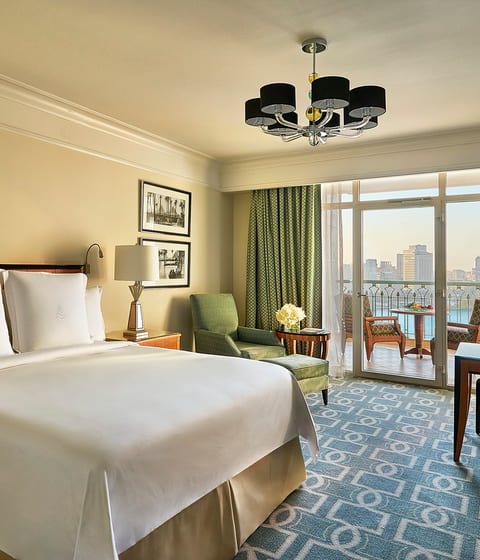
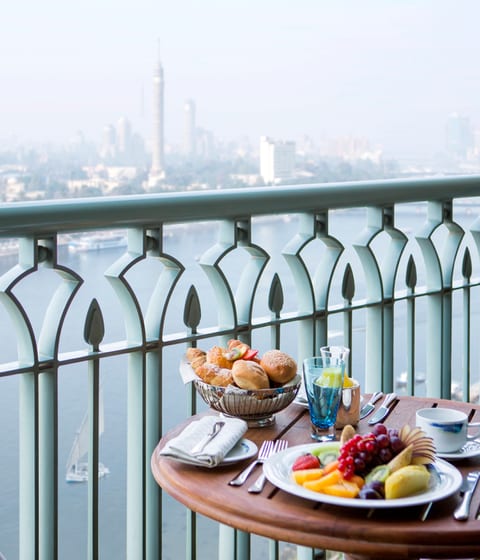
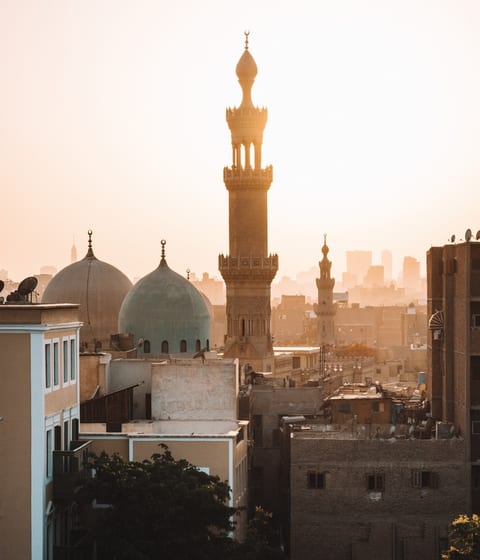
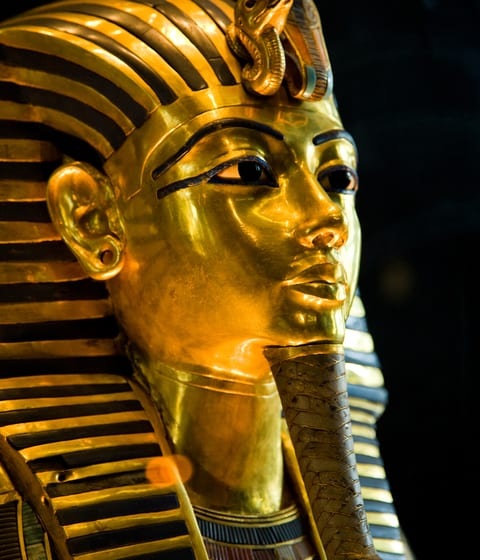
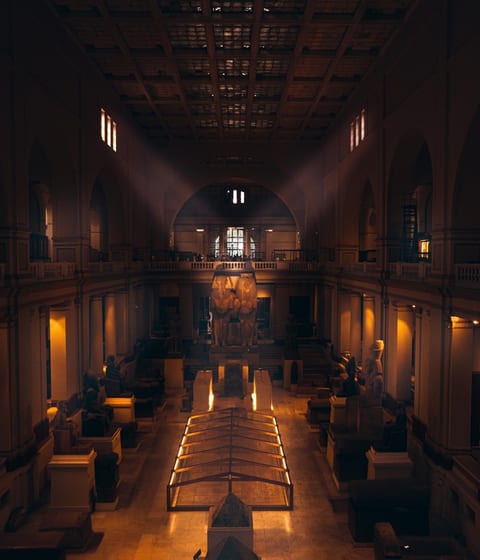
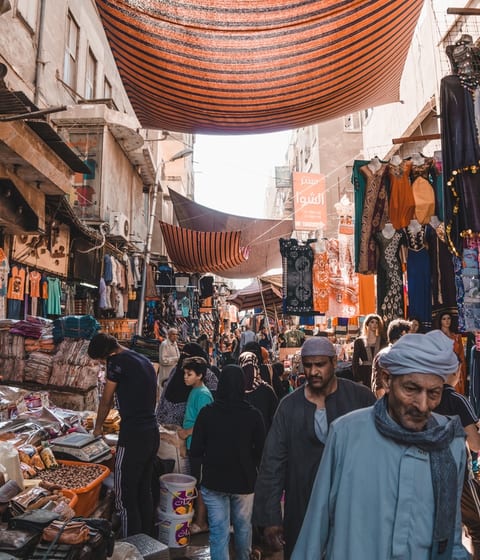
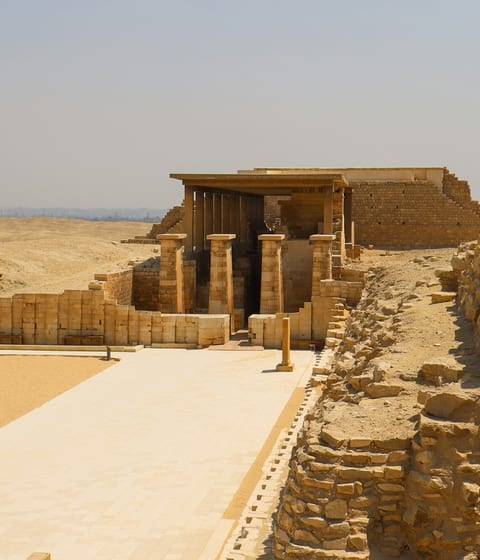
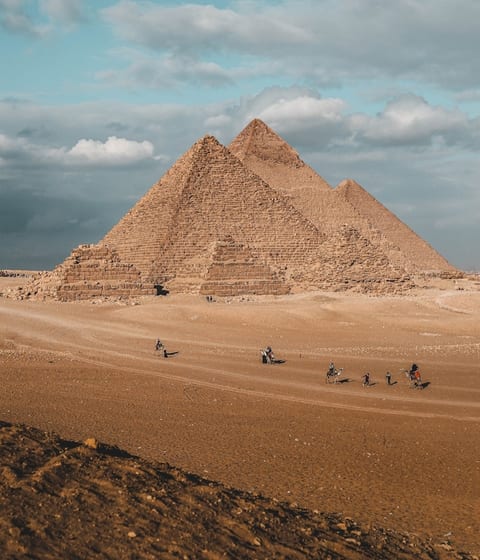
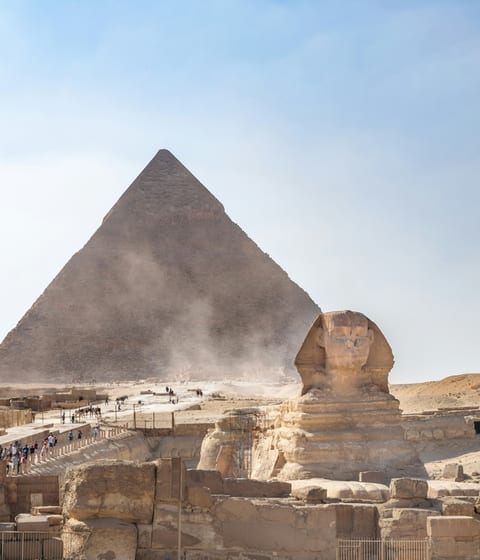
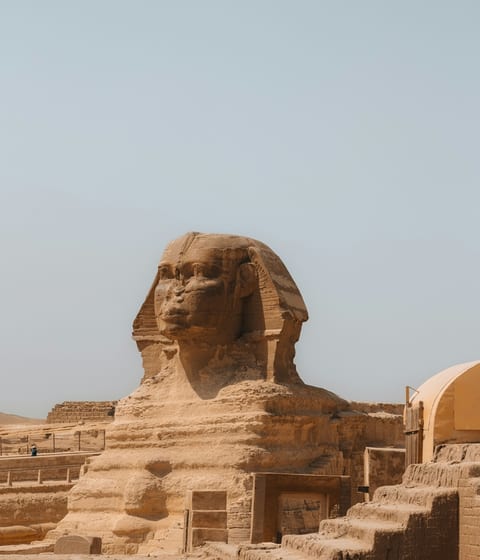
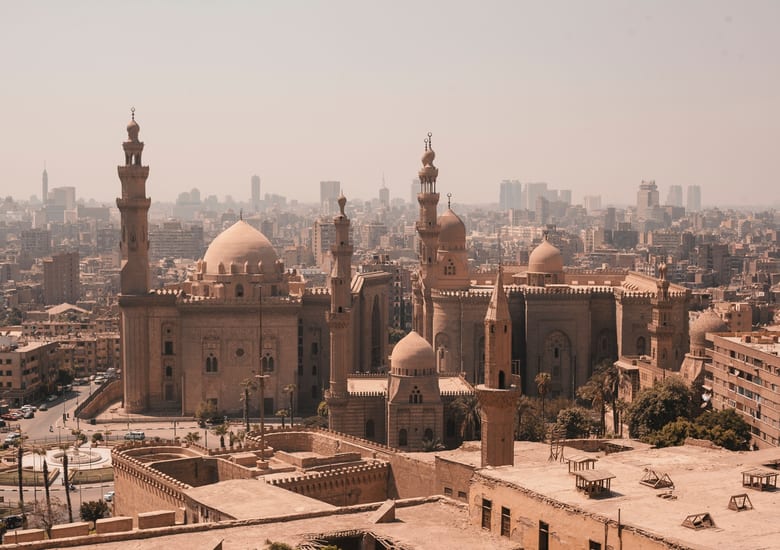
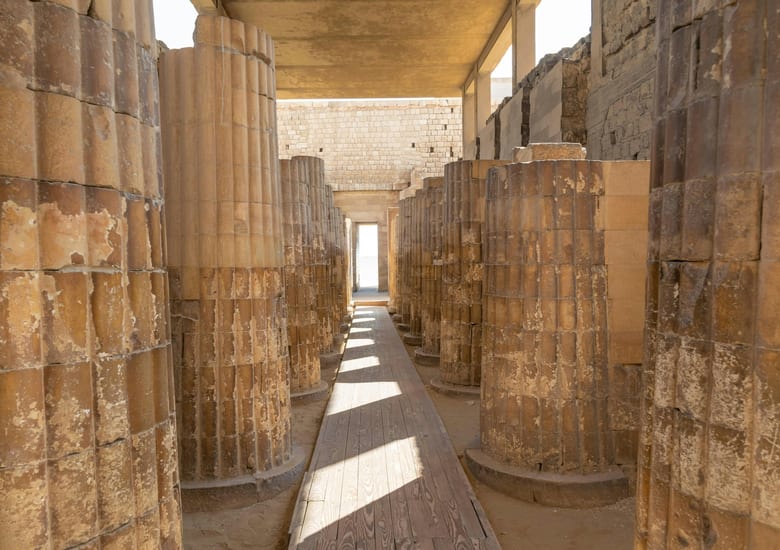
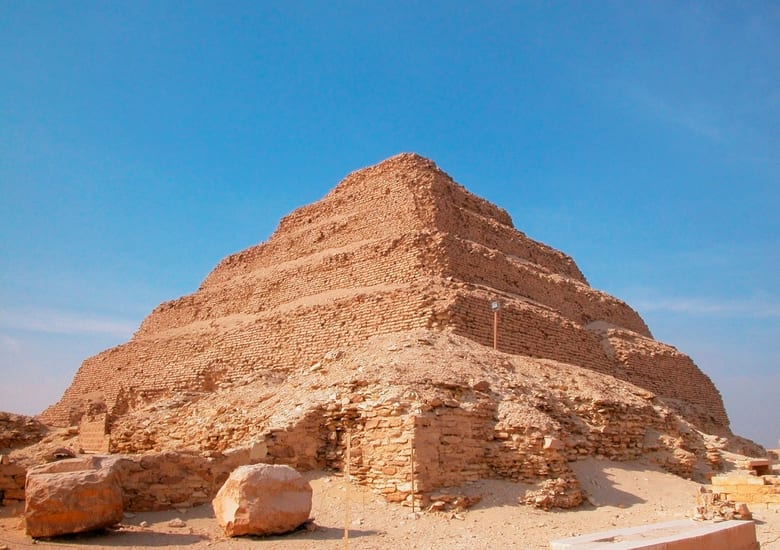
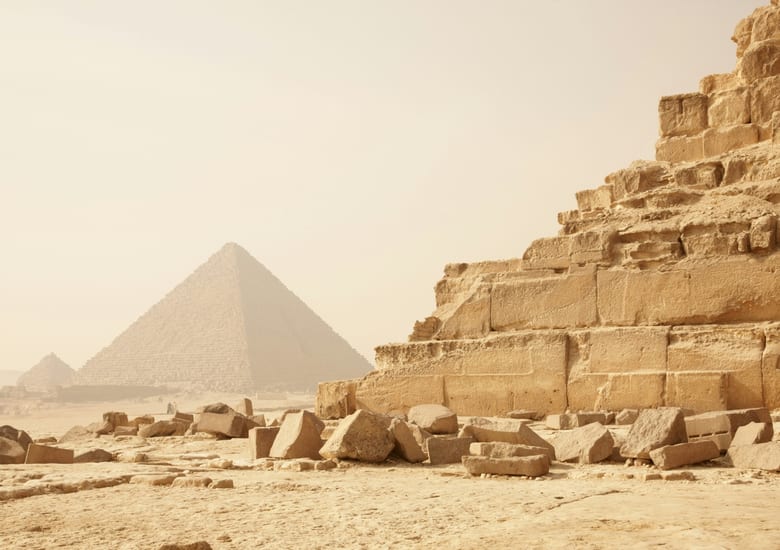
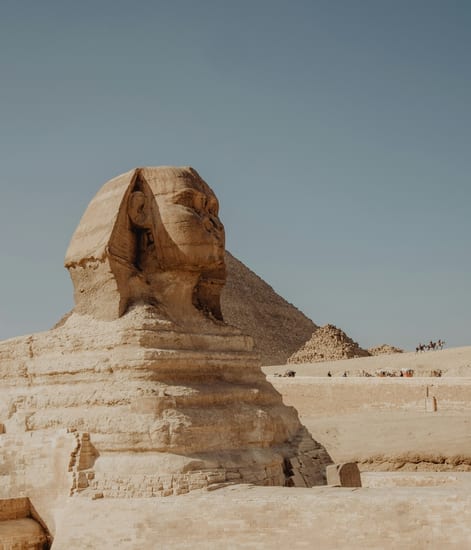
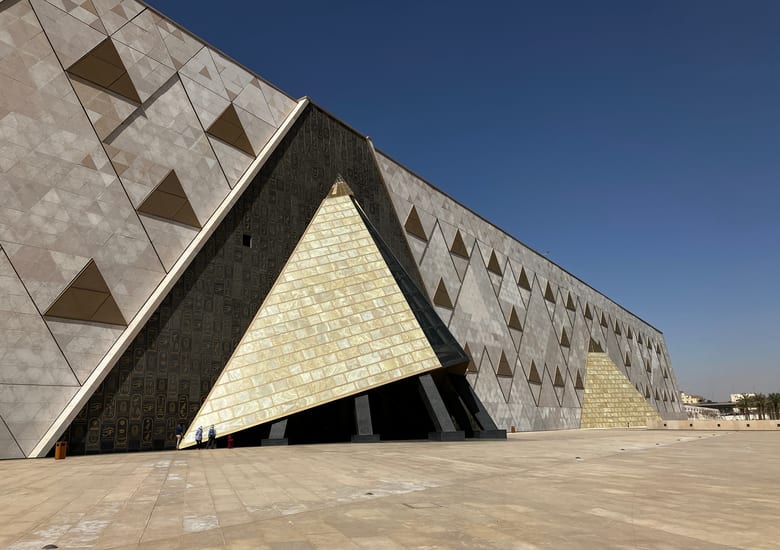
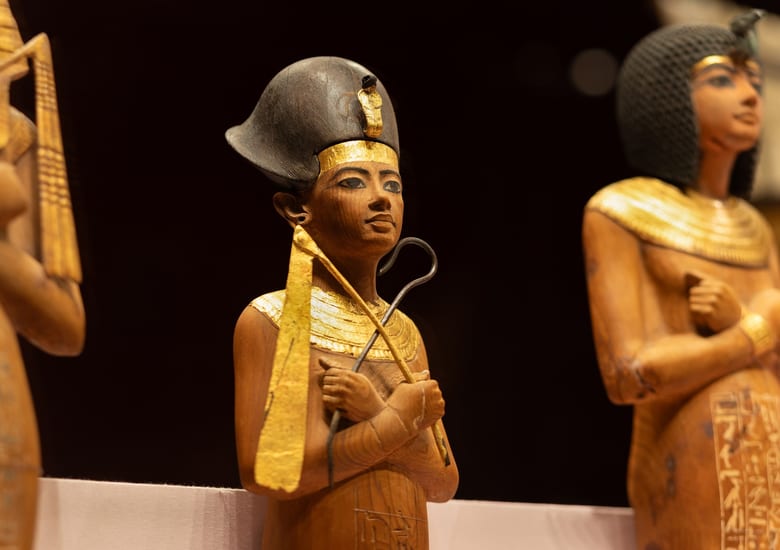
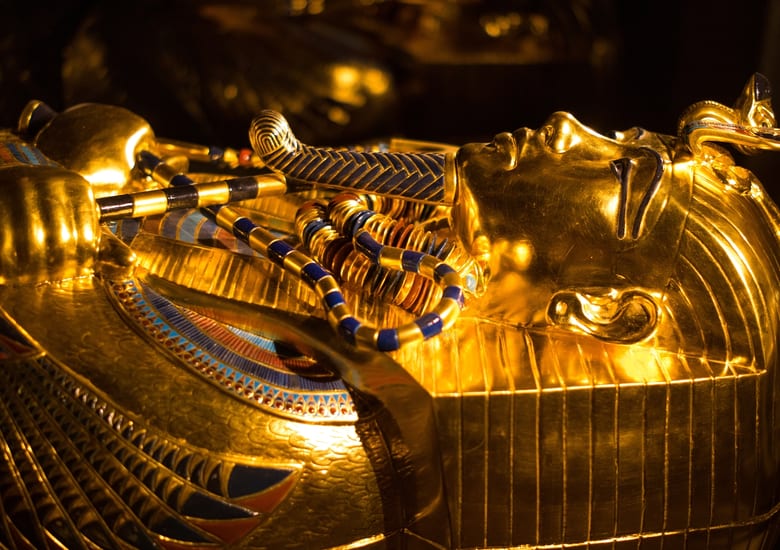
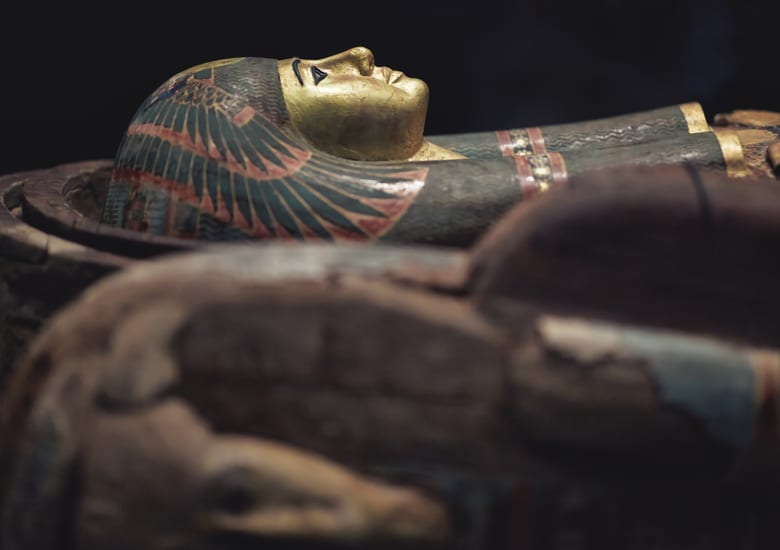
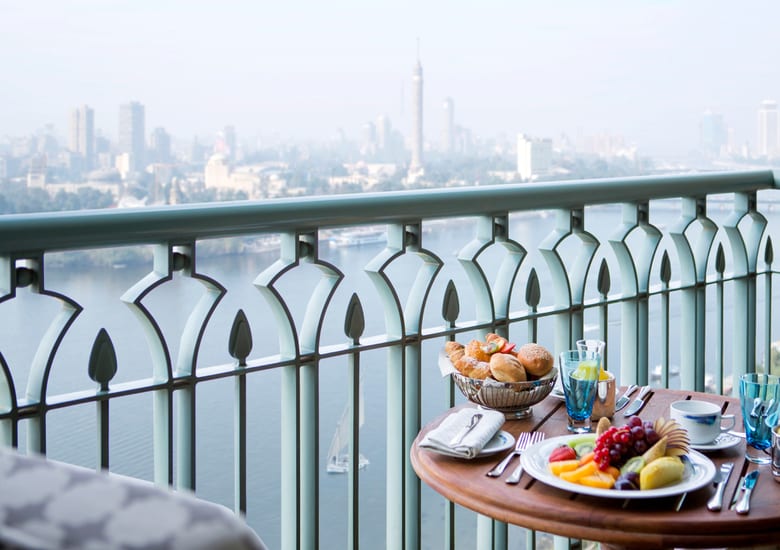
Cairo – grand and sprawling, a layered metropolis – hosts some of the world’s most significant pharaonic and Islamic heritage: the medieval trading houses of the old Islamic quarter, a new museum spanning multiple wings and holding the world’s largest collection of ancient Egyptian artifacts, and a plateau on the city’s western edge where three pyramids have stood since before most of recorded history. For three nights, a dedicated Egyptologist will guide you through a city that can otherwise overwhelm your senses.
Abu Simbel and Aswan
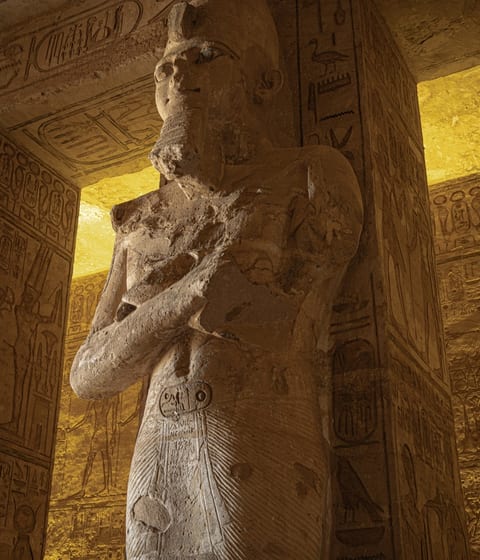
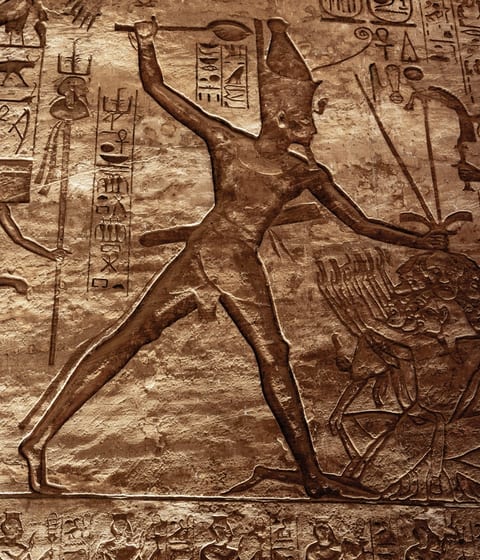
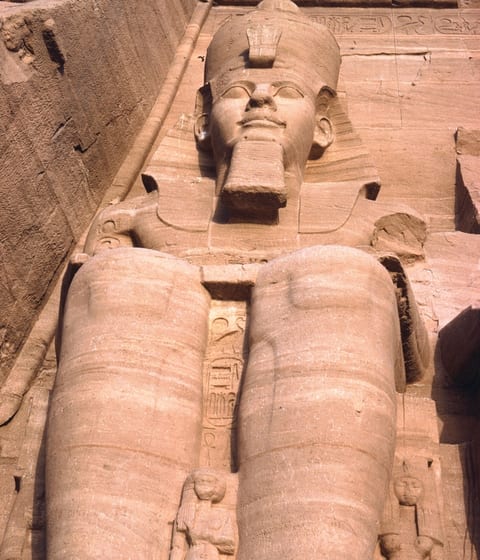
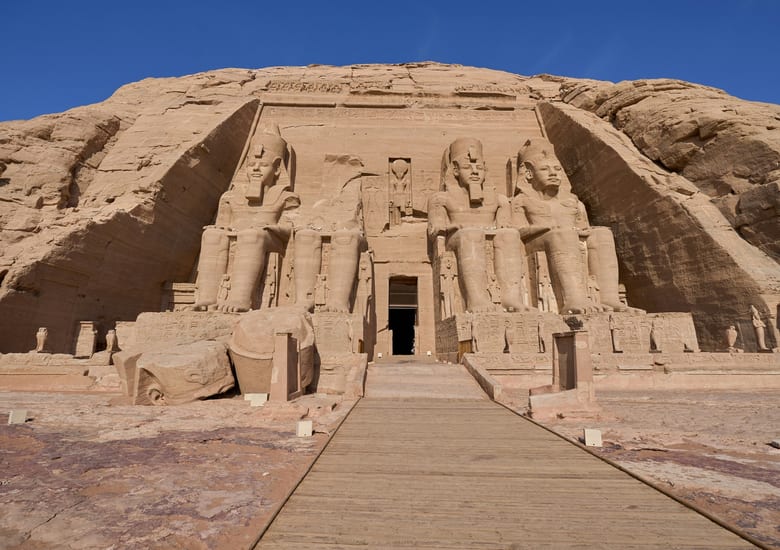
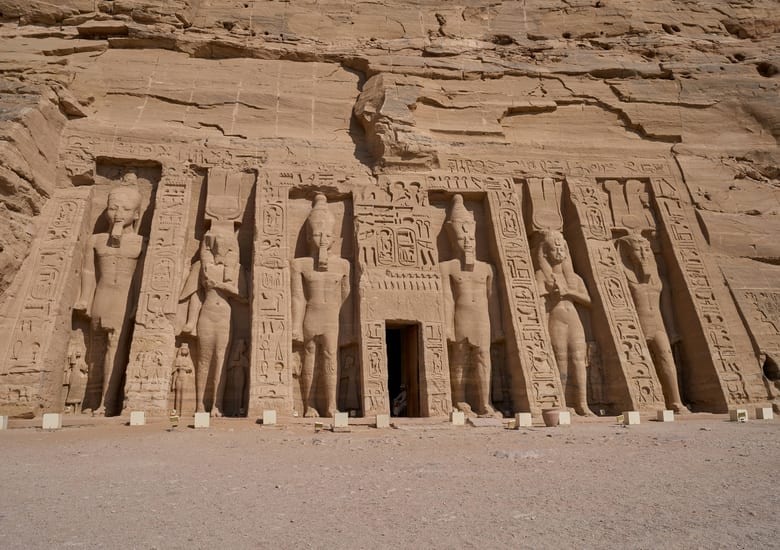
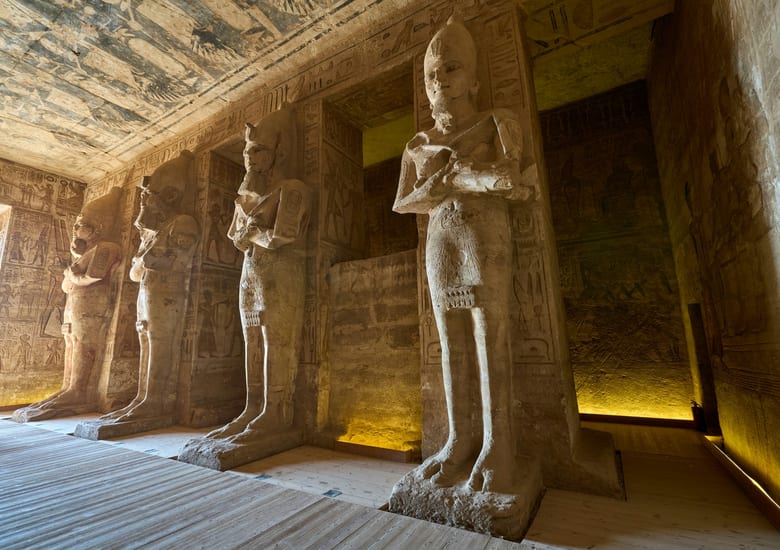
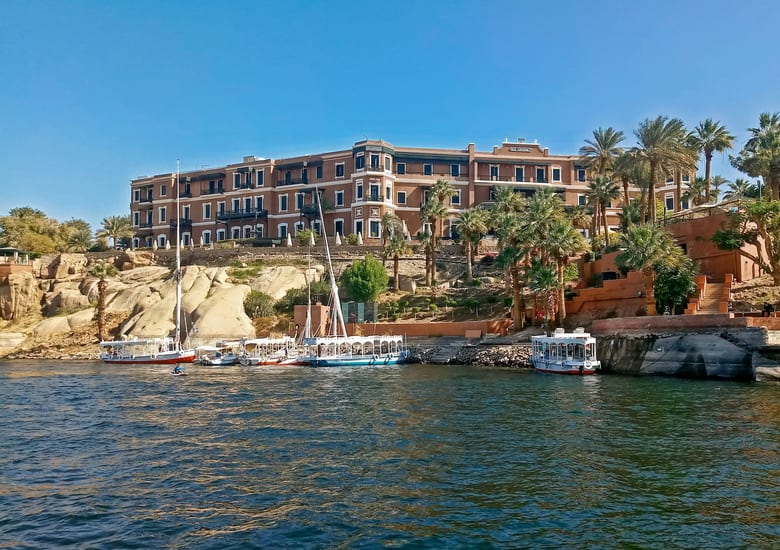
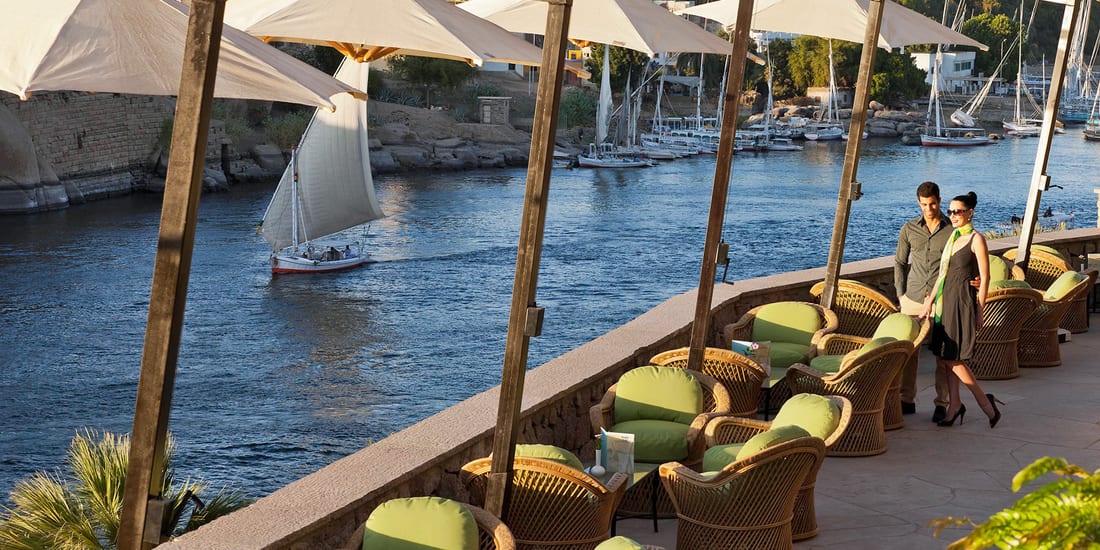
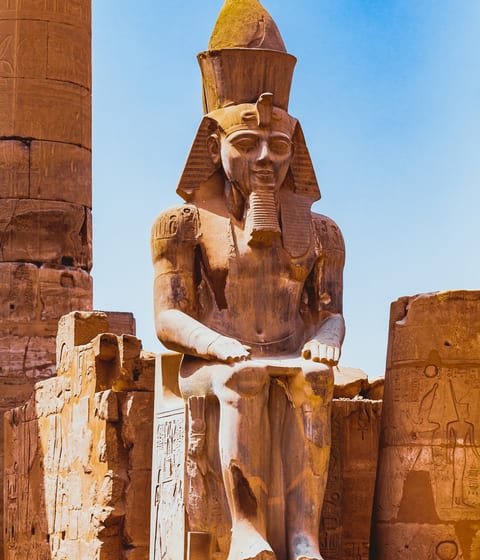
Abu Simbel sits near Egypt’s southern border, and it really does reward the detour. Two massive rock temples carved directly into sandstone, commissioned by Ramses II around 1264 BCE, the site carries a sense of scale and remoteness unlike the Giza plateau. Aswan, a short distance away along the Nile, has its own character: wide river views, quiet streets, and Nubian villages strung along the western bank. Together, these two stops form the gateway to the river journey that follows.
The Nile
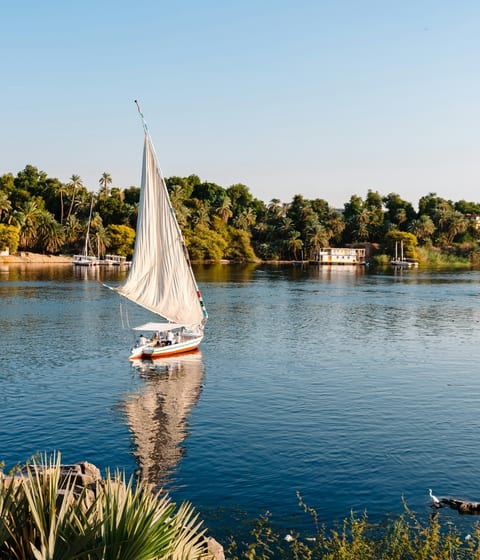
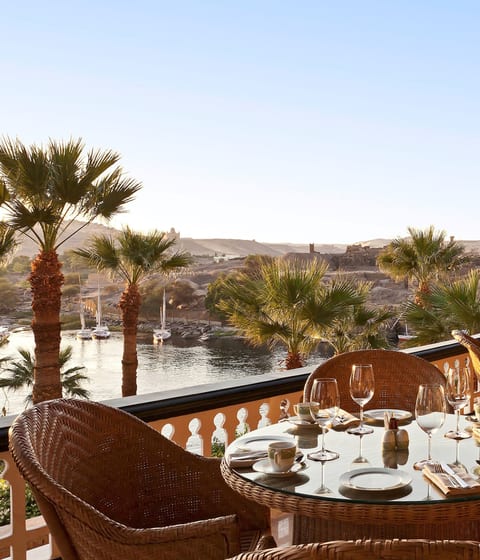
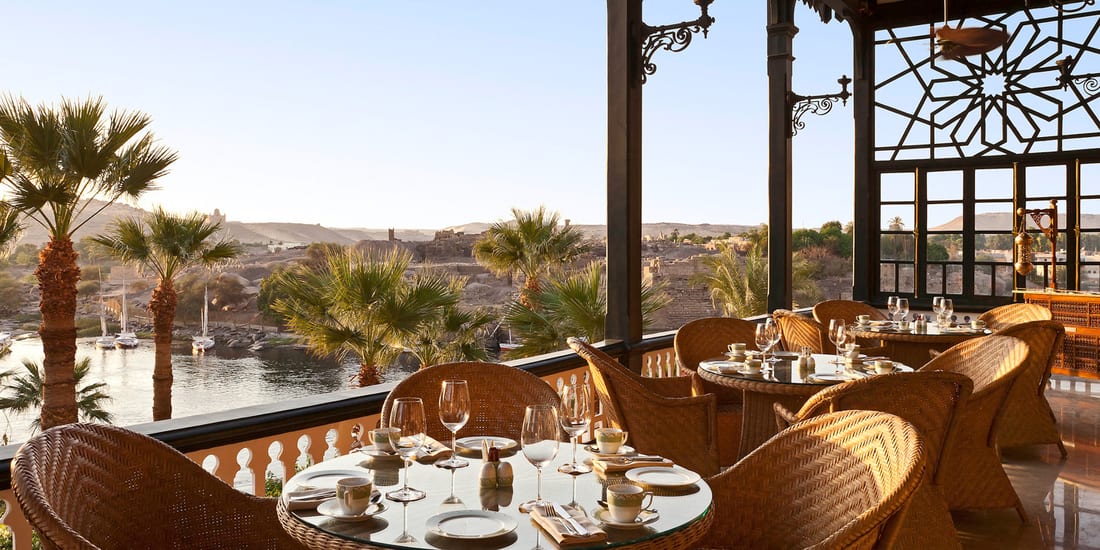
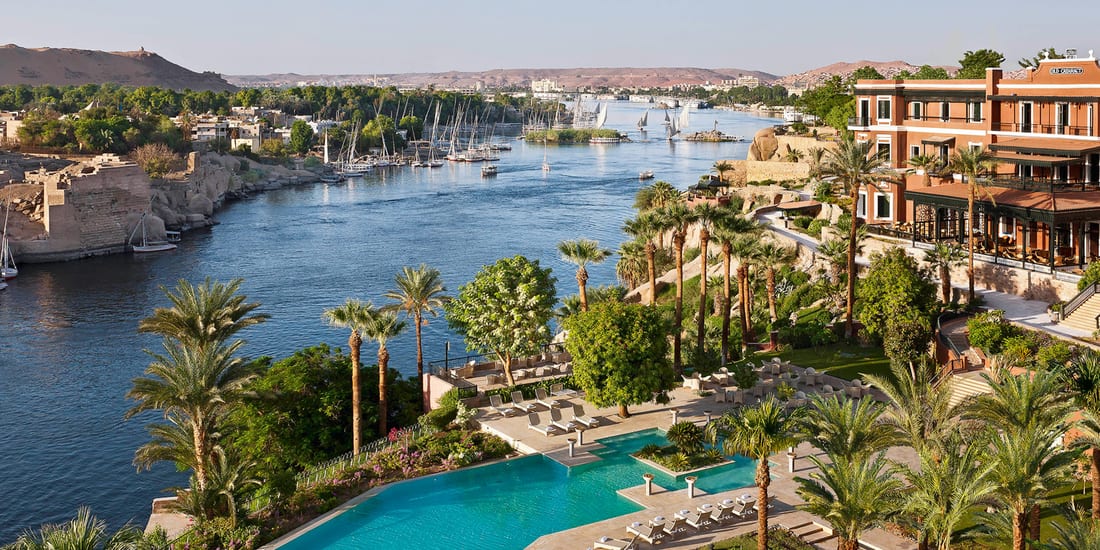
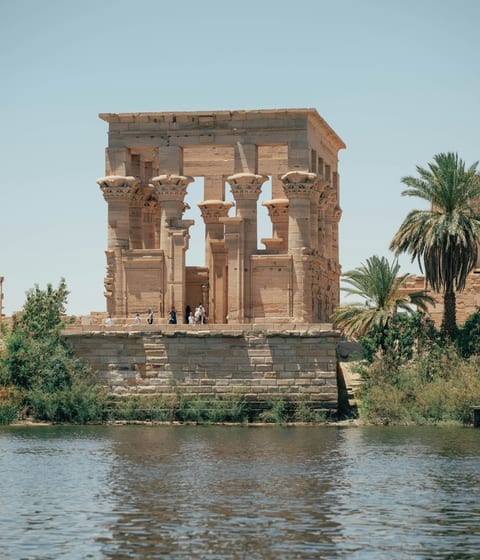
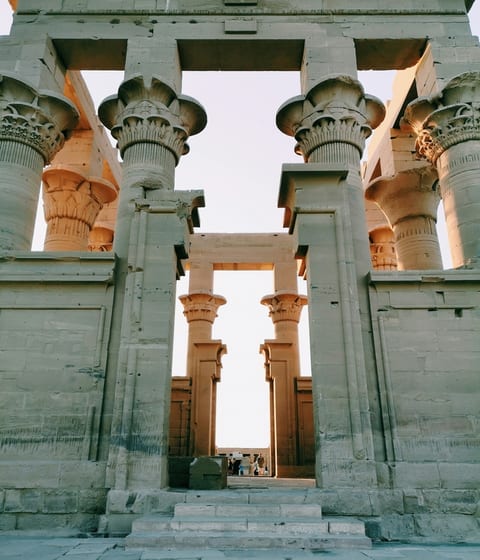
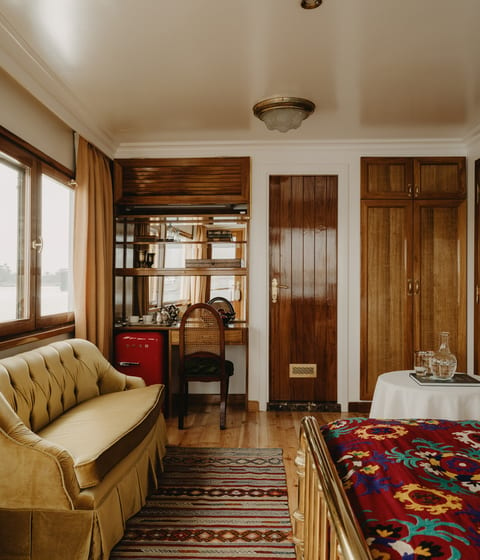
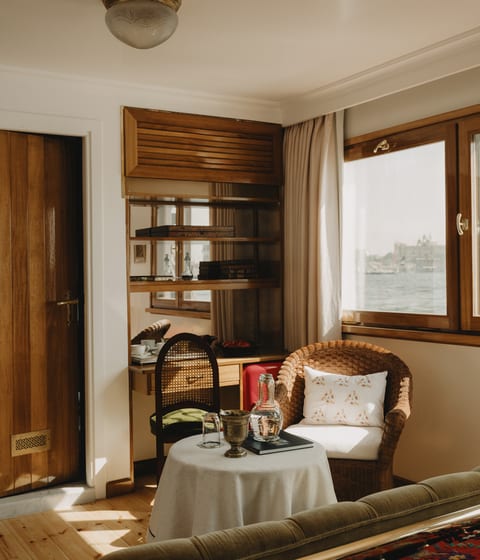
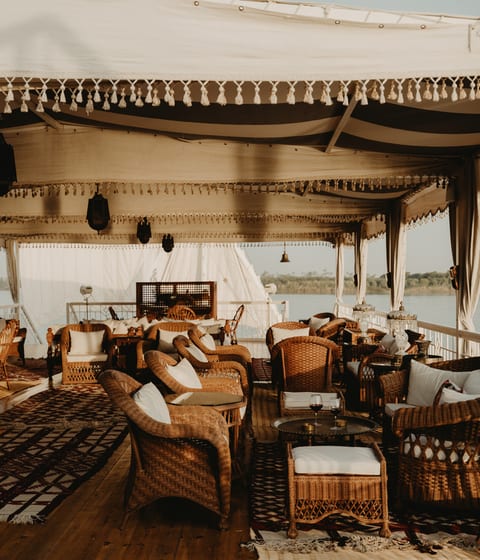
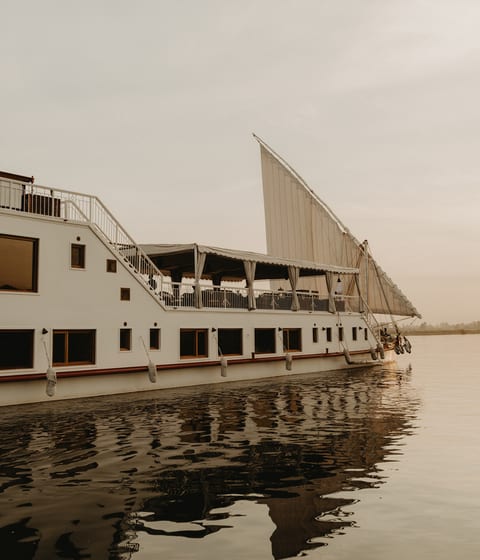
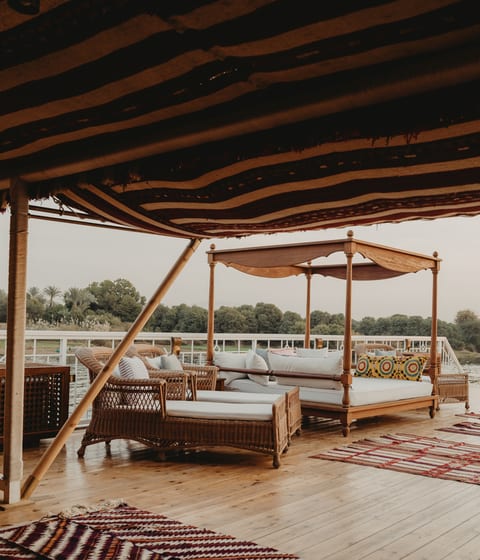
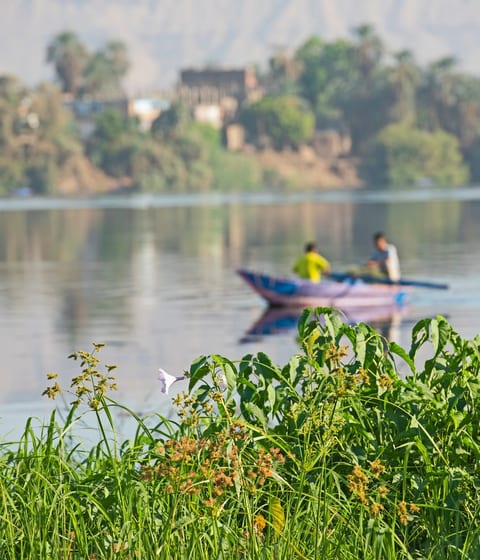
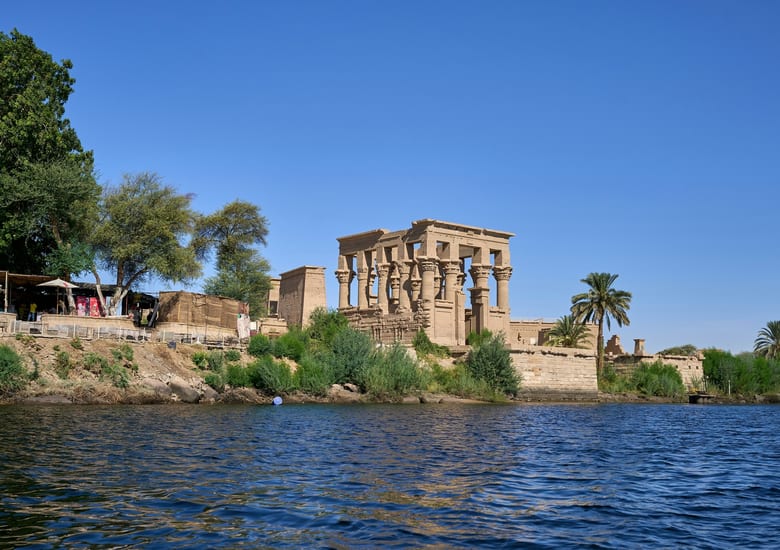
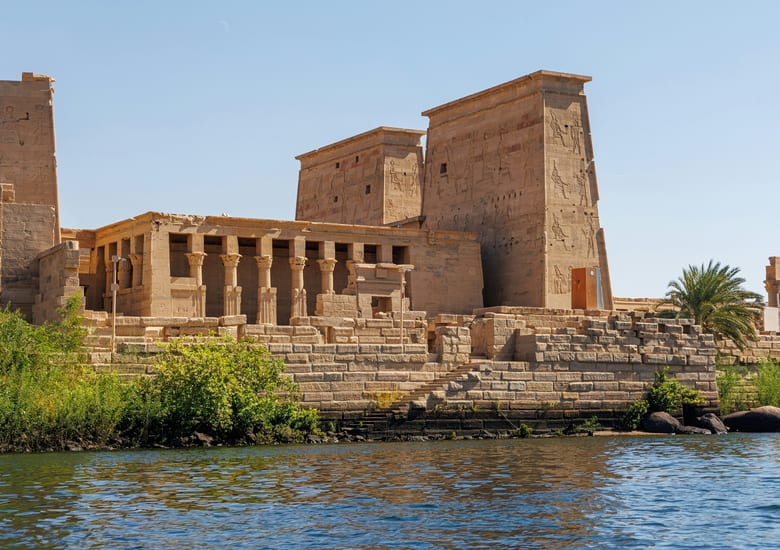
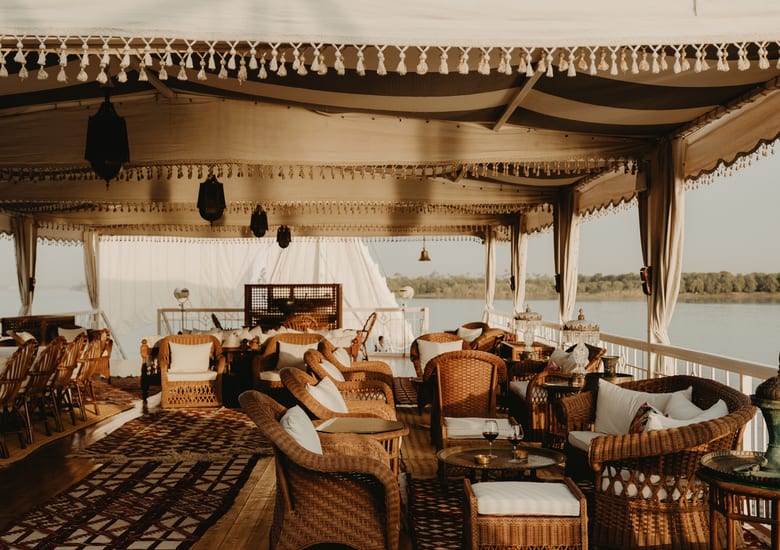
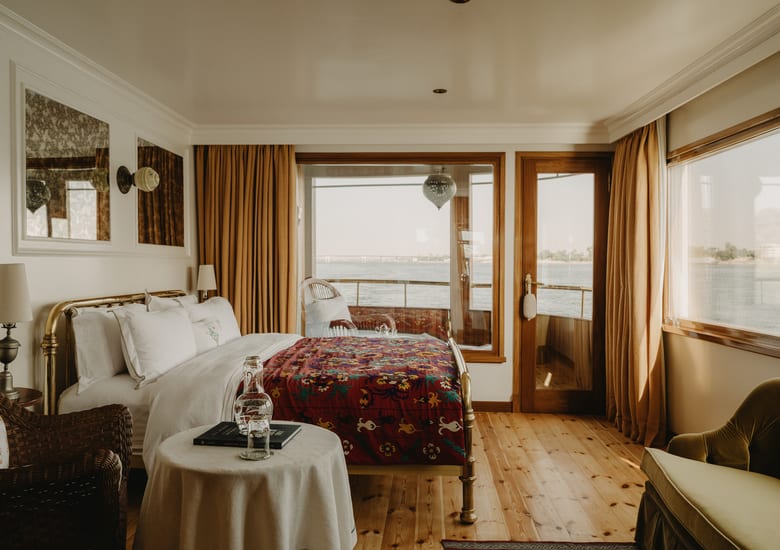
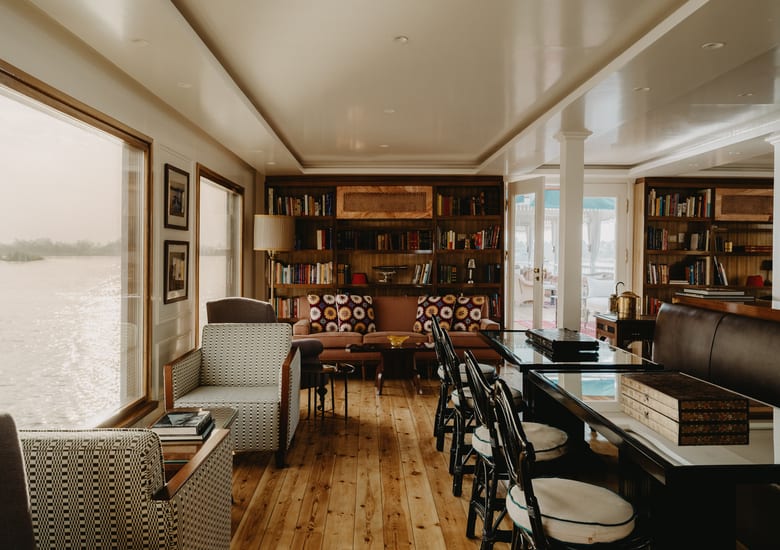
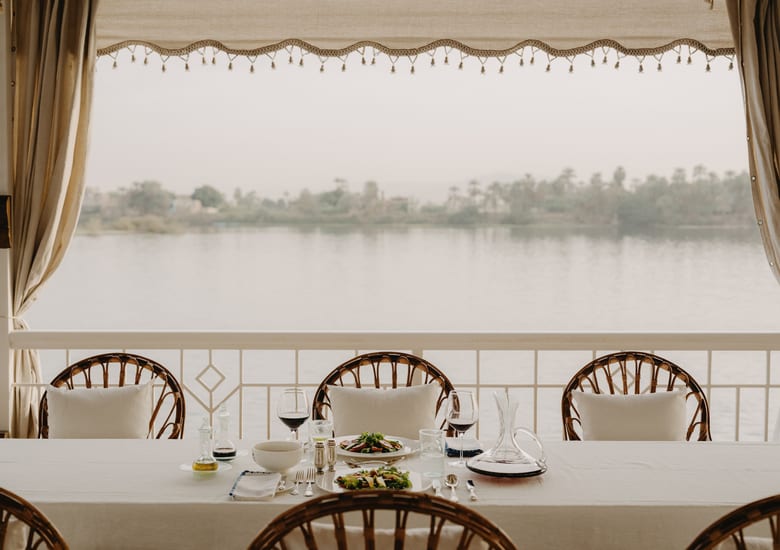
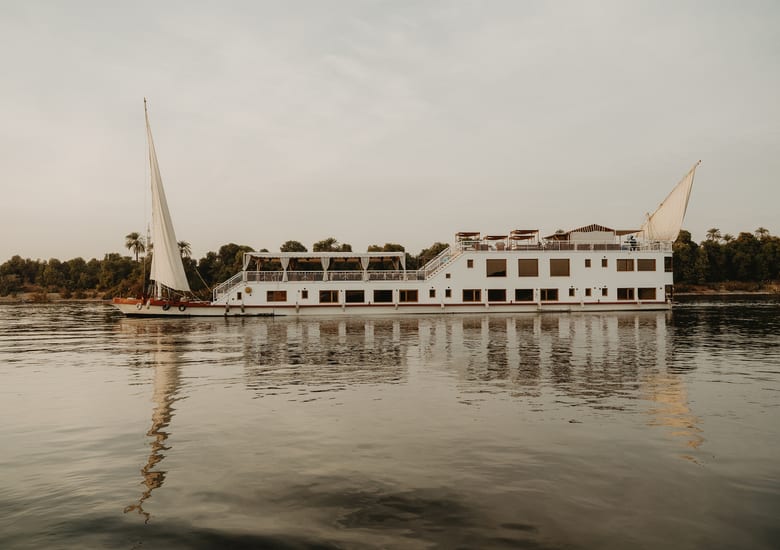
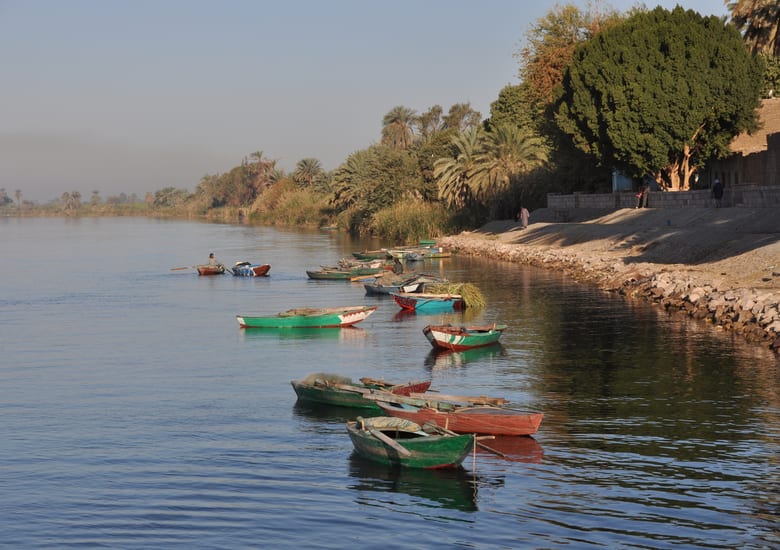
Between Aswan and Luxor, the Nile moves through landscape that has barely changed for millennia. Agricultural fields line the water’s edge, feluccas cross the current, and herons watch from the bank. This is where the journey shifts: onto the river itself aboard Nile Canopus, an intimate dahabiya carrying just 20 guests, with three nights of slow sailing and temple stops that larger cruise vessels simply can’t reach.
Luxor
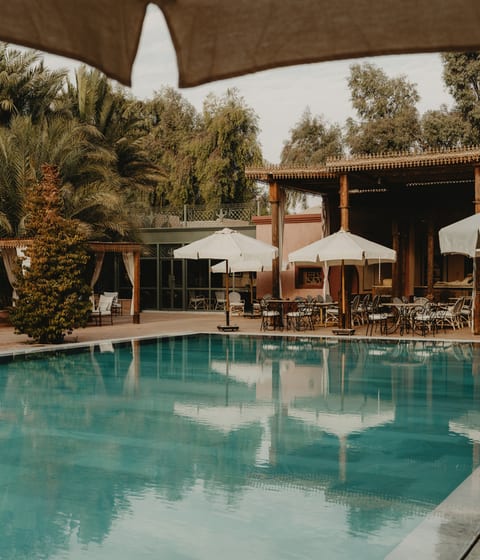
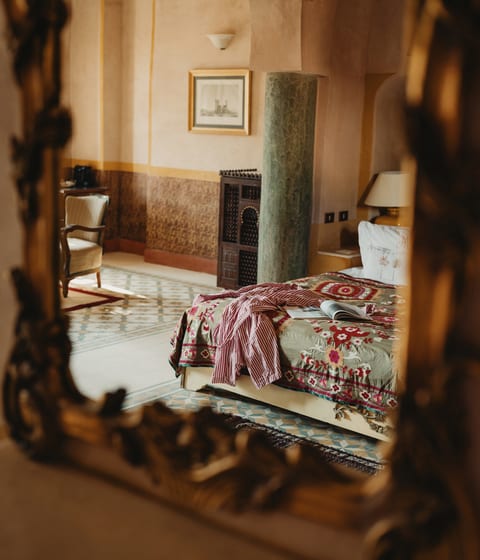
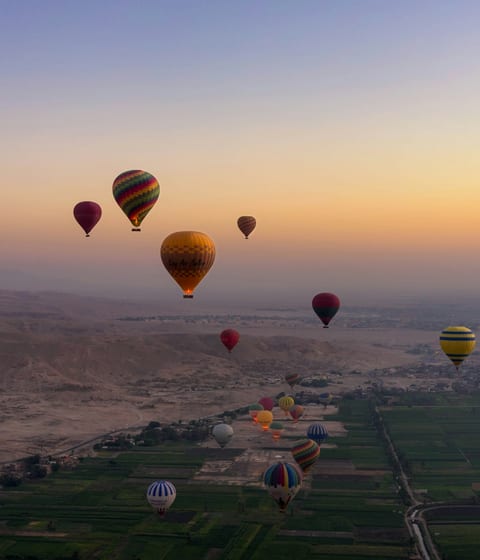
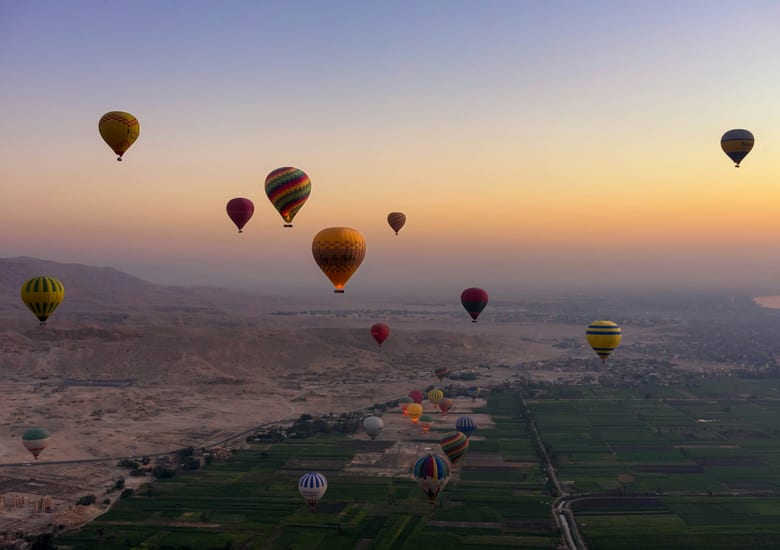
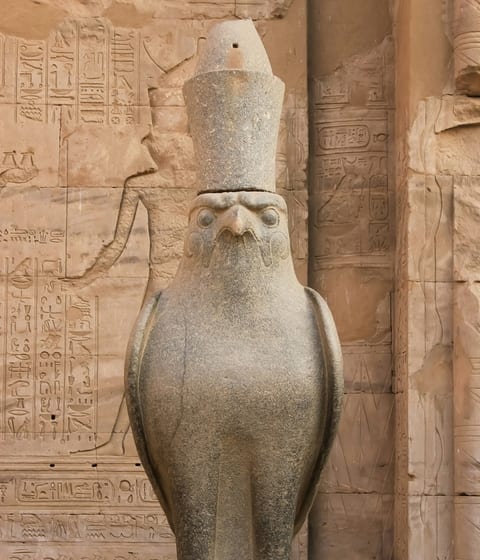
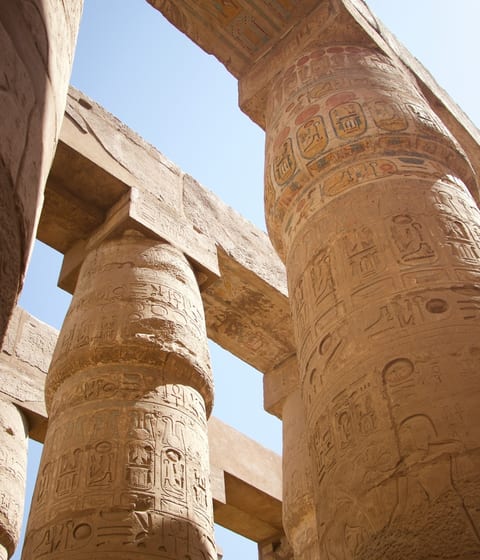
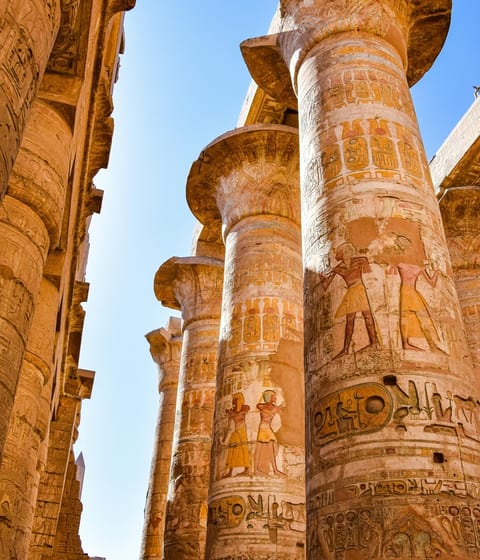
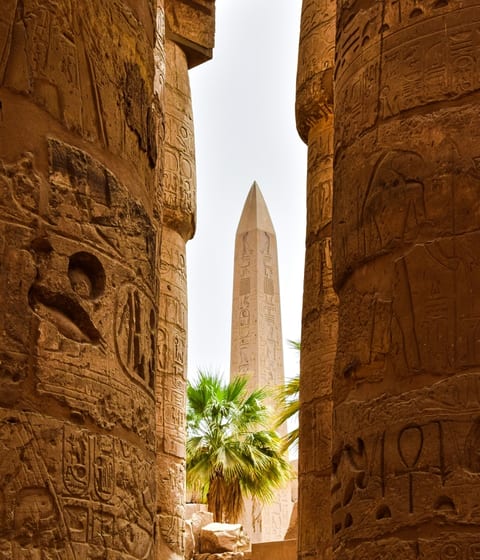
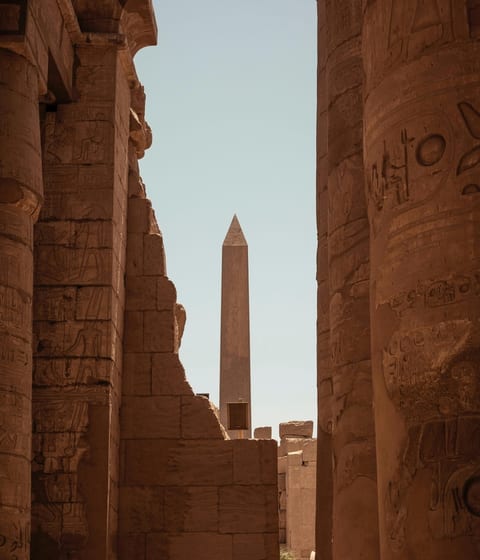
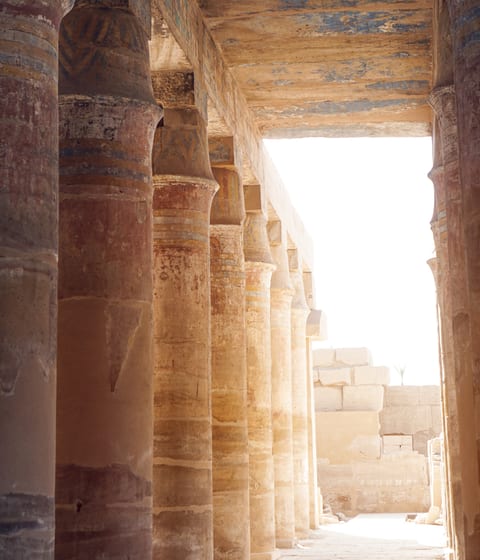
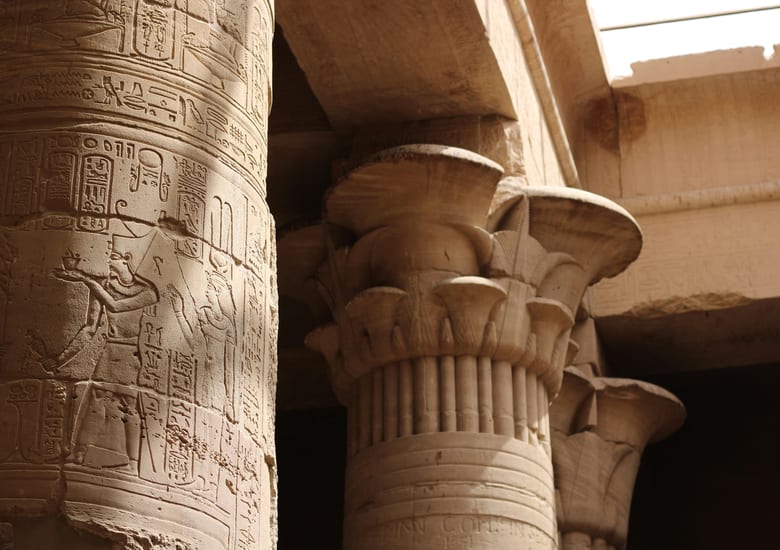
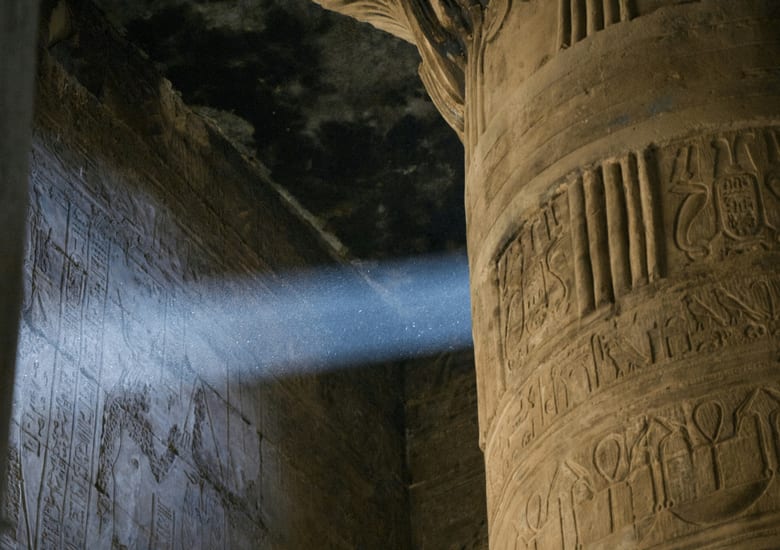
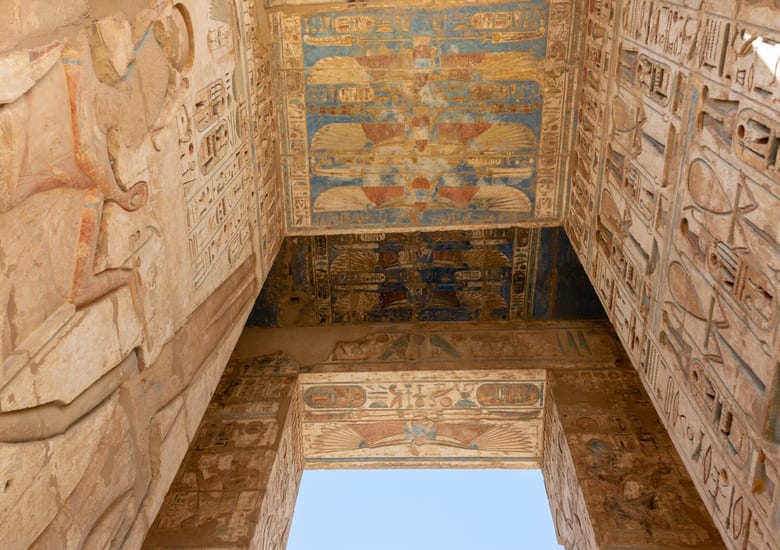
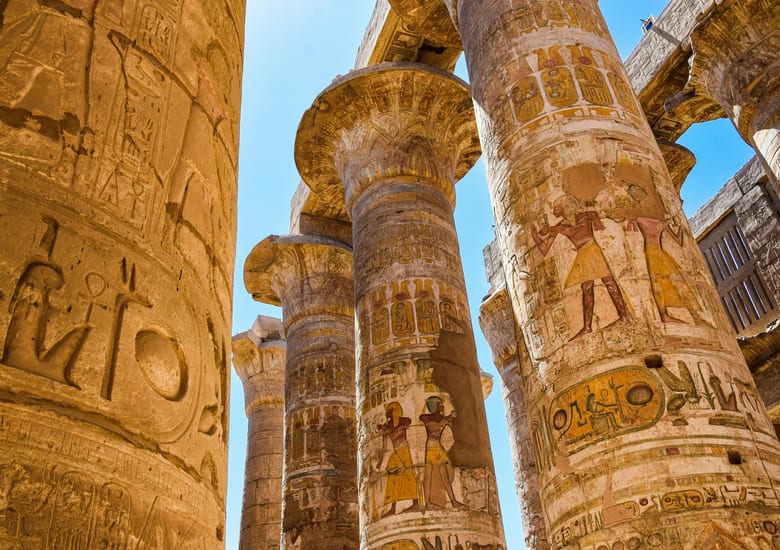
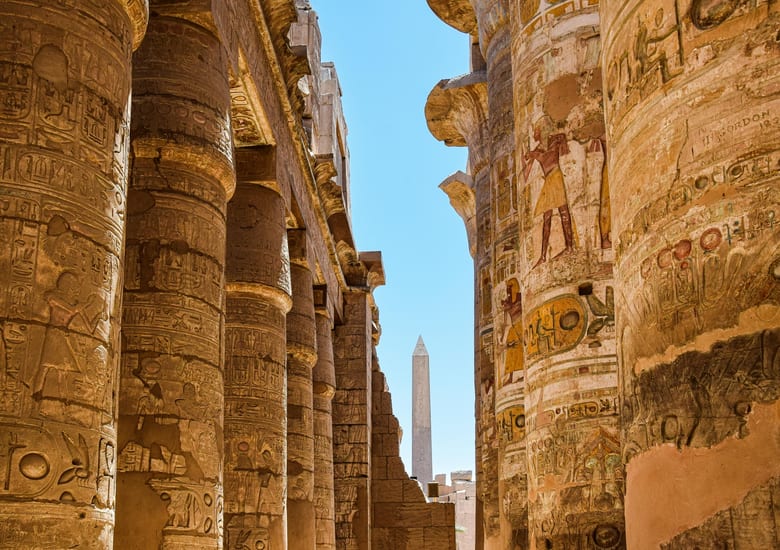
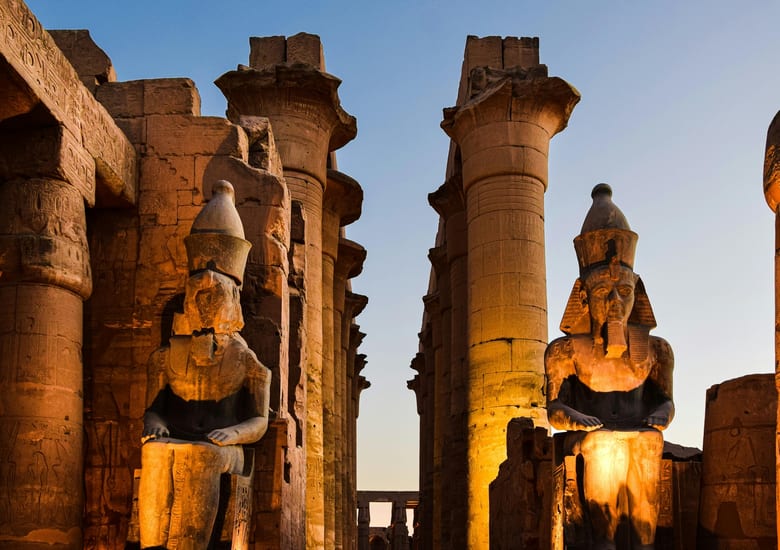
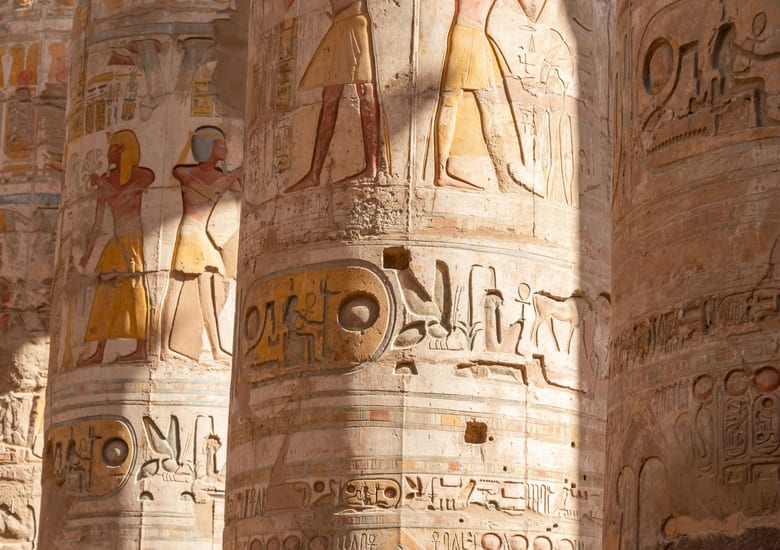
Luxor holds the greatest concentration of ancient monuments anywhere on earth. The east bank carries Karnak and Luxor Temple, both explored from the deck of the Canopus. The west bank, where you’ll spend your final two nights, is where the pharaohs buried their dead: beneath the ochre limestone cliffs of the Valley of the Kings, in tombs of extraordinary ambition and artistry. Your base sits deep on Luxor’s west bank, just minutes from the valley.