























Egypt

A Journey into Ancient Egypt

Take the slow boat to Luxor
Egypt

A Journey into Ancient Egypt

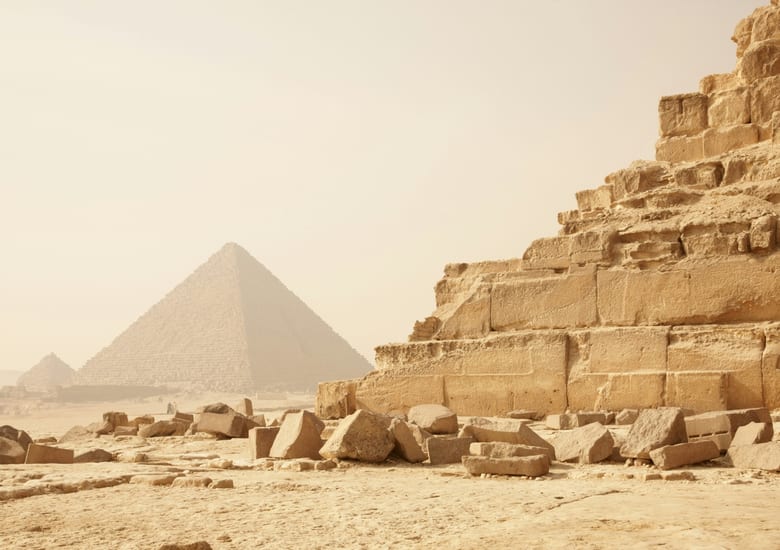
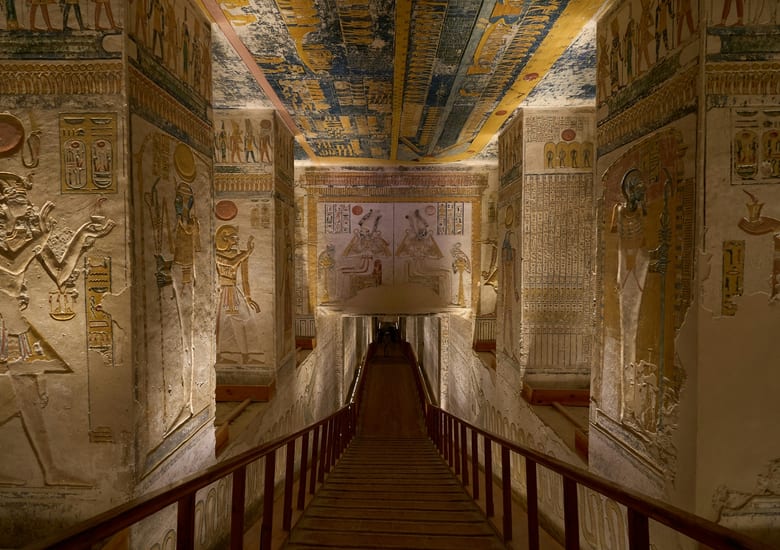
Egypt has a way of making everything else seem small – and very, very young. The Grand Egyptian Museum holds more than 100,000 artifacts. The Pyramids of Giza have stood for four and a half millennia. Inside the tomb of King Seti I, 450 feet of painted limestone corridors were carved before the Roman Empire was even dreamed of.

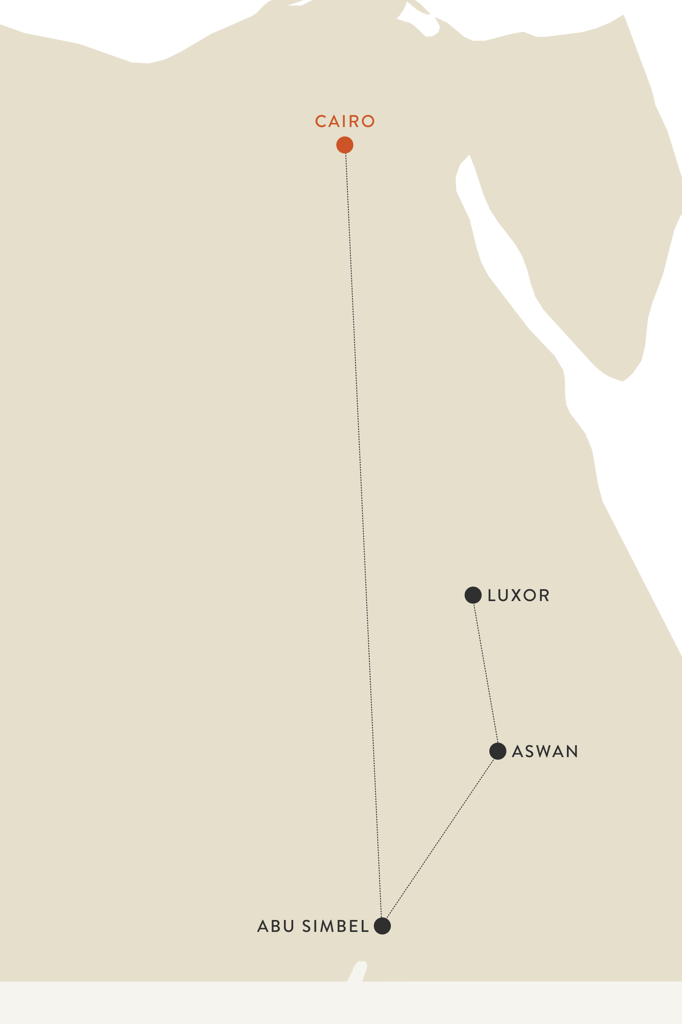
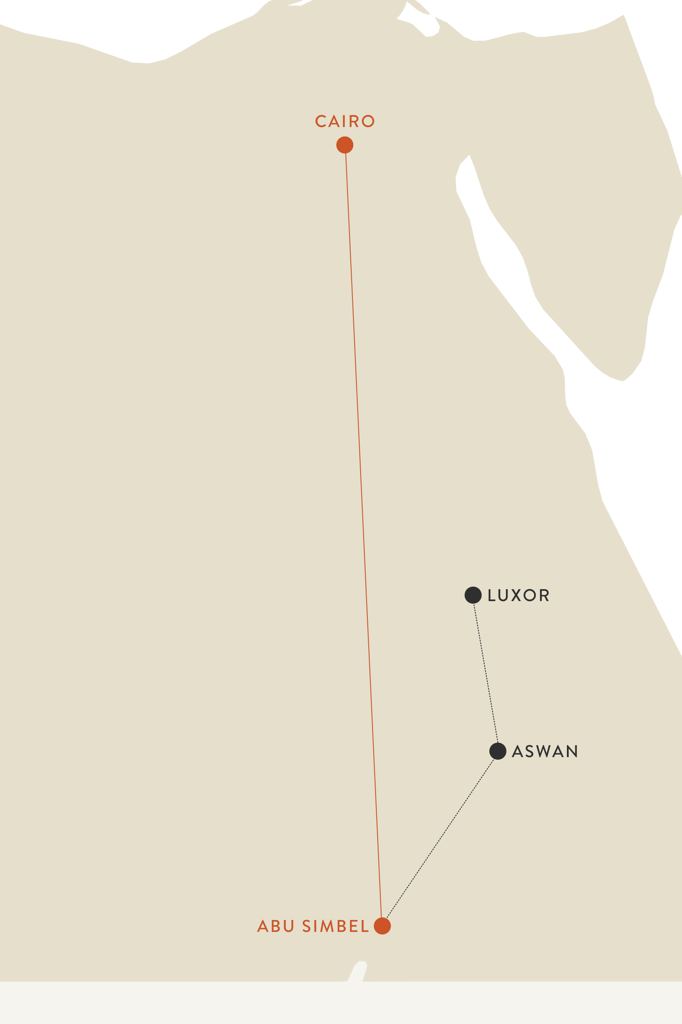
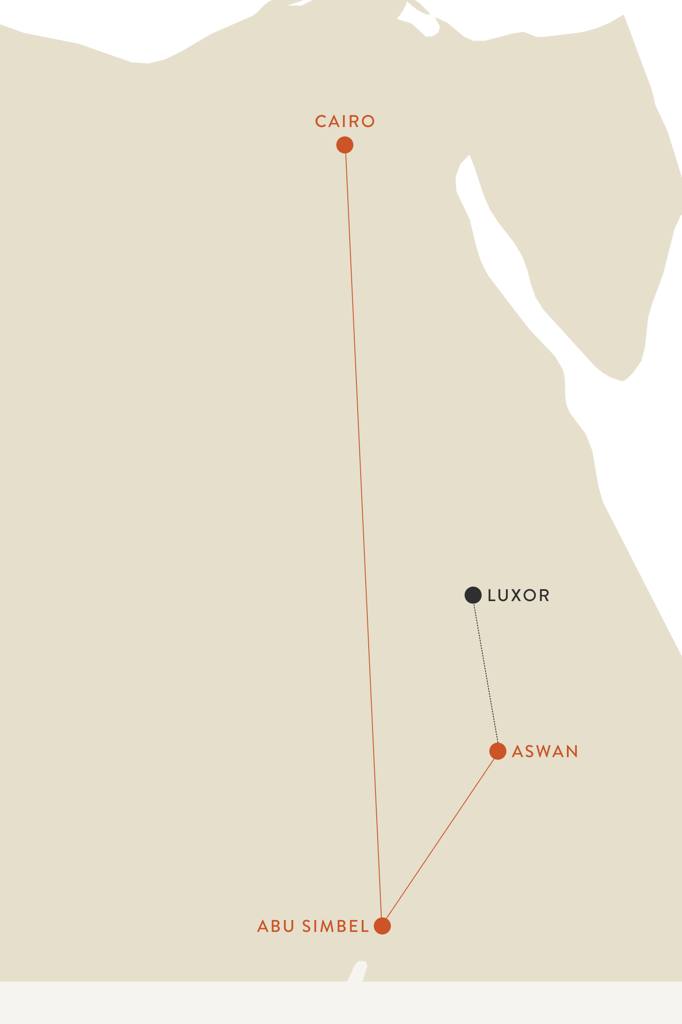
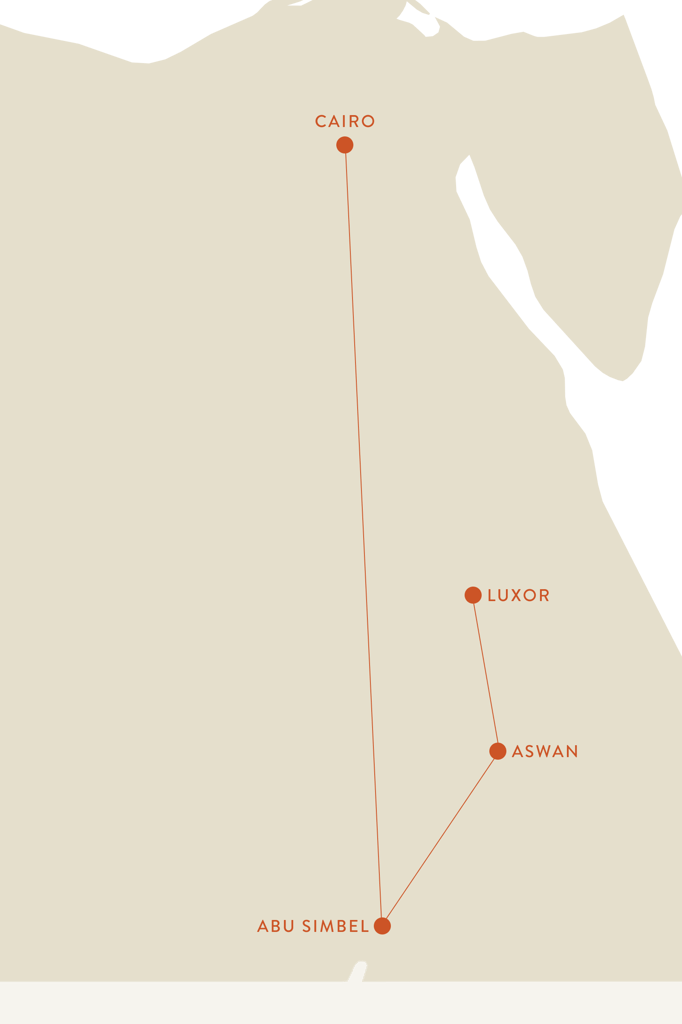
This properly historic journey moves through Cairo, south to Abu Simbel’s colossal rock temples, onto the Nile aboard an intimate 20-guest dahabiya, and into Luxor – where the west bank holds the greatest concentration of ancient monuments on earth. A dedicated Egyptologist will be your guide for every thrilling moment – opening doors (some of them very old) that you wouldn’t have access to in typical Egyptian itineraries.

When

October - April

Price

From £8,700pp excl. flights
Price includes all accommodation, experiences, guiding and transfers. Based on travelling off-peak and may increase if travelling over peak season. Price excludes international flights but these can be arranged on request. See here for more information.
(based on 2 ppl sharing)

How long

9 nights
Ideal length
Days 1-3

Cairo

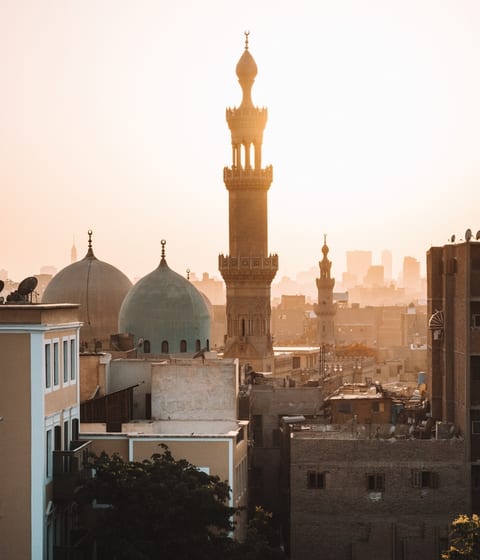
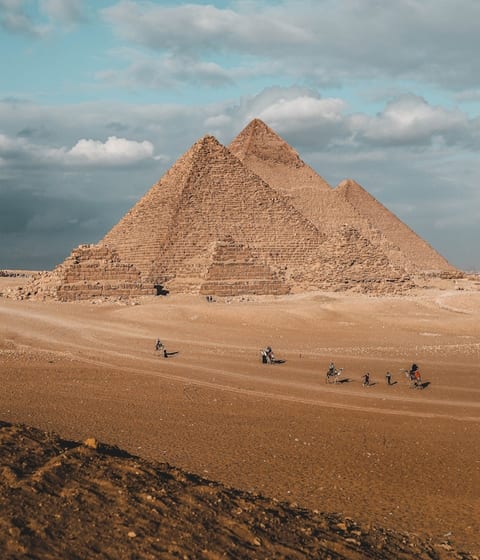
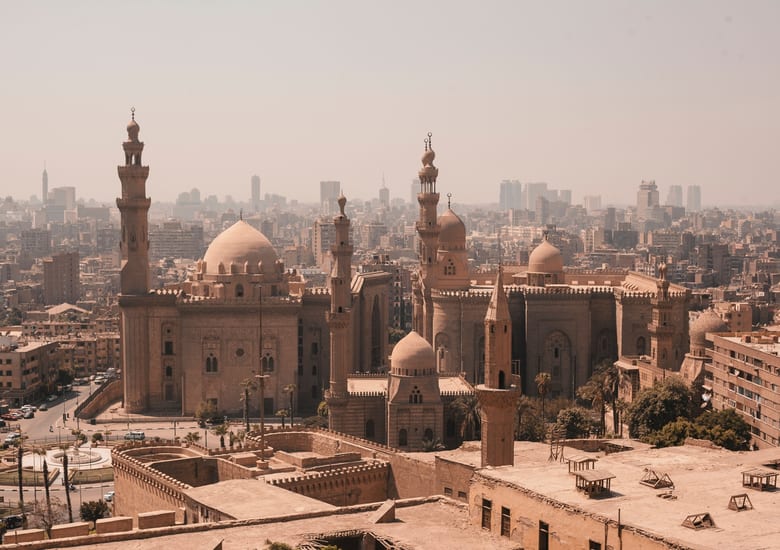
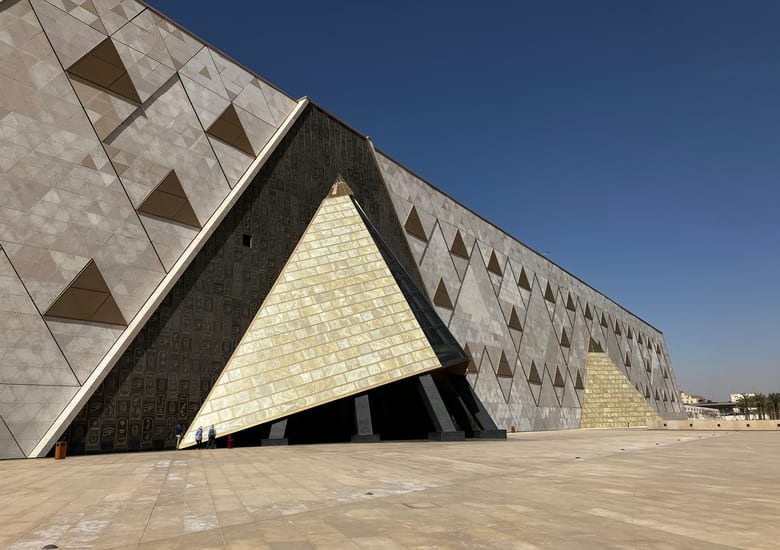
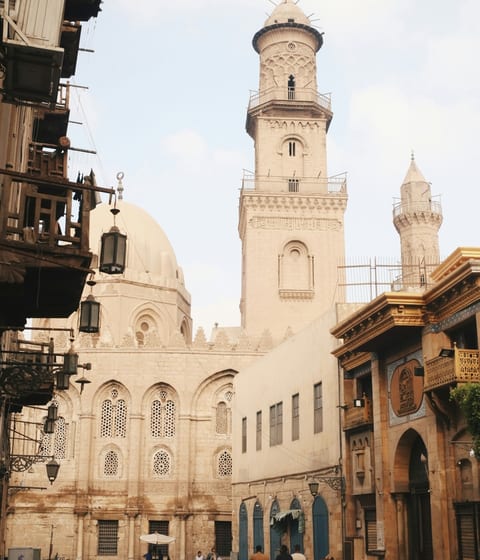
Cairo – grand and sprawling, a layered metropolis – hosts some of the world’s most significant pharaonic and Islamic heritage: the medieval trading houses of the old Islamic quarter, a new museum spanning multiple wings and holding the world’s largest collection of ancient Egyptian artifacts, and a plateau on the city’s western edge where three pyramids have stood since before most of recorded history. For three nights, a dedicated Egyptologist will guide you through a city that can otherwise overwhelm your senses.
Day 1
Cairo, and the Nile at Your Window

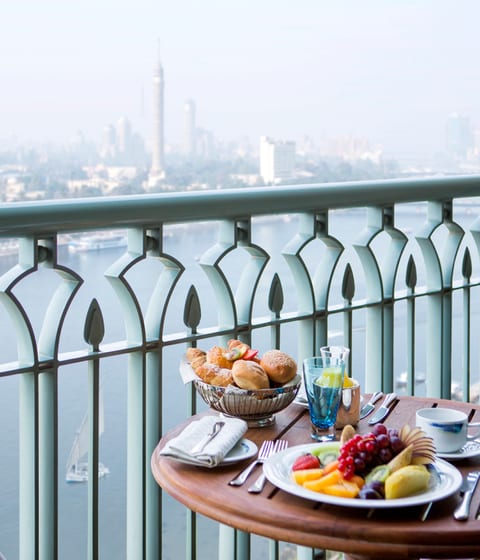
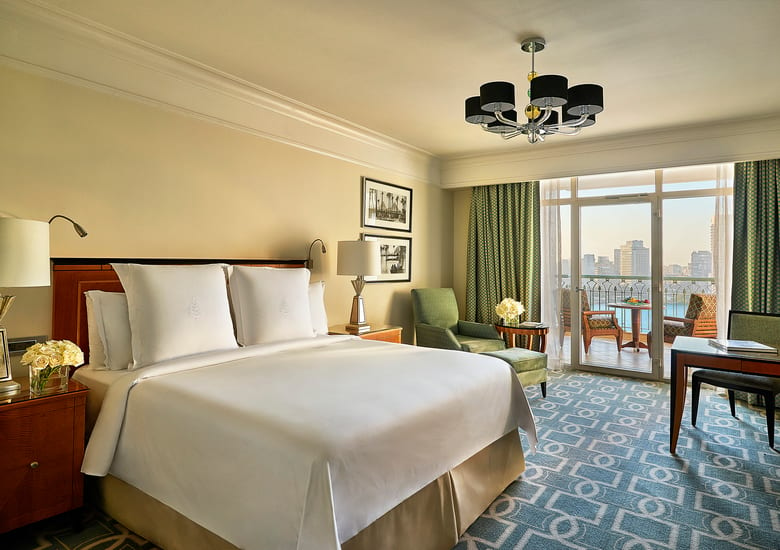
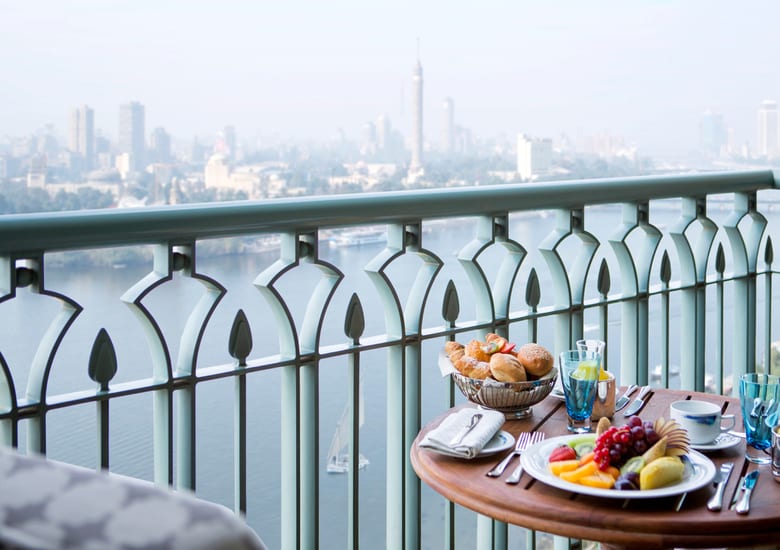
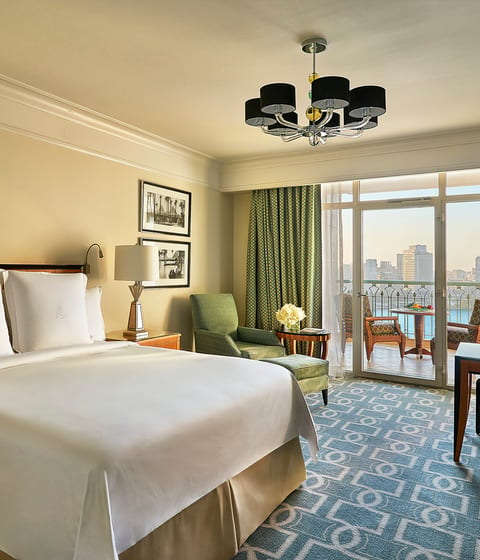
You can’t miss Cairo. The sprawl, the minarets, the low hum of a city that never settles or sleeps. This first evening is deliberately unhurried. Your base for the next three nights is the Four Seasons at Nile Plaza, positioned directly on the river’s eastern bank, with rooms oriented toward the water. Take dinner here, or watch the river traffic from your window. We’ll start the days ahead early.

Day 2
The Museum, Market & the Art of the Deal

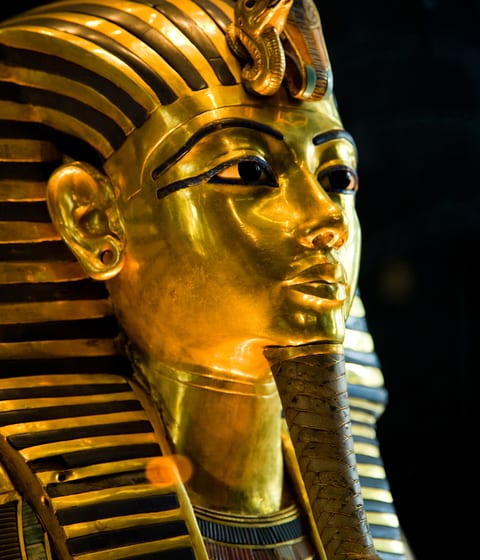
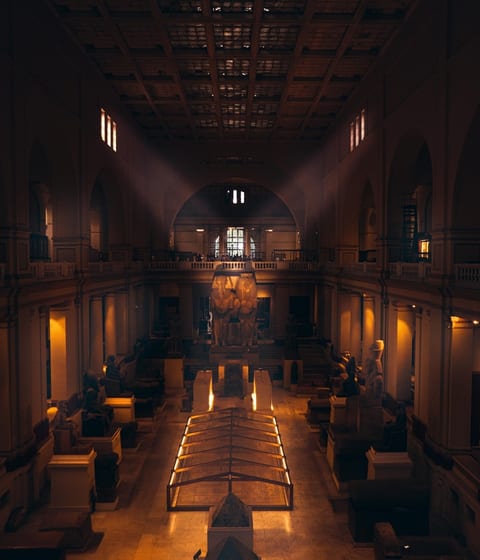
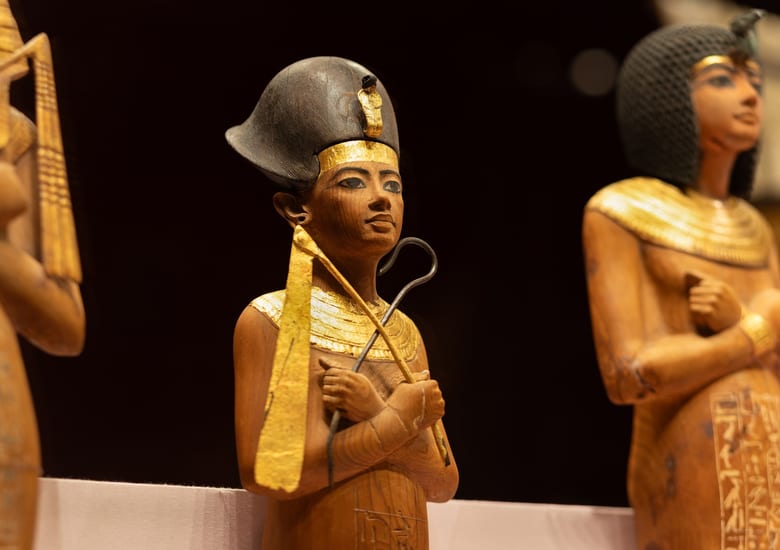
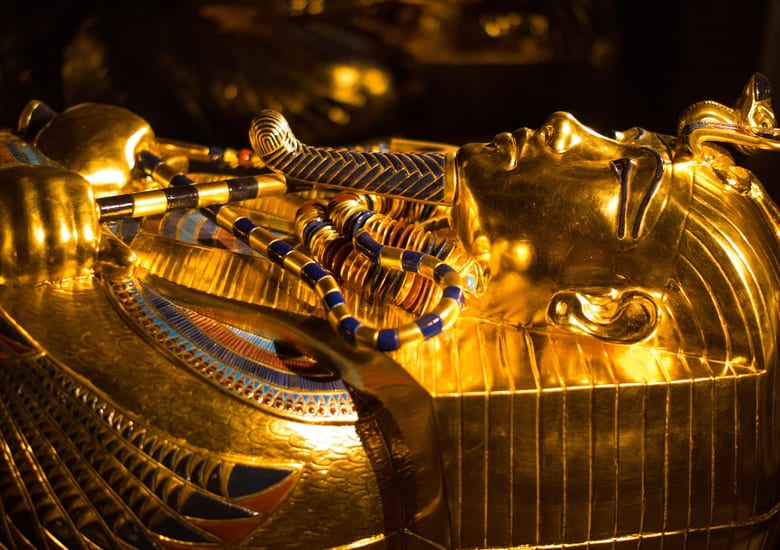
This morning, you’ll step inside the vast halls of the new Grand Egyptian Museum. With more than 100,000 artifacts, your dedicated Egyptologist will show you Tutankhamun’s golden mask, his canopic jars, and the funerary objects recovered from the most famous tomb in history.

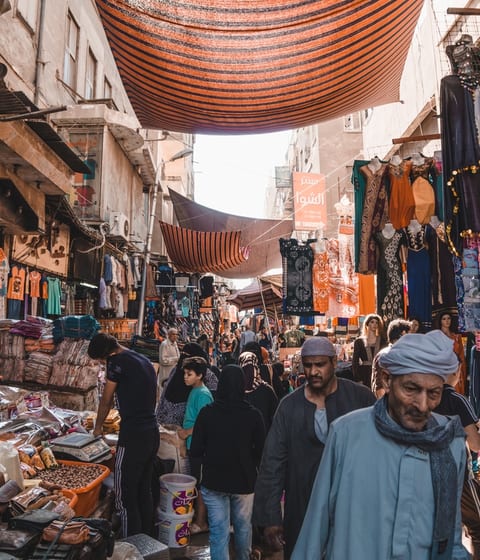
Your afternoon takes a different turn. Through the old Islamic quarter, the trading houses of Al-Moez Street lead to Khan El Khalili, a 14th century bazaar now sprawling across dozens of lanes. A scavenger hunt puts you to work: tracking down specific items through the market, learning to negotiate for them on the spot. By the end, you’ll understand how this bazaar operates from the inside.

Day 3
Stories in Stone

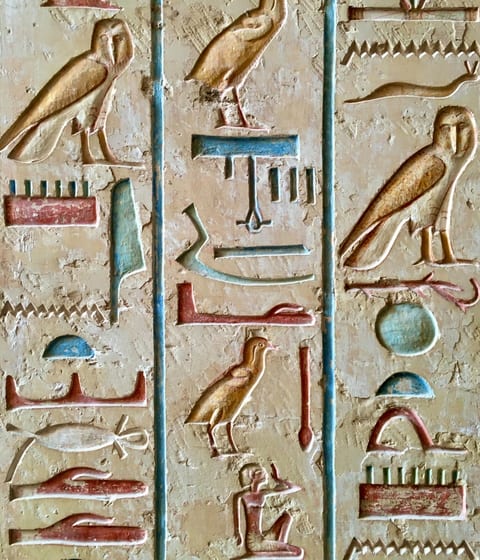
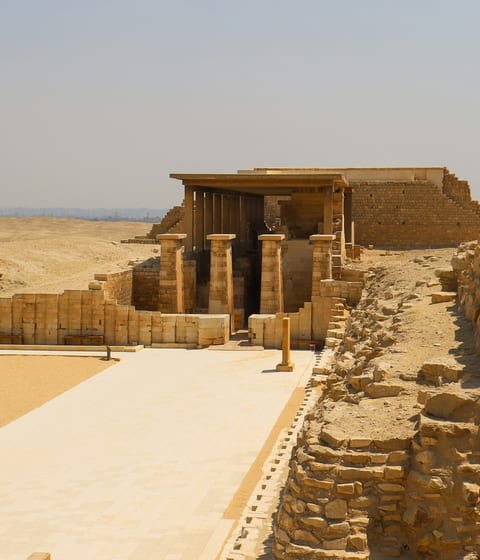
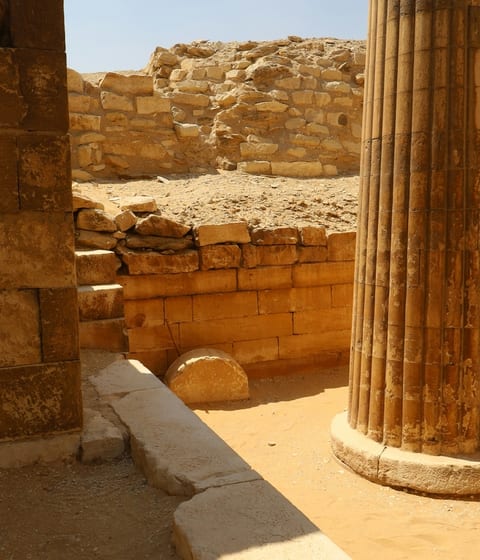
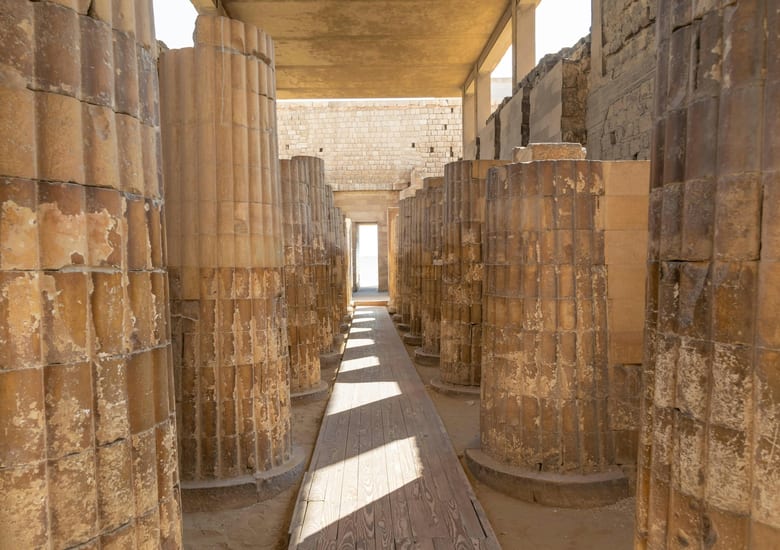
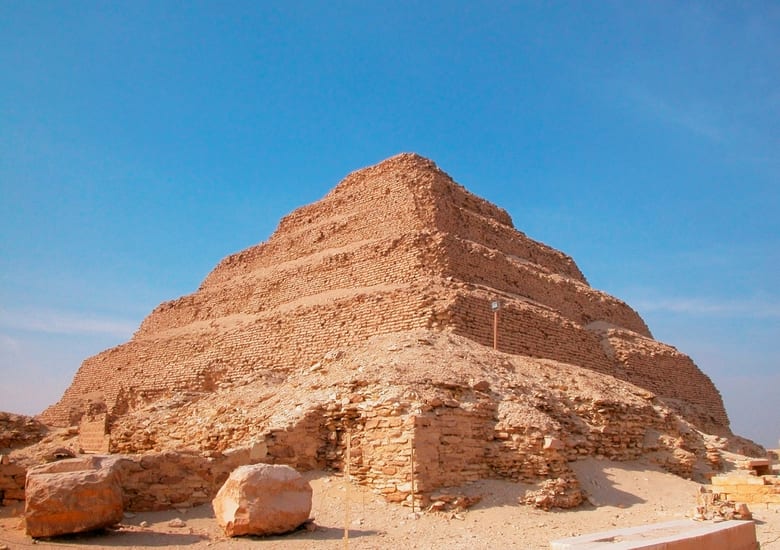
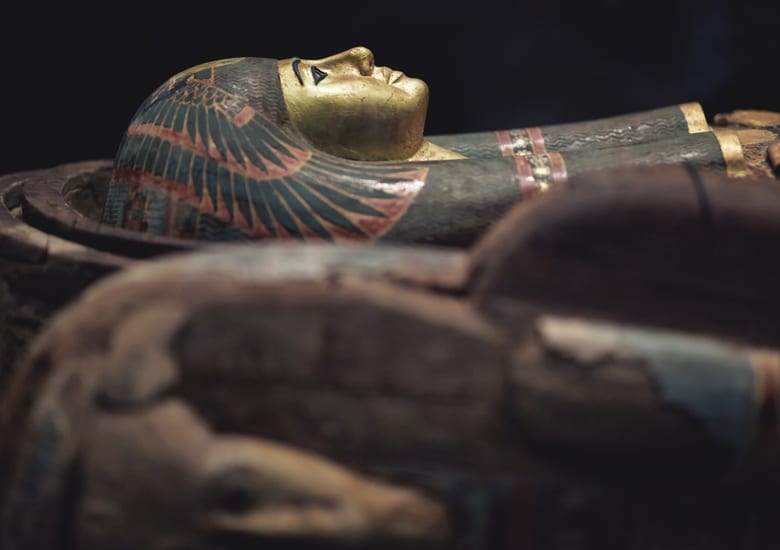
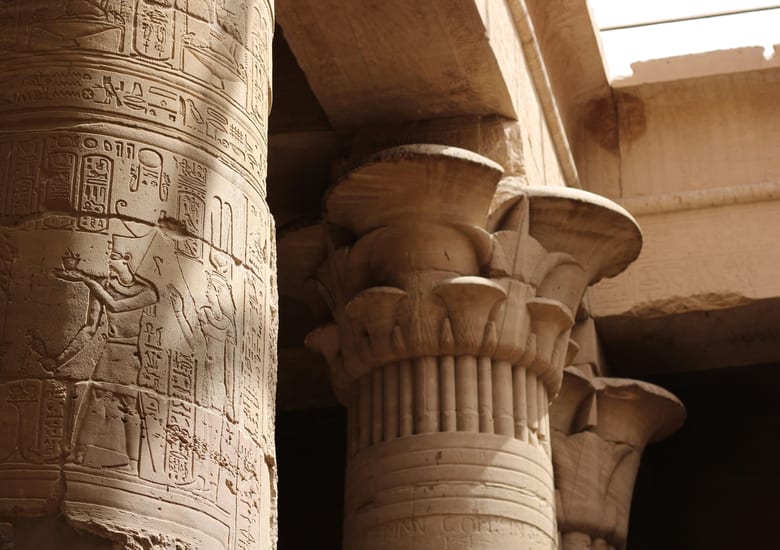
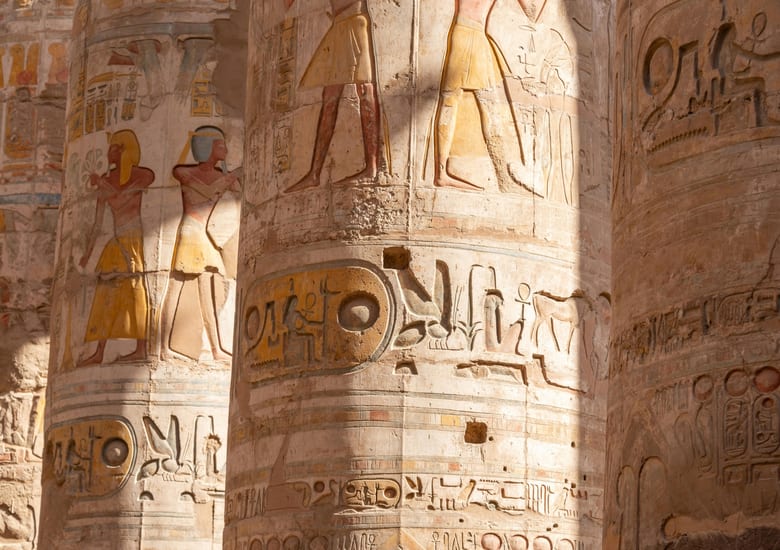
The day at Saqqara begins with a story drawn from the ancient texts, rich with gods, pharaohs, and the rituals of the afterlife. Your task is to find each scene being described, carved into the tomb chamber walls around you, matching the narrative to reliefs that have survived more than four thousand years. It transforms how you read the site. Across the Saqqara complex, tomb chambers are dense with hieroglyphics that were painted onto limestone thousands of years ago.

Day 3 continued

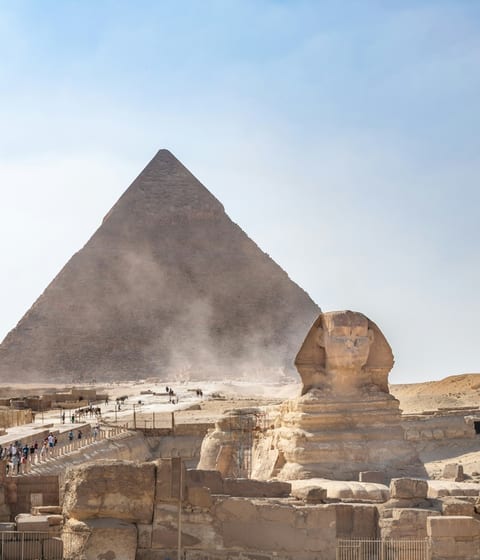
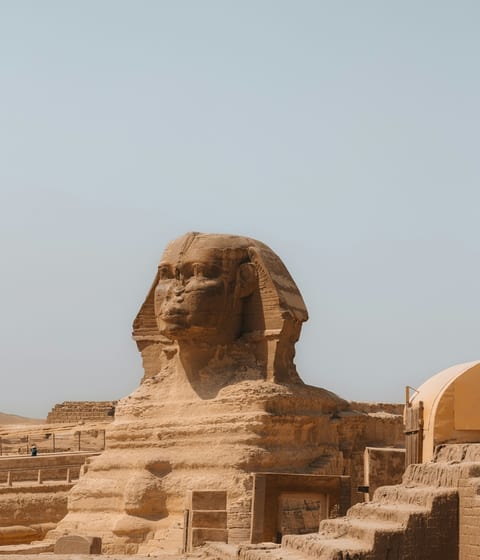
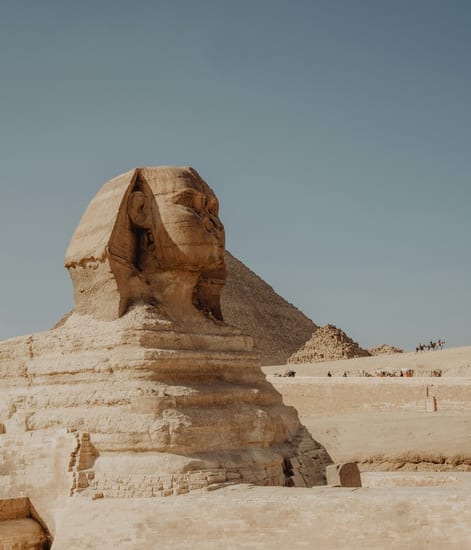
Next, you’ll journey to the Pyramids of Giza: the only surviving wonder of the ancient world, and the one sight no photograph quite prepares you for. The day closes with exclusive access to the Paws of the Great Sphinx, a level of proximity most Giza visitors never reach, with your Egyptologist on hand to decode the monument’s inscriptions and the 45 centuries of legend attached to them.

Day 4

Abu Simbel and Aswan

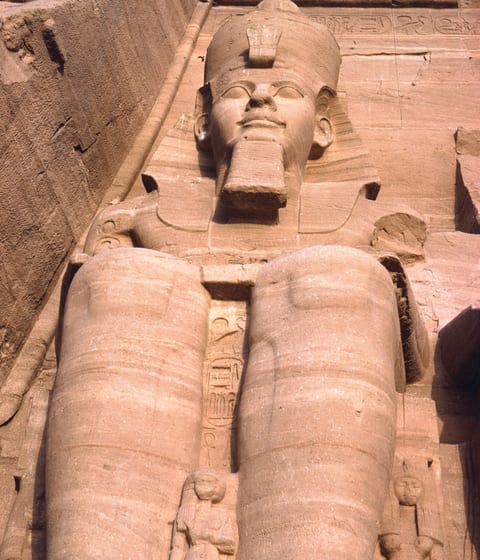
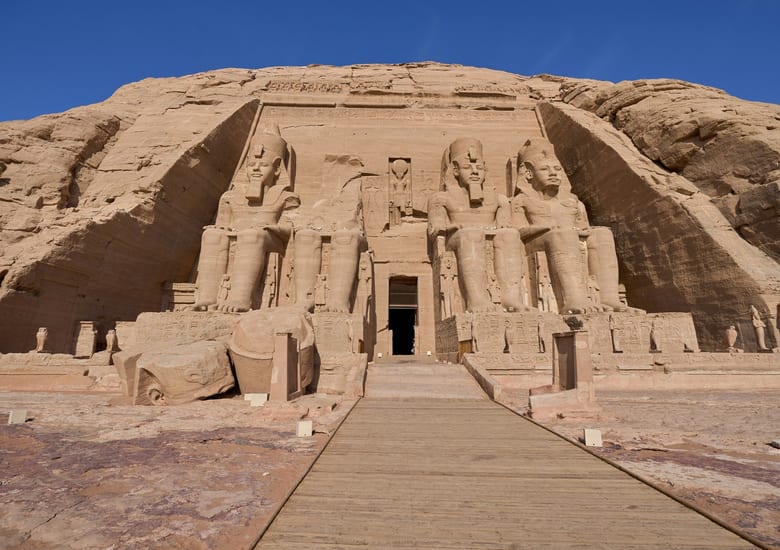
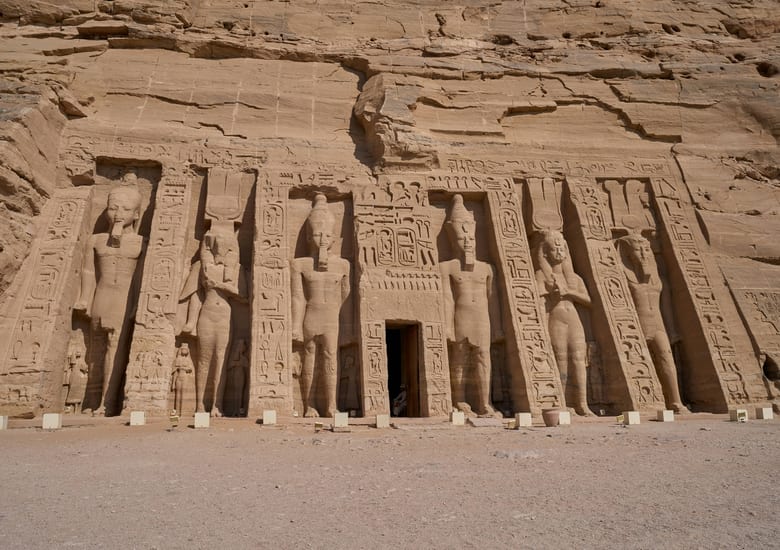
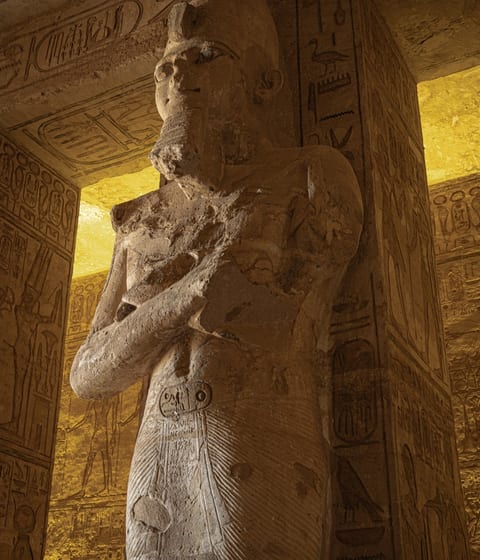
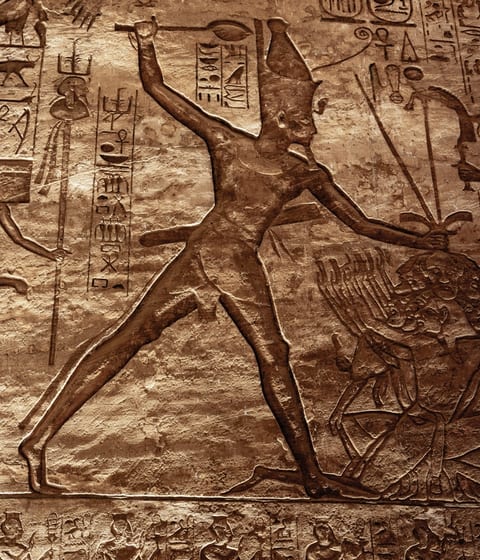
Abu Simbel sits near Egypt’s southern border, and it really does reward the detour. Two massive rock temples carved directly into sandstone, commissioned by Ramses II around 1264 BCE, the site carries a sense of scale and remoteness unlike the Giza plateau. Aswan, a short distance away along the Nile, has its own character: wide river views, quiet streets, and Nubian villages strung along the western bank. Together, these two stops form the gateway to the river journey that follows.
Day 4
Nubian Waters and Sandstone Cliffs

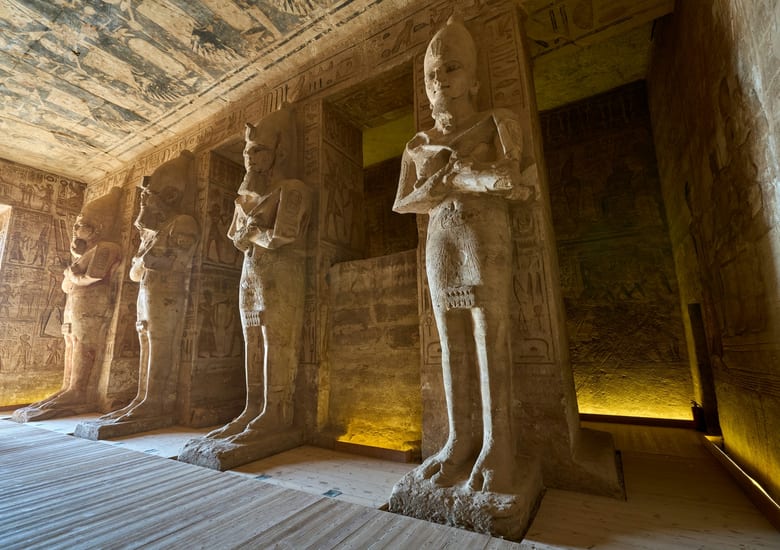
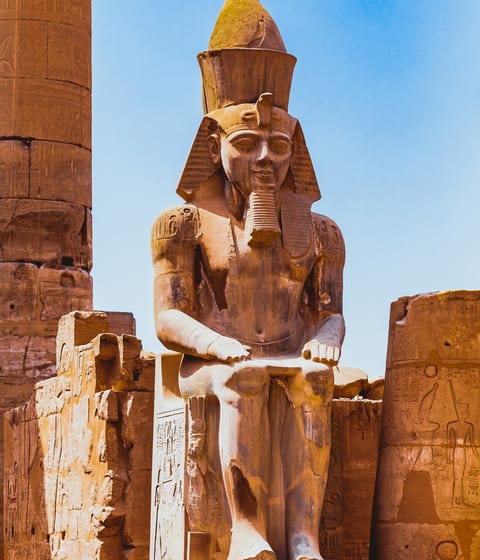
Abu Simbel’s Great Temple is guarded by four colossal statues of Ramses II, each standing over 65 feet tall, watching the surrounding landscape across 33 centuries. The smaller temple, built for his wife Nefertari and dedicated to the goddess Hathor, is equally striking.

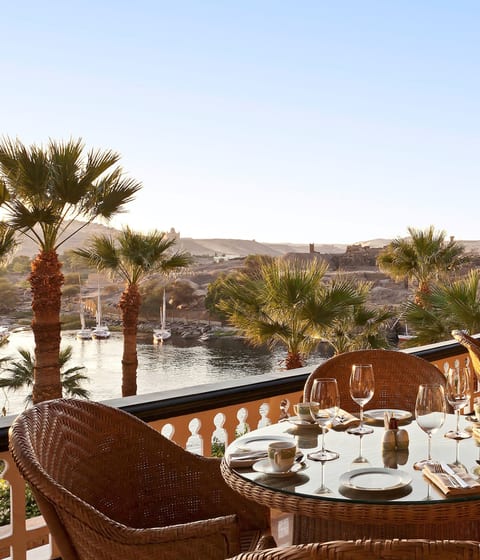
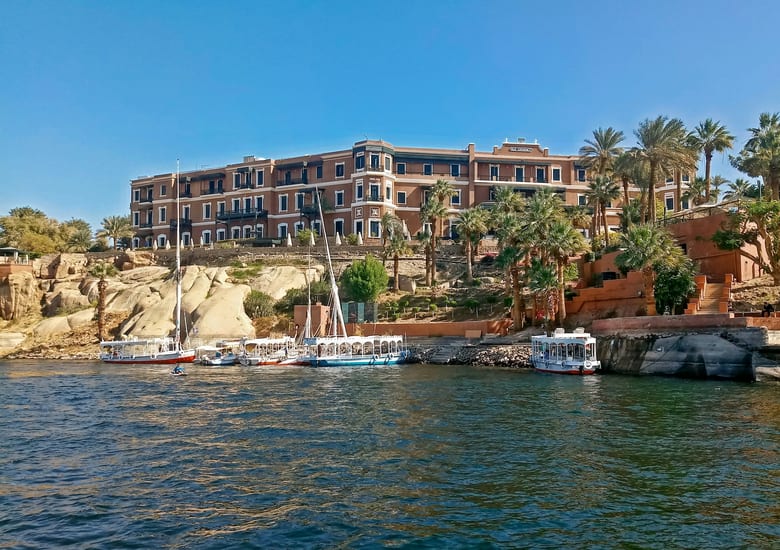
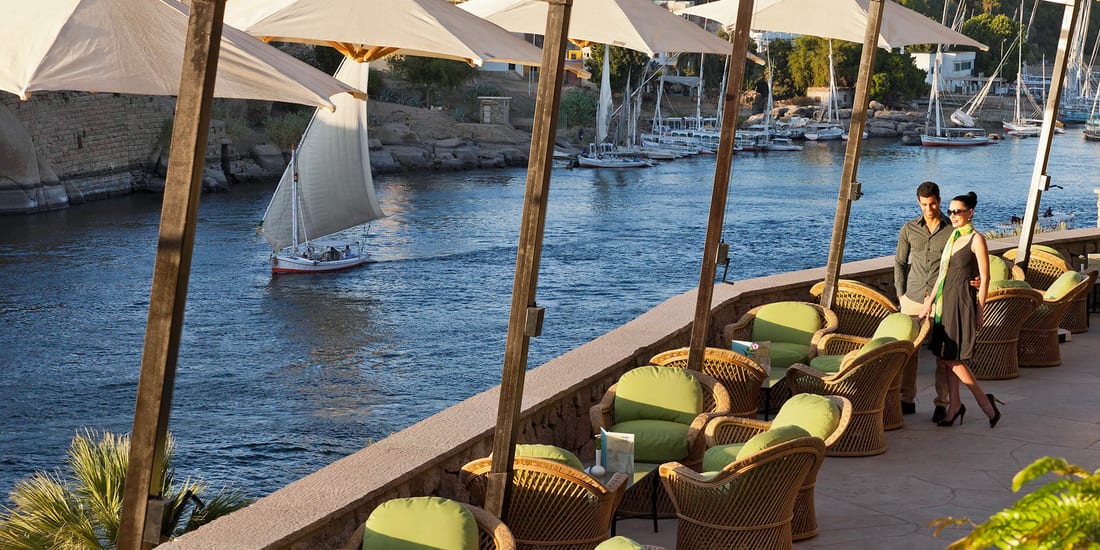
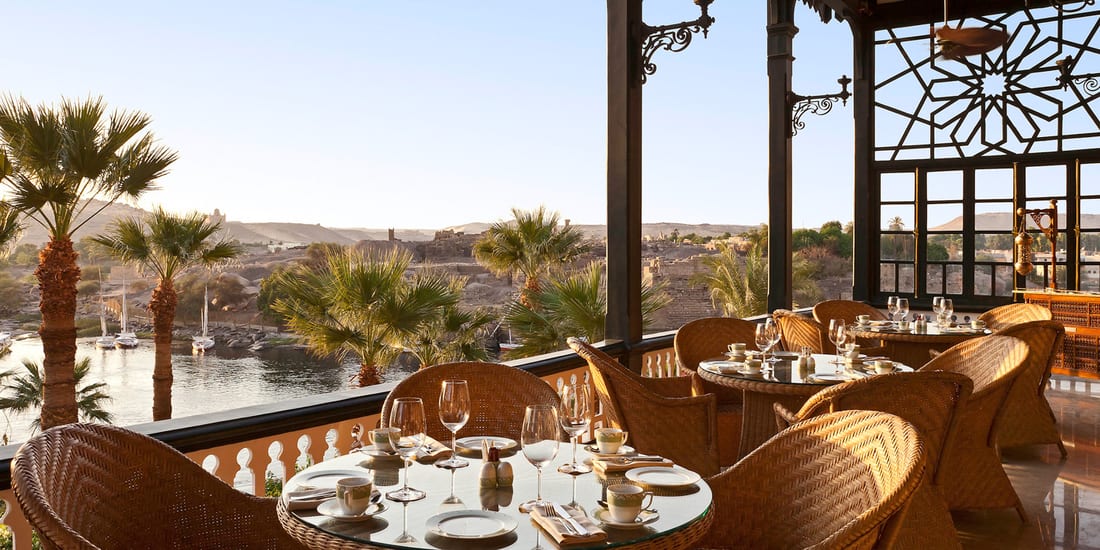
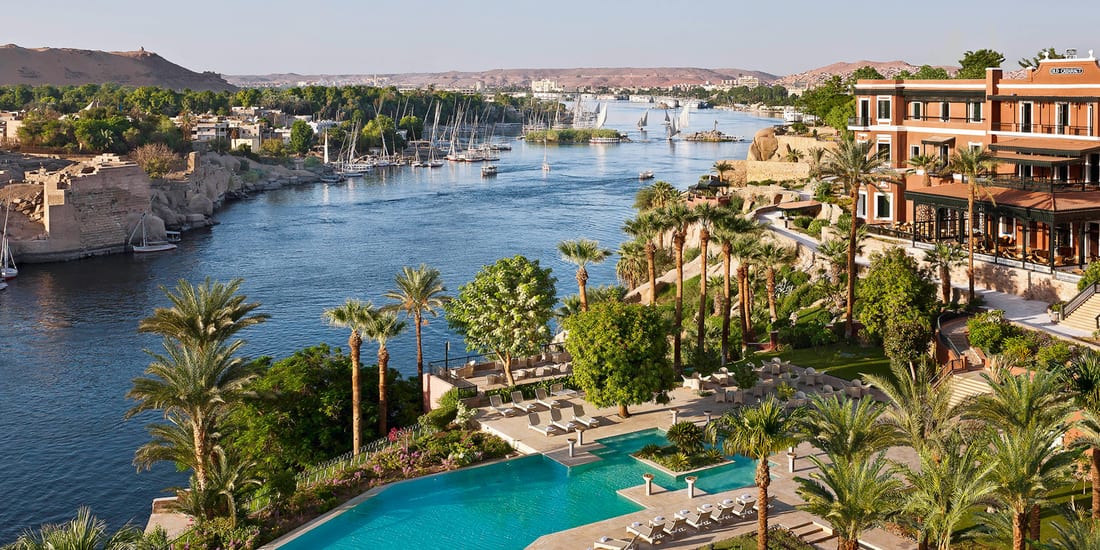
Your Egyptologist brings both inner sanctuaries to life before the afternoon turns to Aswan: kayaking the channels around Elephantine Island past Nubian villages on the west bank, then sandboarding on the slopes nearby. Tonight, you’ll sleep at the Old Cataract, Aswan, where Victorian-era grandeur and wide river views set the tone for the days ahead.

Days 5-7

The Nile

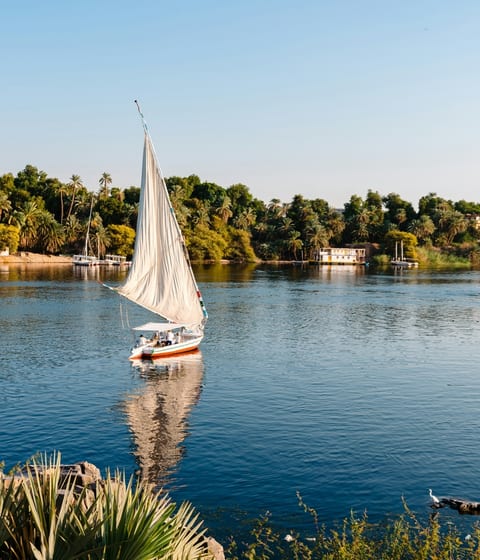
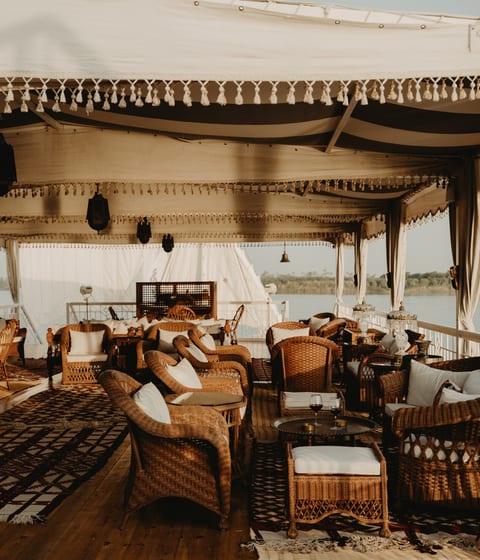
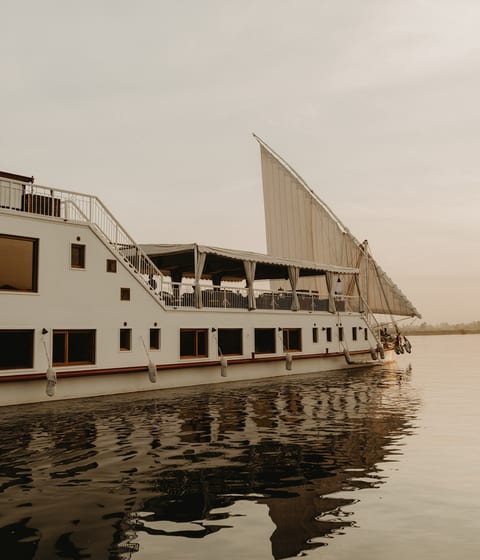
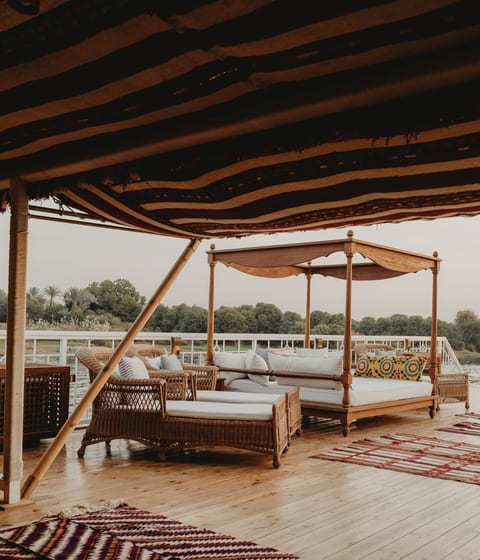
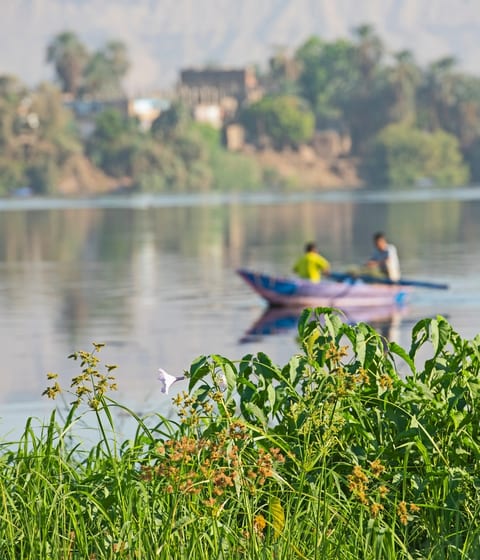
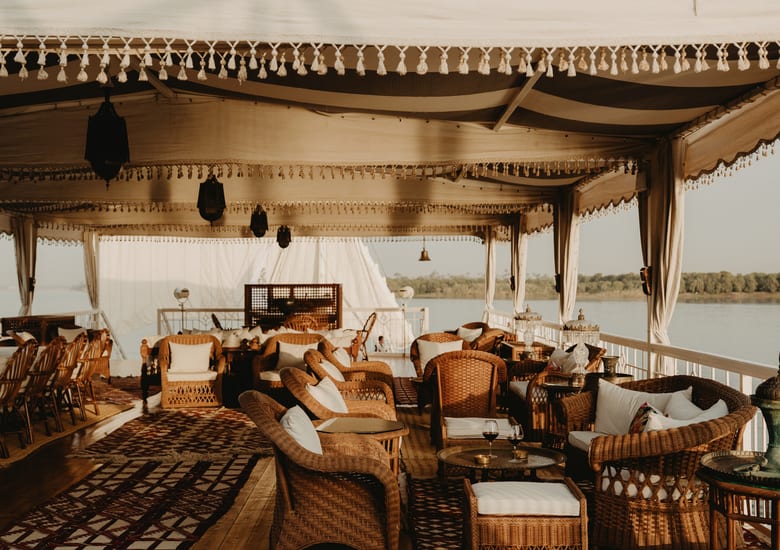
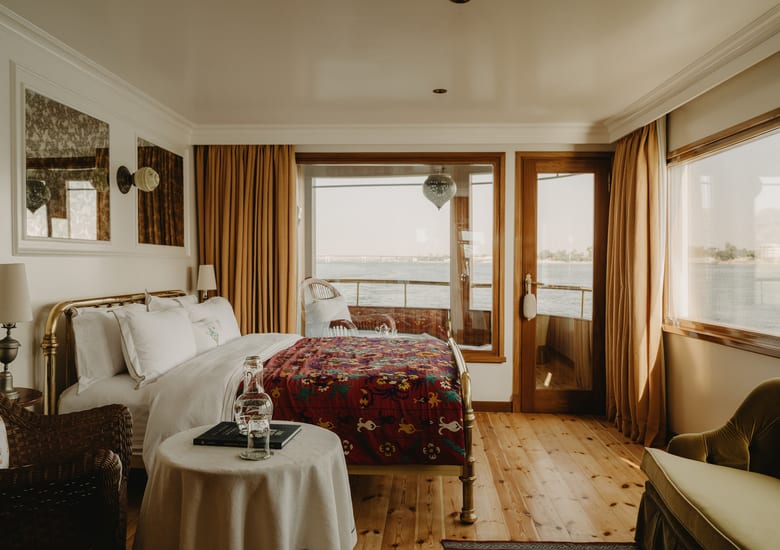
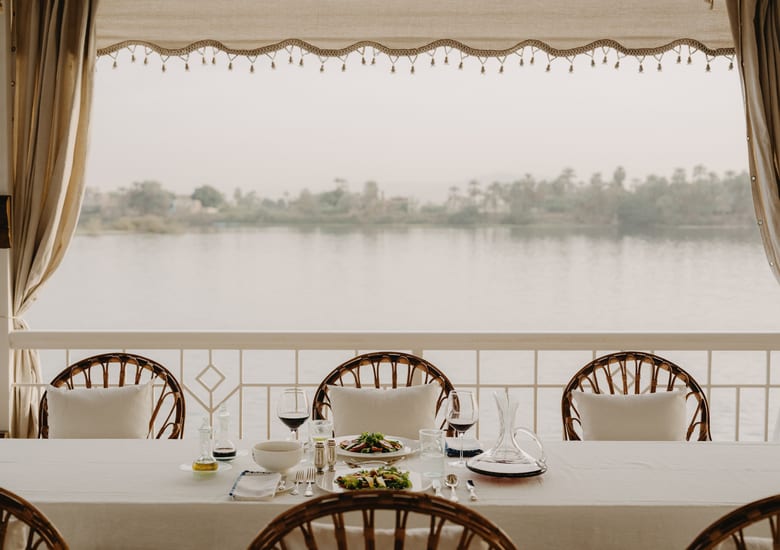
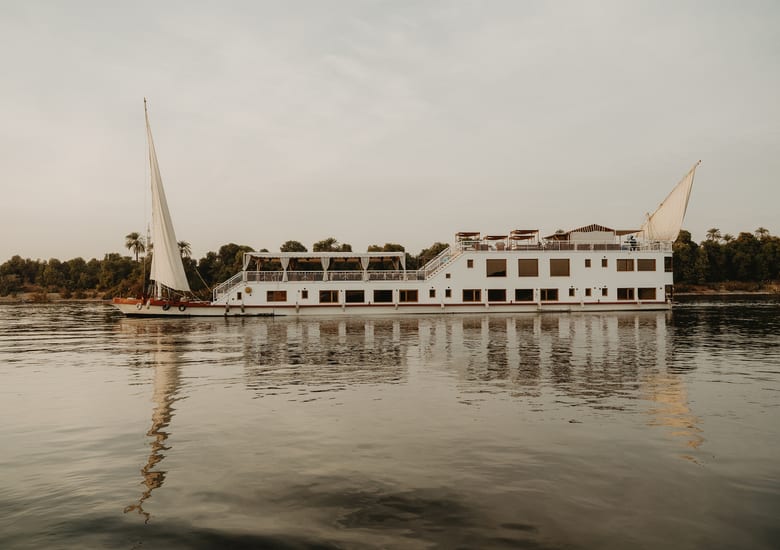
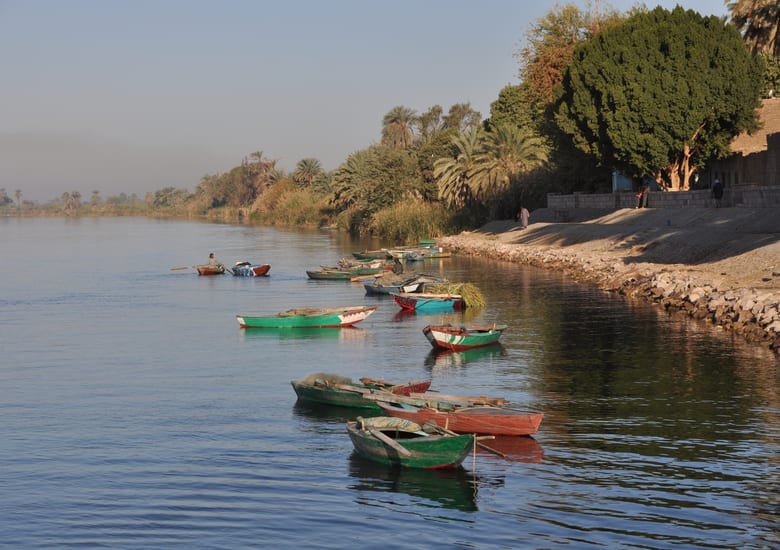
Between Aswan and Luxor, the Nile moves through landscape that has barely changed for millennia. Agricultural fields line the water’s edge, feluccas cross the current, and herons watch from the bank. This is where the journey shifts: onto the river itself aboard Nile Canopus, an intimate dahabiya carrying just 20 guests, with three nights of slow sailing and temple stops that larger cruise vessels simply can’t reach.
Day 5
The Goddess of Love and the Open Water

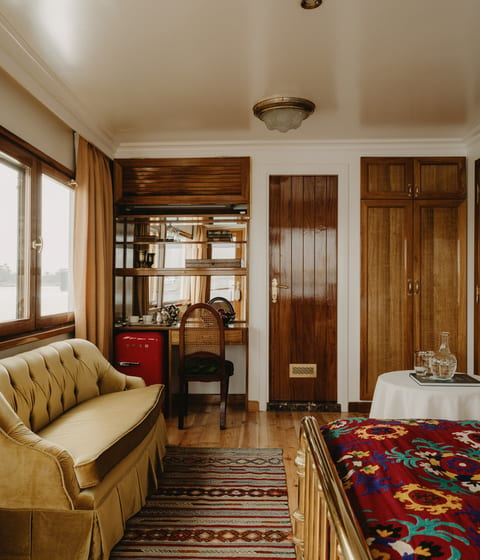
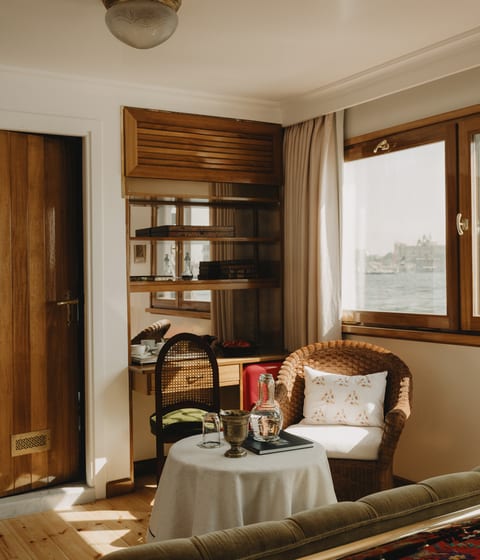
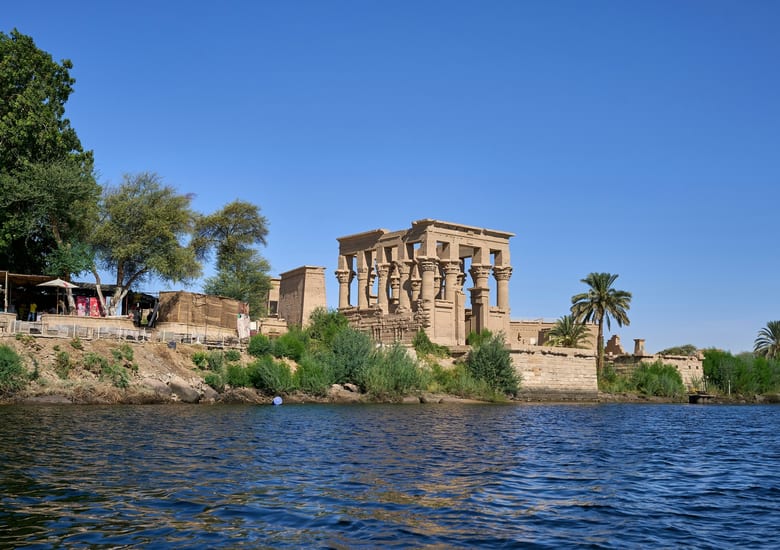
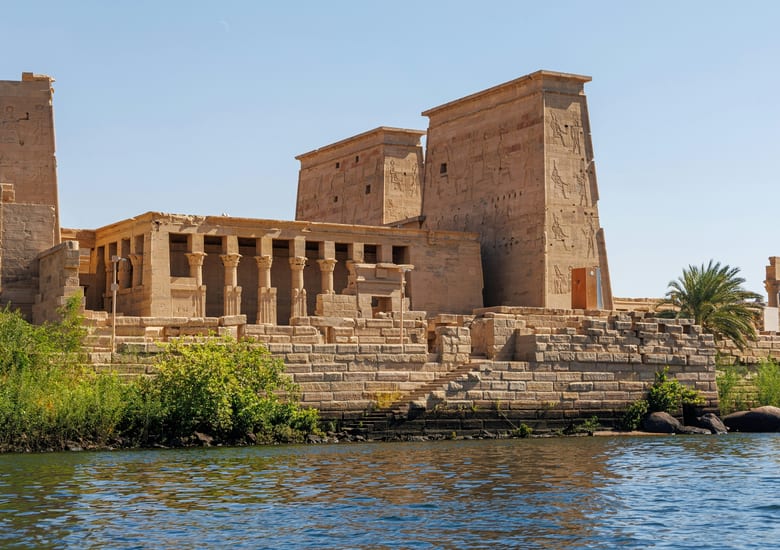
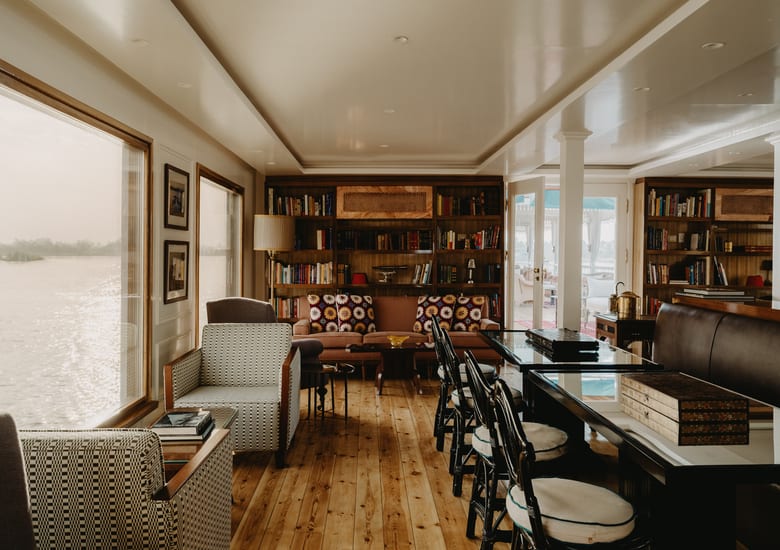
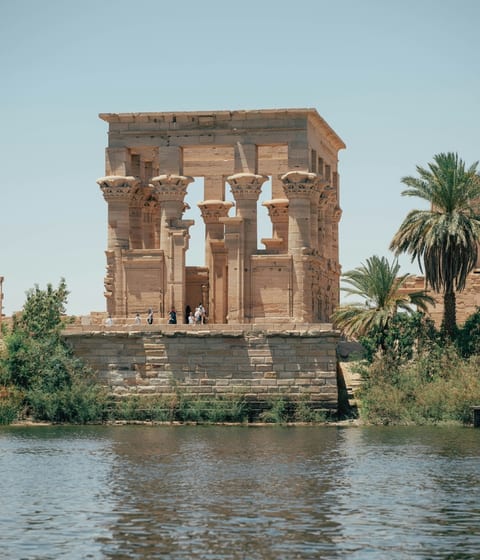
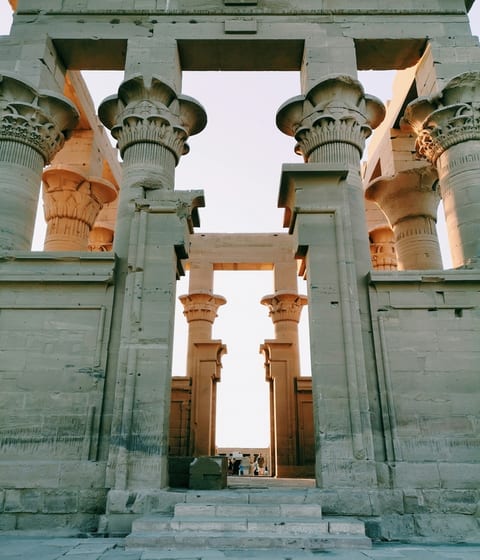
Philae sits on an island in the reservoir above the Aswan Dam, a temple to Isis, goddess of love and healing, relocated stone by stone after the dam raised the river’s level in the 1960s. After Philae, you board the Nile Canopus: a 55-meter double-masted dahabiya, carrying just 20 guests across ten cabins.

Its name and design pay tribute to Amelia Edwards, the 19th-century Egyptologist who sailed the original Canopus and documented her journey in A Thousand Miles Up the Nile. By afternoon, you’re sailing to Kom Ombo, a twin temple to the crocodile god Sobek and the falcon god Horus, with a crocodile mummy museum alongside.

Day 6
The Village, the Falcon, and the River

A morning at Bassaw, a small fishing settlement on the western bank largely bypassed by tourism, where a guide demonstrates traditional fishing methods that trace back to ancient Egypt and invites you to try them. It connects the river’s present to its oldest past in a way no temple visit quite manages.

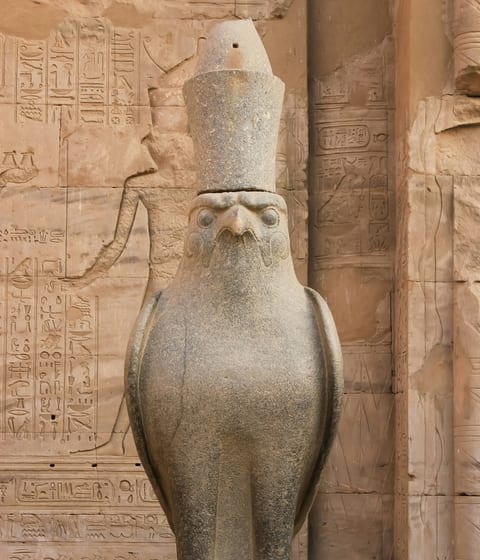
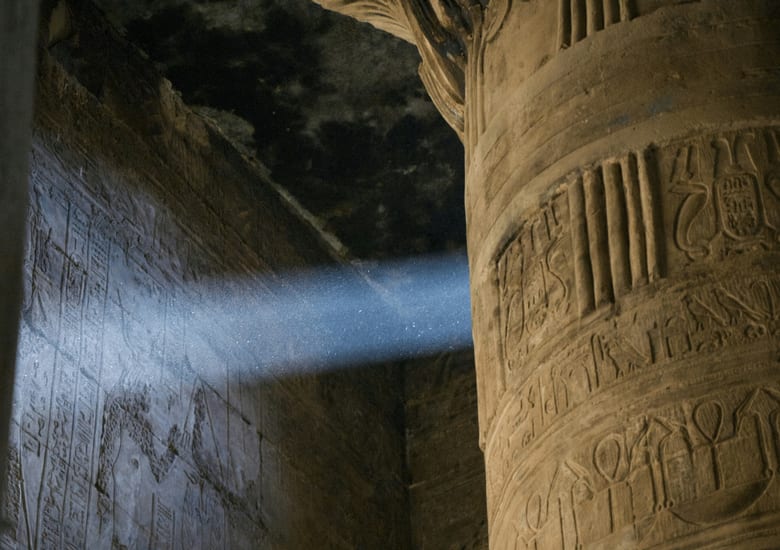
In the afternoon you’ll explore Edfu: the Temple of Horus, its architecture nearly intact, walls dense with inscriptions telling the story of the conflict between Horus, deity of the Nile’s fertile lands, and Seth, deity of the surrounding desert, a drama painted and carved here for more than two thousand years.

Day 7
Gods, Gates, and Golden Light

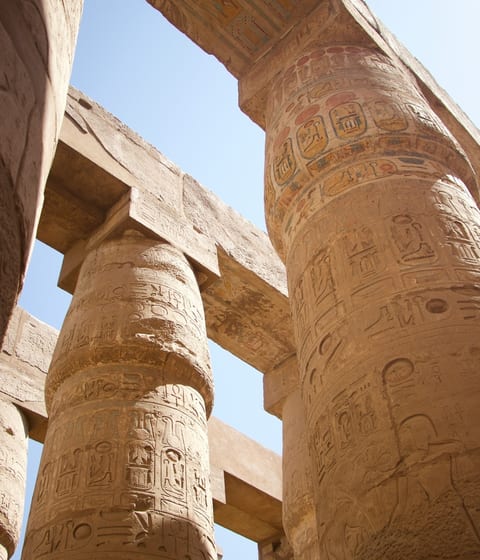
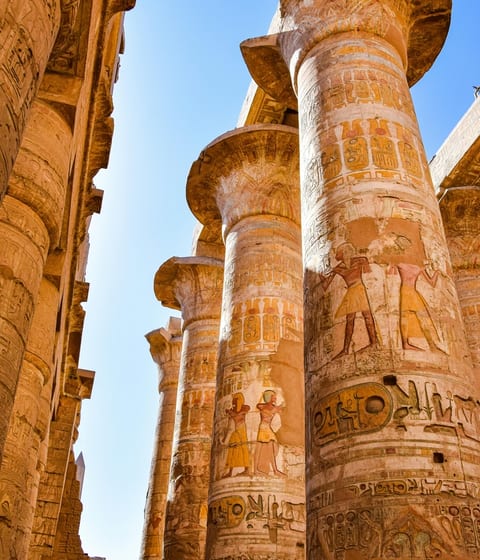
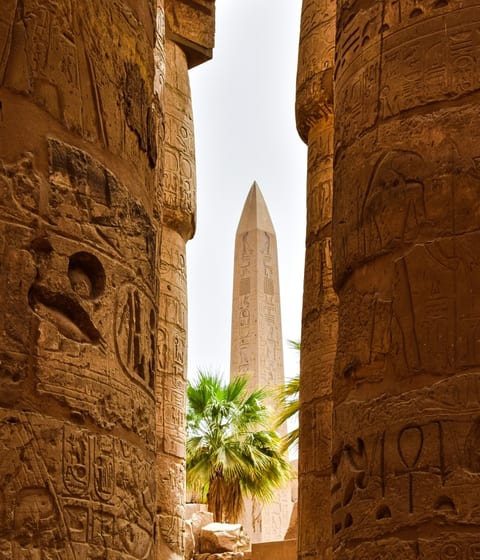
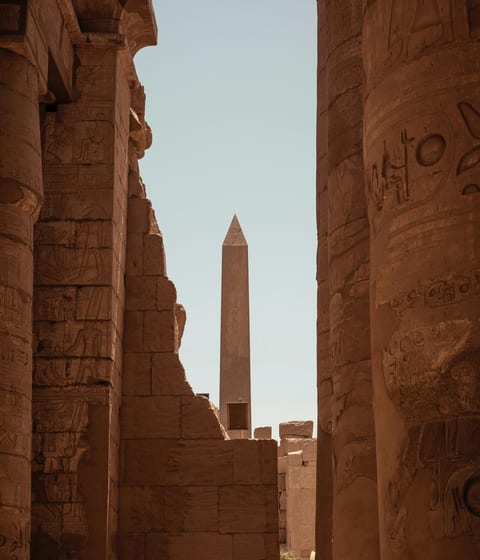
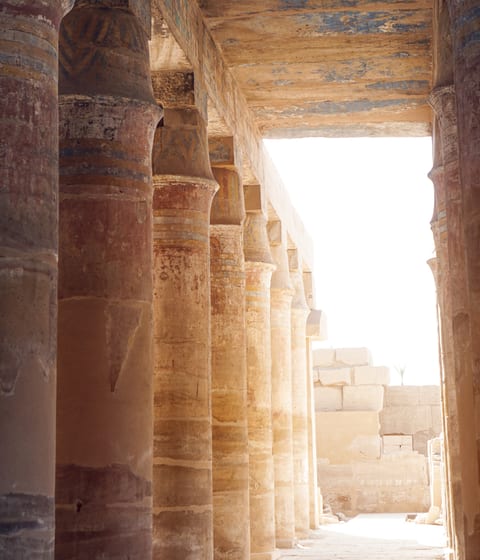
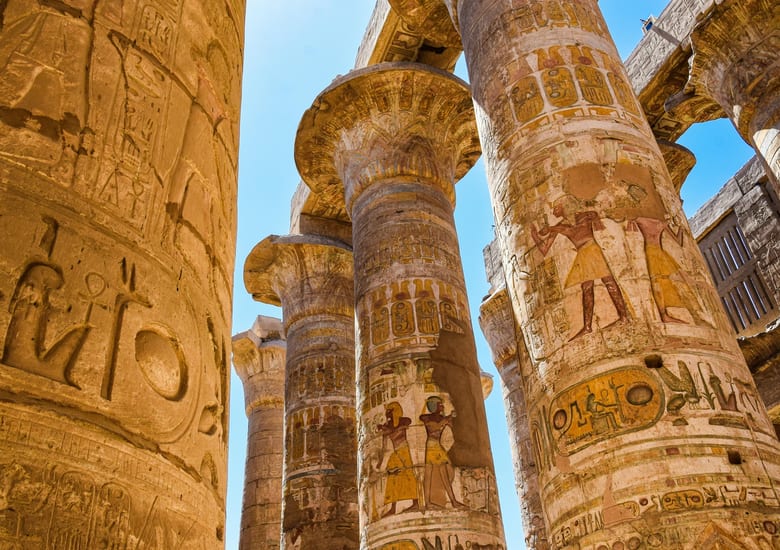
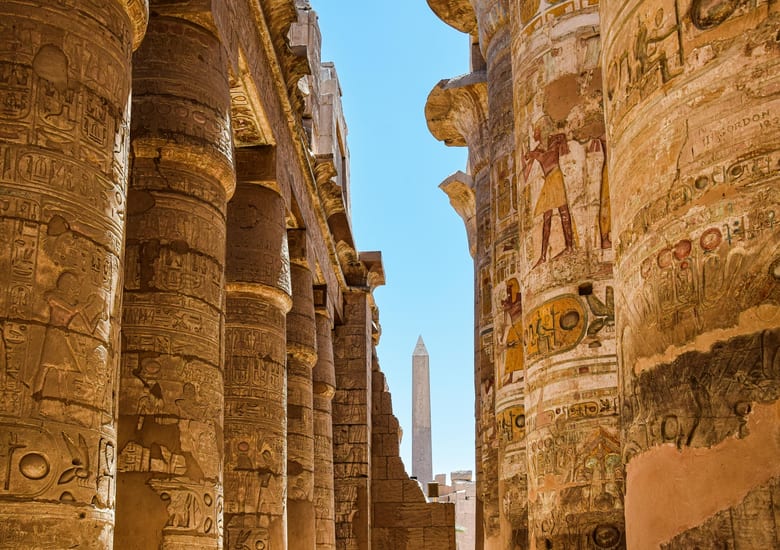
The Canopus moves north through the Esna Lock in the morning, a working river gate that marks the final corridor into Luxor, and this stretch of the journey is yours to spend on deck. By afternoon, Karnak: the largest religious complex ever built, dedicated to the god Amon Ra, its famous hypostyle hall of 134 sandstone columns.

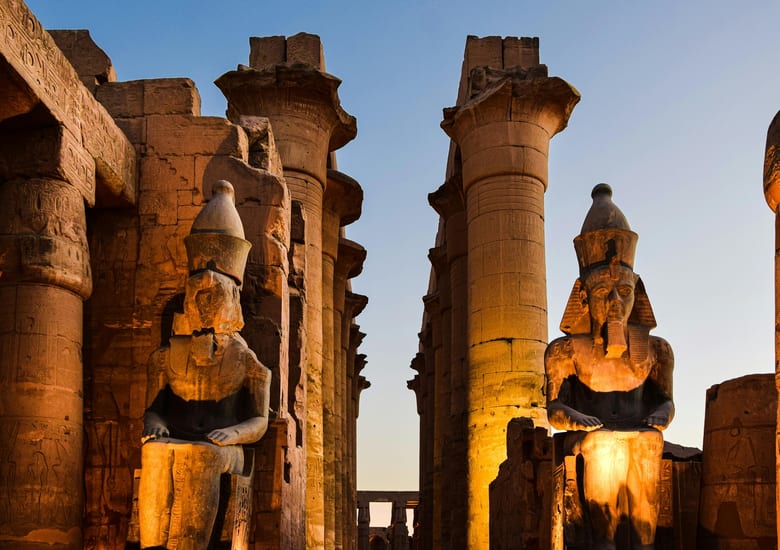
Beyond the standard path, your Egyptologist will lead you into the rarely visited Khonso Temple and Opet Festival Chapel – rooms that most Karnak visitors walk past entirely. Luxor Temple is on the cards at dusk, its stone warming gold as the light drops, connected to Karnak by the ancient processional Sphinx Avenue.

Days 8-10

Luxor

Luxor holds the greatest concentration of ancient monuments anywhere on earth. The east bank carries Karnak and Luxor Temple, both explored from the deck of the Canopus. The west bank, where you’ll spend your final two nights, is where the pharaohs buried their dead: beneath the ochre limestone cliffs of the Valley of the Kings, in tombs of extraordinary ambition and artistry. Your base sits deep on Luxor’s west bank, just minutes from the valley.
Day 8
Three Kings and an Afternoon in the West

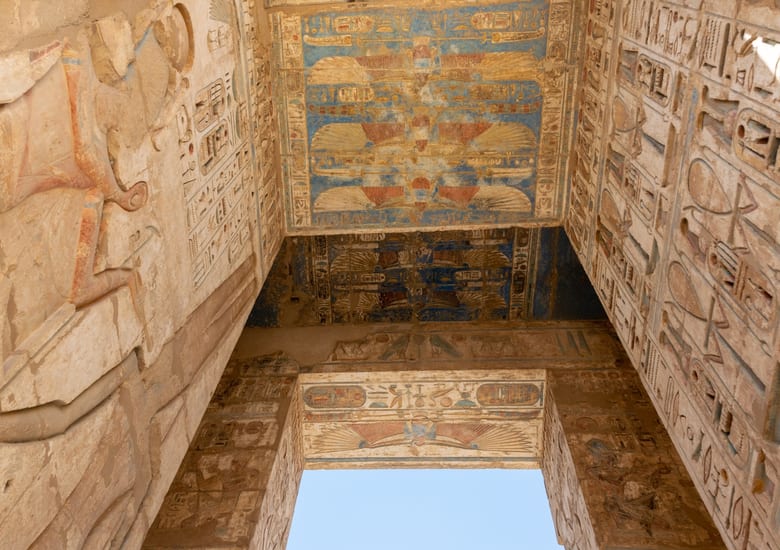
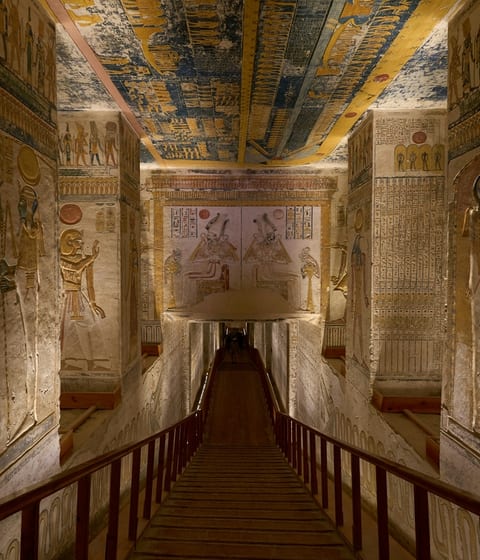
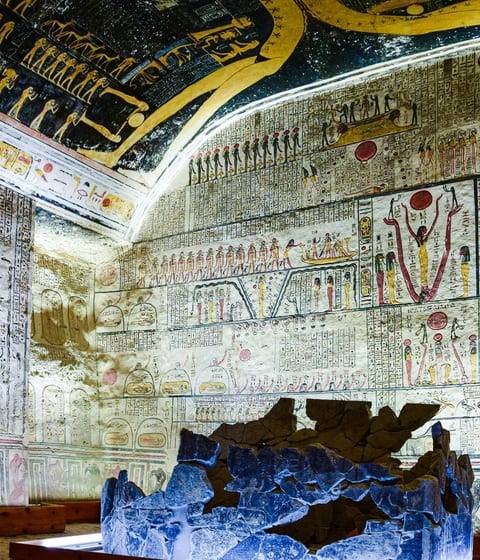
Today, you’ll visit and explore three legendary tombs in the Valley of the Kings. Tutankhamun’s, where over five thousand objects were recovered in 1922. Ramses VI’s, whose ceiling maps the ancient night sky in rich detail. Seti I’s: 450 feet of painted corridors, the finest in the valley, recently returned to visitors after years of closure.

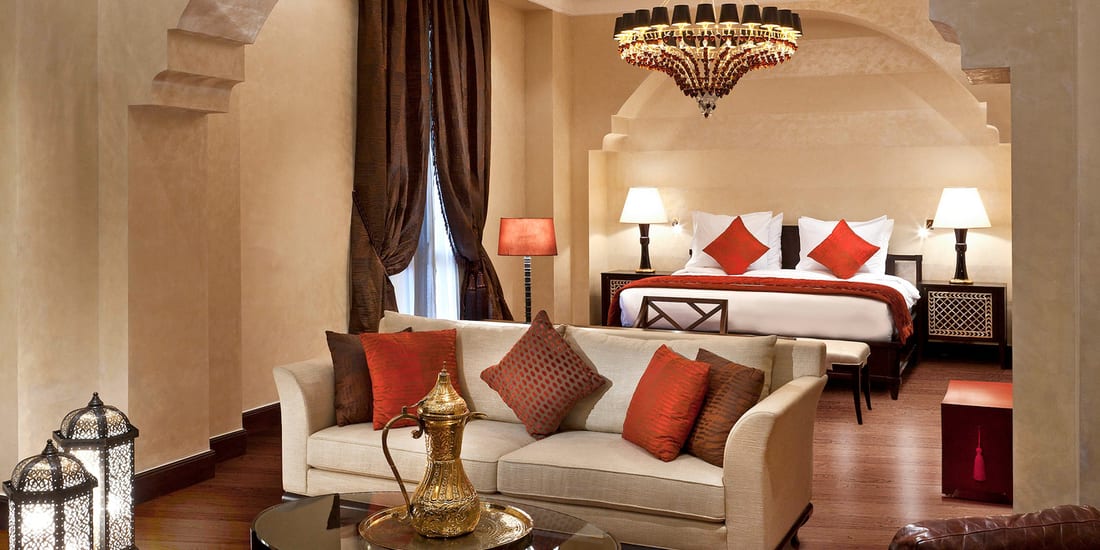
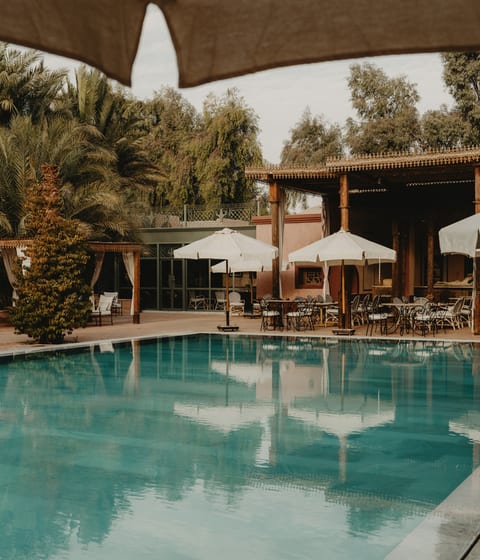
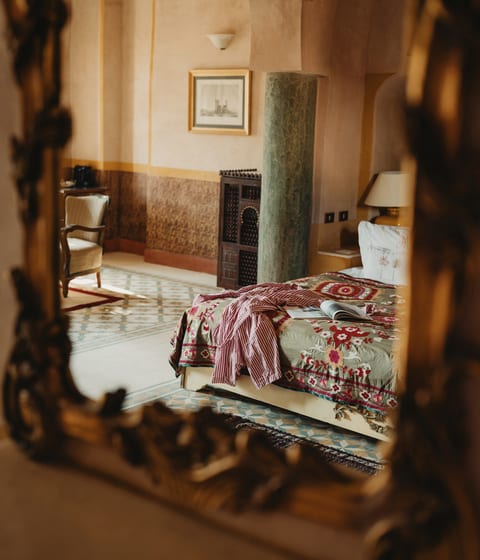
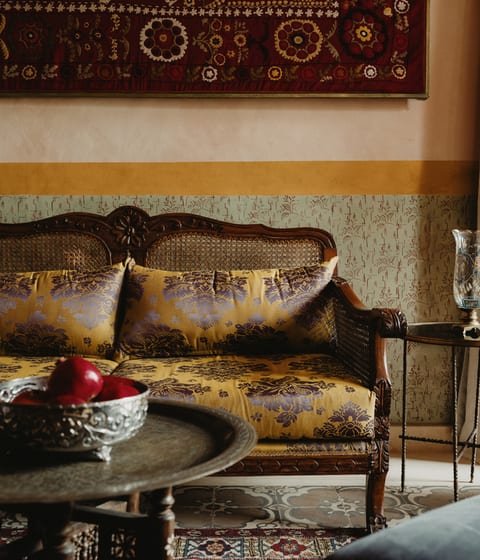
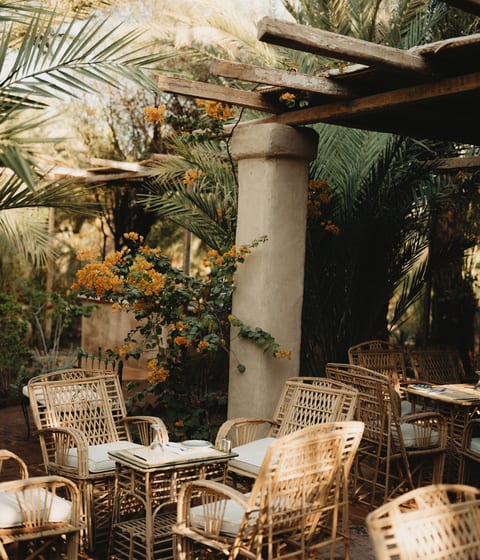
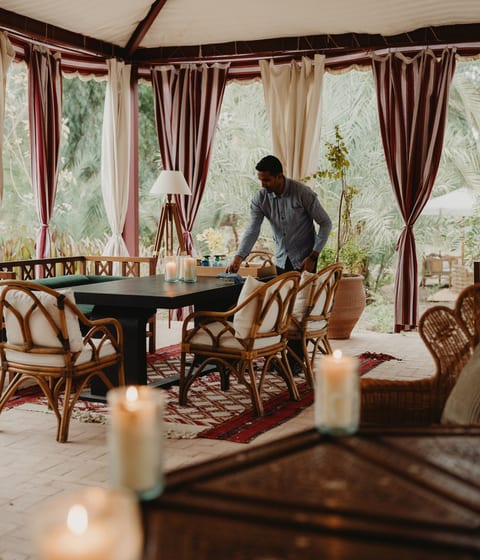
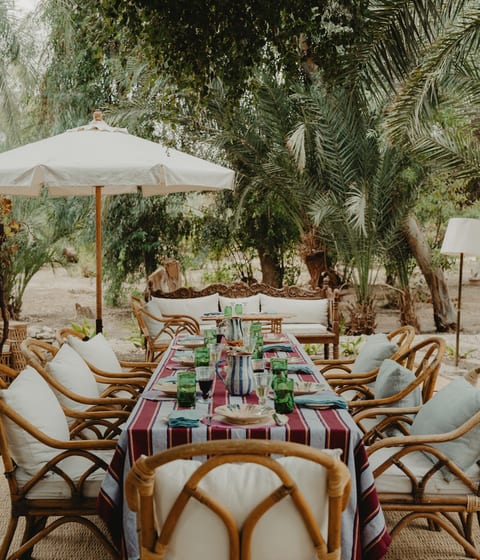
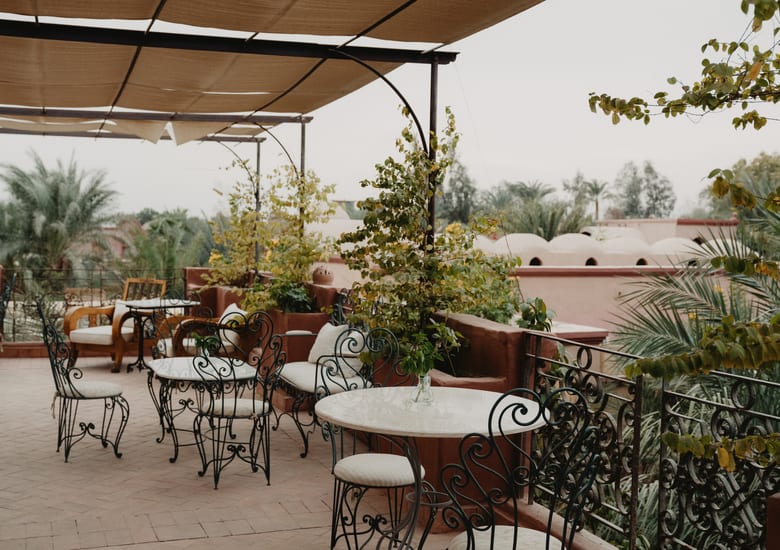
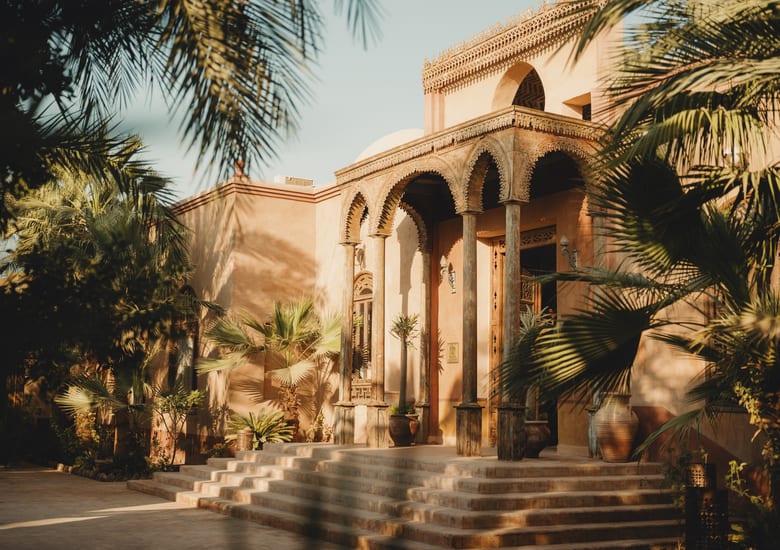
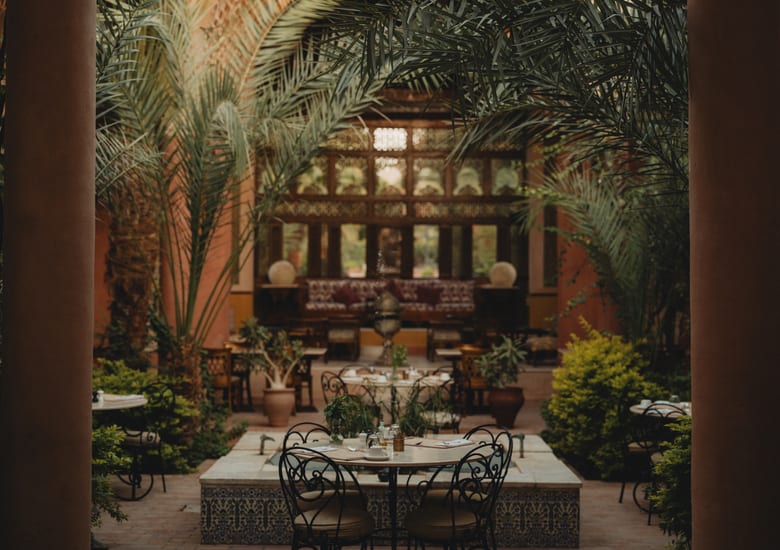
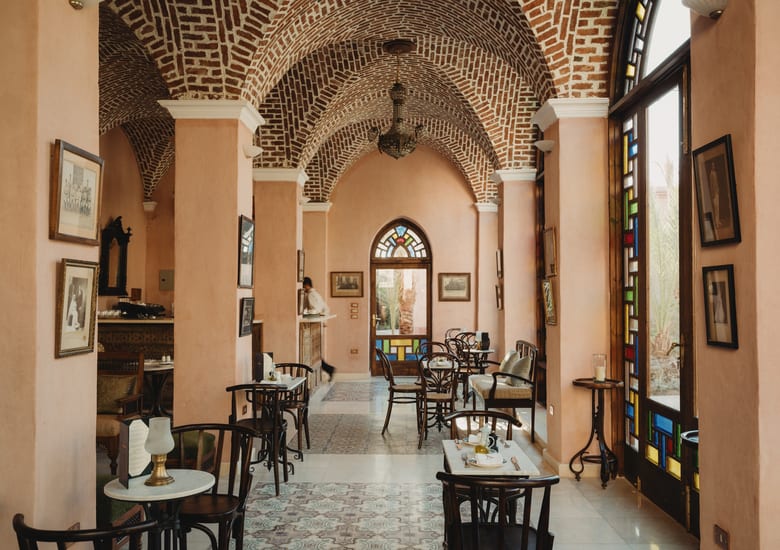
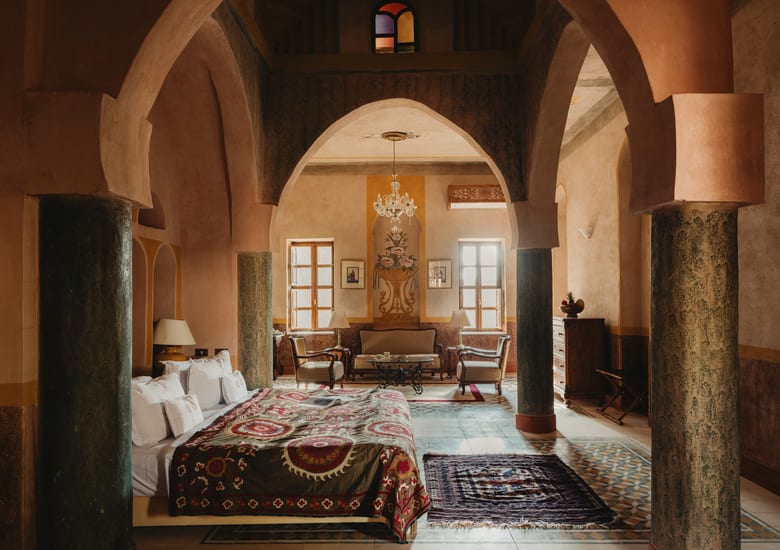
Hatshepsut’s mortuary temple and the twin Colossi of Memnon close out the morning before you settle into Al Moudira. Built around courtyard gardens with domed ceilings, hand-painted frescoes, and rooms furnished with Middle Eastern antiques, it sits on a wide agricultural estate entirely apart from the activity of central Luxor.

Day 9
Before Luxor Wakes

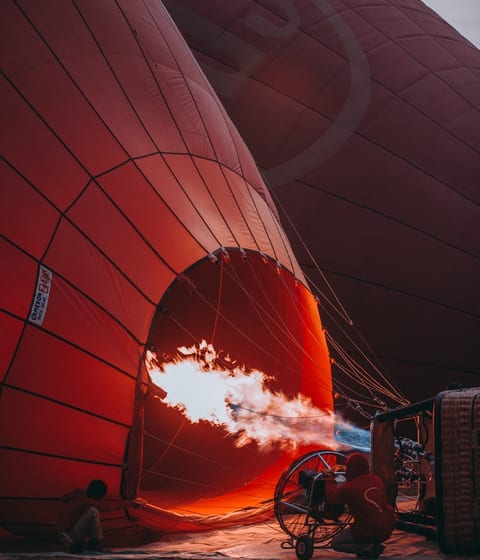
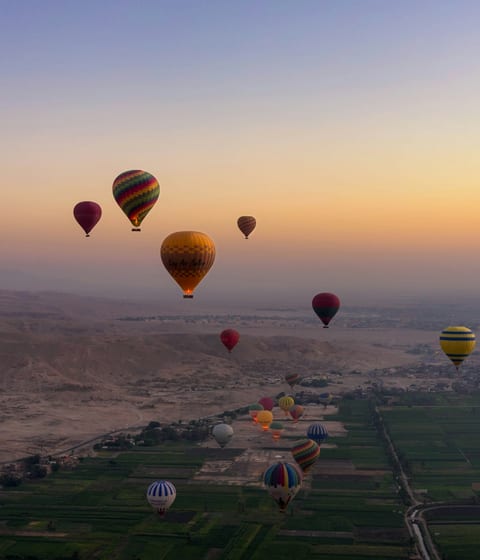
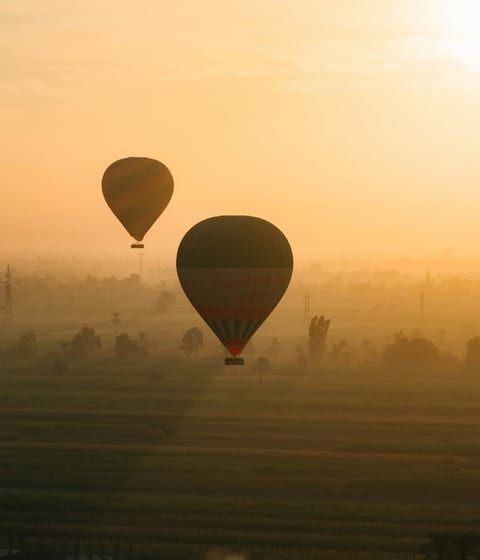
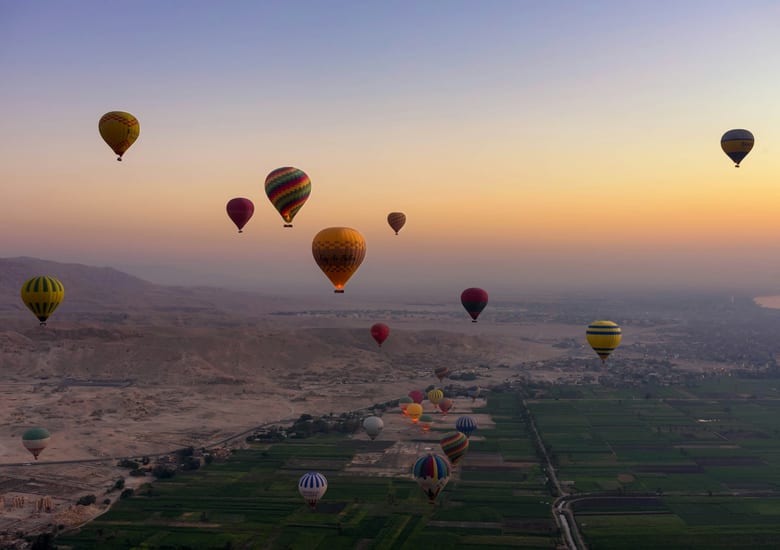
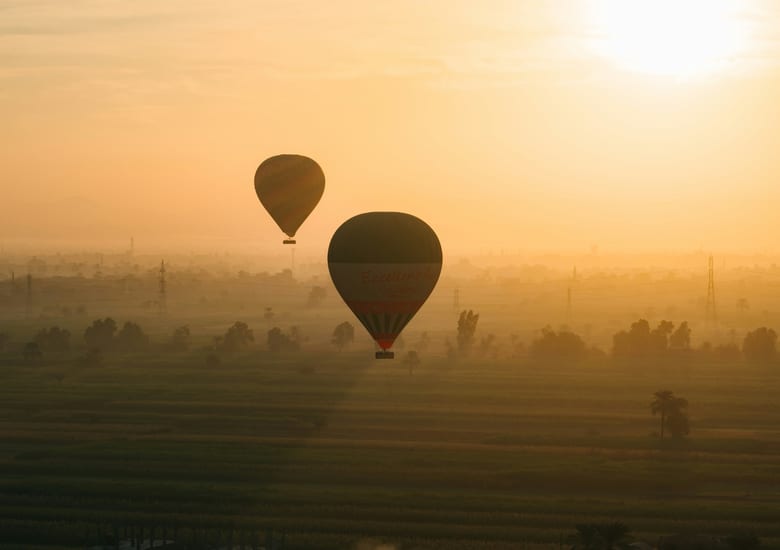
This morning, you’ll board a balloon and rise at first light. Aloft above the Theban plain, the monuments of the west bank arrange themselves below: the Valley of the Kings, Hatshepsut’s temple, the Colossi of Memnon standing in the surrounding fields. No ground-level visit replicates this perspective.

The rest of your day unfolds at Al Moudira, or can be shaped around a cooking class in the village, a bike ride through the surrounding farmland, or a hosted dinner with a local family in Luxor’s countryside. It’s up to you.

Day 10
The Last Morning

Breakfast in Al Moudira’s courtyard gardens, the west bank quiet and the valley still. Luxor airport is a short drive away.

The painted corridors of Seti’s tomb and the open deck of the Canopus, however, will probably stay with you considerably longer than the journey home takes.

So, ready to start?

Start Planning