You are browsing the UK site. Visit our US site.

You are browsing the US site. Visit our UK site.
You are browsing the US site. Visit our Rest of World site.
You are browsing the UK site. Visit our US site.
You are browsing the US site. Visit our UK site.
You are browsing the US site. Visit our Rest of World site.
You are browsing the UK site. Visit our US site.
You are browsing the US site. Visit our UK site.
You are browsing the US site. Visit our Rest of World site.

 Family Holidays
Our team is full of family travellers, meaning we know what it takes to make sure everyone enjoys the experience just as much as each other.
Family Holidays
Our team is full of family travellers, meaning we know what it takes to make sure everyone enjoys the experience just as much as each other.
 Couples Holidays
Our couple itineraries are paced perfectly for you to enjoy the very best a country has to offer whilst making sure you enjoy the quality time together you’re after.
Couples Holidays
Our couple itineraries are paced perfectly for you to enjoy the very best a country has to offer whilst making sure you enjoy the quality time together you’re after.
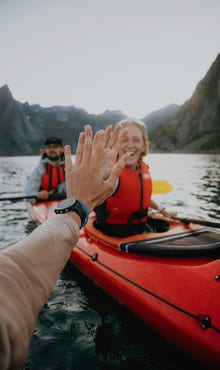 Group Holidays
No matter what the size or the occasion, we’re well versed in taking larger groups of people away for those special adventures.
Group Holidays
No matter what the size or the occasion, we’re well versed in taking larger groups of people away for those special adventures.
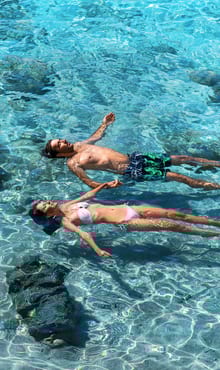 Honeymoons
We’ve been crafting dream itineraries for newly married couples for years. Learn more about the ins and outs of our honeymoon service here.
Honeymoons
We’ve been crafting dream itineraries for newly married couples for years. Learn more about the ins and outs of our honeymoon service here.
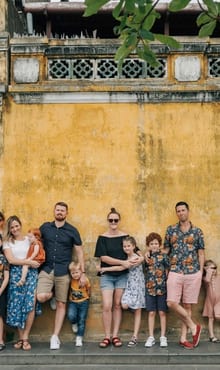 Multi Generational Trips
From very small to very big. Families come in all shapes and sizes, and our multi-generational holidays are perfectly designed to tick the boxes for the whole family.
Multi Generational Trips
From very small to very big. Families come in all shapes and sizes, and our multi-generational holidays are perfectly designed to tick the boxes for the whole family.
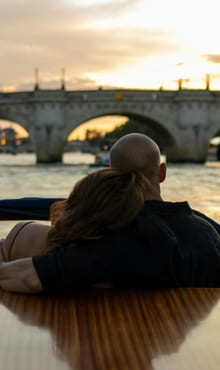 Anniversary Trips
Whether you’re celebrating as a couple, or across multiple generations, our anniversary trips are crafted around the milestone – and the people sharing it.
Anniversary Trips
Whether you’re celebrating as a couple, or across multiple generations, our anniversary trips are crafted around the milestone – and the people sharing it.
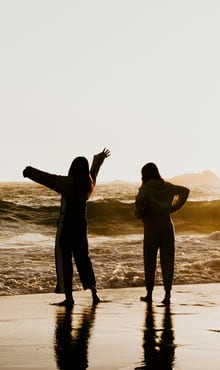 Travel With Teens
This is a list of the very best places to travel with teenagers – one that’s crammed with bragging rights (for them) and bonding moments (for you).
Travel With Teens
This is a list of the very best places to travel with teenagers – one that’s crammed with bragging rights (for them) and bonding moments (for you).
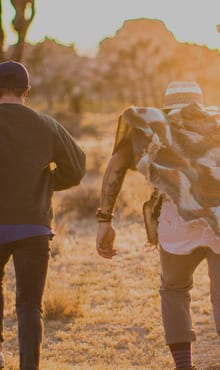 Grown Up Family Holidays
As your children become adults, your family trips are also due to change and grow. These are our favourite trips for you and your grown up family.
Grown Up Family Holidays
As your children become adults, your family trips are also due to change and grow. These are our favourite trips for you and your grown up family.
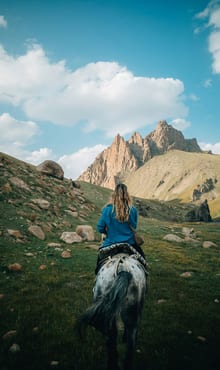 Solo Holidays
Our travel experts have experienced the thrills and challenges of solo travel, all with the aim of producing some of our most immersive and exciting itineraries.
Solo Holidays
Our travel experts have experienced the thrills and challenges of solo travel, all with the aim of producing some of our most immersive and exciting itineraries.
 View All
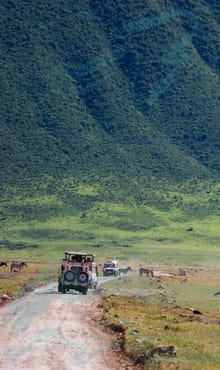
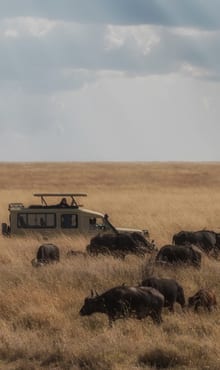 Safari Holidays
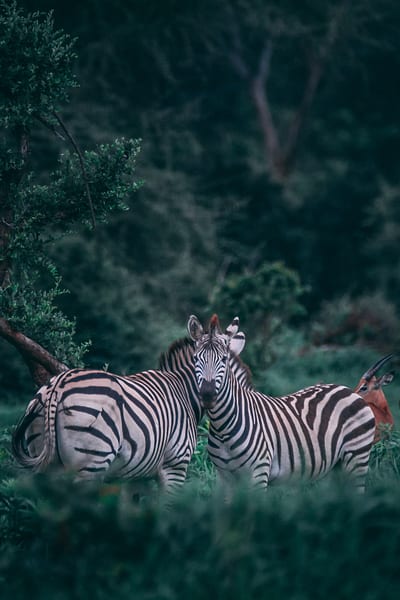
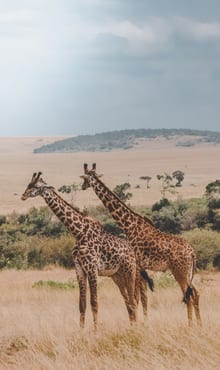
With a team of experts that have worked as conservationists and wildlife photographers, we have the expertise to make your safari dreams come true.
Safari Holidays
With a team of experts that have worked as conservationists and wildlife photographers, we have the expertise to make your safari dreams come true.
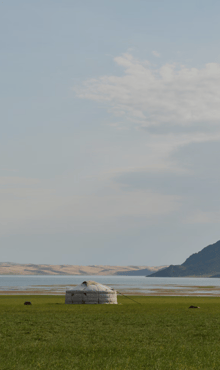 Remote Destinations
We’ve chosen these experiences, destinations and adventures to bring you closer to the great outdoors. This is your ticket to our wonderful world.
Remote Destinations
We’ve chosen these experiences, destinations and adventures to bring you closer to the great outdoors. This is your ticket to our wonderful world.
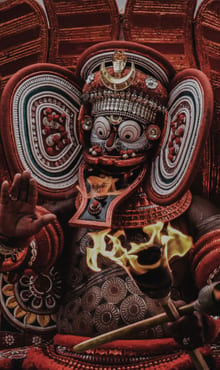 Unusual Holidays
The world may be conquered, but enough secrets remain to keep us up all night, dreaming of ways to whisk you off to the most unique corners of the globe. Where first?
Unusual Holidays
The world may be conquered, but enough secrets remain to keep us up all night, dreaming of ways to whisk you off to the most unique corners of the globe. Where first?
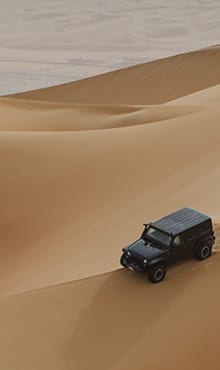 Adventure Holidays
Hike across mountain ridgelines, scramble across glaciers and kayak down rivers – these trips are designed to immerse you in vast wildernesses and ancient cultures.
Adventure Holidays
Hike across mountain ridgelines, scramble across glaciers and kayak down rivers – these trips are designed to immerse you in vast wildernesses and ancient cultures.
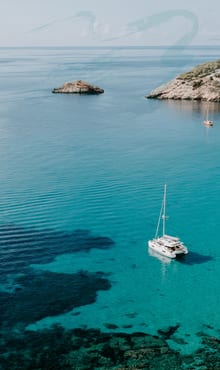
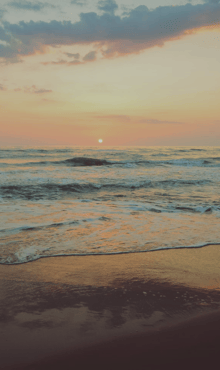 Beach Holidays
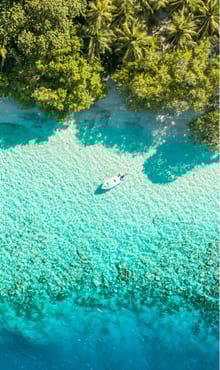
Porcelain shores, perfect seas and swaying palms; the allure of a beach break is hard to ignore. Which is why we handpick the best beachfront boltholes to offer you…
Beach Holidays
Porcelain shores, perfect seas and swaying palms; the allure of a beach break is hard to ignore. Which is why we handpick the best beachfront boltholes to offer you…
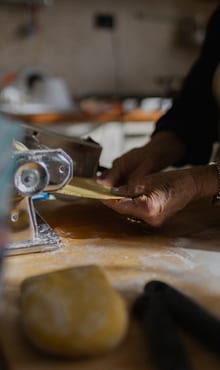 Food Holidays
Food and travel have long gone hand in hand, and we have put together some mouth-watering trips that capture the palate, of countries across the world. Bon appétit.
Food Holidays
Food and travel have long gone hand in hand, and we have put together some mouth-watering trips that capture the palate, of countries across the world. Bon appétit.
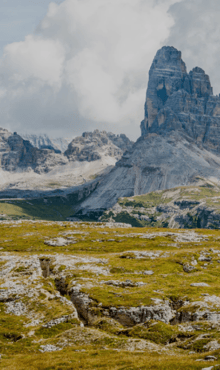 Slow Travel
As the world becomes busier, slow travel has never felt so fitting. Whether it’s meeting fishermen in Maine or learning the Dukha-way in Mongolia, take time to connect.
Slow Travel
As the world becomes busier, slow travel has never felt so fitting. Whether it’s meeting fishermen in Maine or learning the Dukha-way in Mongolia, take time to connect.
 Eclipse Holidays
Eclipse travel celebrates our place in the wider cosmos. Let us take you to wherever in the world the eclipse is at its most arresting, and we’ll do it in style.
Eclipse Holidays
Eclipse travel celebrates our place in the wider cosmos. Let us take you to wherever in the world the eclipse is at its most arresting, and we’ll do it in style.
 Proposal Service
Found the one and want to propose in style? The moment will be a memory forever and we’re here to help you make sure it’s the most perfect moment for you and your loved one.
Proposal Service
Found the one and want to propose in style? The moment will be a memory forever and we’re here to help you make sure it’s the most perfect moment for you and your loved one.
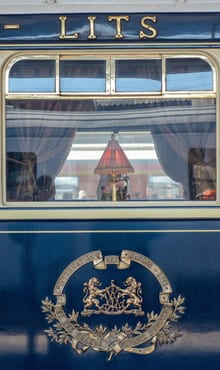 Train Travel
“It’s not the destination, it’s the journey.” We’ve all heard this, haven’t we? And with these captivating luxury train journeys, we’ll show you the joy to be found travelling across the world by rail.
Train Travel
“It’s not the destination, it’s the journey.” We’ve all heard this, haven’t we? And with these captivating luxury train journeys, we’ll show you the joy to be found travelling across the world by rail.
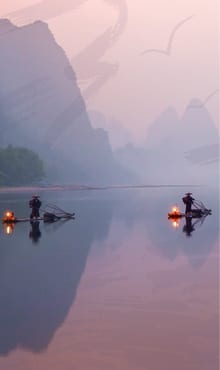 The Pursuit of Feeling
From impassioned and emotive journeys, to podcasts and our Feelings Engine, you’ll find something to move you and something to soothe you. We want to fire your heart and provide food for your soul.
The Pursuit of Feeling
From impassioned and emotive journeys, to podcasts and our Feelings Engine, you’ll find something to move you and something to soothe you. We want to fire your heart and provide food for your soul.
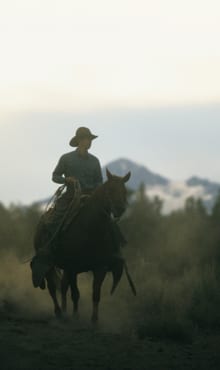 Set Jetting
Swapping salubrious saloons and questionable lodgings for sumptuous hotels and eye-opening experiences, each of our show-stopping journeys will take you behind scenes of some of TV’s most awe-inspiring locations.
Set Jetting
Swapping salubrious saloons and questionable lodgings for sumptuous hotels and eye-opening experiences, each of our show-stopping journeys will take you behind scenes of some of TV’s most awe-inspiring locations.
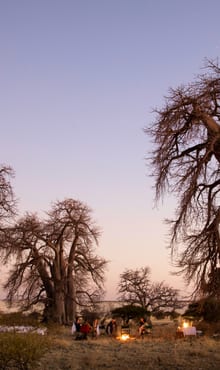 See You in the Moment
You need only bring yourselves – your people, your histories. We’ll provide the moment itself. The anticipation, the togetherness, the memory. This is something to savour. This is something to remember.
See You in the Moment
You need only bring yourselves – your people, your histories. We’ll provide the moment itself. The anticipation, the togetherness, the memory. This is something to savour. This is something to remember.
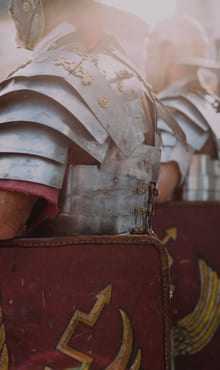 Field Trip
Education begins in the classroom, but it’s IRL that younger generations put their lessons to the test. Field Trip is a curriculum of educational encounters around the world.
Field Trip
Education begins in the classroom, but it’s IRL that younger generations put their lessons to the test. Field Trip is a curriculum of educational encounters around the world.
 Take me on a Story
A series of family experiences celebrating the transformative power of the books we loved when we were young, and the stories our children have come to adore.
Take me on a Story
A series of family experiences celebrating the transformative power of the books we loved when we were young, and the stories our children have come to adore.
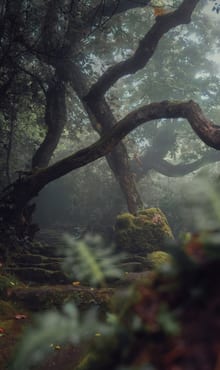 Get Lost
Designed as a once-in-a-lifetime challenge, train with elite survival experts before traversing a polar, jungle, coastal, mountain or desert region in your mission back to civilisation.
Get Lost
Designed as a once-in-a-lifetime challenge, train with elite survival experts before traversing a polar, jungle, coastal, mountain or desert region in your mission back to civilisation.
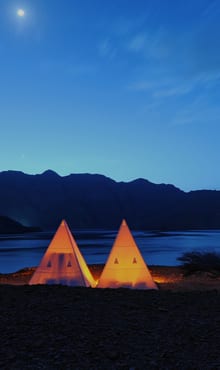 Blink
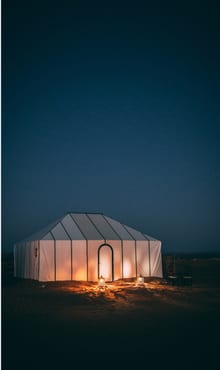
The ultimate luxury camping retreat. From the Sahara desert to the Andean Mountains, with Blink anywhere you can envisage it, we will create it.
Blink
The ultimate luxury camping retreat. From the Sahara desert to the Andean Mountains, with Blink anywhere you can envisage it, we will create it.
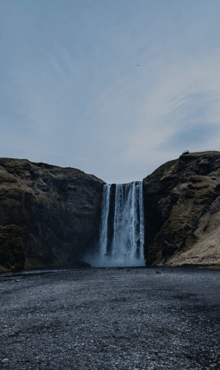 Bring it Back
Bring It Back will embed you in an entirely different way of thinking, and of learning about a culture directly from its experts on the ground. You may be surprised by what you discover.
Bring it Back
Bring It Back will embed you in an entirely different way of thinking, and of learning about a culture directly from its experts on the ground. You may be surprised by what you discover.
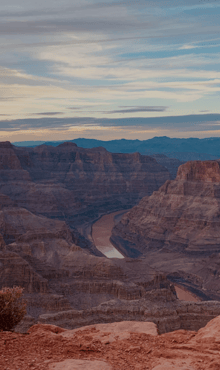 The Great American View
This series of breathtaking journeys culminate in some of America’s most legendary sights. They are the places you’ve always sought out, and now it’s your time to find them.
The Great American View
This series of breathtaking journeys culminate in some of America’s most legendary sights. They are the places you’ve always sought out, and now it’s your time to find them.
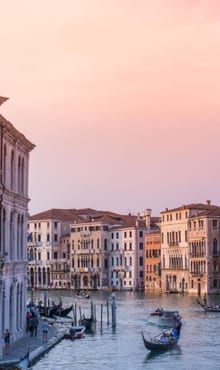 James Bond
We are proud to have been selected as the official travel partner to curate James Bond inspired trips.
James Bond
We are proud to have been selected as the official travel partner to curate James Bond inspired trips.
 Agatha Christie
We’ve been hand-picked by Agatha Christie Limited to help bring Agatha’s world-famous Grand Tour to life through a series of episodic trips across Africa, Australasia and North America, and a unique prelude in London.
Agatha Christie
We’ve been hand-picked by Agatha Christie Limited to help bring Agatha’s world-famous Grand Tour to life through a series of episodic trips across Africa, Australasia and North America, and a unique prelude in London.
 Tasting Notes
Eating at a Michelin – starred restaurant is one thing. But now you can learn about the country through the lens of some of the most critically acclaimed chefs in the world, by travelling with them on the ultimately culinary experience
Tasting Notes
Eating at a Michelin – starred restaurant is one thing. But now you can learn about the country through the lens of some of the most critically acclaimed chefs in the world, by travelling with them on the ultimately culinary experience
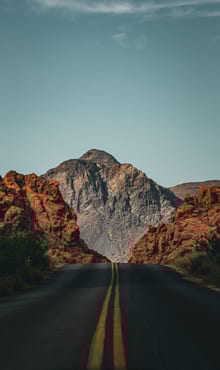 Take the Open Road with Auberge
With the iconic hotel brand Auberge Resorts, we’ve created a new series of tailormade, luxurious road trip itineraries. Emblems of America’s most iconic landscapes, regions, and people.
Take the Open Road with Auberge
With the iconic hotel brand Auberge Resorts, we’ve created a new series of tailormade, luxurious road trip itineraries. Emblems of America’s most iconic landscapes, regions, and people.
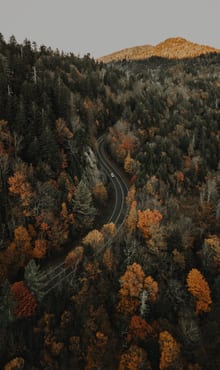 Remarkable Drives of Discovery with Auberge
Following on from the much lauded ‘Take the Open Road’ series, here’s five brand-new bespoke, multi-destination trips created with our friends at Auberge Resorts Collection. Delve deeper than ever before.
Remarkable Drives of Discovery with Auberge
Following on from the much lauded ‘Take the Open Road’ series, here’s five brand-new bespoke, multi-destination trips created with our friends at Auberge Resorts Collection. Delve deeper than ever before.
Or filter further
Explore our inspiring experiences based on when you want to travel and how you want to feel.
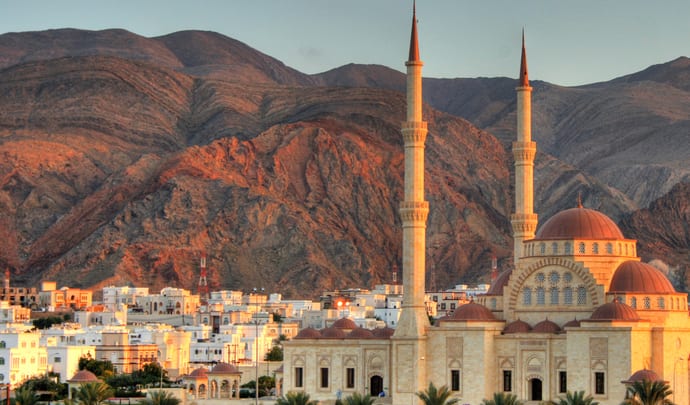
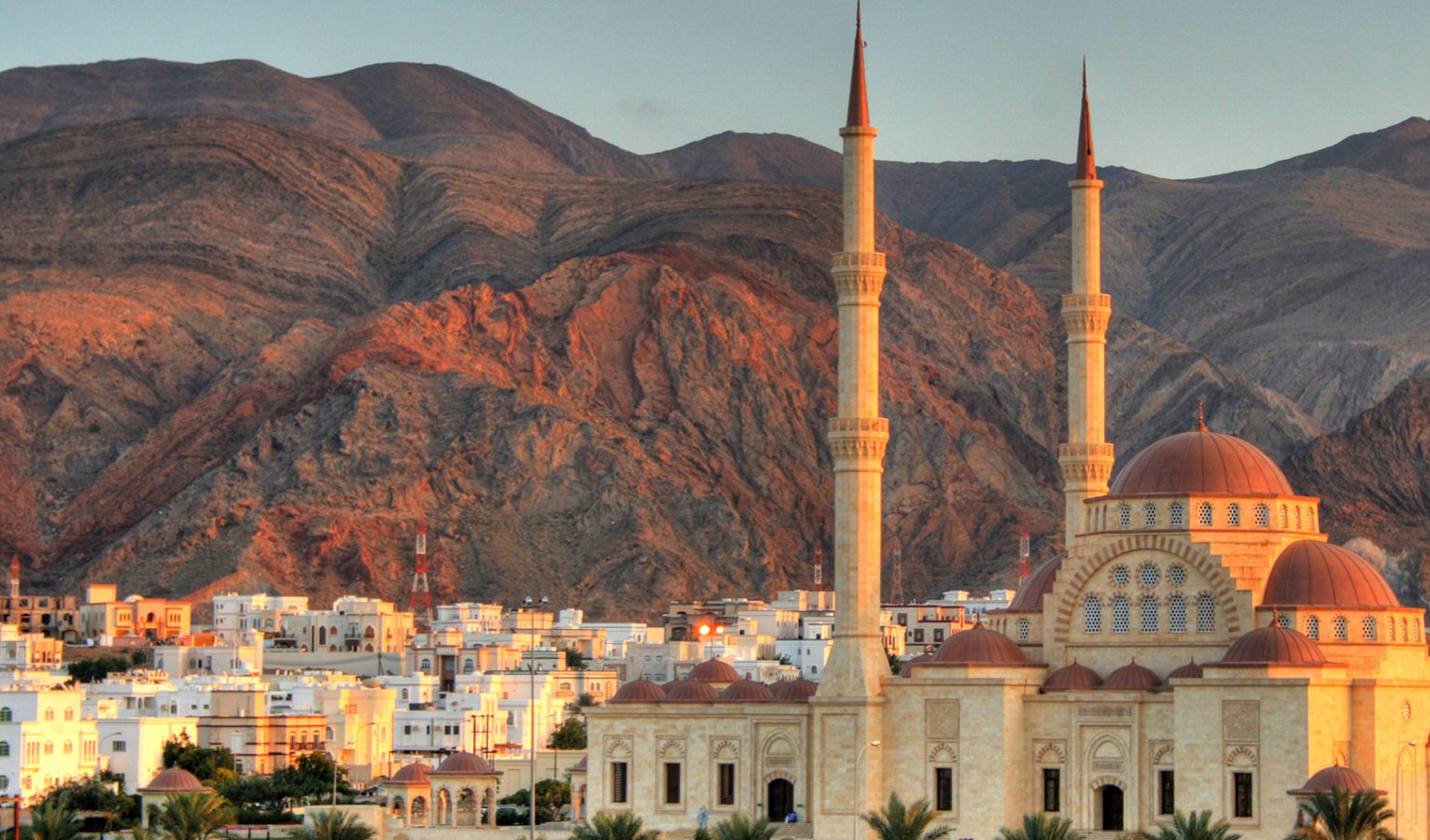
Roses, spices, apricots, coffee, and incense. Whether you’re hiking in the Jebel Akhdar mountains or navigating the winding streets of Jerusalem, these captivating Middle Eastern destinations are a treat for all the senses. Between pita baking workshops, hot stone massages, dry desert heat, lavish Ottoman summer palaces, and spectacular mosques — here, you’ll find the perfect blend of rich history and modern luxuries. From ancient realms and lost cities to towering skyscrapers and private pools. For those who want a luxury Middle East holiday that goes beyond the obvious — beyond the well-worn routes and the crowded viewpoints — this is where we start.
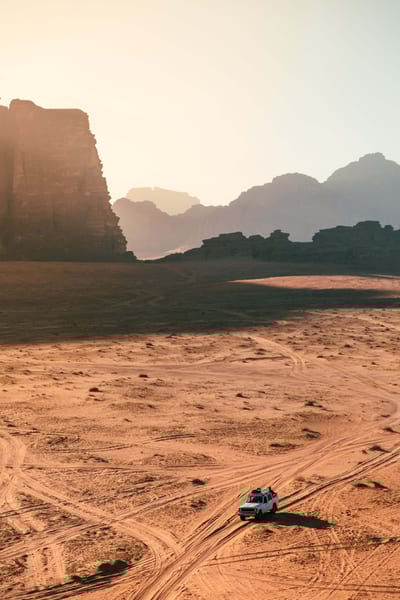
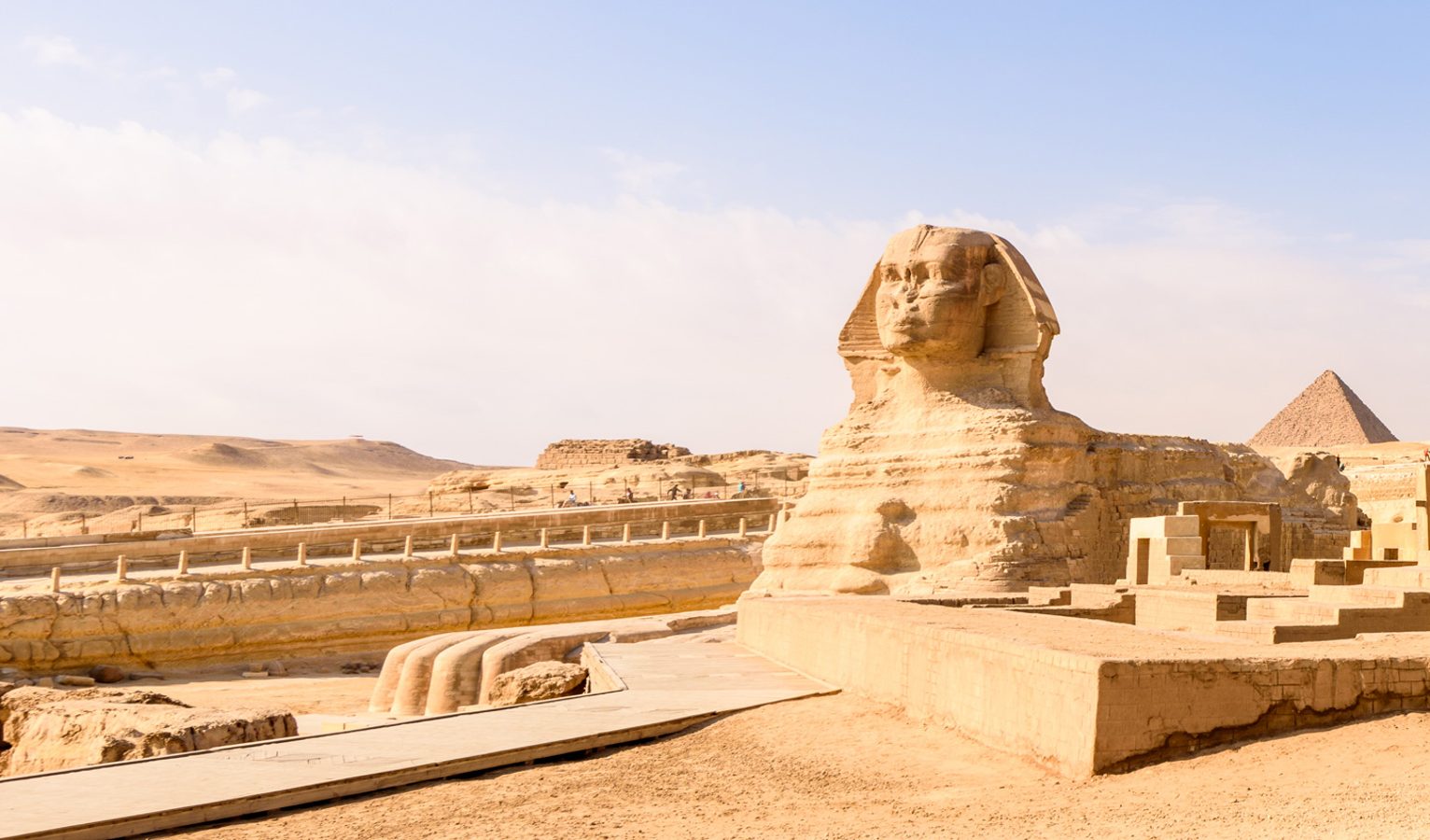
Since 2005 we have taken travellers to the Middle East’s most extraordinary corners: private access between the paws of the Sphinx with an Egyptologist, Petra entered through the Siq at sunrise before the crowds arrive, a night in a Bedouin luxury camp at the foot of Wadi Rum with dinner served under the stars. We didn’t buy this access; we earned it through two decades of relationships with guides, local operators, and families across the region. We build every itinerary around you — your pace, your group, and how you want this journey to feel.
The Middle East rewards the multi-country trip. Jordan and Egypt share a border and a weight of history — Petra and the Valley of the Kings in the same itinerary is entirely possible. Jordan and Oman complement each other in landscape and character: the rose-red desert of Wadi Rum gives way to the mountain terraces and green valleys of Jebel Akhdar. Turkey sits at the edge of the region geographically but belongs in the same conversation — Istanbul connects directly to Cappadocia, and from there to Oman or Jordan in a single connection. We plan the routing, the transfers, and the logistics so the journey flows rather than feels stitched together.
The Middle East is ancient, layered, and extraordinarily well-visited in parts — which means the gap between a standard trip and an exceptional one comes down to access. A private archaeologist walking you through an active excavation site in Luxor. A Bedouin family’s home for dinner in Wadi Rum. The Petra Treasury seen at 6am before a single other visitor has walked the Siq. The Musandam fjords from a private dhow with a captain whose family has sailed these waters for four generations. These are the experiences we build into itineraries not because they impress on paper but because they change how the trip feels.
Egypt
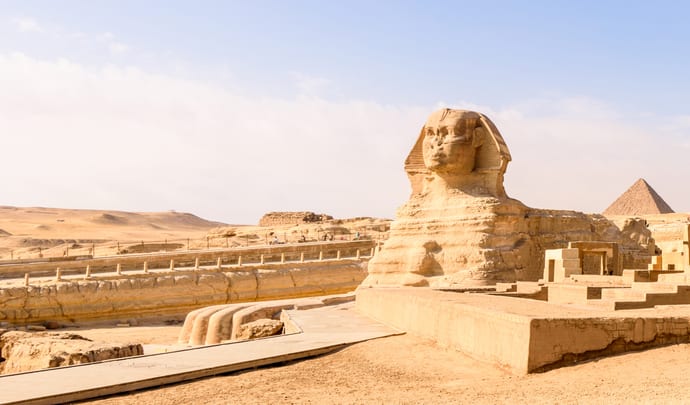
No other place on earth carries quite this weight of history. The Pyramids of Giza have been stopping people in their tracks for four and a half thousand years, and they still do. We’ll get you private access between the paws of the Sphinx with an expert archaeologist, into active excavation sites in the Valley of the Kings where history is still being uncovered, and onto a felucca drifting south past Nubian villages and crocodile temples. At Karnak, 30 pharaohs left their mark across two millennia of stone. Egypt doesn’t whisper any of this. It announces it.
Ancient Lands
Jerusalem is unlike anywhere else — a city where the Western Wall, the Dome of the Rock, and the Church of the Holy Sepulchre stand within walking distance of each other, three faiths compressed onto the same ancient stones. From there, Jordan unfolds: Petra entered by candlelight through a winding gorge, then Wadi Rum by hot-air balloon at sunrise, its vast red desert floor mapped by ancient caravan routes far below. Turkey adds another layer entirely — Istanbul straddling two continents, its spice bazaar dating to 1660, the Bosphorus carrying the weight of Ottoman history on every crossing.
The Gulf
What makes the Gulf so compelling is precisely its contradictions. In Oman’s Wahiba Sands, Bedouin families still navigate dunes that rise 100 meters above nothing, as they always have. An hour away by flight, Dubai has built the world’s tallest tower above a city that barely existed 60 years ago. We’ll take you up it by private helicopter, sandboarding the desert at dawn, and on to Qatar’s extraordinary museums before the emptiness beyond them. Abu Dhabi’s Sheikh Zayed Grand Mosque — white, vast, and completely still — sits somewhere between both worlds, and so does the Gulf itself.
Kempinski Hotel Ishtar
Six Senses Shaharut, Negev Desert
The Jaffa, Tel Aviv
For a luxury Middle East holiday focused on a single country — Jordan, Oman, or Egypt — ten days to two weeks gives you enough time to move between regions without feeling rushed. Combining two countries — Jordan and Oman, or Egypt and Jordan — works well in two to three weeks. Turkey adds its own scale and benefits from at least ten days on its own. We also design shorter luxury Middle East breaks — a week in Jordan covering Amman, Petra, and Wadi Rum — for those with limited time. Your specialist will structure the itinerary around your dates rather than a fixed template.
Yes, and it’s often the most rewarding approach to a luxury Middle East holiday. Jordan and Egypt connect easily by short flight and share a natural geographical and historical logic — the Dead Sea, Petra, and Wadi Rum flowing into Cairo, Luxor, and the Nile. Jordan and Oman contrast well: one defined by ancient desert civilisations, the other by fjords, mountain terraces, and a coastline that stretches into the Arabian Sea. We handle all the routing, transfers, and logistics so the transitions between countries feel considered rather than purely logistical.
The best time for a luxury Middle East holiday depends on where you are going. Jordan and Oman are best October to April — spring and autumn are ideal, with cooler temperatures for hiking and desert experiences. Egypt’s Nile corridor is most comfortable October to March; the coast can be visited year-round. Turkey splits seasonally: Istanbul is excellent year-round, Cappadocia is magical in winter snow but October to May avoids the summer crowds, and the Aegean and Mediterranean coasts peak May to October. We factor all of this into every itinerary and will tell you honestly if your dates are not ideal for a chosen destination — and suggest alternatives if they are not.
For a first luxury Middle East holiday, Jordan is the most compelling entry point. Petra, Wadi Rum, the Dead Sea, and Amman give you four completely different experiences within a single country, and the infrastructure for luxury travel is well developed throughout. Oman is the right choice for those drawn to landscape above all else — the Jebel Akhdar mountains, Wahiba Sands, and the Musandam Peninsula are genuinely unlike anywhere else. Egypt suits those drawn to ancient history and the scale of the Nile. Wherever you start, we will design the itinerary around what matters to you — and tell you honestly where to go next time.
The cost of a luxury Middle East holiday depends on the countries you visit, the duration, the style of accommodation, and the size of your group. Jordan and Oman tend to offer exceptional quality at the more accessible end of the luxury spectrum; Israel and Egypt at the higher end, particularly when private Egyptologist access or exclusive desert lodges are involved. Multi-country itineraries carry additional logistics and cost. We price every luxury Middle East trip individually based on your specific requirements — and there are no planning fees. Speak to one of our specialists to discuss what the right trip looks like for you.
“Using AI To Plan Travel: Black Tomato’s New Tool May Reinvent How You Book”

“The hardest parts of travel planning is getting started. The Feelings Engine makes that feel like a game worth playing”

“Many companies brag about offering once-in-a-lifetime experiences. But with Black Tomato it’s not hyperbole”

“Black Tomato is a super innovative company where the sky is the limit for their clients”

“Luxury travel company, Black Tomato, specialises in the trip you didn’t even realize you had been dreaming of”

“Black Tomato has made it a mission to keep the world of travel fresh, responsible, and exciting”

“Black Tomato is a leading luxury travel company that provides innovative and inspiring experiences”