You are browsing the UK site. Visit our US site.

You are browsing the US site. Visit our UK site.
You are browsing the US site. Visit our Rest of World site.
You are browsing the UK site. Visit our US site.
You are browsing the US site. Visit our UK site.
You are browsing the US site. Visit our Rest of World site.
You are browsing the UK site. Visit our US site.
You are browsing the US site. Visit our UK site.
You are browsing the US site. Visit our Rest of World site.

 Family Holidays
Our team is full of family travellers, meaning we know what it takes to make sure everyone enjoys the experience just as much as each other.
Family Holidays
Our team is full of family travellers, meaning we know what it takes to make sure everyone enjoys the experience just as much as each other.
 Couples Holidays
Our couple itineraries are paced perfectly for you to enjoy the very best a country has to offer whilst making sure you enjoy the quality time together you’re after.
Couples Holidays
Our couple itineraries are paced perfectly for you to enjoy the very best a country has to offer whilst making sure you enjoy the quality time together you’re after.
 Group Holidays
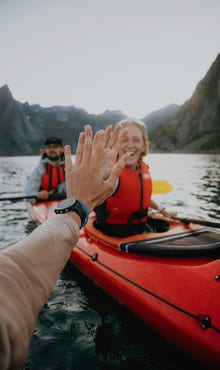
No matter what the size or the occasion, we’re well versed in taking larger groups of people away for those special adventures.
Group Holidays
No matter what the size or the occasion, we’re well versed in taking larger groups of people away for those special adventures.
 Honeymoons
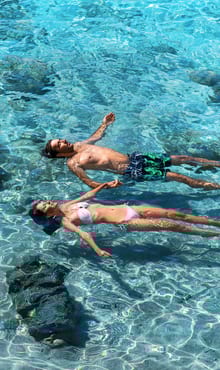
We’ve been crafting dream itineraries for newly married couples for years. Learn more about the ins and outs of our honeymoon service here.
Honeymoons
We’ve been crafting dream itineraries for newly married couples for years. Learn more about the ins and outs of our honeymoon service here.
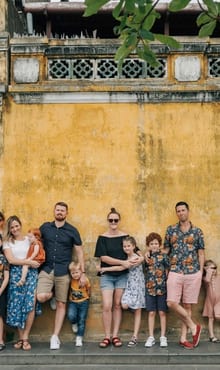 Multi Generational Trips
From very small to very big. Families come in all shapes and sizes, and our multi-generational holidays are perfectly designed to tick the boxes for the whole family.
Multi Generational Trips
From very small to very big. Families come in all shapes and sizes, and our multi-generational holidays are perfectly designed to tick the boxes for the whole family.
 Anniversary Trips
Whether you’re celebrating as a couple, or across multiple generations, our anniversary trips are crafted around the milestone – and the people sharing it.
Anniversary Trips
Whether you’re celebrating as a couple, or across multiple generations, our anniversary trips are crafted around the milestone – and the people sharing it.
 Travel With Teens
This is a list of the very best places to travel with teenagers – one that’s crammed with bragging rights (for them) and bonding moments (for you).
Travel With Teens
This is a list of the very best places to travel with teenagers – one that’s crammed with bragging rights (for them) and bonding moments (for you).
 Grown Up Family Holidays
As your children become adults, your family trips are also due to change and grow. These are our favourite trips for you and your grown up family.
Grown Up Family Holidays
As your children become adults, your family trips are also due to change and grow. These are our favourite trips for you and your grown up family.
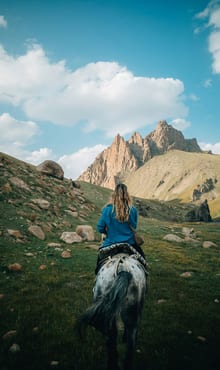 Solo Holidays
Our travel experts have experienced the thrills and challenges of solo travel, all with the aim of producing some of our most immersive and exciting itineraries.
Solo Holidays
Our travel experts have experienced the thrills and challenges of solo travel, all with the aim of producing some of our most immersive and exciting itineraries.
 View All
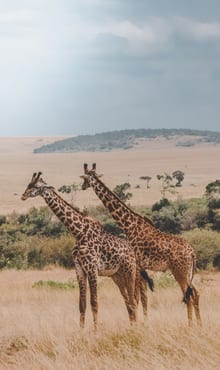
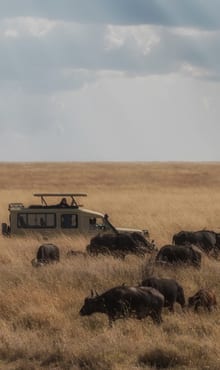 Safari Holidays
With a team of experts that have worked as conservationists and wildlife photographers, we have the expertise to make your safari dreams come true.
Safari Holidays
With a team of experts that have worked as conservationists and wildlife photographers, we have the expertise to make your safari dreams come true.
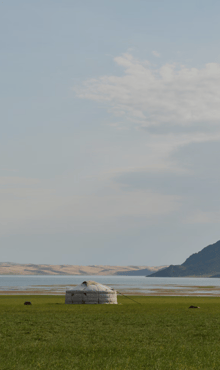 Remote Destinations
We’ve chosen these experiences, destinations and adventures to bring you closer to the great outdoors. This is your ticket to our wonderful world.
Remote Destinations
We’ve chosen these experiences, destinations and adventures to bring you closer to the great outdoors. This is your ticket to our wonderful world.
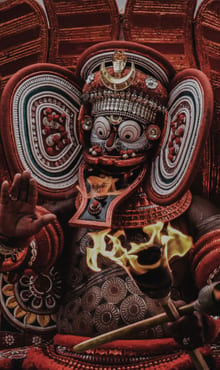 Unusual Holidays
The world may be conquered, but enough secrets remain to keep us up all night, dreaming of ways to whisk you off to the most unique corners of the globe. Where first?
Unusual Holidays
The world may be conquered, but enough secrets remain to keep us up all night, dreaming of ways to whisk you off to the most unique corners of the globe. Where first?
 Adventure Holidays
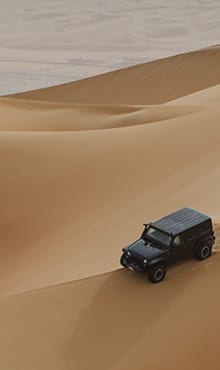
Hike across mountain ridgelines, scramble across glaciers and kayak down rivers – these trips are designed to immerse you in vast wildernesses and ancient cultures.
Adventure Holidays
Hike across mountain ridgelines, scramble across glaciers and kayak down rivers – these trips are designed to immerse you in vast wildernesses and ancient cultures.
 Beach Holidays
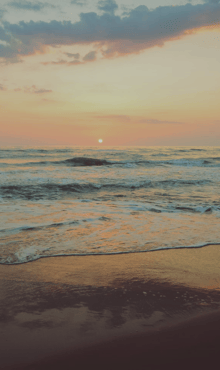
Porcelain shores, perfect seas and swaying palms; the allure of a beach break is hard to ignore. Which is why we handpick the best beachfront boltholes to offer you…
Beach Holidays
Porcelain shores, perfect seas and swaying palms; the allure of a beach break is hard to ignore. Which is why we handpick the best beachfront boltholes to offer you…
 Food Holidays
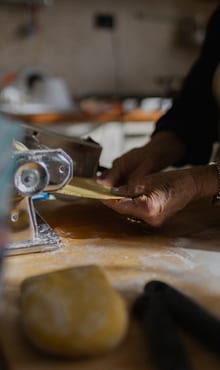
Food and travel have long gone hand in hand, and we have put together some mouth-watering trips that capture the palate, of countries across the world. Bon appétit.
Food Holidays
Food and travel have long gone hand in hand, and we have put together some mouth-watering trips that capture the palate, of countries across the world. Bon appétit.
 Slow Travel
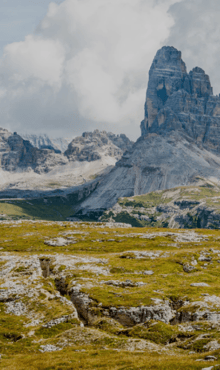
As the world becomes busier, slow travel has never felt so fitting. Whether it’s meeting fishermen in Maine or learning the Dukha-way in Mongolia, take time to connect.
Slow Travel
As the world becomes busier, slow travel has never felt so fitting. Whether it’s meeting fishermen in Maine or learning the Dukha-way in Mongolia, take time to connect.
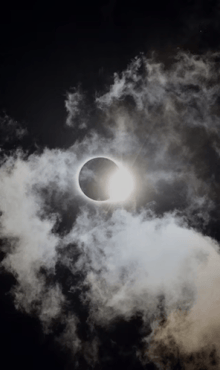 Eclipse Holidays
Eclipse travel celebrates our place in the wider cosmos. Let us take you to wherever in the world the eclipse is at its most arresting, and we’ll do it in style.
Eclipse Holidays
Eclipse travel celebrates our place in the wider cosmos. Let us take you to wherever in the world the eclipse is at its most arresting, and we’ll do it in style.
 Proposal Service
Found the one and want to propose in style? The moment will be a memory forever and we’re here to help you make sure it’s the most perfect moment for you and your loved one.
Proposal Service
Found the one and want to propose in style? The moment will be a memory forever and we’re here to help you make sure it’s the most perfect moment for you and your loved one.
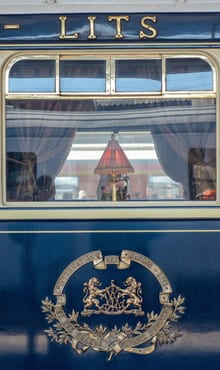 Train Travel
“It’s not the destination, it’s the journey.” We’ve all heard this, haven’t we? And with these captivating luxury train journeys, we’ll show you the joy to be found travelling across the world by rail.
Train Travel
“It’s not the destination, it’s the journey.” We’ve all heard this, haven’t we? And with these captivating luxury train journeys, we’ll show you the joy to be found travelling across the world by rail.
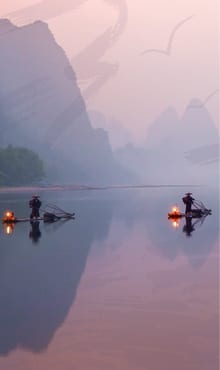 The Pursuit of Feeling
From impassioned and emotive journeys, to podcasts and our Feelings Engine, you’ll find something to move you and something to soothe you. We want to fire your heart and provide food for your soul.
The Pursuit of Feeling
From impassioned and emotive journeys, to podcasts and our Feelings Engine, you’ll find something to move you and something to soothe you. We want to fire your heart and provide food for your soul.
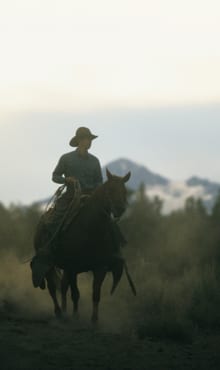 Set Jetting
Swapping salubrious saloons and questionable lodgings for sumptuous hotels and eye-opening experiences, each of our show-stopping journeys will take you behind scenes of some of TV’s most awe-inspiring locations.
Set Jetting
Swapping salubrious saloons and questionable lodgings for sumptuous hotels and eye-opening experiences, each of our show-stopping journeys will take you behind scenes of some of TV’s most awe-inspiring locations.
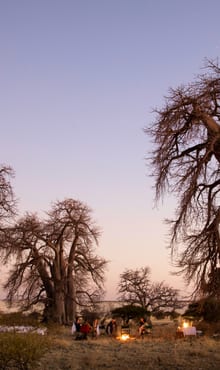 See You in the Moment
You need only bring yourselves – your people, your histories. We’ll provide the moment itself. The anticipation, the togetherness, the memory. This is something to savour. This is something to remember.
See You in the Moment
You need only bring yourselves – your people, your histories. We’ll provide the moment itself. The anticipation, the togetherness, the memory. This is something to savour. This is something to remember.
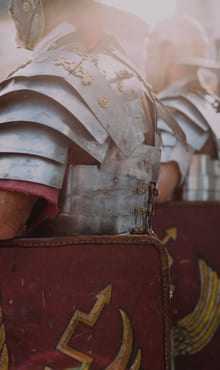 Field Trip
Education begins in the classroom, but it’s IRL that younger generations put their lessons to the test. Field Trip is a curriculum of educational encounters around the world.
Field Trip
Education begins in the classroom, but it’s IRL that younger generations put their lessons to the test. Field Trip is a curriculum of educational encounters around the world.
 Take me on a Story
A series of family experiences celebrating the transformative power of the books we loved when we were young, and the stories our children have come to adore.
Take me on a Story
A series of family experiences celebrating the transformative power of the books we loved when we were young, and the stories our children have come to adore.
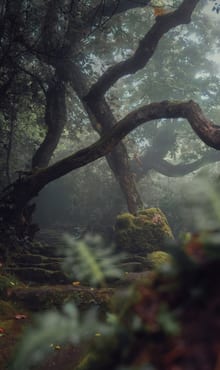 Get Lost
Designed as a once-in-a-lifetime challenge, train with elite survival experts before traversing a polar, jungle, coastal, mountain or desert region in your mission back to civilisation.
Get Lost
Designed as a once-in-a-lifetime challenge, train with elite survival experts before traversing a polar, jungle, coastal, mountain or desert region in your mission back to civilisation.
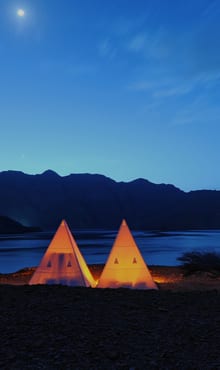 Blink
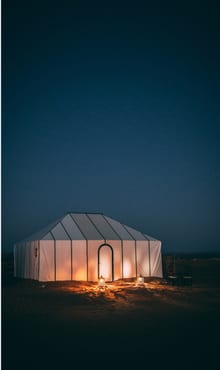
The ultimate luxury camping retreat. From the Sahara desert to the Andean Mountains, with Blink anywhere you can envisage it, we will create it.
Blink
The ultimate luxury camping retreat. From the Sahara desert to the Andean Mountains, with Blink anywhere you can envisage it, we will create it.
 Bring it Back
Bring It Back will embed you in an entirely different way of thinking, and of learning about a culture directly from its experts on the ground. You may be surprised by what you discover.
Bring it Back
Bring It Back will embed you in an entirely different way of thinking, and of learning about a culture directly from its experts on the ground. You may be surprised by what you discover.
 The Great American View
This series of breathtaking journeys culminate in some of America’s most legendary sights. They are the places you’ve always sought out, and now it’s your time to find them.
The Great American View
This series of breathtaking journeys culminate in some of America’s most legendary sights. They are the places you’ve always sought out, and now it’s your time to find them.
 James Bond
We are proud to have been selected as the official travel partner to curate James Bond inspired trips.
James Bond
We are proud to have been selected as the official travel partner to curate James Bond inspired trips.
 Agatha Christie
We’ve been hand-picked by Agatha Christie Limited to help bring Agatha’s world-famous Grand Tour to life through a series of episodic trips across Africa, Australasia and North America, and a unique prelude in London.
Agatha Christie
We’ve been hand-picked by Agatha Christie Limited to help bring Agatha’s world-famous Grand Tour to life through a series of episodic trips across Africa, Australasia and North America, and a unique prelude in London.
 Tasting Notes
Eating at a Michelin – starred restaurant is one thing. But now you can learn about the country through the lens of some of the most critically acclaimed chefs in the world, by travelling with them on the ultimately culinary experience
Tasting Notes
Eating at a Michelin – starred restaurant is one thing. But now you can learn about the country through the lens of some of the most critically acclaimed chefs in the world, by travelling with them on the ultimately culinary experience
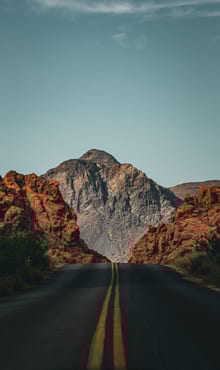 Take the Open Road with Auberge
With the iconic hotel brand Auberge Resorts, we’ve created a new series of tailormade, luxurious road trip itineraries. Emblems of America’s most iconic landscapes, regions, and people.
Take the Open Road with Auberge
With the iconic hotel brand Auberge Resorts, we’ve created a new series of tailormade, luxurious road trip itineraries. Emblems of America’s most iconic landscapes, regions, and people.
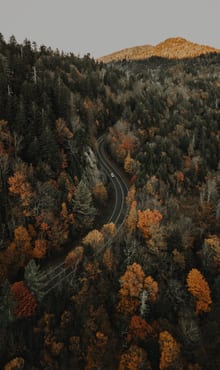 Remarkable Drives of Discovery with Auberge
Following on from the much lauded ‘Take the Open Road’ series, here’s five brand-new bespoke, multi-destination trips created with our friends at Auberge Resorts Collection. Delve deeper than ever before.
Remarkable Drives of Discovery with Auberge
Following on from the much lauded ‘Take the Open Road’ series, here’s five brand-new bespoke, multi-destination trips created with our friends at Auberge Resorts Collection. Delve deeper than ever before.
Or filter further
Explore our inspiring experiences based on when you want to travel and how you want to feel.
Bridging the gap between North and South America, Panama represents a unique melting pot of cultures where you can find sun-drenched archipelagos, highlands carpeted in rainforests that teem with unique wildlife and fascinating indigenous heritage. A place that pays testament to ingenuity, a tailor-made holiday in Panama will open the eyes onto a whole new world.
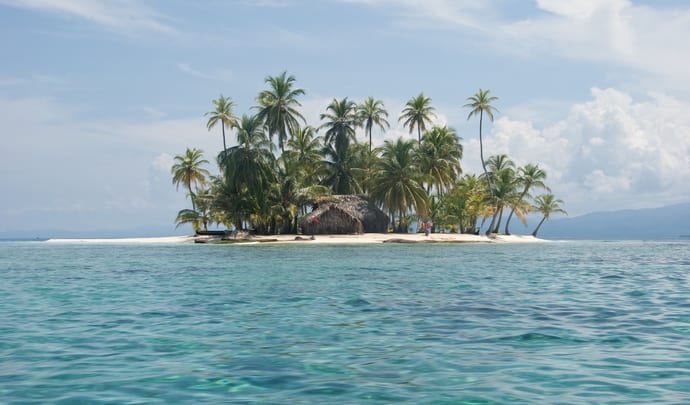
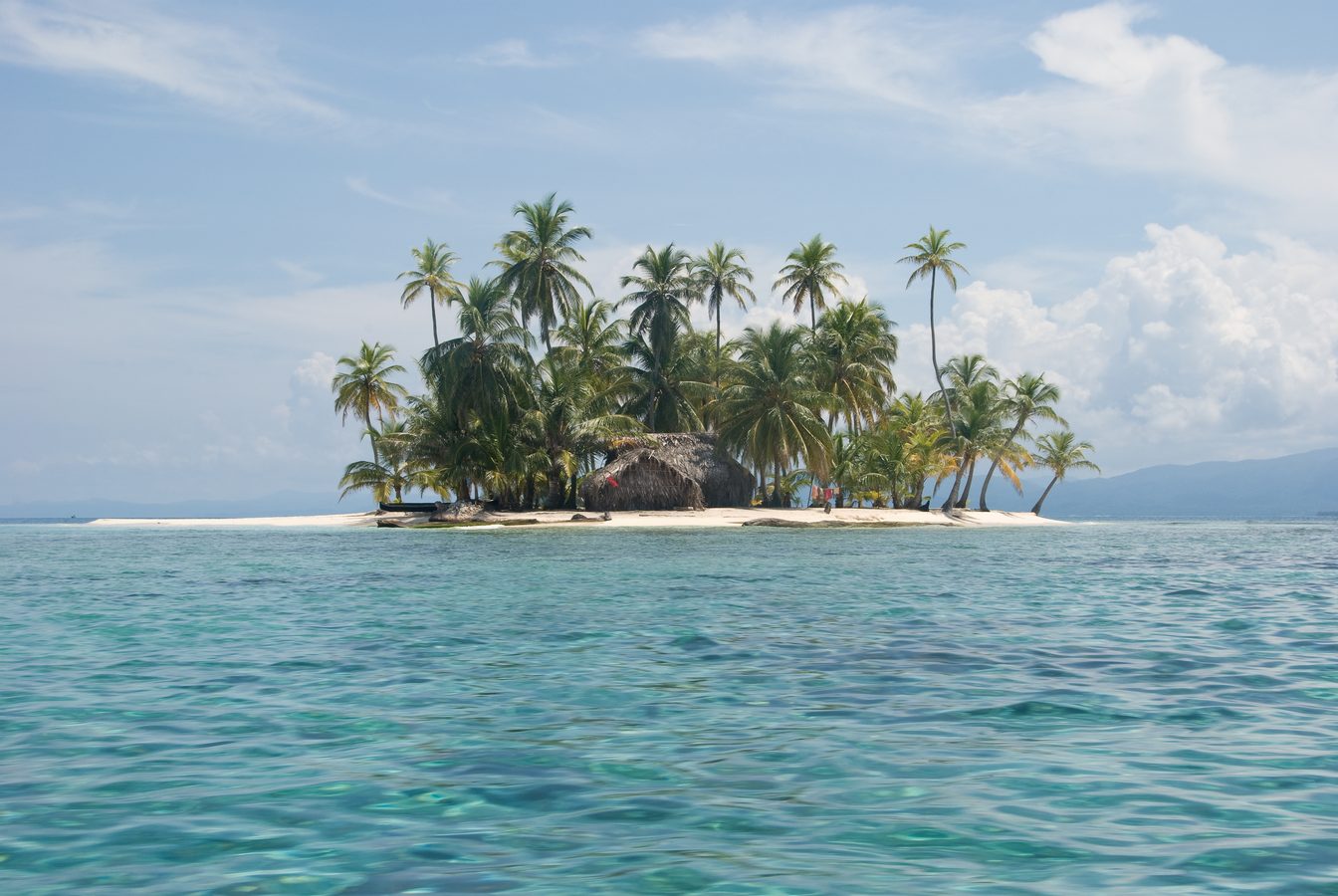
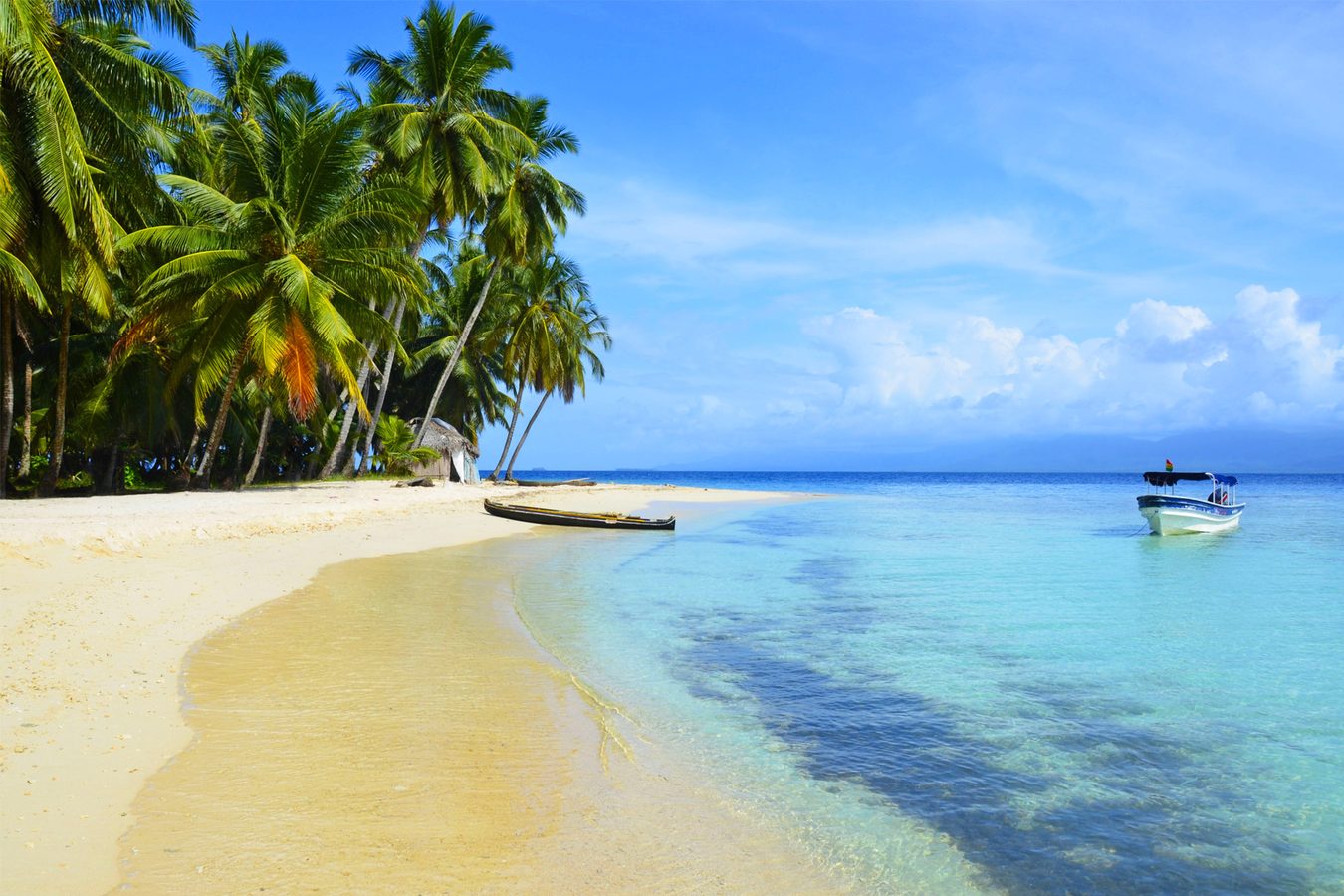
Sleeping in hammocks strung between trees on your expedition to San Blas – an archipelago of 365 blissful islands – what matters most is tuning in to the natural world around you; what’s right beneath your feet. Each day, you’ll trek around 15km through thick jungle, slipping – by dugout canoe – into the waters of unnamed rivers that feed toward the Caribbean coast. Along the way, you’ll spend time with the communities for whom this is home – the Guna Madugandi, the Guna Yala of Rio Azucar. And at your journey’s end? Swim, snorkel, fish, kayak, and unwind to your heart’s content.
The gruff tang of salt in the air; the sound of waves knocking against wooden jetties; somewhere a radio plays Calypso, on a low and fading volume. Above you the sun is clear and bright, and the whole of the Caribbean stretches before you. Panama – the literal hinge between North and South America – has become an increasingly desirable destination for luxury travellers in recent years. Here’s why.
This perfect introduction to Latin America has had everyone from backpackers to jet-setters settling down, whether for a couple of days or even weeks. Between the archipelagos, rainforest-carpeted highlands, and teeming wildlife, Panama is – despite that big, obnoxious focus on its canal – so much more than a man-made river linking two gigantic oceans.
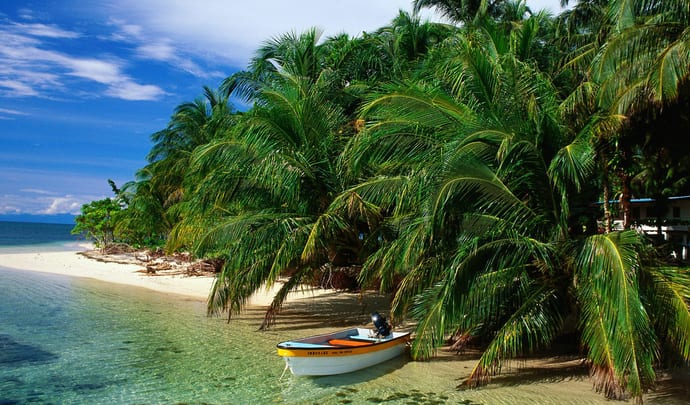
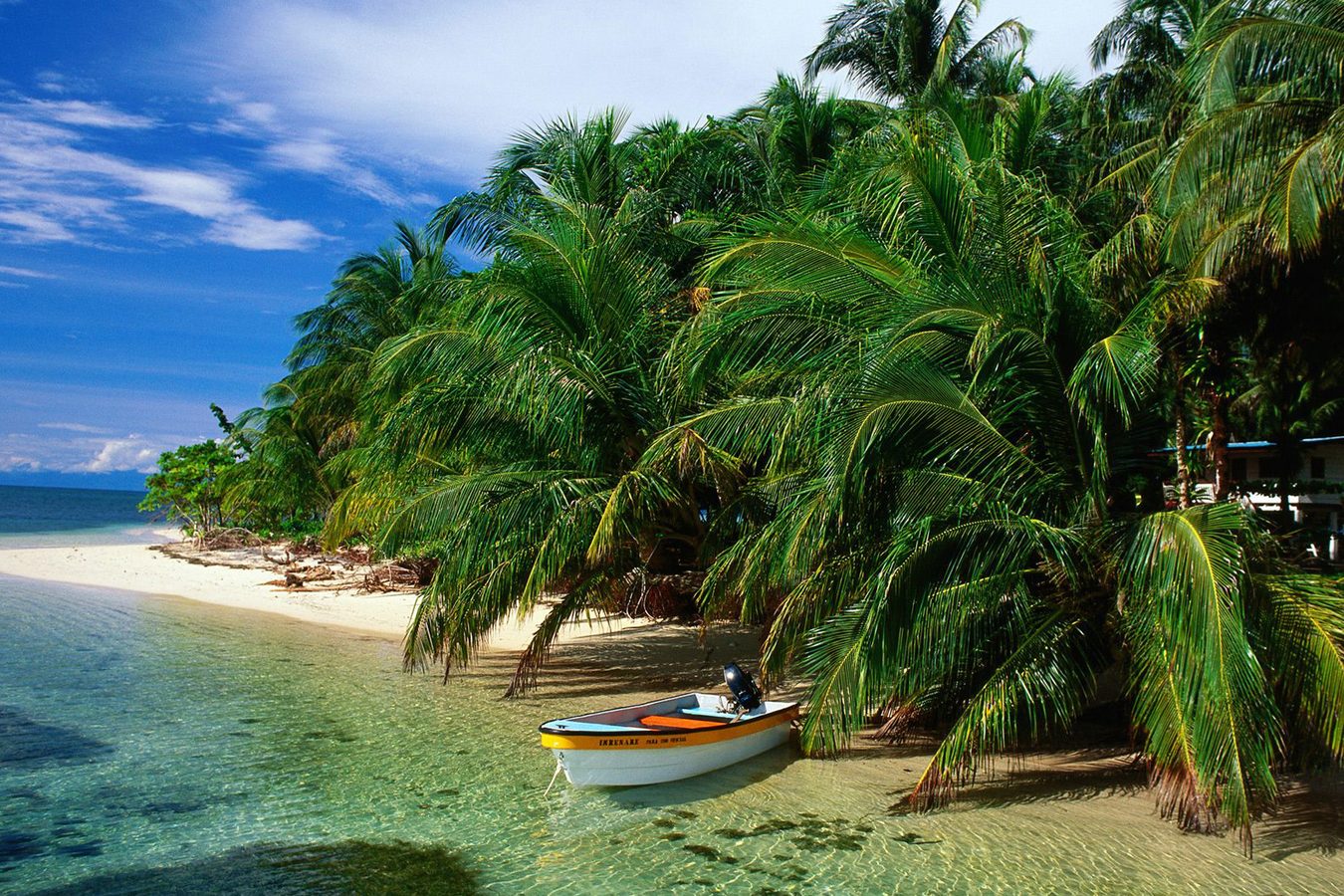
On the stunning archipelago of Bocas del Toro on Panama’s North Caribbean coast, you’ll plunge into the heart of the Bastimentos national park – losing yourself among eco-adventure lodges and luxury cabanas. This is the perfect base from which to experience a luxury Caribbean honeymoon, far from the crowds and tourist traps, before finding urban bliss at Casa del Horno in the 1850s neighbourhoods of fascinating Panama City.
Bocas del Toro
Bioluminescence, reef, and rainforest in equal measure
Fourteen islands and more dive sites than you’ll cover in a week. Kayak through waters that glow after dark, snorkel the coral gardens of the Zapatilla Caves, and base yourself in overwater eco-lodges deep inside Bastimentos National Park. Panama’s Caribbean coast — and none of the crowds.
Panama City and Casco Viejo
400 years of history in a neighborhood you can walk in an afternoon.
Casco Viejo is a UNESCO-listed quarter of colonial Spanish architecture, boutique hotels, and some of Central America’s best ceviche. Beyond it, the Canal — still the most audacious feat of engineering in the Western Hemisphere — and a financial district skyline that looks nothing like Central America should.
Boquete and the Chiriqui Highlands
Cloud forest, coffee, and the resplendent quetzal.
A volcanic valley 3,500 feet above sea level. The air is cool, the coffee is exceptional — Panama Geisha originates here — and the forest trails lead to waterfalls and one of the world’s most sought-after birds. A completely different Panama from the coast.
Islas Secas
Isla Palenque, Gulf of Chiriquí
American Trade Hotel, Panama City
Ten days is the minimum that does Panama justice as a standalone trip. That gets you two nights in Panama City to settle in and explore Casco Viejo, four or five nights on a private island — Bocas del Toro or the Gulf of Chiriquí — and a couple of days in the highlands around Boquete before you fly home. Less than that and you’re skimming the surface. Fourteen nights is the sweet spot if you want to add San Blas — it requires a full day each way for the jungle trek, and it earns those days. Panama also works well as a five- to seven-night extension after Costa Rica or Colombia, routing through Panama City before heading home.
Panama divides into two distinct seasons. The dry season runs from mid-December to mid-April — the most consistently comfortable window for hiking, wildlife, and Pacific island stays. Temperatures are lower, humidity drops, and the Gulf of Chiriquí islands are at their best. The wet season, May to mid-December, brings afternoon rains, but rarely the kind that shuts down a day. The Caribbean coast — Bocas del Toro and San Blas — follows a different weather pattern from the Pacific side and can be excellent outside the dry season. If humpback whales are the priority, July through October is when they pass through the Gulf of Chiriquí. For Boquete in the highlands, January through March offers the clearest conditions for birding and the cloud forest trails.
San Blas is an archipelago of 365 islands — most of them uninhabited — off Panama’s Caribbean coast, governed autonomously by the indigenous Guna Yala people. It’s one of the most intact and genuinely remote corners of the Caribbean, and getting there is part of the experience. Black Tomato routes clients in via a full-day jungle trek — 7 to 9 miles on foot through thick forest, descending by dugout canoe to the coast — which puts the arrival in an entirely different register from a standard island transfer. Once there, the days are built around snorkeling clear reef, fishing with Guna guides, kayaking between deserted cays, and sleeping under proper darkness. The islands have no resort infrastructure, which is exactly the point. Access requires planning, physical readiness, and a specialist who has done the routing before.
Panama works well for families who want to move between different landscapes rather than stay in one place. The Gulf of Chiriquí private islands — Islas Secas and Isla Palenque — offer an unhurried, self-contained setting that removes the logistical pressure families often feel on bigger itineraries. Bocas del Toro is strong for older children and teenagers: snorkeling, kayaking, night bioluminescence tours, and time spent with indigenous Guna communities on the way to San Blas. Boquete in the highlands adds wildlife, coffee, and cloud forest walks at cooler temperatures. Panama City’s Casco Viejo works well as an opening night — approachable, visually interesting, and a good introduction to Central American history without feeling overwhelming. Black Tomato designs family itineraries around pace and the specific ages of the children, not a fixed template.
Costa Rica is the most natural pairing. The two countries share Copa Airlines’ Panama City hub, which makes routing straightforward — Panama for the first half, a short flight to San José for Arenal, the Osa Peninsula, or Pacuare Lodge, then home. A 14- to 16-night trip gives the right amount of time in each country without rushing. Colombia is another strong option for travellers who want to push further: Cartagena pairs naturally with Panama City in terms of colonial architecture and Caribbean culture, while Medellín and the coffee region add a different dimension. Nicaragua sits north of Costa Rica and works for travellers interested in a deeper Central American immersion, though it suits a longer trip. Black Tomato designs all these combinations as a single itinerary, with one specialist managing everything — not two separately booked halves.
The cost of a luxury Panama holiday with Black Tomato ranges in cost based on your travel preferences since all trips are customised. Pricing varies based on location(s), time of year, hotels, transfers, experiences and more. For an accurate quote built around your specific travel dates and preferences, submit an enquiry and we’ll connect you with one of our Panama Travel experts.