You are browsing the UK site. Visit our US site.

You are browsing the US site. Visit our UK site.
You are browsing the US site. Visit our Rest of World site.
You are browsing the UK site. Visit our US site.
You are browsing the US site. Visit our UK site.
You are browsing the US site. Visit our Rest of World site.
You are browsing the UK site. Visit our US site.
You are browsing the US site. Visit our UK site.
You are browsing the US site. Visit our Rest of World site.

 Family Holidays
Our team is full of family travellers, meaning we know what it takes to make sure everyone enjoys the experience just as much as each other.
Family Holidays
Our team is full of family travellers, meaning we know what it takes to make sure everyone enjoys the experience just as much as each other.
 Couples Holidays
Our couple itineraries are paced perfectly for you to enjoy the very best a country has to offer whilst making sure you enjoy the quality time together you’re after.
Couples Holidays
Our couple itineraries are paced perfectly for you to enjoy the very best a country has to offer whilst making sure you enjoy the quality time together you’re after.
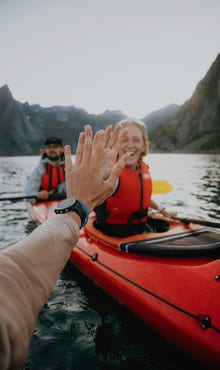 Group Holidays
No matter what the size or the occasion, we’re well versed in taking larger groups of people away for those special adventures.
Group Holidays
No matter what the size or the occasion, we’re well versed in taking larger groups of people away for those special adventures.
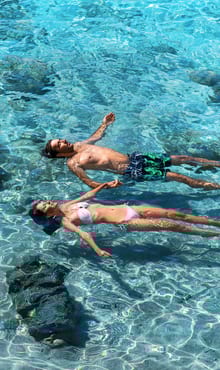 Honeymoons
We’ve been crafting dream itineraries for newly married couples for years. Learn more about the ins and outs of our honeymoon service here.
Honeymoons
We’ve been crafting dream itineraries for newly married couples for years. Learn more about the ins and outs of our honeymoon service here.
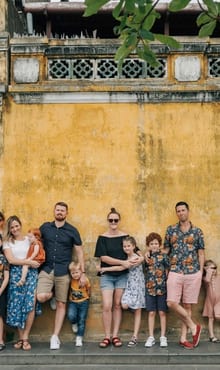 Multi Generational Trips
From very small to very big. Families come in all shapes and sizes, and our multi-generational holidays are perfectly designed to tick the boxes for the whole family.
Multi Generational Trips
From very small to very big. Families come in all shapes and sizes, and our multi-generational holidays are perfectly designed to tick the boxes for the whole family.
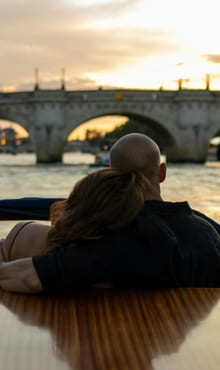 Anniversary Trips
Whether you’re celebrating as a couple, or across multiple generations, our anniversary trips are crafted around the milestone – and the people sharing it.
Anniversary Trips
Whether you’re celebrating as a couple, or across multiple generations, our anniversary trips are crafted around the milestone – and the people sharing it.
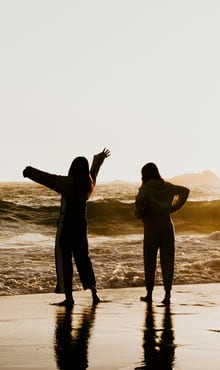 Travel With Teens
This is a list of the very best places to travel with teenagers – one that’s crammed with bragging rights (for them) and bonding moments (for you).
Travel With Teens
This is a list of the very best places to travel with teenagers – one that’s crammed with bragging rights (for them) and bonding moments (for you).
 Grown Up Family Holidays
As your children become adults, your family trips are also due to change and grow. These are our favourite trips for you and your grown up family.
Grown Up Family Holidays
As your children become adults, your family trips are also due to change and grow. These are our favourite trips for you and your grown up family.
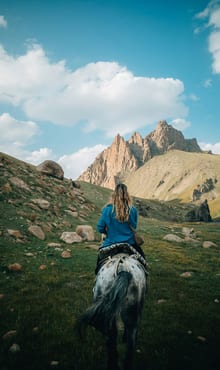 Solo Holidays
Our travel experts have experienced the thrills and challenges of solo travel, all with the aim of producing some of our most immersive and exciting itineraries.
Solo Holidays
Our travel experts have experienced the thrills and challenges of solo travel, all with the aim of producing some of our most immersive and exciting itineraries.
 View All
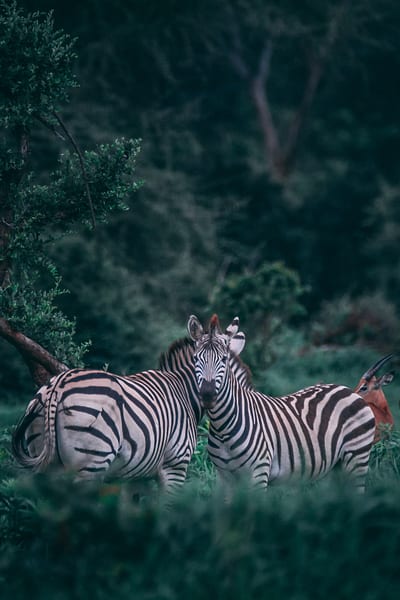
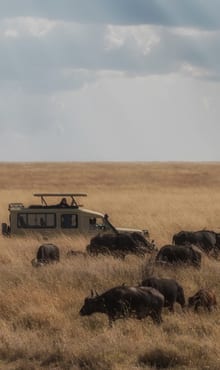 Safari Holidays
With a team of experts that have worked as conservationists and wildlife photographers, we have the expertise to make your safari dreams come true.
Safari Holidays
With a team of experts that have worked as conservationists and wildlife photographers, we have the expertise to make your safari dreams come true.
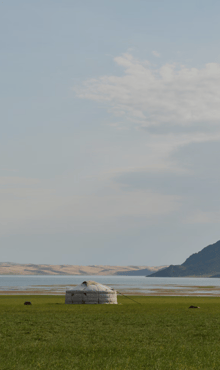 Remote Destinations
We’ve chosen these experiences, destinations and adventures to bring you closer to the great outdoors. This is your ticket to our wonderful world.
Remote Destinations
We’ve chosen these experiences, destinations and adventures to bring you closer to the great outdoors. This is your ticket to our wonderful world.
 Unusual Holidays
The world may be conquered, but enough secrets remain to keep us up all night, dreaming of ways to whisk you off to the most unique corners of the globe. Where first?
Unusual Holidays
The world may be conquered, but enough secrets remain to keep us up all night, dreaming of ways to whisk you off to the most unique corners of the globe. Where first?
 Adventure Holidays
Hike across mountain ridgelines, scramble across glaciers and kayak down rivers – these trips are designed to immerse you in vast wildernesses and ancient cultures.
Adventure Holidays
Hike across mountain ridgelines, scramble across glaciers and kayak down rivers – these trips are designed to immerse you in vast wildernesses and ancient cultures.
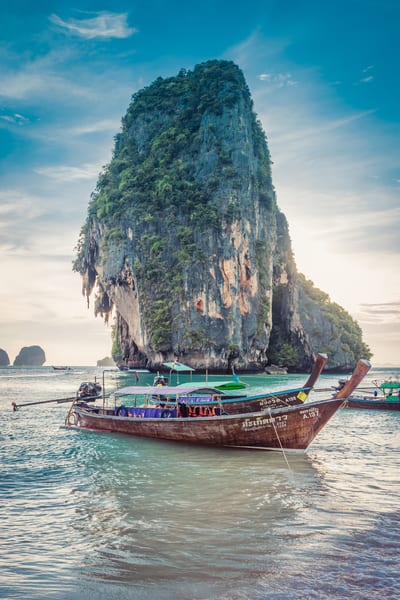
 Beach Holidays
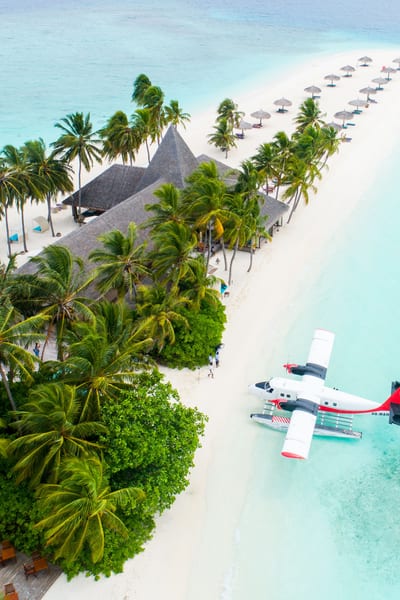
Porcelain shores, perfect seas and swaying palms; the allure of a beach break is hard to ignore. Which is why we handpick the best beachfront boltholes to offer you…
Beach Holidays
Porcelain shores, perfect seas and swaying palms; the allure of a beach break is hard to ignore. Which is why we handpick the best beachfront boltholes to offer you…
 Food Holidays
Food and travel have long gone hand in hand, and we have put together some mouth-watering trips that capture the palate, of countries across the world. Bon appétit.
Food Holidays
Food and travel have long gone hand in hand, and we have put together some mouth-watering trips that capture the palate, of countries across the world. Bon appétit.
 Slow Travel
As the world becomes busier, slow travel has never felt so fitting. Whether it’s meeting fishermen in Maine or learning the Dukha-way in Mongolia, take time to connect.
Slow Travel
As the world becomes busier, slow travel has never felt so fitting. Whether it’s meeting fishermen in Maine or learning the Dukha-way in Mongolia, take time to connect.
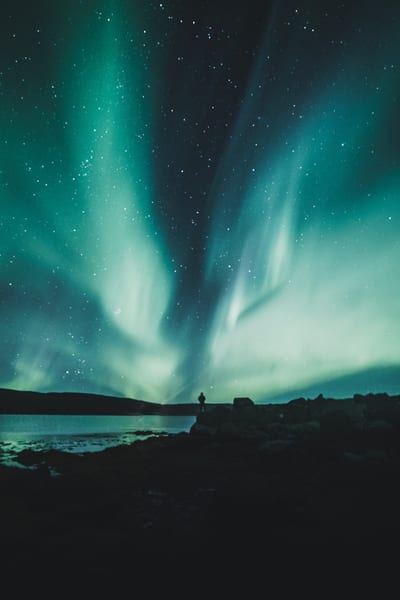
 Eclipse Holidays
Eclipse travel celebrates our place in the wider cosmos. Let us take you to wherever in the world the eclipse is at its most arresting, and we’ll do it in style.
Eclipse Holidays
Eclipse travel celebrates our place in the wider cosmos. Let us take you to wherever in the world the eclipse is at its most arresting, and we’ll do it in style.
 Proposal Service
Found the one and want to propose in style? The moment will be a memory forever and we’re here to help you make sure it’s the most perfect moment for you and your loved one.
Proposal Service
Found the one and want to propose in style? The moment will be a memory forever and we’re here to help you make sure it’s the most perfect moment for you and your loved one.
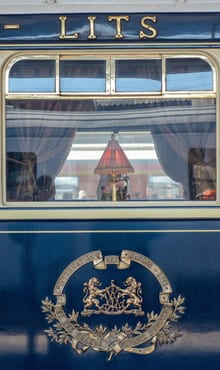 Train Travel
“It’s not the destination, it’s the journey.” We’ve all heard this, haven’t we? And with these captivating luxury train journeys, we’ll show you the joy to be found travelling across the world by rail.
Train Travel
“It’s not the destination, it’s the journey.” We’ve all heard this, haven’t we? And with these captivating luxury train journeys, we’ll show you the joy to be found travelling across the world by rail.
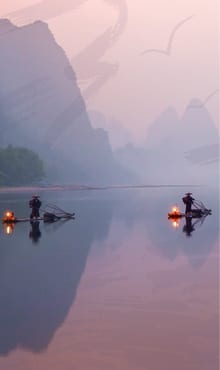 The Pursuit of Feeling
From impassioned and emotive journeys, to podcasts and our Feelings Engine, you’ll find something to move you and something to soothe you. We want to fire your heart and provide food for your soul.
The Pursuit of Feeling
From impassioned and emotive journeys, to podcasts and our Feelings Engine, you’ll find something to move you and something to soothe you. We want to fire your heart and provide food for your soul.
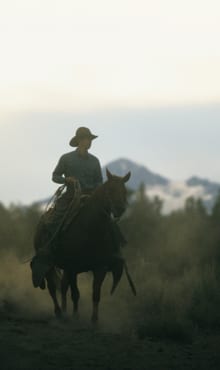 Set Jetting
Swapping salubrious saloons and questionable lodgings for sumptuous hotels and eye-opening experiences, each of our show-stopping journeys will take you behind scenes of some of TV’s most awe-inspiring locations.
Set Jetting
Swapping salubrious saloons and questionable lodgings for sumptuous hotels and eye-opening experiences, each of our show-stopping journeys will take you behind scenes of some of TV’s most awe-inspiring locations.
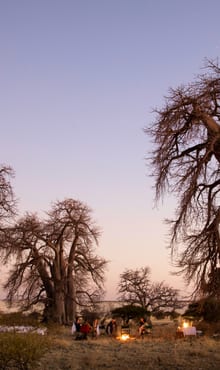 See You in the Moment
You need only bring yourselves – your people, your histories. We’ll provide the moment itself. The anticipation, the togetherness, the memory. This is something to savour. This is something to remember.
See You in the Moment
You need only bring yourselves – your people, your histories. We’ll provide the moment itself. The anticipation, the togetherness, the memory. This is something to savour. This is something to remember.
 Field Trip
Education begins in the classroom, but it’s IRL that younger generations put their lessons to the test. Field Trip is a curriculum of educational encounters around the world.
Field Trip
Education begins in the classroom, but it’s IRL that younger generations put their lessons to the test. Field Trip is a curriculum of educational encounters around the world.
 Take me on a Story
A series of family experiences celebrating the transformative power of the books we loved when we were young, and the stories our children have come to adore.
Take me on a Story
A series of family experiences celebrating the transformative power of the books we loved when we were young, and the stories our children have come to adore.
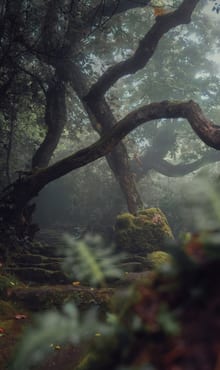 Get Lost
Designed as a once-in-a-lifetime challenge, train with elite survival experts before traversing a polar, jungle, coastal, mountain or desert region in your mission back to civilisation.
Get Lost
Designed as a once-in-a-lifetime challenge, train with elite survival experts before traversing a polar, jungle, coastal, mountain or desert region in your mission back to civilisation.
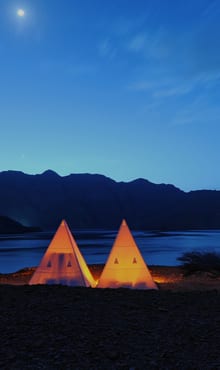 Blink
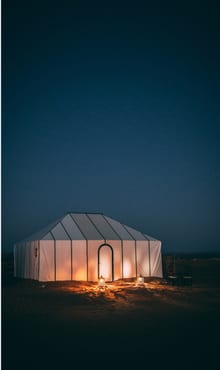
The ultimate luxury camping retreat. From the Sahara desert to the Andean Mountains, with Blink anywhere you can envisage it, we will create it.
Blink
The ultimate luxury camping retreat. From the Sahara desert to the Andean Mountains, with Blink anywhere you can envisage it, we will create it.
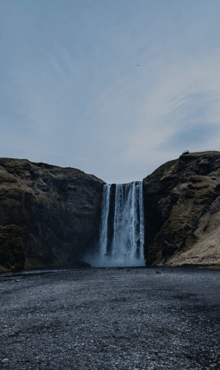 Bring it Back
Bring It Back will embed you in an entirely different way of thinking, and of learning about a culture directly from its experts on the ground. You may be surprised by what you discover.
Bring it Back
Bring It Back will embed you in an entirely different way of thinking, and of learning about a culture directly from its experts on the ground. You may be surprised by what you discover.
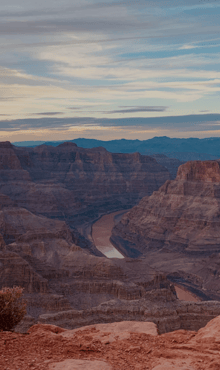 The Great American View
This series of breathtaking journeys culminate in some of America’s most legendary sights. They are the places you’ve always sought out, and now it’s your time to find them.
The Great American View
This series of breathtaking journeys culminate in some of America’s most legendary sights. They are the places you’ve always sought out, and now it’s your time to find them.
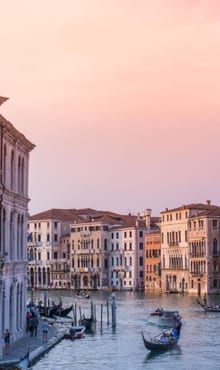 James Bond
We are proud to have been selected as the official travel partner to curate James Bond inspired trips.
James Bond
We are proud to have been selected as the official travel partner to curate James Bond inspired trips.
 Agatha Christie
We’ve been hand-picked by Agatha Christie Limited to help bring Agatha’s world-famous Grand Tour to life through a series of episodic trips across Africa, Australasia and North America, and a unique prelude in London.
Agatha Christie
We’ve been hand-picked by Agatha Christie Limited to help bring Agatha’s world-famous Grand Tour to life through a series of episodic trips across Africa, Australasia and North America, and a unique prelude in London.
 Tasting Notes
Eating at a Michelin – starred restaurant is one thing. But now you can learn about the country through the lens of some of the most critically acclaimed chefs in the world, by travelling with them on the ultimately culinary experience
Tasting Notes
Eating at a Michelin – starred restaurant is one thing. But now you can learn about the country through the lens of some of the most critically acclaimed chefs in the world, by travelling with them on the ultimately culinary experience
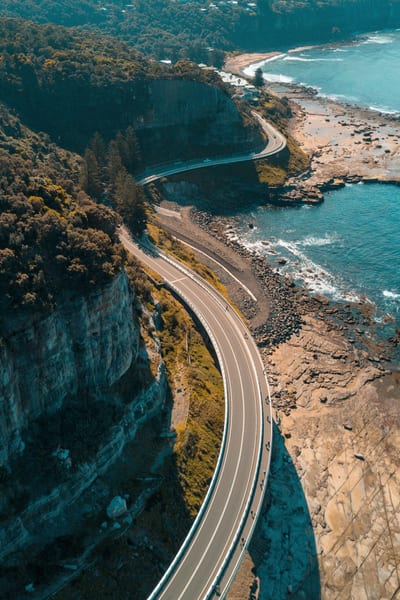
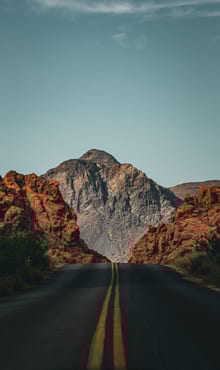 Take the Open Road with Auberge
With the iconic hotel brand Auberge Resorts, we’ve created a new series of tailormade, luxurious road trip itineraries. Emblems of America’s most iconic landscapes, regions, and people.
Take the Open Road with Auberge
With the iconic hotel brand Auberge Resorts, we’ve created a new series of tailormade, luxurious road trip itineraries. Emblems of America’s most iconic landscapes, regions, and people.
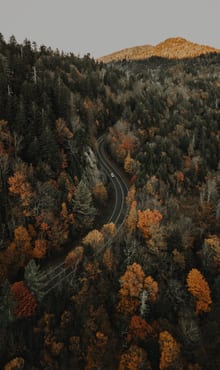 Remarkable Drives of Discovery with Auberge
Following on from the much lauded ‘Take the Open Road’ series, here’s five brand-new bespoke, multi-destination trips created with our friends at Auberge Resorts Collection. Delve deeper than ever before.
Remarkable Drives of Discovery with Auberge
Following on from the much lauded ‘Take the Open Road’ series, here’s five brand-new bespoke, multi-destination trips created with our friends at Auberge Resorts Collection. Delve deeper than ever before.
Or filter further
Explore our inspiring experiences based on when you want to travel and how you want to feel.
“India lives in several centuries at the same time”
For Indian author Arundhati Roy, the interlacing of epochs was the key to her homeland’s sense of timelessness. And with its fascinating history and modern thrills, losing track of time is easy here. We’ll take you zip-lining through an ancient fort and on a hot air balloon flight over the sacred ‘pink city’ of Jaipur. On one of our tailor-made itineraries of the Indian subcontinent, you’ll experience this intricate mix of past and present for yourself. But it’s not only in India that you can feel lost in time. Bhutan. Nepal. Sri Lanka. Each one will take you on a captivating journey of discovery. Think receiving a blessing in a cliff-hugging monastery and white water rafting down the Trishuli River. Even meeting a living goddess.
Since 2005 we have taken travellers across the subcontinent: private game drives in Ranthambore with rangers who know individual tigers by name, a monastery stay in Bhutan with a cultural guide whose family has lived in the valley for generations, a house-boat journey through the Kerala backwaters with a naturalist who grew up on the water. We didn’t buy this access; we earned it through two decades of relationships with guides and operators who trust us to bring the right travellers. We build every itinerary from scratch around you.
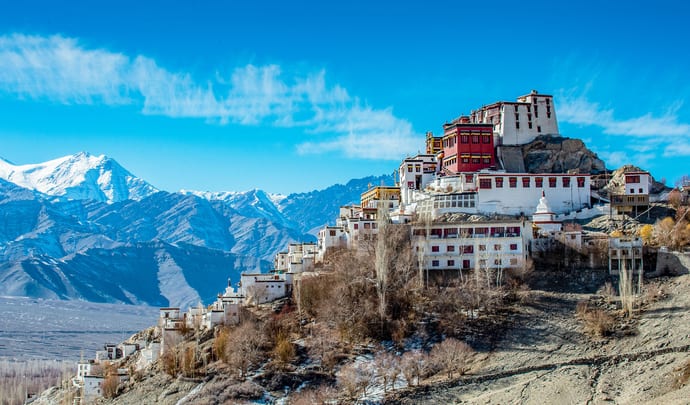
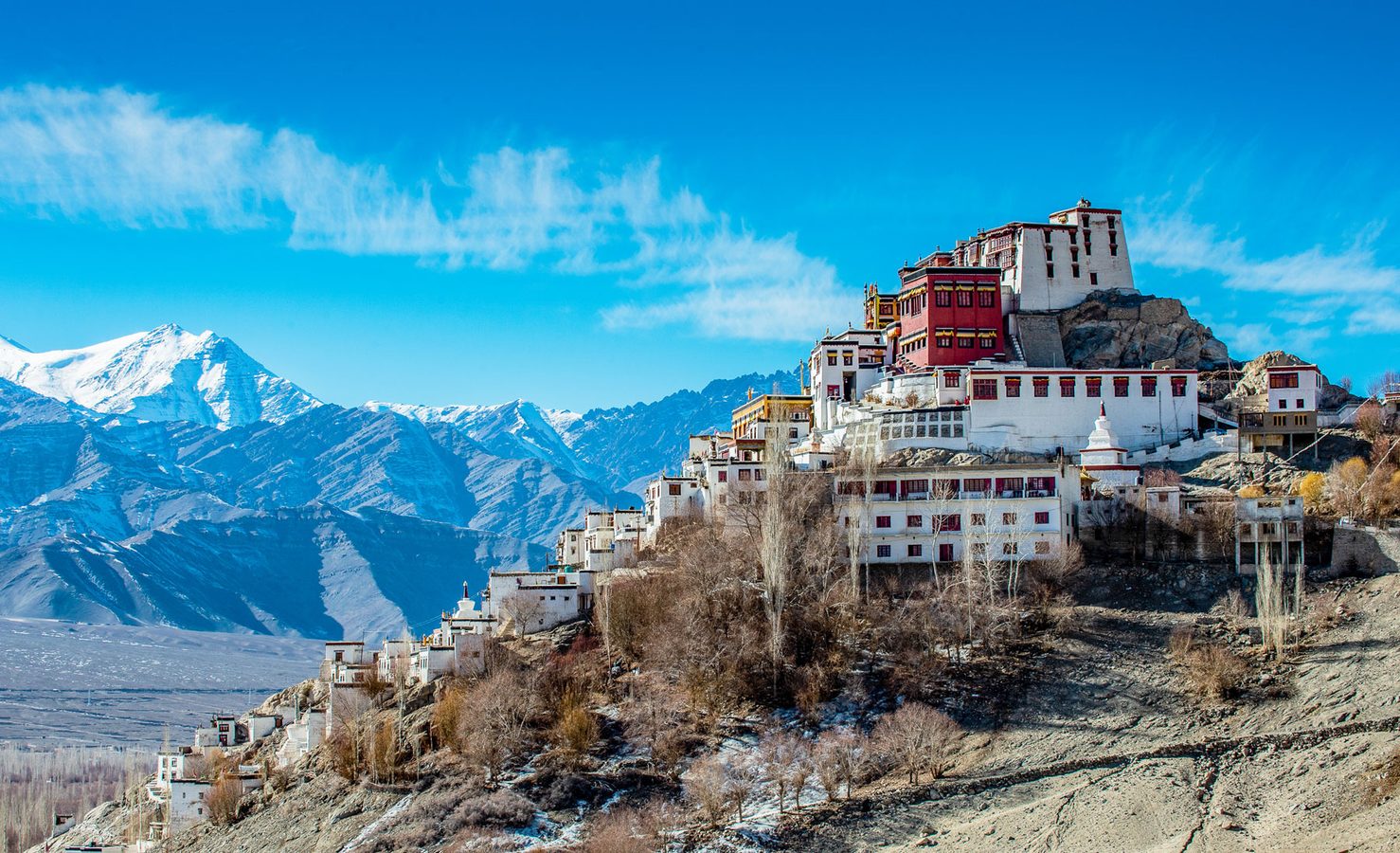
Varanasi at dawn, the ghats alive with offerings and incense and the sound of bells, the Ganges lit gold by the rising sun. Thiksey Monastery in Ladakh at first light, monks in morning prayer as the mountains emerge from the darkness behind them. Tiger’s Nest, perched on a cliffside in Bhutan that looks impossible, approached on a trail through rhododendron forest. The Indian Subcontinent holds more ancient, layered, living spiritual tradition than almost anywhere else on earth — and the experiences we build into itineraries are chosen because they let you encounter it properly, not from a distance.
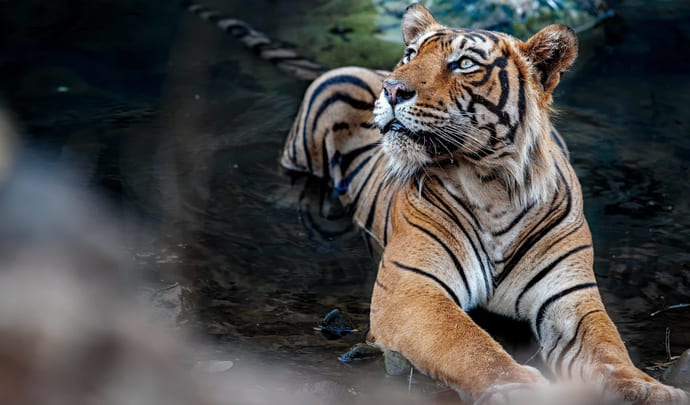
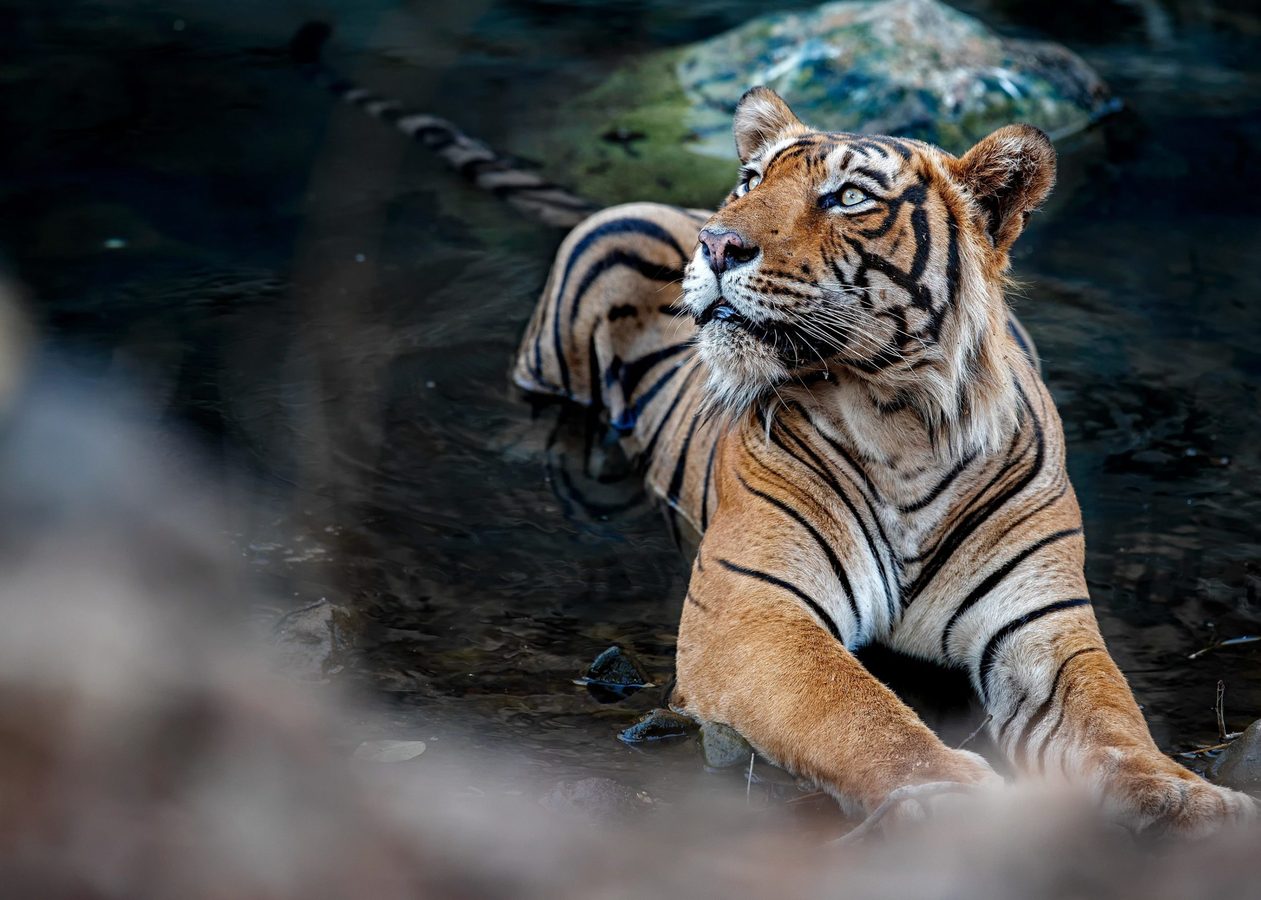
Bengal tigers moving through the sal forests of Ranthambore. Leopards tracked at dawn across the rocky scrubland of Rajasthan by villagers who have read this landscape for generations. One-horned rhinos wading through the grasslands of Chitwan. Leopards in Yala at the highest density of any national park in the world. Sloth bears emerging from the undergrowth at dusk. Sri Lanka’s blue whales surfacing off Mirissa from March through April. The subcontinent’s wildlife is remarkable in its variety, and the guides we work with — many of whom have spent decades in these reserves — make the difference between a sighting and an understanding.
The subcontinent rewards multi-country trips. Bhutan and Nepal share the Himalayas but differ entirely in character — the fortified dzongs and government-controlled access of Bhutan against the ancient temples and trekking culture of Nepal. India and Sri Lanka connect naturally on a southern circuit: the spice markets and backwaters of Kerala flowing into Sri Lanka’s hill country train and Yala’s leopards. Rajasthan pairs well with Nepal for those who want palace hotels and tiger reserves alongside high-altitude monasteries. We plan the routing and the transitions so the journey feels considered from beginning to end.
The Himalayas
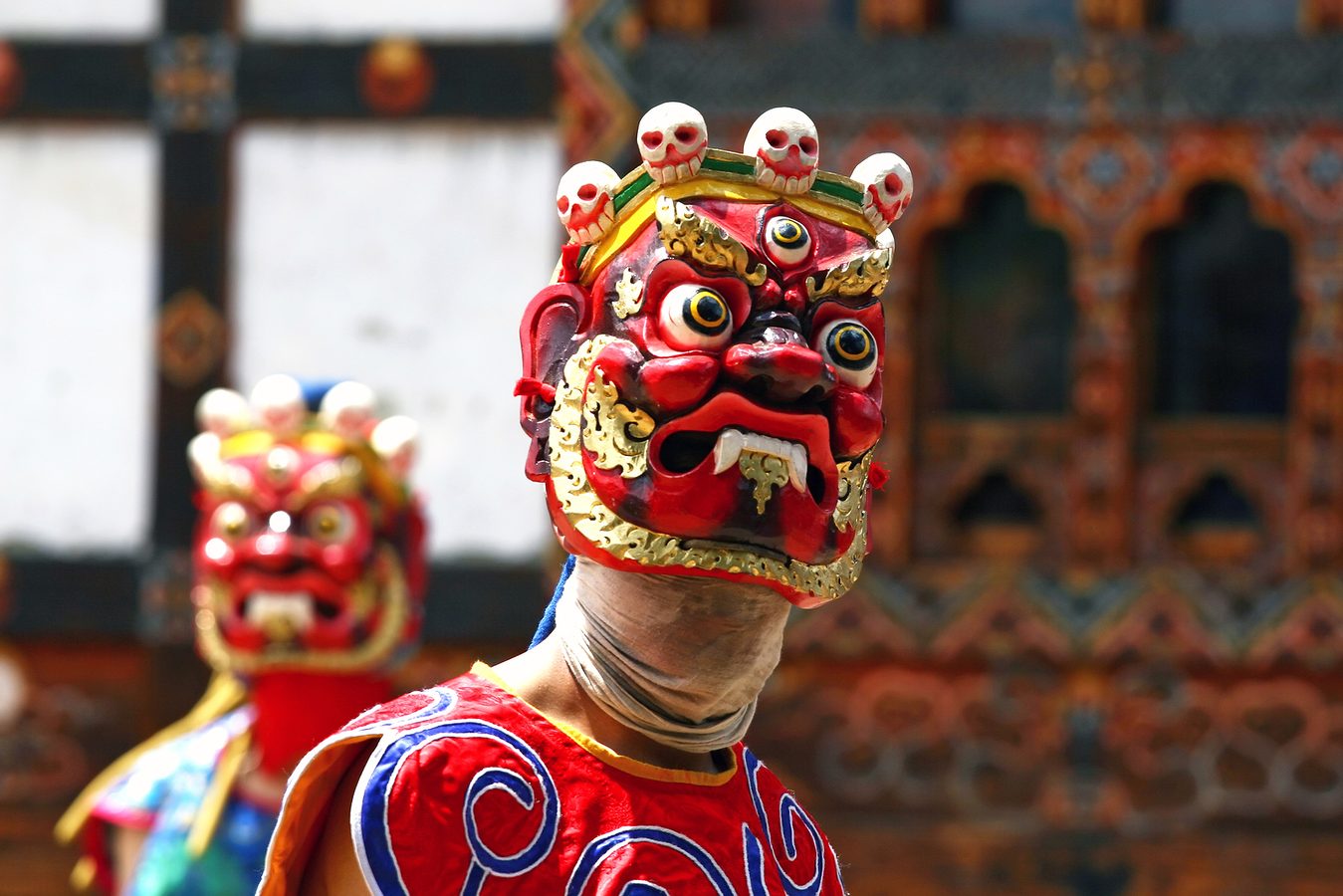
Nepal and Bhutan. Two small kingdoms in the shadow of the world’s highest mountains, both shaped by Buddhism in ways that run through everything — the monasteries perched above valleys, the monks in evening prayer, the prayer flags that line every ridge and pass. In Nepal, rhinos and tigers move through the forests of Chitwan. In Bhutan, the Phobjikha Valley opens beneath ancient gompas. The air is thin, the silence is deep, and the perspective it offers is one you carry home with you.
India
A country so vast and so layered that no single trip comes close to the whole of it. The Taj Mahal at sunrise, its marble shifting from white to gold as the light changes. Bengal tigers moving through the sal forests of Ranthambore. Leopards tracked across the rocky scrubland of Rajasthan by villagers who have read this landscape for generations. The backwaters of Kerala. The spice markets and temple bells. The sheer, bewildering, life-changing scale of it all. India doesn’t reveal itself easily. That’s precisely the point.
Sri Lanka
A teardrop island off the southern tip of India, and a world apart. The slow train winding up through the hill country from Kandy to Ella, tea plantations rolling past the windows in every shade of green. The ancient rock fortress at Sigiriya, rising improbably from the jungle floor. Whales surfacing off Mirissa. The south coast’s long, empty beaches at the end of a day that started with a Buddhist temple at dawn. Sri Lanka moves at its own pace. You’ll quickly find yourself moving with it.
Six Senses Bhutan
Amankora Thimphu
Gangtey Lodge
For a single-country luxury Indian Subcontinent holiday — Bhutan, Nepal, or Sri Lanka — ten days to two weeks gives you enough time to move between distinct regions. India benefits from at least two weeks if you want to combine more than one region; Rajasthan and Kerala, for example, are a full trip on their own. Combining two countries — India and Bhutan, or Nepal and Sri Lanka — works well over two to three weeks. We design every itinerary around your available dates and what you most want to experience.
Combining multiple Indian Subcontinent countries in one trip is often the most rewarding approach. India and Bhutan share a border and complement each other — the scale and vibrancy of Rajasthan or the Ganges against the controlled calm of Bhutan’s valleys. Nepal and Bhutan pair naturally for a Himalayan circuit. Sri Lanka adds coast and wildlife to a trip that begins in India’s south. We plan every routing and connection so the journey feels coherent rather than stitched together.
The best time for a luxury Indian Subcontinent holiday depends on where you are going. India’s north and Rajasthan are best October to March — cool, dry, and ideal for wildlife. Sri Lanka’s west and south coasts peak December to March; the east coast suits May to September. Bhutan is most beautiful in spring and autumn — March to May and September to November. Nepal’s trekking seasons peak October to November and March to May. We factor all of this into every itinerary and will always tell you honestly if your chosen dates are not ideal for a destination.
For a first luxury Indian Subcontinent holiday, India is the most compelling entry point — the scale, the palaces, the wildlife, and the food offer more variety in a single country than most regions can across several. Sri Lanka suits those who want the cultural depth of the subcontinent alongside excellent beaches and a more manageable scale. Bhutan is the right choice for those seeking the most controlled, exclusive, and spiritually immersive experience in the region. Wherever you start, we’ll design the itinerary around what matters to you — and tell you honestly where to go next time.
The cost of a luxury Indian Subcontinent holiday depends on the countries you visit, the duration, and the style of experience. India and Sri Lanka tend to offer strong value for equivalent luxury. Bhutan has a government-mandated Sustainable Development Fee that adds to the cost and limits visitor numbers — making it one of the more exclusive destinations in the region. Multi-country itineraries combining India with Bhutan, Nepal, or Sri Lanka carry additional logistics. We price every holiday individually based on your specific requirements, with no planning fees. Speak to one of our specialists to discuss what the right trip looks like for you.
“Black Tomato is an award-winning travel company for those in search of unique travels.”

“The hardest parts of travel planning is getting started. The Feelings Engine makes that feel like a game worth playing”

“Many companies brag about offering once-in-a-lifetime experiences. But with Black Tomato it’s not hyperbole”

“Black Tomato is a super innovative company where the sky is the limit for their clients”

“Luxury travel company, Black Tomato, specialises in the trip you didn’t even realize you had been dreaming of”

“Black Tomato is a leading luxury travel company that provides innovative and inspiring experiences”