



















































India
RAAS Rajmahal Palace, Jaipur
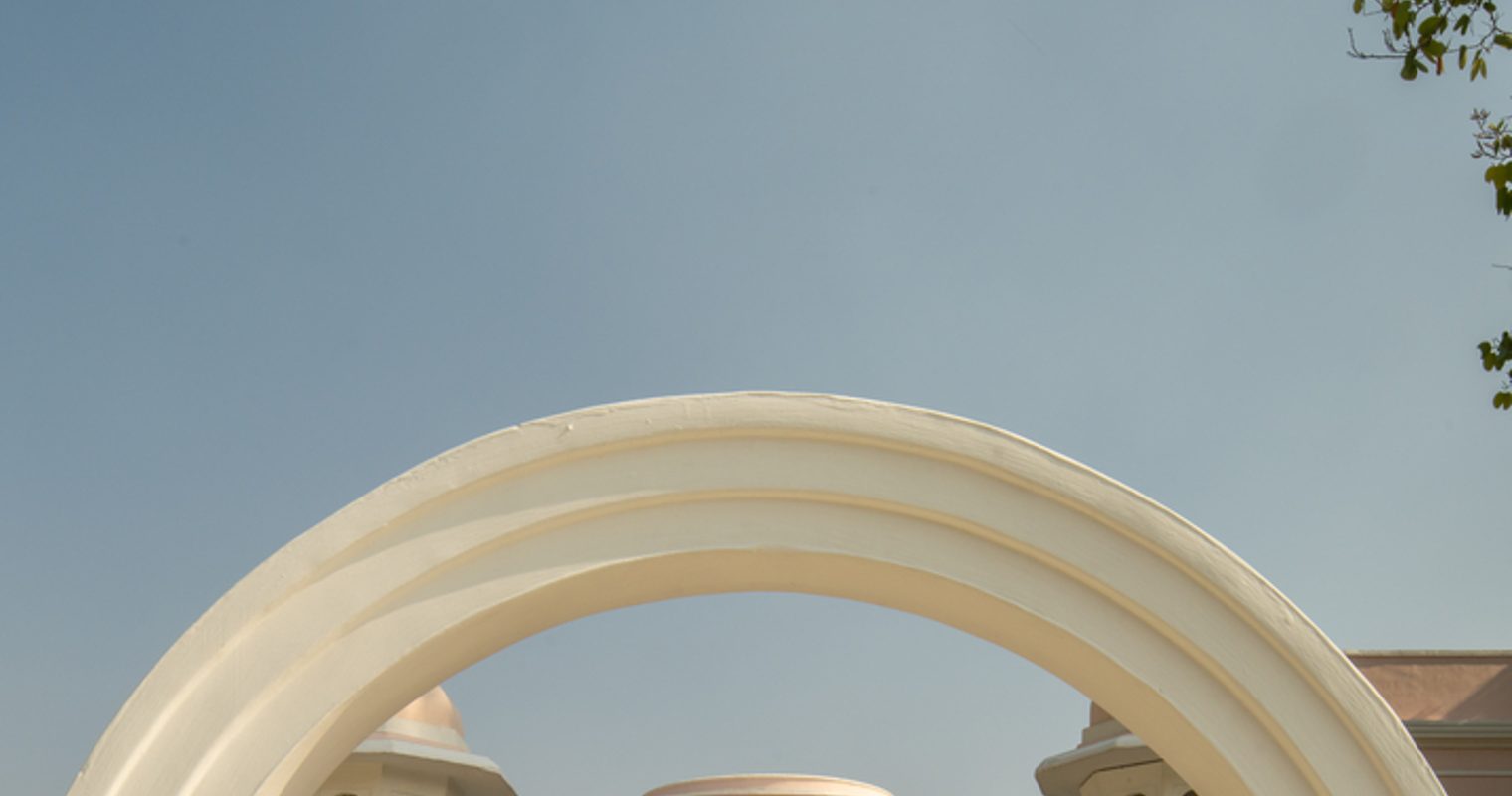
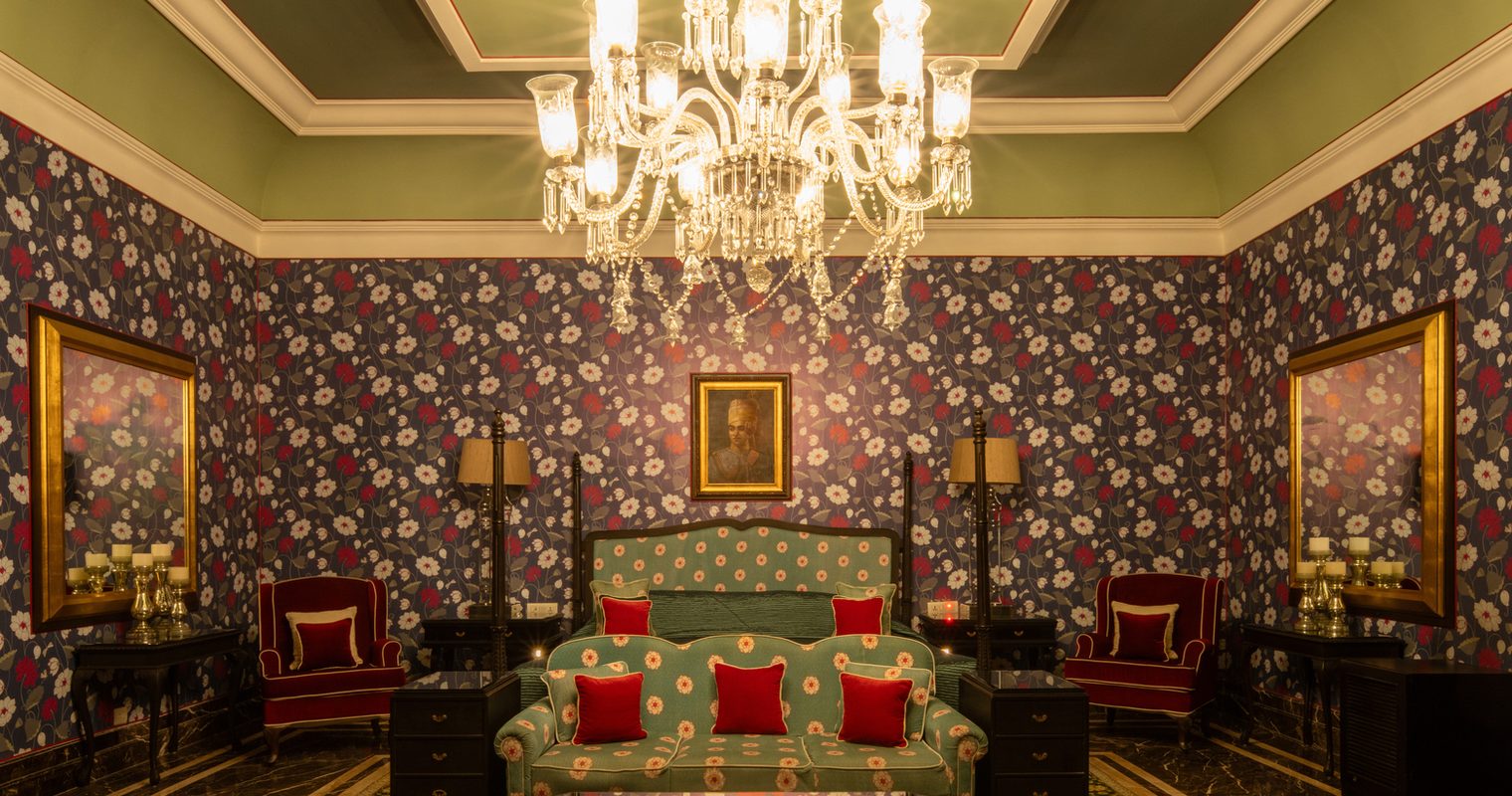
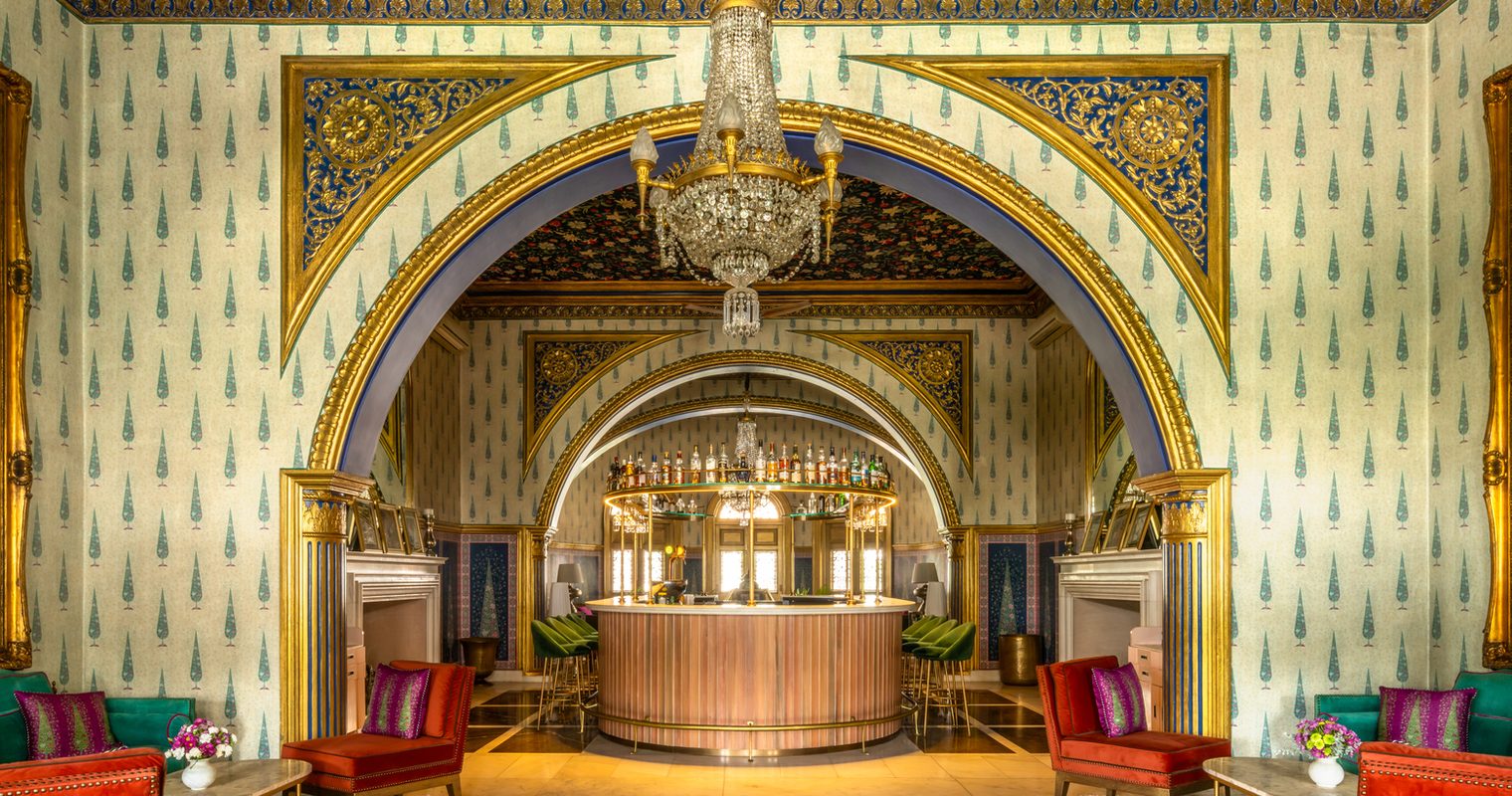
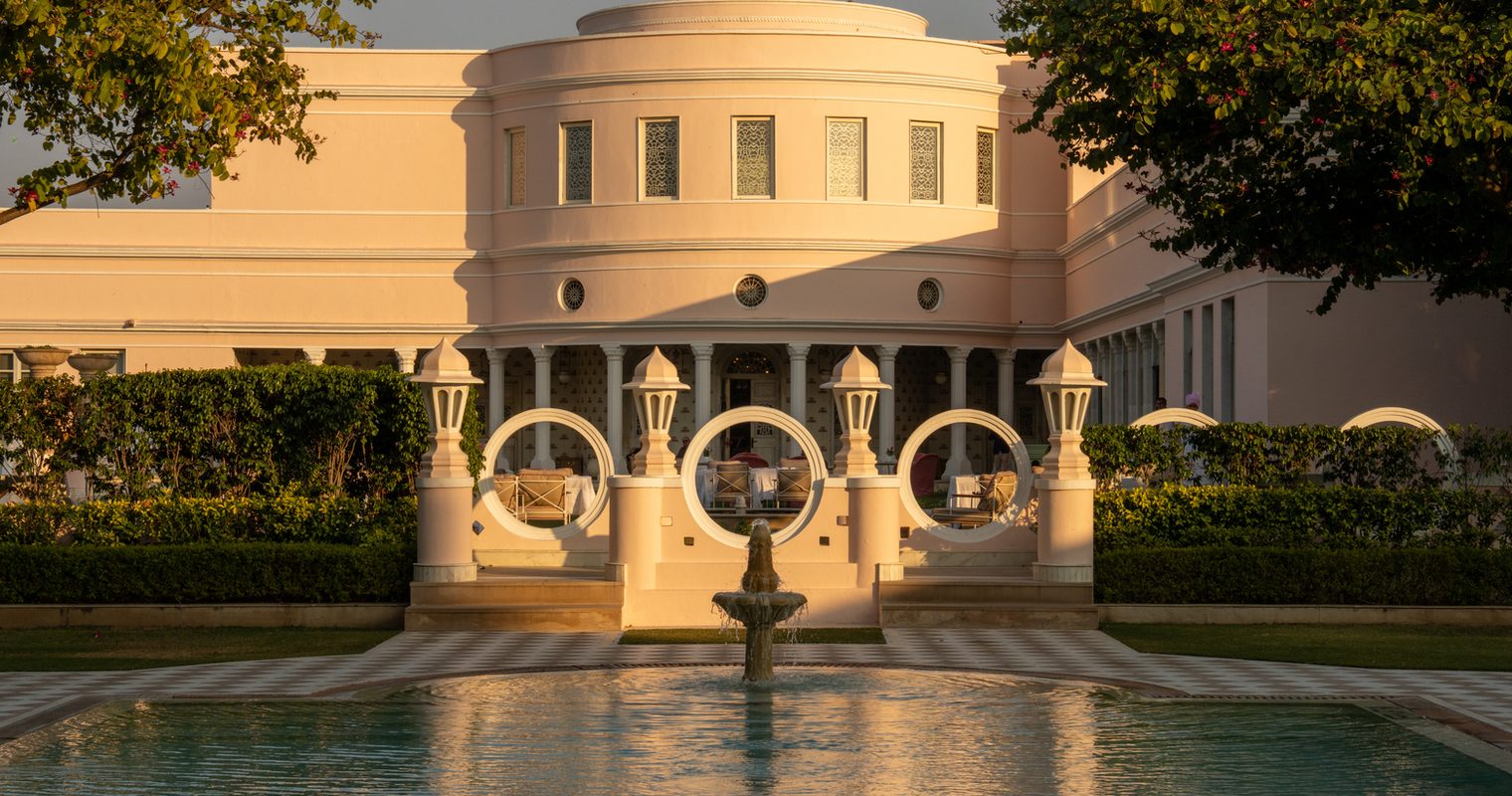
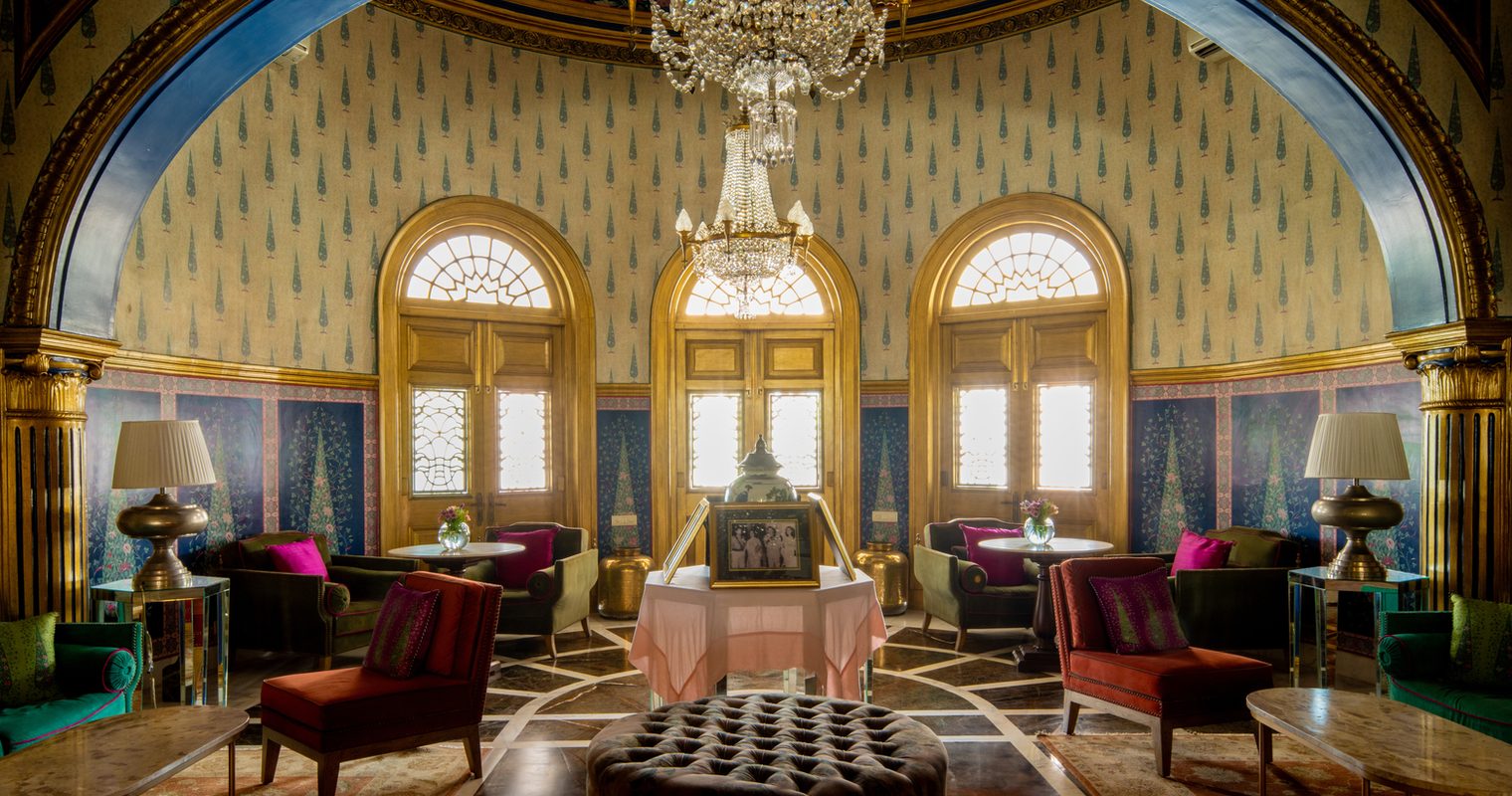
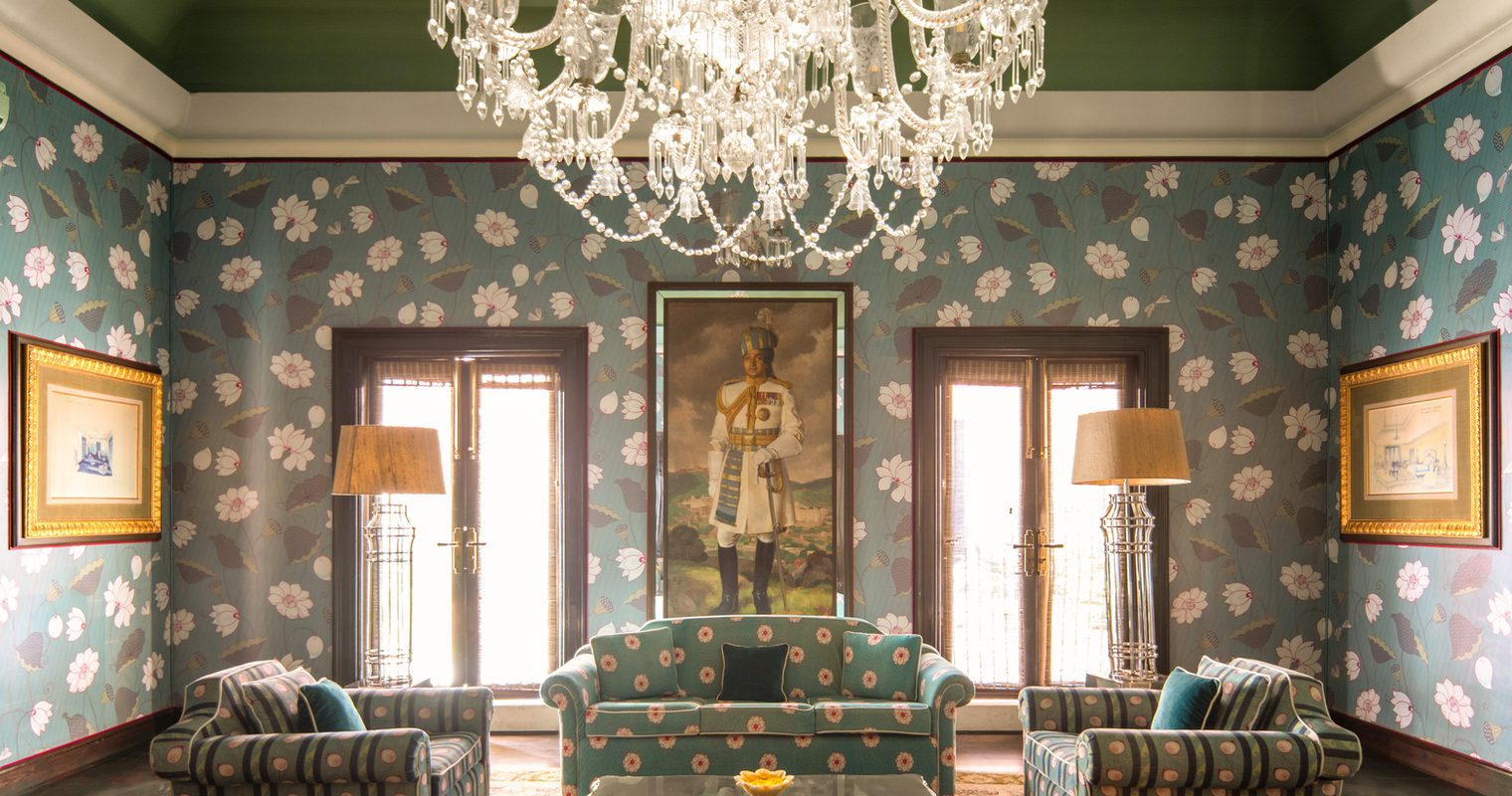
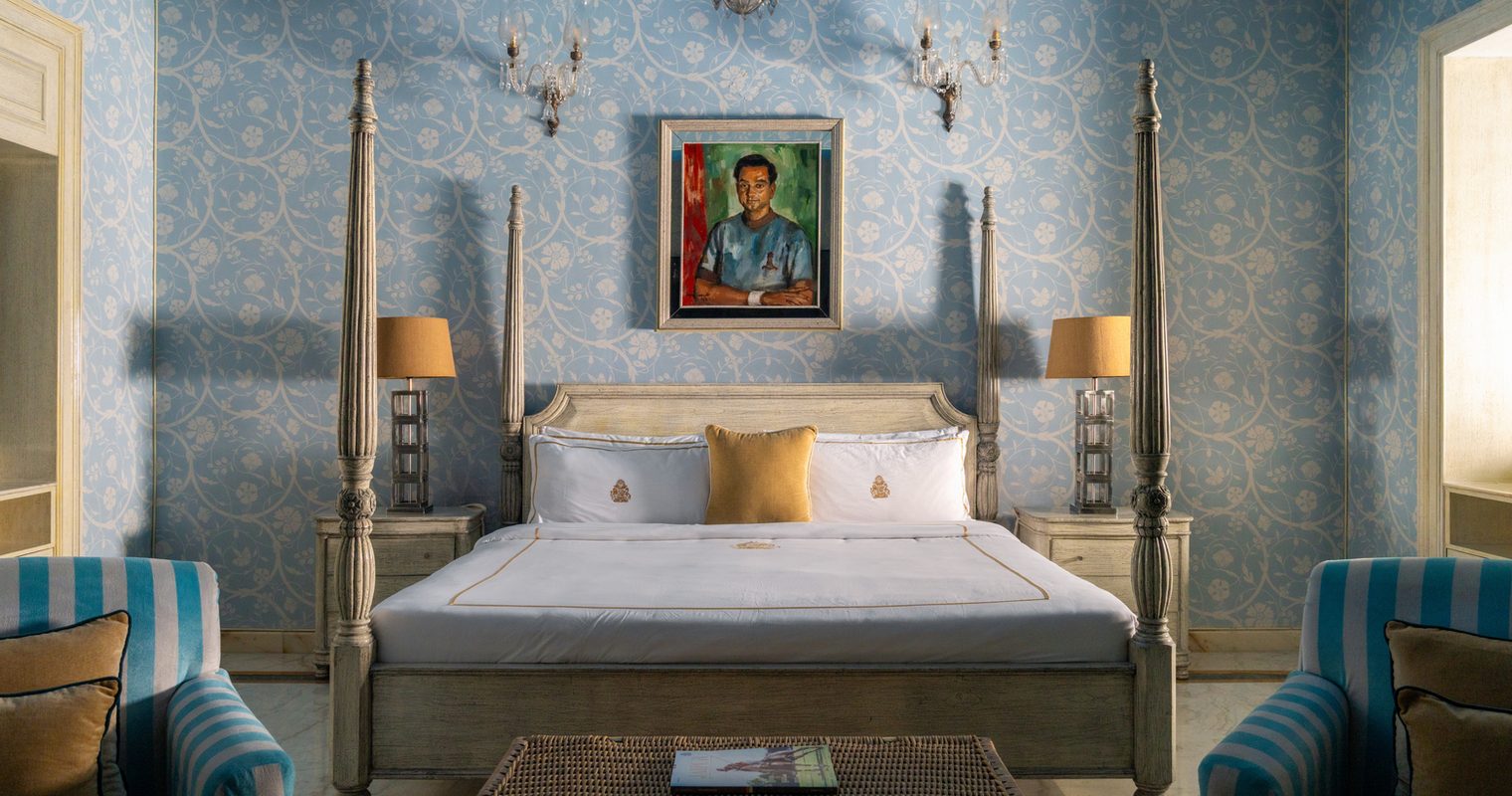
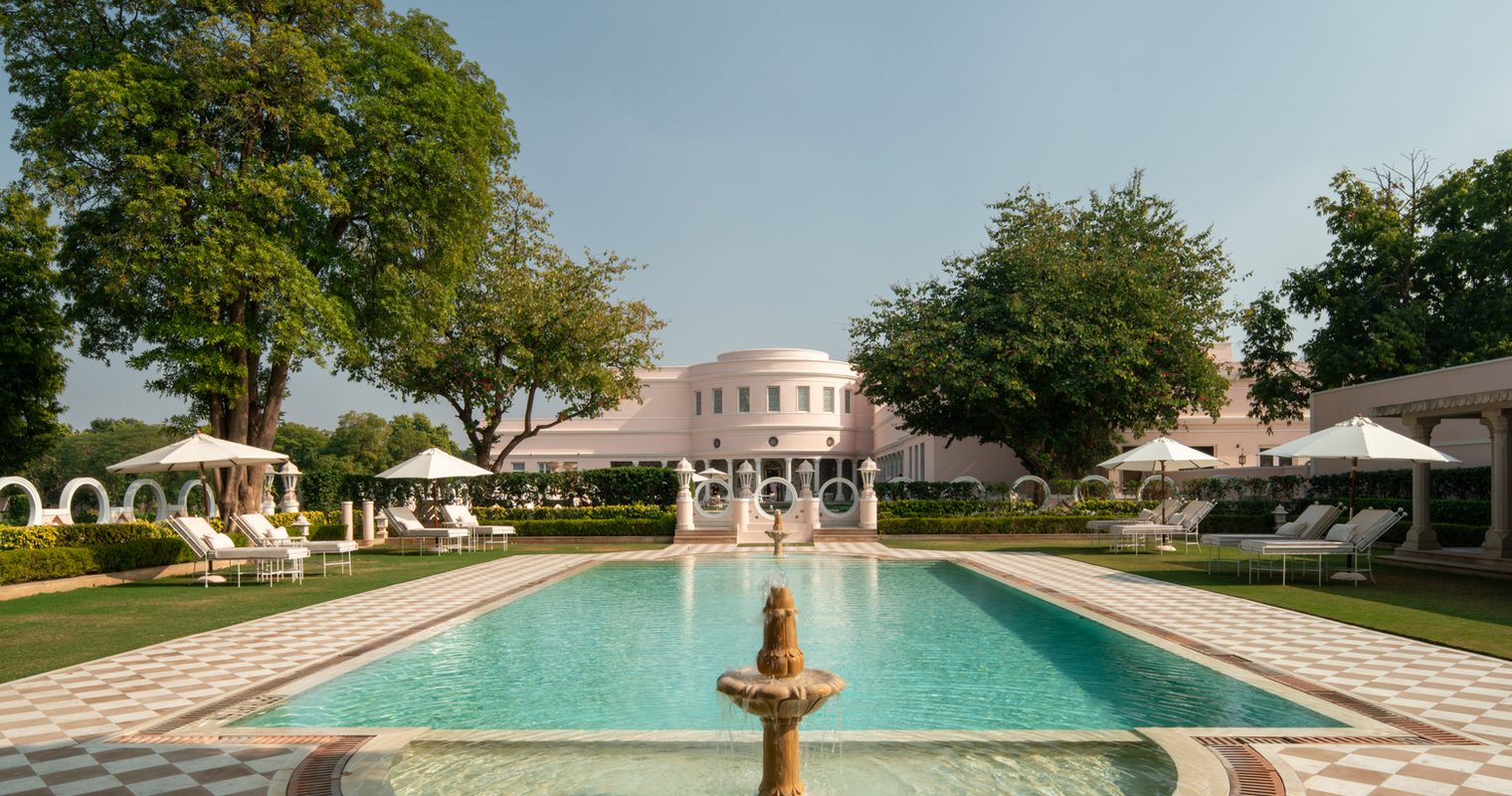
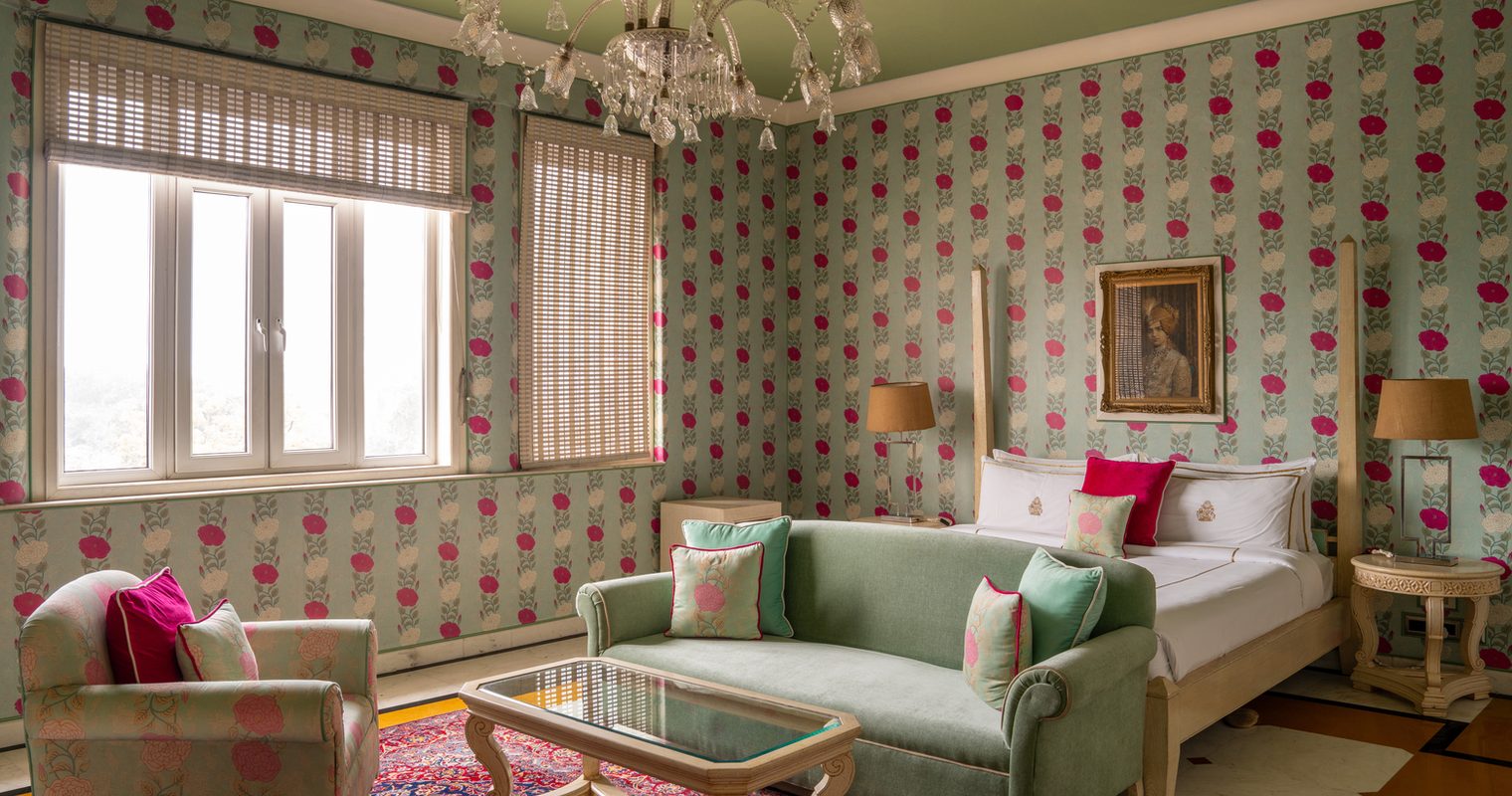
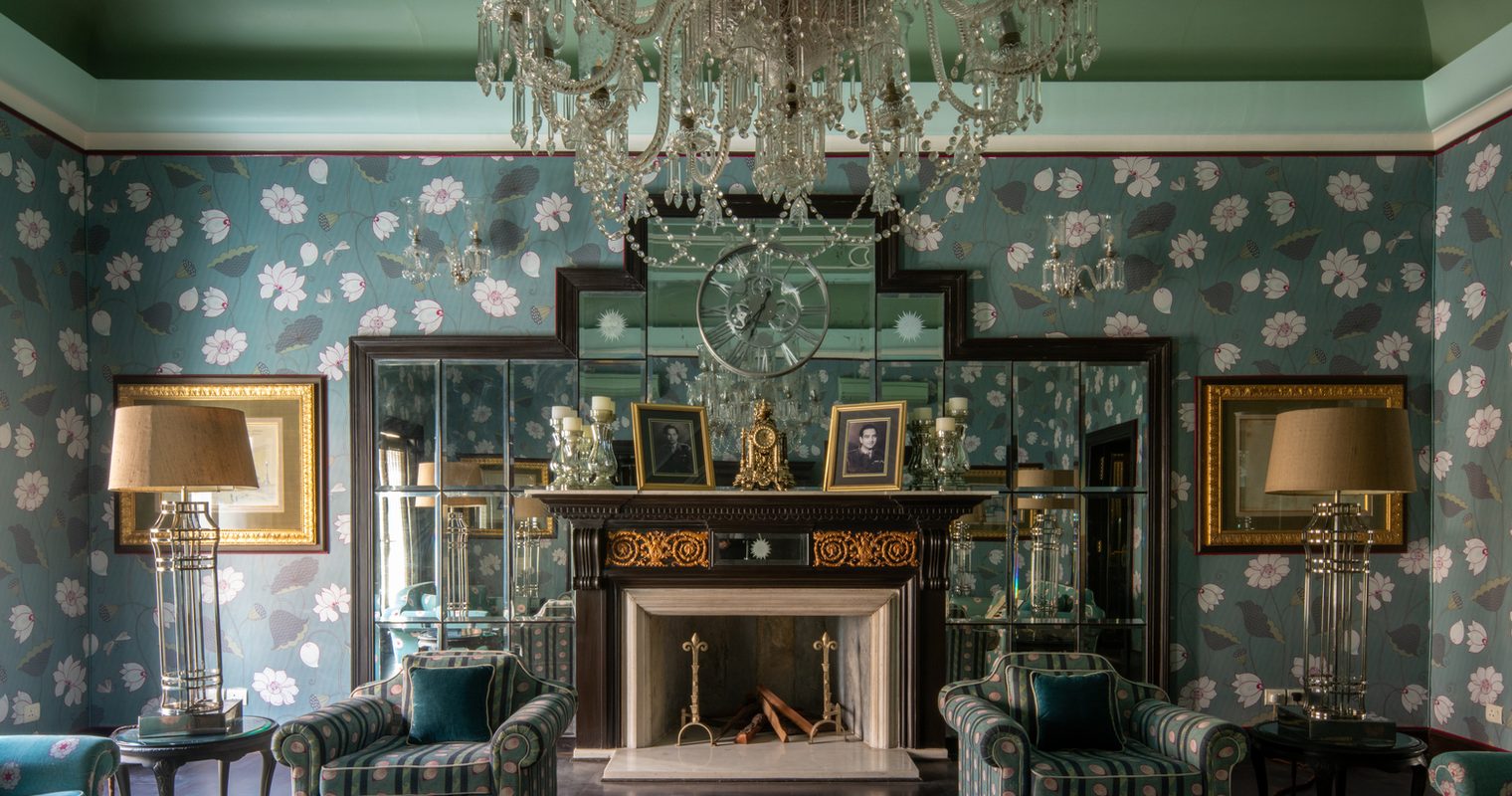
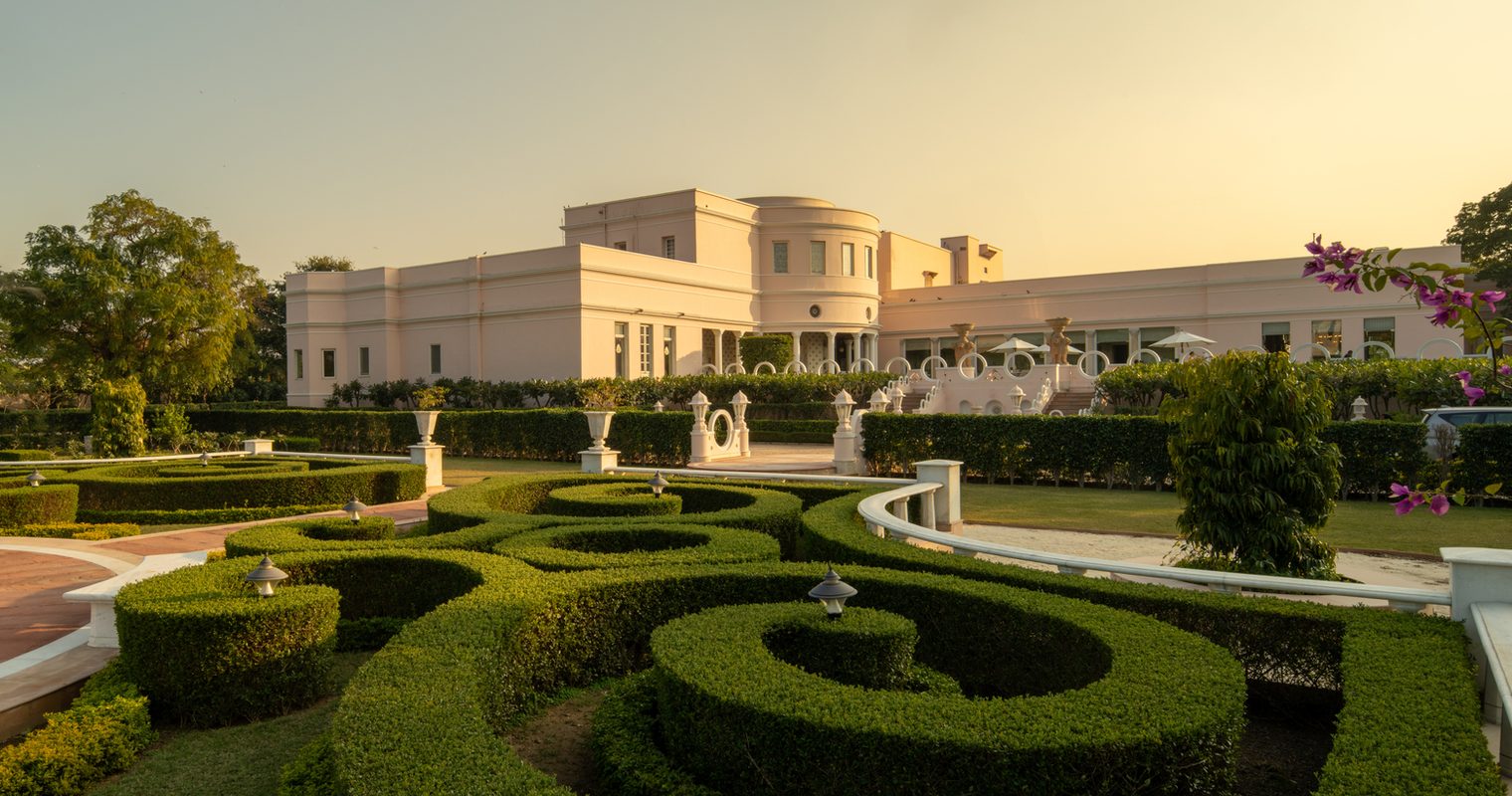
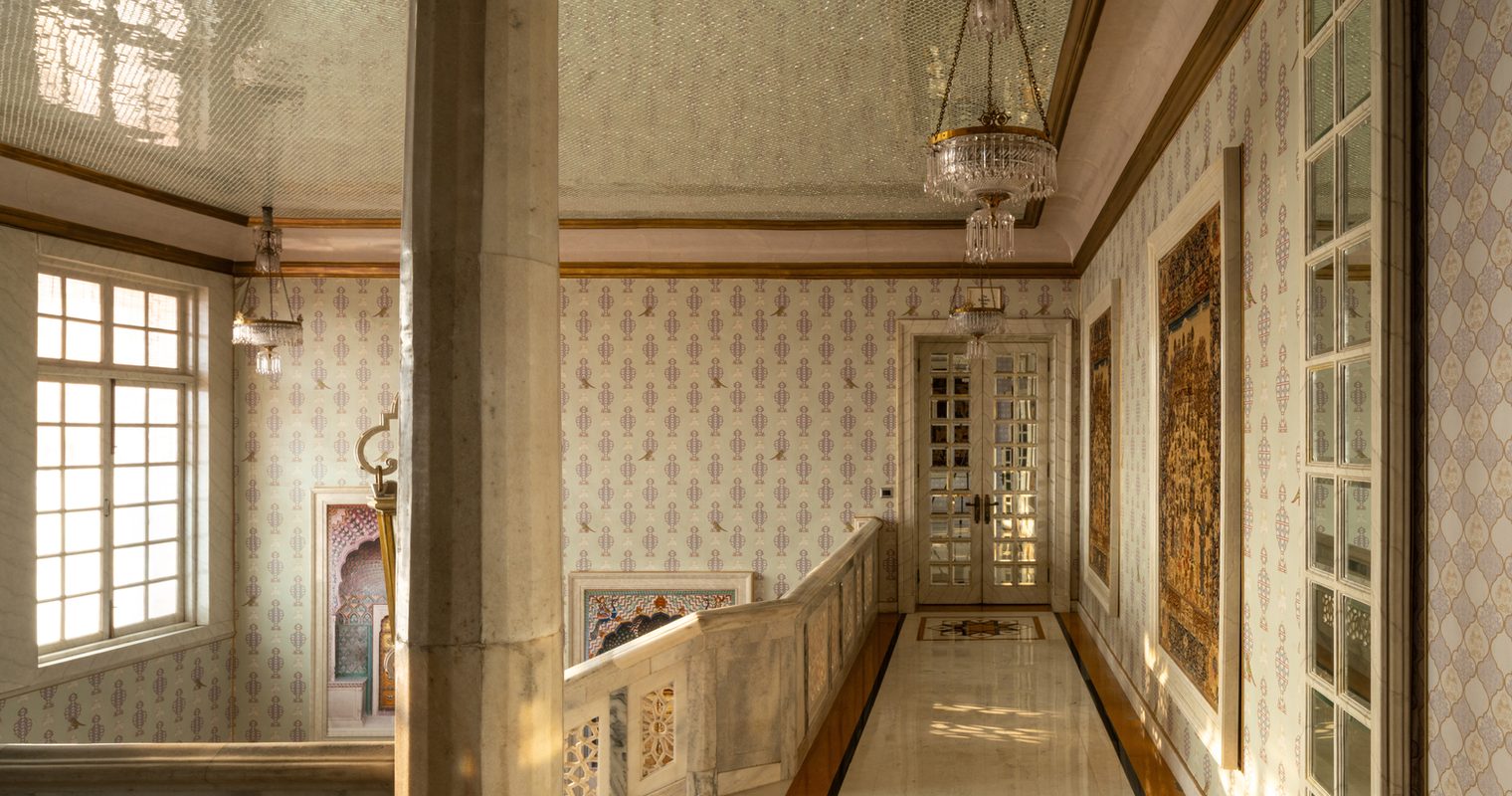
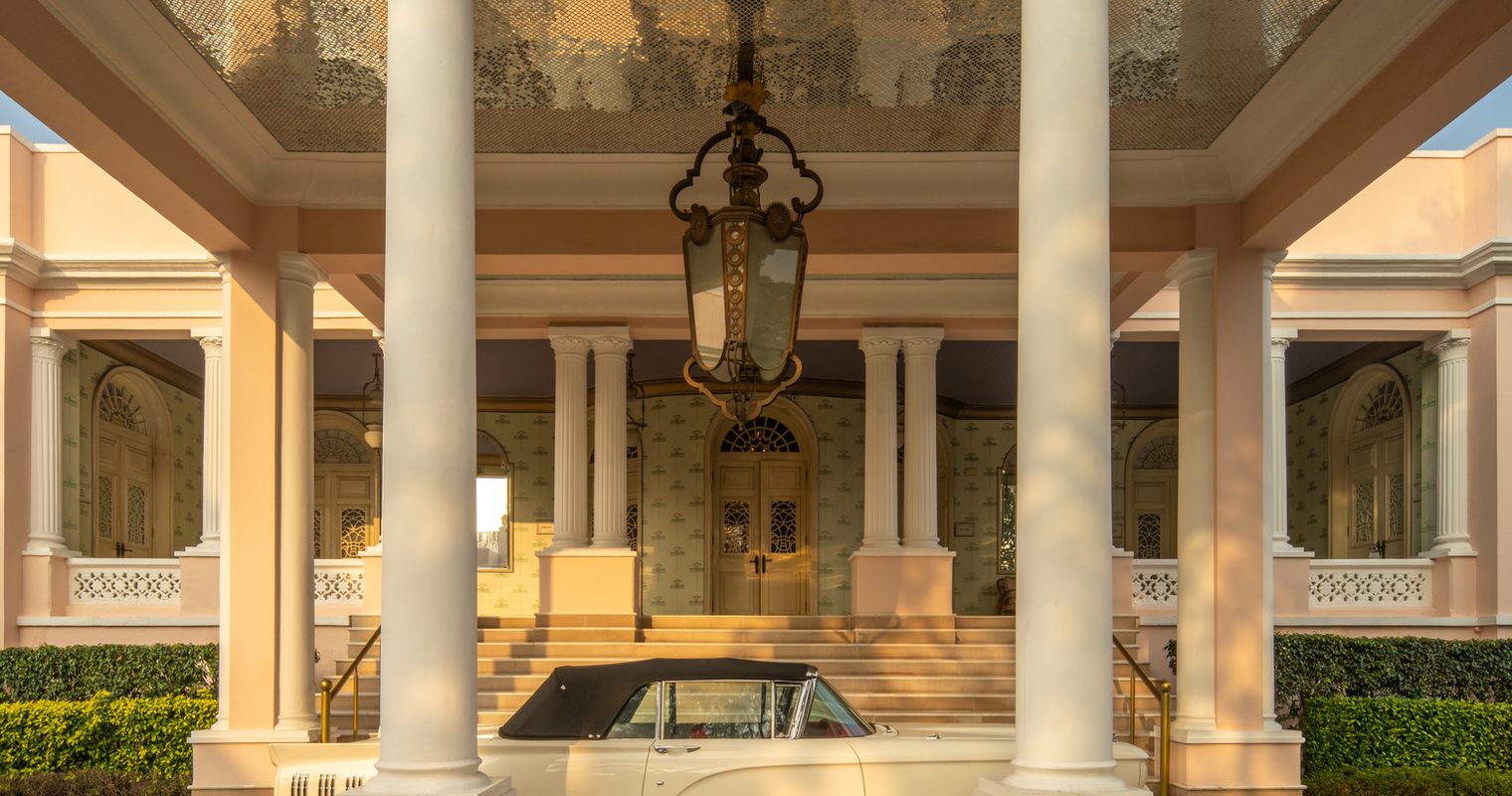
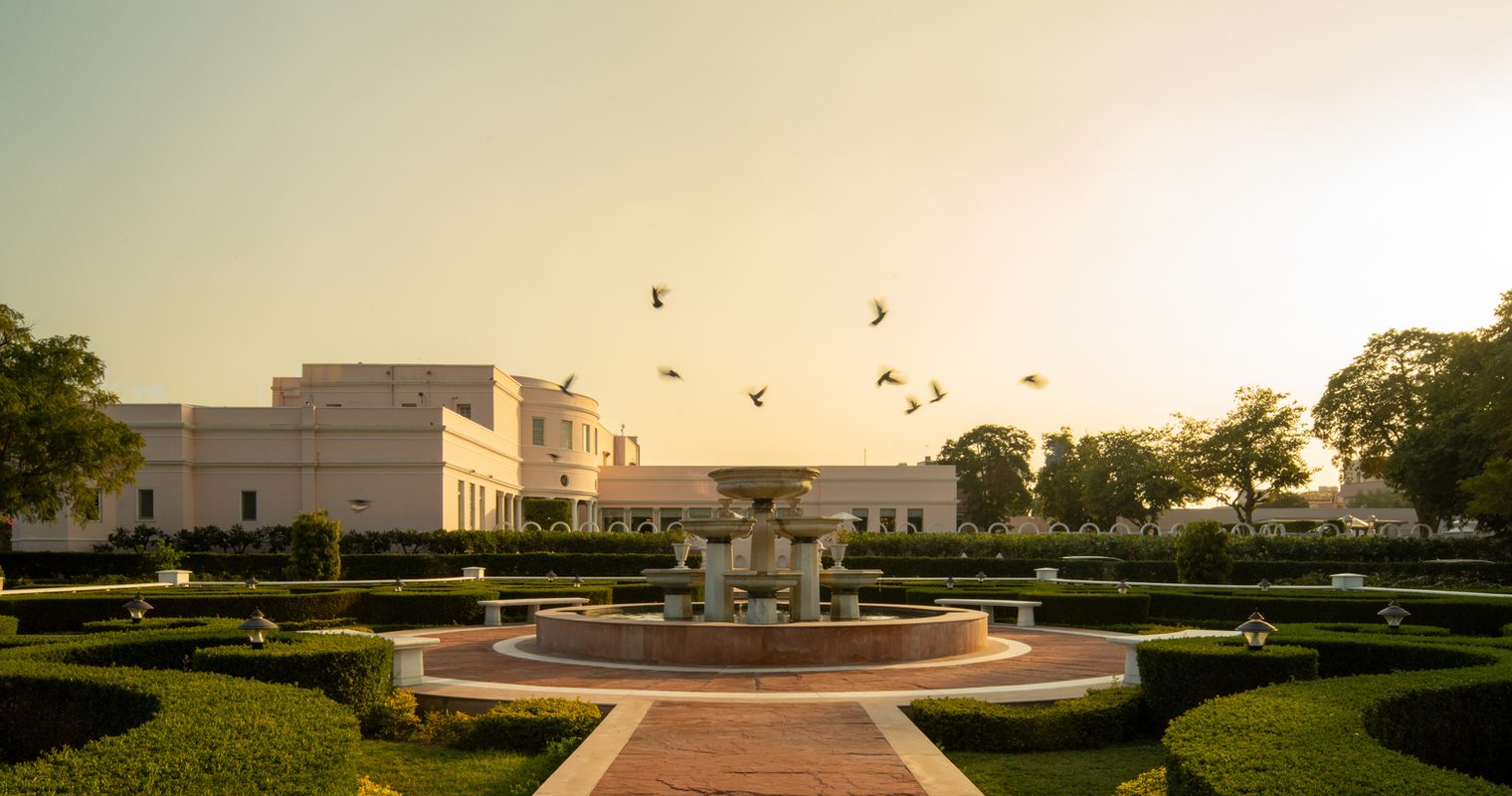
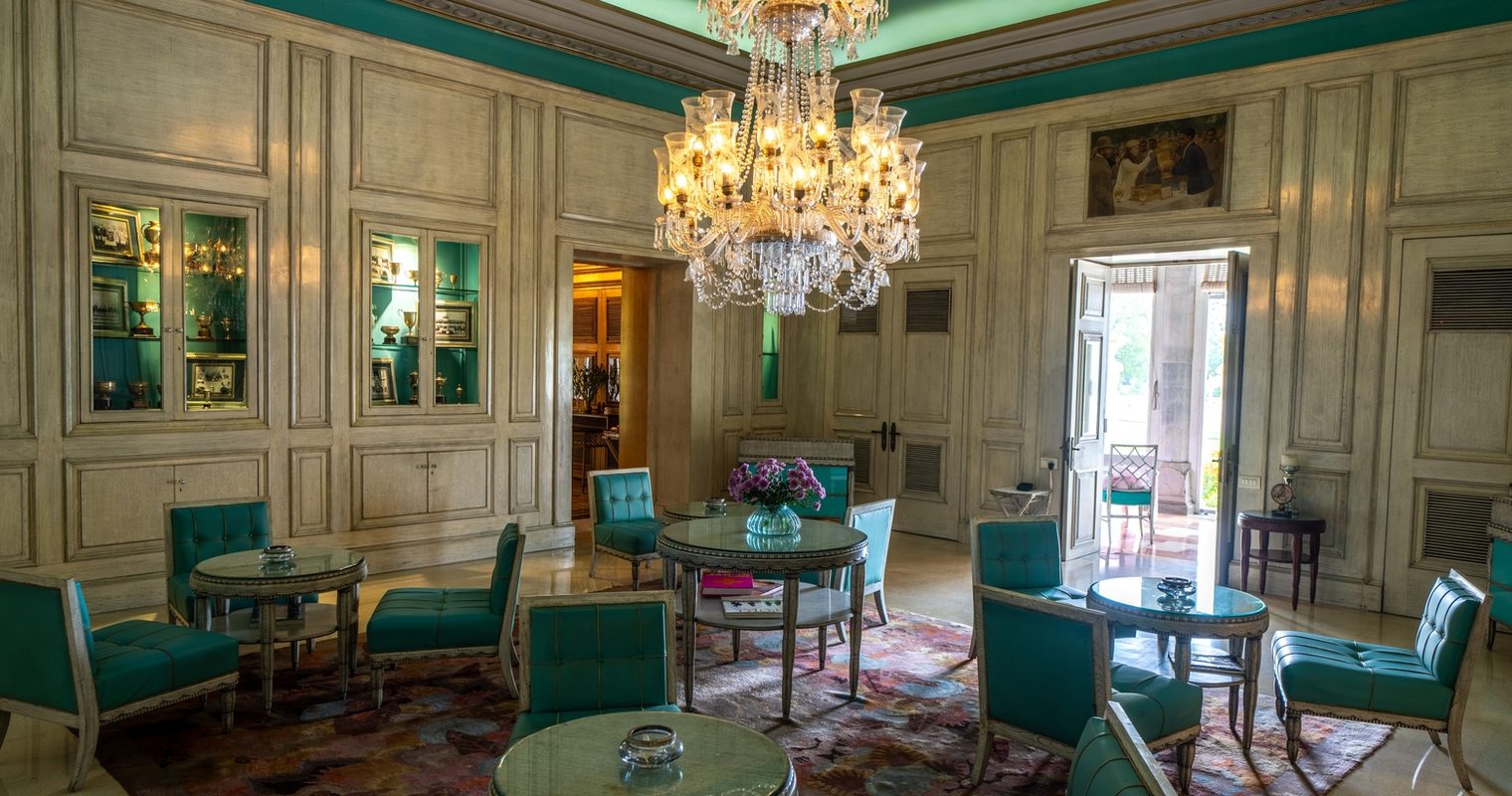

The gates of RAAS Rajmahal Palace open onto a world where maharajas once hosted royalty beneath glittering chandeliers. This 18th-century palace, built as a countryside retreat in 1729, blends regal history with contemporary Indian style – offering guests an intimate urban sanctuary inside the Pink City itself. Magnificent walled gardens unfold around you. Fountains flow beside an Art Deco swimming pool. Interiors by acclaimed designer Adil Ahmad deliver bold colors, intricate wallpapers, and whimsical symmetry that feel straight out of a Wes Anderson film. It’s a place with that very rare combination of authenticity and luxury – where every corridor tells a story.
LOCATION
RAAS Rajmahal Palace sits in the heart of the UNESCO-listed city of Jaipur – the capital of Rajasthan, and gateway to some of India’s most treasured monuments. Despite the palace’s central location, its high walls and beautiful gardens create a sense of serenity that contrasts the city beyond. You’re perfectly positioned here for exploring the Pink City’s crown jewels: the honey-colored ramparts of Amber Fort, the intricate lattice windows of Hawa Mahal, and the grand courtyards of City Palace. Returning through the hotel’s gates, Jaipur’s energy dissolves into tranquil garden paths and poolside lounging.
YOUR ROOM
With just 13 rooms and suites – including two royal apartments – RAAS Rajmahal Palace has intimacy and exclusivity in spades. Each room unites classic elegance and contemporary boldness – with hand-painted thematic wallpapers, velvet armchairs in jewel tones, ornately carved beds draped in fine linens, and vast marble bathrooms with soaking tubs and walk-in showers. The rooms carry the names of their famous former guests – from Jackie Kennedy to the Princess of Wales – while family heirlooms and contemporary artifacts create the feel of a living museum. The Royal Apartments take things further still. The Queen Elizabeth Suite, purpose-built for Her Majesty’s 1961 state visit, is our favorite pick – with two ensuite bedrooms and separate drawing rooms that give you space to truly soak up all the palatial splendor.
WHO IT SUITS
The romantic, serene atmosphere at RAAS Rajmahal Palace particularly suits couples seeking an intimate escape and honeymooners craving candlelit dinners in the gardens. The Queen Elizabeth and Maharaja suites, with their two-bedroom configurations, work beautifully for small family groups or friends traveling together – and children are very welcome. That said, the palace’s sophisticated design and grown-up pleasures, like the Polo Lounge and spa treatments, create an atmosphere best appreciated by adults. Whether you’re celebrating an anniversary or gathering your closest friends for a long weekend of royal living, RAAS Rajmahal Palace delivers personalized service that makes every guest feel truly taken care of.
WHY WE LIKE IT
This isn’t just any heritage property. RAAS Rajmahal Palace remains the primary residence of Jaipur’s Royal Family, and their presence fills every corner with living history. The palace once served as home to Maharaja Sawai Man Singh II, the legendary polo player, and his wife Maharani Gayatri Devi, who described it in her memoir A Princess Remembers as having “charm and character and a pleasantly informal atmosphere.” This spirit is still very much alive today as you wander the corridors – with family photographs and polo trophies on display, and the Maharaja’s 1950s Ford Thunderbird still parked in residence. Dining here is a highlight, too – don’t miss dinner at 51 Shades of Pink, where the mirrored interiors create a kaleidoscope of color. The Polo Lounge, paying tribute to Jaipur’s sporting legacy, is also well worth a visit for its excellent cocktails.
SUSTAINABILITY
RAAS places sustainability at the heart of its philosophy, and RAAS Rajmahal Palace fully embraces this across its environmental, social, and cultural dimensions. The hotel implements renewable energy integration, thoughtful waste management, and local sourcing to reduce its carbon footprint. By supporting local communities and preserving cultural heritage – both through the palace’s meticulous restoration, and by championing regional artisans and producers – the property ensures tourism generates genuine benefit without depleting the resources that make Jaipur so special.