Transcript
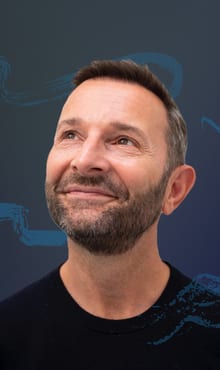
Owen Vince: 00:02
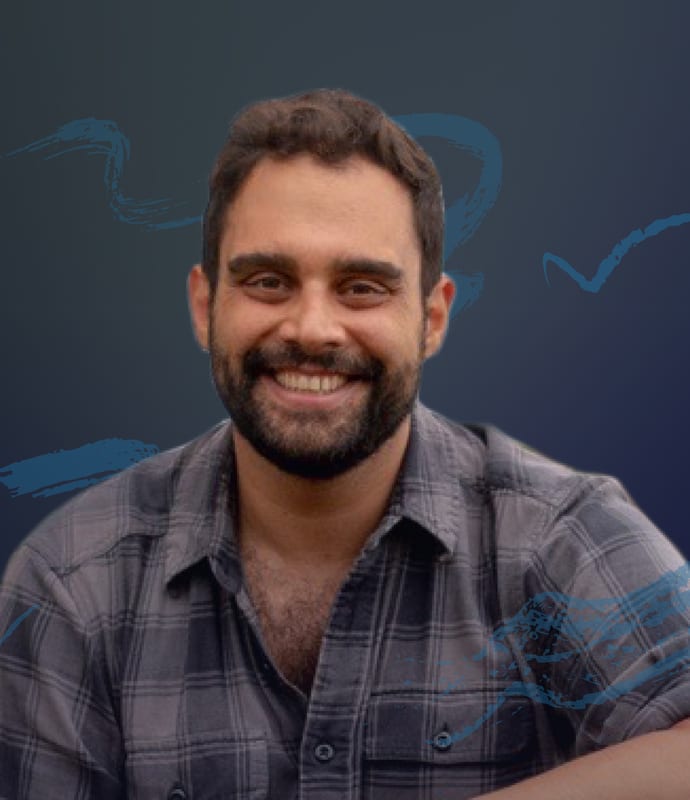
You’re listening to The Pursuit of Feeling, a podcast by Black Tomato. In this new series, we want to explore not only the world of travel, the world of emotion, and what it ultimately means to feel a way through the world. In each episode, you’ll also get a Rolodex of recommendations from our guests on where to go, what to do, and where to stay.
Tom Marchant: 00:31
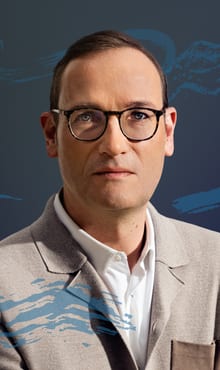
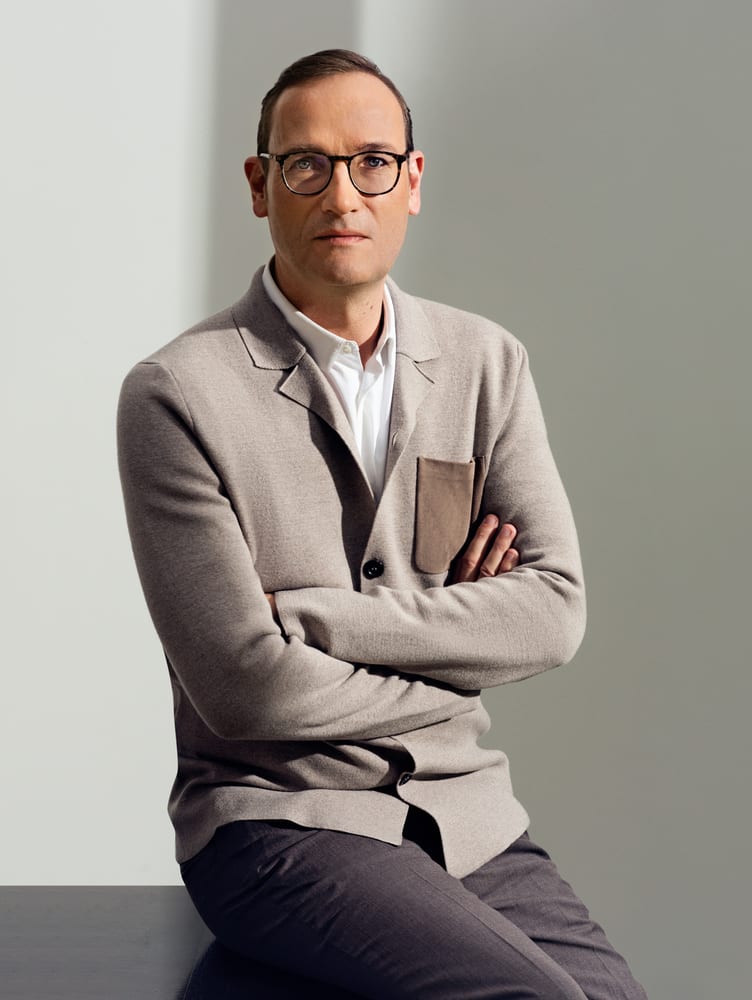
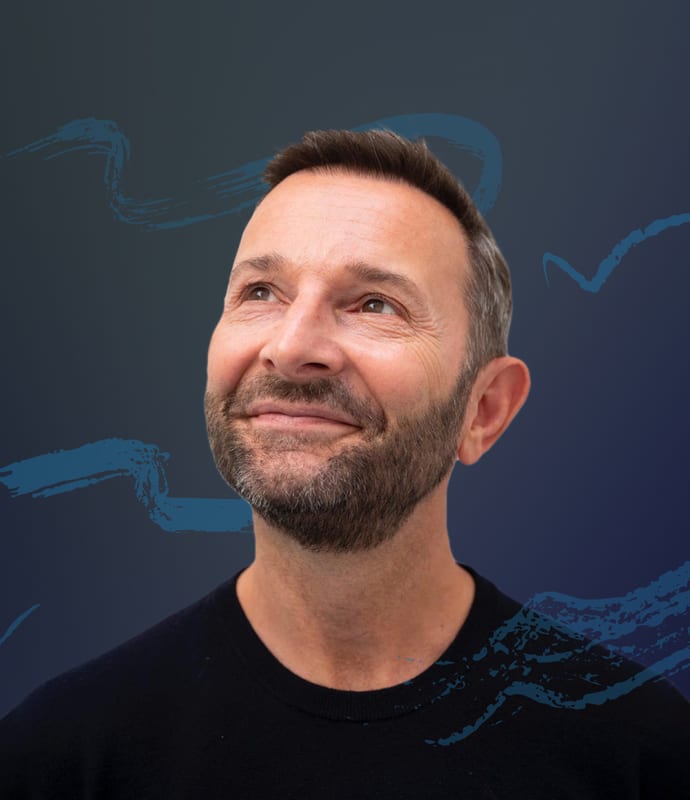
All around the world. Today on the pursuit of feeling, I’m joined by one of the true visionaries in global hospitality. Someone who understands with rare clarity how feeling sits at the center of every travel experience. Philippe Zuber, CEO of Curso International, leads some of the world’s most iconic and emotionally charged hotel brands, including one and only Atlantis, Atlantis the Royal, Cyro, and Rare Finds. What makes Philippe so compelling is his deep belief in the power of people. Not in the abstract, but in the extraordinary community of inspirational individuals who make hotels come alive. From hosting guides to chefs, creatives, and cultural custodians, he sees them as the beating heart of hospitality, the ones who define and shape the moments that guests remember most. In our conversation, Philippe reflects on the places that have and continue to shape him, the experiences that hit him emotionally, and moments and travels with his family that continue to influence how he moves to the world. We talk about the feelings he seeks when he travels and the encounters that connect so deeply to philosophies lived by his brand, such as One and Only’s We Create Joy. It’s an inspiring, generous, and deeply engaging conversation with a leader who sees travels not simply as movement, but as transformation, powered by emotion and the people who bring it to life.
Tom Marchant: 01:52
Welcome to another episode of the Pursuit of Feeling podcast. I am delighted today to be joined by my friend Philip Zuber, a true hospitality visionary. Philippe is the CEO of Kersey International, who look after and own the iconic brands such as Atlantis, One and Only, Cyro, and Rare Finds. Philippe has a storied background in hospitality, has long been recognized as one of the top, top, top operators and influencers in this world. And his vision on where hotels are going, what the consumer wants and what it means to experience properties in the world in truly special ways is unsurpassed. So it’s a real honor to have Philippe on the podcast today to talk about the connection between travel and emotion and share some of his stories and speak about how we see the world of travel uh evolving. So, Philippe, thank you very much for coming on today.
Philippe Zuber: 02:50
It’s a pleasure, Tom. Thank you so much.
Tom Marchant: 02:52
Great. Just to kick off, Philippe, I think you know, you you’ve spent your career, you know, from you know starting at Hyatt and moving forward, like you know, some of the world’s most iconic hospitality brands, always synonymous with pushing boundaries of what travel and luxury can feel like. Um, with that in mind, how would you describe your personal relationship with travel today and how has it evolved, uh, if it has, say, from the early days at Hyatt to now you know leading Personer and living and moving and traveling all around the world?
Philippe Zuber: 03:24
I mean, it has definitely evolved dramatically, and uh definitely the way I’m traveling today is fairly different. And I believe because travel is about uh connection and raising awareness and uh knowing how the world is going, and it’s about as well, uh, refine your preferences. And when we are like in our job, you know, you and I so blessed to be able to travel for personal reasons but as well for professional reasons, we have a much more awareness, and uh as more as you go, you want to go to places that resonated on you, resonated to your value, resonated to what you want to uh to feel, and uh it’s a massive change. And I think I’m so blessed and I’m so lucky to having been able to expand uh the different type of a country I could go, specifically with my uh last job with Kostner, 10 years. So uh we’re seeking, we’re looking for new destinations for our guests, and uh so I I can go to places which I will have never ever imagined that I can go one day and travel to. So it’s pretty pretty fascinating. And uh one of the key things to me, it’s about um as well more and more as I go, is it’s not about the place what I’m going to, it’s about to whom I’m traveling with, you know.
Tom Marchant: 04:50
For sure. I I feel exactly the same. There’s this, like you say, a blessing for working in this industry, is that I still kind of every week, every day, kind of get up with excitement about where we could explore um or hearing things about new places, and and that’s that’s a real blessing for being in this industry. You’re constantly having access to or asking questions about where you go, and and then the the impact of that, not just from a business perspective, but also a personal kind of development and evolution is is really something. And I think you know, people talk about the world being fully discovered, but it it hasn’t always, I don’t think it’s always been fully explored and places evolved. So this this rich tapestry of experiences that come your way day in, day out. Um, yeah, obviously, uh I can see exactly why that has evolved and what a great position to be in. I mean, you’ve you’ve you’ve done amazing things to build your career and and your influence to this position you are in now, steering such a significant and influential business. If we go back to the start of your career, you know, what sort of brought you into this this world, this crazy, you know, manic but such inspiring world of hospitality and travel. Do you can you ever recall any early moments where you know travel really when you’re traveling, something hit you emotionally or something really stuck with you that perhaps planted the seed for you know what you’ve gone on to do since?
Philippe Zuber: 06:16
Yeah. I I love these questions because it’s always the looking the why, you know, looking the kind of the origin of the reason. I’m originally from Alsace, which is a place where it’s surrounded by borders, you know, borders to Germany, borders to Switzerland, and then it’s a place whereby you are in the middle of something. You have crossing culture and people crossing the border to that place. And I’ve been always intrigued by this opportunity to cross something and to push, and as well, and by thinking about that, I Alsace is a beautiful, beautiful region. I mean, I’m I’m just uh I was just there a few weeks ago and I realized how beautiful it is. And many many people travel to escape from the day to day. And when you are blessed to live into a kind of a beautiful region, a kind of place whereby when you wake up, you’re surrounded by beauty, by nature, by kind of a good food, good people, and so on. It is then obliging you to seek travel’s other purpose and other reason and to go a little bit harder. And and I realize that when you deal with people which are travel to escape from where they’re living to versus when you have the luxury to travel to experience something, it’s a different feeling. But I I I guess very sincerely that um to be close to borders has always uh pushed me to uh to do something different, and I’ve been lucky to be as well uh in a family whereby uh both parents were professors. So any vacation at the beginning, we’ve been traveling Europe, it was always the same. It was about culture and museum. So I potentially have done all the museum and key museum on the key city. It was a bit of an obsession at that time, so there’ve been a time which I couldn’t go to any museum at all. But um, I I have been blessed as well to be encouraged to see the world and at least to see Europe because we’ve been predominantly going to Europe back in the day, uh, to to see as well the history and and and where travels have changed the world. And this is as well a significant uh milestone in in I think in my career. As I realize that travel has a function, has a function into the way that people are behaving, into the trade, into everything. And and if you’re really, really well aware of the history, you travel with a different lenses. And I guess I’m I’m blessed with my parents that they have forced us to go to uh see the world to the to a historical lens.
Tom Marchant: 09:04
I I think that’s a brilliant, brilliant example, and I think that that childhood or growing up, you know, we often talk about um what does it mean to be curious, or you know, how do you foster curiosity, or are some people just born curious and some people aren’t? You know, I I I I similarly, you know, my mother’s from Finland, my father’s English, but you know, my mother traveled a lot, my father didn’t, and they were very much like wanting myself, my brother to see other places, and and without you know, and just knowing that almost like by being there and and being present in different cultures, it just starts opening your mind and you start appreciating or asking questions. And I think the opportunity to travel with children or show them these things that is what can foster a great sense of curiosity, and obviously, you know, being curious, it’s you know it’s one of the key values of our company, it’s sort of something I swear by, and I think framing it from a historical perspective is fascinating as well. I think you it sometimes you almost need to look back to appreciate things more because almost understanding kind of what came through there or or how this place has been shaped or who shaped these places, it just brings it to life in so many interesting ways. And I think um sometimes, not not with everyone, but sometimes that people can skip past that. And actually, you know, I’m I’m I’m reading a book recently about um about London, uh and it was an a reporter who was just looking at the different um the different sides of London that people don’t know about as much. So it might be sort of different communities who are kind of passed over, and it’s fascinating when you start learning the history of this place that is not as obvious, but it’s all around you, and suddenly you start looking at places through a really different lens, and it’s for me, it all fosters that that pursuit of feeling through by being curious. So I I love that story. I mean, on that on that motion, so being close, and I love that thing about being close to borders because that’s it’s almost like it’s a it’s something dangling in front of you saying, Come, come, come see, you know, you want to go across that’s how I travel. When you travel, maybe when you’re young or when you’re now, do you ever do you ever set out with a a particular feeling in mind, like when you’re looking to travel, like I’m you know, I’m looking for a certain thing or I want to feel a certain way, or what’s that what role, if it does, does that play in your travel considerations?
Philippe Zuber: 11:20
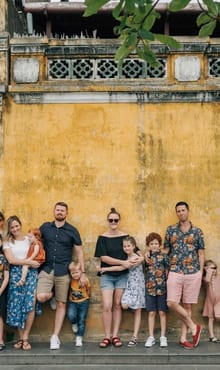
Yeah, you you you’ll have to distinguish when you travel for work or when you travel uh for personal uh reason. I mean, I’m excited on both, and and this is quite unique, and I feel so joyful. Actually, I’m potentially uh one of a few that enjoy doing the suitcase and uh kind of uh uh enjoy that moment when when you check yourself what you have to put into the suitcase, whether it’s for private or for work. You know, for many people it’s a painful moment. For me, it’s it’s the start of the travel, it’s the projected about what I want to do and what should I put into my suitcase and and and how I will be able to have good uh good time. It’s all about what you would like to achieve for the vacation. We all work very, very hard, and it’s about uh having those moments. Uh, I’m I’m a father of two boys, and when we travel with my wife and as a family, we have developed so much. And this is a very, very interesting thing. I mean, uh, first of all, we bless to live an expat life. And when you live an expat life, you have a different meaning in travels than if you’re not having uh the chance to be abroad. Sure. Whatever you go with young kids, when you go back to see your parents, your family, and whatsoever, you’re almost losing the appetite for travels because you go back to visit your families. And then what we found out very early is that in order to build the relationship with our children and to really sharing those moments and educating themselves amongst travels and the beauty and opening them uh their senses and uh open them to the world. With my wife, we always push extremely hard to have those family vacations. And um I I guess it’s about as well putting that as a kind of a core element to the family. I’ll give you an example, Tom, because I think it’s really cool what we did, and I’m very proud. So we we we we we have set up for my children that at the age of 10 they can select a destination for the trip, and they are suggesting to the family a destination, and then we’re going, whatever the trip is. And they are the ones that take the family, and they have this opportunity to have that at the age of 10 and then at the age of 20. And we are just the followers, and and and that appears to create some excitement, to uh for them to uh open the curiosity, to talk to their friends, and and and to again do uh potentially go to places that uh I was not thinking myself to go, neither my wife. And then suddenly the appetite of travel is so different. And another thing that we’re doing when we travel, so we are a group of four, we’re always giving one day to one person to be in charge of the program. Because as a parent, you take too much responsibility sometimes on the travel. So when the kids are happy, you’re happy, but when they’re not happy, you take it very personal because you have to work on the logistic and all of those kind of things. So sometimes you create unnecessary tension. So we say you are in charge for the entire day. Whatever you want to do, we are following you. I love this, and and and and that has worked so well. So, same here. They’re excited, they work, we go to places that we we will have not thought through, and actually it’s good as well to let it go as parents to say, let’s follow the path of the children and whatsoever. We do some basic principle, Tom, like uh we give a kind of a budget, you know, that it doesn’t go crazy. Comes undone. Yeah, but honestly, uh I’m so blessed I did that because we had incredible moments, incredible moment, which I I I couldn’t believe that it was coming out of the head. Sometimes you could have them working for you. I mean, the itinerary was top class.
Tom Marchant: 15:26
I I I love I love everything about that, and I think it’s um also just to kind of like empowering children uh, you know, to to think about places, to think about things. It goes back to fostering that curiosity, but I also love um it also probably opens up a window into kind of their world and how they’re thinking. Um it’s funny, it’s something we come across a lot, you know, because we do a lot of family travel, and it’s always about like you said, sometimes you know, family travel can be great, it can also be pretty stressful if you don’t get aligned, right? And whether it’s you know small families or certainly with multi-generational families, you get there’s a lot of 15 different people with different desires and needs, is actually trying to find ways that everyone can have a voice, and we we we do that a lot, but making sure that actually you hear you know at what ages from the children because like it goes back to like they’re happy, it pretty much always flows the parents are happy, you know. If if it’s the other way around, that’s a far less happy experience to be on. And I just I think that’s a really, really I love that example, and it’s something that you know we were in Sri Lanka earlier this year, and um there was one day where we had sort of an open day, and uh we just said, you know, what would you like to do? And it wasn’t sort of nearly as as thoughtful as yours, but we’d driven past a beach where my daughter’s seen a young guy just fishing with this cane rod, just just and just chucking it into the sea and just whipping this fish out like it was this amazing local lips. And they said, Can we go and see that? So yeah, and I haven’t thought we went back and they were absolutely uh hypnotized by this thing, and then but met this guy who’s fishing, and then he took them down the beach and showed them this area where there was these turtles or swimming that people didn’t know, and and all these things started unfolding, but they still talk about this this day when they went and did that. And I’ve got to ask you, have you ever had a day or a destination where it’s uh not gone quite as uh as expected? And at what stage do you step in? Or if you haven’t done, then your kids are brilliant and I’d like to employ them straight away.
Philippe Zuber: 17:23
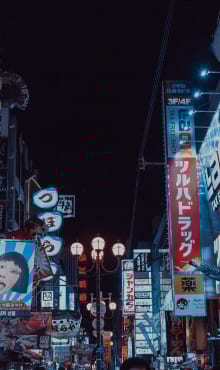
No, to be honest, I mean, you let it go. I mean, it’s not always what you believe that it will be. I mean, uh uh one of my sons is like uh video gaming and whatsoever. We were spending the entire day into an area in Tokyo where it’s dedicated to video gaming, you know, and then we ending up uh into uh uh a bar to uh with cats and uh so uh I will never have selected that Tom myself, I will never have a thought about that. So uh and then after you let it go, you you say this is not your day, you just have to enjoy, you know, and then uh it was cool, and and and we have so much fun memories about that because they evolve as we go, and then now they even themselves uh uh thought uh wow, how we have been able to took both of you to that place, you know.
Tom Marchant: 18:14
But it’s fun, it’s fun, it’s fun, and I I think you just those three words let it go. It’s just it’s great, isn’t it? Because when it’s it’s their day, you know, and you learn from them, and it’s something probably you have things, yeah, like you said, you haven’t considered doing, but it’s it’s interesting and it’s a fascinating and fascinating insight. And I I do stand by this, I always say every experience is formative in some way to have that. I love that. We talk a lot about in travel, people talk about emotion, feelings. You know, this podcast is very much driven by that. Now, your brands you have created are very dialed into that, particularly, you know, uh concepts like you’ve had like around like we create joy, you know, with with you know one and only I think and and looking at Sairo and the rare fines proposition you have coming out. They all it’s always very prevalent. I mean, if I stayed a one and only, it is so obvious how deeply connected your staff are to this role of emotional engagement with guests, the pride they take in the culture they have. It is it is so much more than a physical space, you know. That and it and you know, sometimes you come across, and I won’t name names, you come across some hotel brands that sort of talk that talk and it all looks great on a on a website, and you get there, and it’s it’s just not that. I I and I’m not saying this because you’re my guest on the podcast, but I’ve never felt that and in your properties, it it goes all the way through, and that that has a huge impact. Um when you guys develop these, if you look at Syro and and the culture you’re building around this incredible trailblazing health community, where do these sort of insights come from? Like where you start looking at these, and when you’re planning whether it’s new properties or brands, what role does kind of the emotional um impact? Impact or delivery that you’re creating. How significant is that in your in your planning and your your concept?
Philippe Zuber: 20:07
Yeah, so this is the whole uh purpose about what we’re doing, and and and I think we we’re sharing the same passion for that about unlocking destination and giving reason to go to different places. First, um, I’m I’m blessed currently today to work for organizations that have this on the DNA, creating amazing experiences, everlasting memories. That’s the DNA, and that has been founded by Saul Kostner in 1964. So it’s not new. And it’s funny that now the world is talking about experience travel, it’s talking about a lot of things. It is something that uh it came out out of the brain of Saul Kostner back in the day. So, as I’m proudly saying, we are legacy makers and we are the ones that carry the legacy, and and and it’s very, very important that this is not something that you’re trying to make it happen, but it’s something that it’s part of yourself, it’s part of the DNA of the company. And I’m extraordinarily proud to say that we have the chance to have that as a basic values, so now we can work on how to enhance those values, and it’s a much more easy process than to start from scratch. And and and something that we are trying to keep it up, and it’s very, very important, is about multi-generational travels. And that was as well something that was uh taken from day one is that you’re not talking to a couple, you’re not talking only to a certain audience, you are talking for a multi-generational family, and then you have the capacity to adapt to the grandfather, the father, the son, and the grandson. So it’s even extending the opportunity. So it’s pretty exciting these transitions that we have to deal with. But that’s a kind of a big thing because it’s obliging us to create those moments where a multi-generational family can share, share a moment, and then suddenly the travel becoming a generous moment. It’s about emotion, service, experiences come through people. Yes, the beauty of the site, the beauty of the nature, the beauty about uh you know uh the star gazing and whatsoever, it helps to expand that moment and it helps to make this moment to magical setting. But anything that’s gonna leave a lasting memories is providing by a human person. And then we put individuals, people at the heart of what we do. And this is very important, Tom. It means that from the way that we are planning hotel, the way that we are doing the back of the house, we know that the experiences will be provided by our colleagues. And then we take care of making sure that we have the capability to create those moments, and that’s the challenge. And uh, each day is a new day, and uh, working on a hospitality is an incredibly difficult place to do that because you have this this duty to make those moments extremely memorable. So it’s then about how you’re creating those experiences and that they’re relevant to the brands, how they’re relevant to a one and only guest, and what the brand one and only mean for our customer, and how you have to deliver those experiences within the ecosystem of one and only, and how you can do some different one into Atlantis, and how you can do different one into Rarefine and different one into Cyber. And that’s super exciting, yeah, because it has to be relevant to the ecosystem of the brand. And I’m obsessed about brands because this is what helps to create an ecosystem that enhance those experiences.
Tom Marchant: 24:17
Everything there you said is just resonates so strongly with me. And I think when it comes to multi-generational, we we see exactly what you’re seeing. You know, we have a service called See You in the Moment, which is about bringing people together. It could be friends, a group, it could be lots of multi-generational people, but bringing them and creating a moment for them that they savor and are really present in that moment, that that moment is exponentially better when enjoyed with other people around you because you’re you’re you’re seeing them feeding on it, how they’re reacting. And those are the things, and they’re facilitated by amazing people like your staff or people we work with, like our guides, who understand the power of that moment. And those moments are then what people really hang on to and is what pulls them back and what gives them confidence to come again and what they talk about forever. Um I think it’s in um I’m not sure if if have if you’ve read uh Unreasonable Hospitality, uh, which is yeah, Will Gilora’s book, you know, and a great book. I mean, lots lots of stuff in there that you you know, read it and you nod you know, in a good way sometimes, because I mean that’s how we’re thinking, but I think I won’t get the quote right, but it’s about you know, people tend to remember, you know, they they don’t really remember the food, but they remember the people, you know, and and that’s so true in you know what you’re saying there, and what I see in your properties and what we get, the feedback we get from our customers when they’re traveling, whether it’s staying at properties of yours and they remember, you know, uh, the fantastic, you know, uh major deal of the restaurant, or they remember, you know, the brilliant concierge, or the the friendliest you know, pool guy, or the person who came to do their term there. And and these these relationships are built. And my daughters love this friend of mine called John, he’s this whole in Iceland, this is Hulking great Viking who I’ve known for years, and they the trip is made because of what John does and how he thinks, and we’re and we’re totally aligned in that way. And I think to see the way you’re talking about an approach to creating and crafting and creating experiences, but that are different between brands, so they can be identified with a brand and then be able to build it is it I I personally think is pretty trailblazing in in the hotel world. I think that’s exciting. And I think also, I said, with different brands under your remit, it keeps it fresh as well.
Philippe Zuber: 26:30
You know, so no, it does, it does. And you make reference, Tom, to We Create Joy, this employee philosophy that we have done for one and only. And um I guess that has been pretty uh a game changer for our organization because usually companies have um employee philosophy and then they’re putting SOP. They’re putting writing document that you have to follow, and then you have audit of those SOPs. But this is a very scripted approach, and that’s coming up to a standardization of the services. And there’s a massive difference between the discipline that the hospitality services require versus the standardizations. If you have to create emotion, you cannot work in a standardized world because you have to adapt to the motion of the customer and to the uh pace that the family is going or the different cycle that is going it, and you have to come at the right time. So we create joy is based on pillars which have very, very strong values, unscripted values that help everyone to work in the same direction with the key objective to create joy. So it’s giving a lot of autonomy for our colleagues, our entire number of colleagues around the organizations to really work towards one objective. And the complexity that many many people tend to forget is hospitality and the world of a luxury hospitality is that you have within one roof so many different people that are doing different things. It is most of the industry, you have uh someone, you have the boss, you have somebody working on the accounting, you have somebody working into the production, and you have somebody talking about the delivery and the sales. So you have like five to ten different functions within a company. In a hospitality sector, you have about 45 different functions that have to work together and align skill set towards one objective. You have the engineering team, you have uh the lifeguard, you have housekeeping, you have revenue management, you have marketing team, you have the chef, you have the commi, you have, I mean, you name it. It’s you have the florists, you have uh uh the drivers, you have absolutely so many people which have different skill sets that need to come up to deliver extraordinary experiences. And this concept of we create joy have suddenly aligned people from different backgrounds, different approach to their own business, different level of responsibility to work towards one common objective. It it’s it works absolutely incredibly, and and we’re very proud about the the fact that we have changed our approach into that space.
Tom Marchant: 29:32
And I think what’s so clever about that is, I mean, well, just in terms of what you described there, it just shows in the world of hospitality just how many different people with different skill sets are involved in in facilitating these exceptional experiences, but also being candid, it shows how how challenging it can be because you only need one person in that whole makeup there to kind of do something wrong with that self-that can suddenly have a big effect on a on a on a client experience. And as we all know, the clients tend to remember far strongly the things that don’t go well than things that do go well. So getting something where the collective is bought in and passionate about that is is is is exactly what needs to happen, and then everyone working towards this philosophy, and you’re absolutely right. Like telling people you need to speak this way, say this way, it’s you know, it’s it’s a great way of ripping emotion out from this world. It’s kind of ironic sometimes. People try to standardize, and like you know, when we talk about feelings, we talk about feelings in general, but everyone’s feeling is different, right? But there’s a principle about finding emotion, and we what a purpose of our business is inspiring people through remarkable experiences, and you know, what is someone’s remarkable is different to someone else’s, but it’s it but it’s almost like the attitude that our team have across it. It’s like, well, what are we doing that’s going to make it remarkable for this person? So we need to understand why it will feel remarkable to them and to listen. And and when you are doing on the scale you’re doing it and doing so well, it’s um it’s deeply impressive, and it’s great to hear. I love getting the you know, pulling the curtain back and seeing how these things work. We have a business that plans and curates, um, but at the same time, part of how we curate is to allow people to discover, to have that kind of spontaneity or to kind of be challenged in ways they perhaps weren’t expecting. That’s kind of part of the joy of travel. You know, like we certainly have clients who want everything planned for every second of day, and I I like that as well for them. Um, others are like, put me in the right places and let me explore, and we’ll facilitate that. How has it been for you for someone who has lived all over the world and traveled? Have there ever been places that have kind of caught you off guard or or changed your perspective on how you think about Ben?
Philippe Zuber: 31:40
Yeah, there’s so much learning and so much to share about it, and uh, it’s about as well to the cycle of your life and uh who uh you know how old are your children and what kind of role you’re going into it. So yeah, I’ve been lucky. I’ve been to many places, I’ve been to uh Morocco, I’ve been to Germany, been to South Korea, been to uh US, to Hong Kong, and as well uh uh live as well into uh now Dubai for many many years. I I guess one thing that has always uh, if now I have to look back, as far as you go, is much more easier because you prepare your brain to uh and and your entire ecosystem to be much more open to the world, and potentially the most difficult expatriation life was in Germany, was in Berlin. Interesting. And as I’m coming from Alsace, I told you, I thought I know German culture, I know what it is, I can easily adapt. And then when we move with the entire family of Berlin, it was potentially the most difficult uh adaptations that we had to deal with. And it took us a lot of time to try to really say, yeah, this is not just crossing the border. You really need to reset, you need to open up to a new culture, you need to open up to a different country. And and and that has been a pretty good experience because it has happened at the early days, and then it has helped us out to really find a better way uh to go faster into this uh adaptation mode. Everybody was saying you need six months, you need six months. Yes, you do, but what are you doing during those six months? Yeah, and and and how you make sure that you get the best out of that, and um, it has been absolutely um an incredible journey, and I guess I can really and I do help a lot of of my friends which are traveling and have to move to some other destination because there’s a lot of tips and lesson learned, and and and and as long as you want to open yourself, is the huge difference between traveling to a destination towards leaving to a destination. Massive, massive change.
Tom Marchant: 34:04
I I totally agree. What I mean with Berlin, was it what was the biggest challenge? Just was it more about the expectations of what how you thought it would be were so different, and then having to adapt to that, or was it just a different way of life, a different pace, or every or was it all of that?
Philippe Zuber: 34:26
The the the the real challenge was I was the only expat there. Wow, okay, so you are right. Yeah, if if you go to uh a place whereby you can share you know your lifestyle, but yeah, 99% of the colleagues were Germans living in Germany, yeah. And me, I had to do extra effort of uh adaptations because I was the only one. And it it’s it’s a massive difference rather than, for example, being in Dubai, where 80% of the population are expat.
Tom Marchant: 35:06
Yeah, I I totally, I totally get it. It’s funny. There’s uh when I was not long out of college, I ended up doing, I was doing an internship in London, and I got asked to go and help on a project in Moscow. Uh it was meant to be for a couple of weeks, and I ended up living there for about six months, and I I went over to sort of help out. You know, I didn’t speak Russian at the time, but yeah, it was it was all a great adventure for me. But pretty much everyone in that office was Russian, lovely people, but I’m sort of arriving and wanting to explore this overwhelming city with all these stories, and but there’s no one really to sort of do it with, and particularly when you can not only speak the language or can’t even read the Cyrillican alphabet, it was challenging, but you know, eventually found some expats who’s something and then it helped, but but I definitely that definitely resonates because also sometimes it’s like if you if you find the right way or you kind of lean into a place, you can really get a little out of it. And I think that the difference between living and visiting, and you know, I spent five years in New York and I I’m there all the time. I love New York, it’s like a second home for me. And I I remember when I moved there, um uh a friend of mine who’s a New Yorker sort of gave me this advice and said, New York is one of these cities that can be really hard or really great. Um, but if you give yourself to New York, it will give back to you, like in in buckets. And and it and that really struck with me. So it was sort of, you know, I didn’t know lots of people there, but just thought, right, I’m gonna lean into this city, and that’s what happened. You know, so you sort of you do sometimes, I’m I’m sure you’ve done many times, you know you go somewhere new and it’s like you’ve got to embrace it. It’s very different to to to to visiting it, you know, it’s you know, it’s not in and out or ticking the sights off. Um, but I do think you know, the the experience of living in different places like what you’ve done and you do is it just has as as I know by knowing you, such a such an incredible effect on how I think you think and evolve as a person. I think there’s there’s nothing like I mean, I always say to people, if you have the chance, at least once or twice in your life, make another place home for a long period. It just for how it opens your mind and eyes to other things, make you appreciate, uh, respect, understand things that are different. Um, hence be why we’re both in trouble. I think if I said don’t do that, it would sound strange.
Philippe Zuber: 37:23
Um, but that’s you know, Tom, uh you you know how you measure success on the expat life? No, I mean is if your friends are fighting to look after your cat when you go on vacation.
Tom Marchant: 37:39
No, I love that. So you you know you’ve done it, right? Okay. That should be a new a new indice, like how you’re getting on in places.
Philippe Zuber: 37:47
Yeah, if you have to pay to doing in the cat care places, it’s that’s true, isn’t it?
Tom Marchant: 37:52
Yeah, that says, yeah, it says you’re properly ensconced, isn’t it? You’re properly connected. Yeah. I’m gonna I’m gonna message all my expat friends now saying, you know, who’s looking after the pets? You know, at the heart of a lot of your your brands, it’s there’s wellness, there’s discovery, there’s joy that we’ve touched upon. Are there are there certain times where you’re looking at how guests are responding or reacting to that that sort of shapes onward strategy or fuels you know development or innovation around what your brands are offering? Like how how much of a role, I mean, you know, you guys lead, you you you you create these incredible experiences, but are there things that you and your team who all dialed into this this this philosophy are looking for to almost like with a a feedback loop that can shape what you offer as it as you move forward?
Philippe Zuber: 38:41
Yeah, 100%. And um first I’m obsessed about customer satisfaction and and how do they engage with our brand. So you you you you hear a lot to towards feedback and towards the way that they engage with the different experiences that you do. But let me give you an example because it’s it’s Cyro was uh has been initiated and uh invented based on behavior of customer of one and only. So, one and only we have very high-end uh well-traveled people which uh have been traveling a lot, well-traveled, high sophisticated individuals, individuals as well that have uh enough income to go and to travel and to select those kind of unique and bespoke properties. What I was uh clearly uh seeing is first of all, our guests at one and only were not interested in buffet anymore. And it was a time that it was buffet everywhere that people were eating through the lenses of having food into buffet, and suddenly buffet was going totally out of fashion. Element number one, element number two. When guests were on vacation, most of the time they were really disconnecting, doing some activities, doing a lot of kind of a thing, but not really hitting the gym and not even really interacting with our wellness place. And suddenly we have seen a dramatic but absolutely dramatic rise about individuals that during the vacation extend the time on the gym. And usually, if you are someone that are looking after your body, you go to the gym almost every day, or let’s say, as an average, five times a week. And usually the time that you spend in the gym is one hour, more or less, one, one and a half hour, depending on the time you can allocate to that. And on vacation, those individuals were allocating double of the time and sometimes even more. And then suddenly you realize that this is a massive trend. It means that they’re not using the vacations to get away of the lifestyle that they do back home, and they want not only to maintain it, but they want to enhance it. Alongside with the fact that they were much more control on the food and into anything that they’re putting into the body. So the combination of those was telling to me say is something happening here. There’s something happening here as a mega trend that we need to really embrace it because these very high-end audience that are going to the one and only hotel, which is a niche group, already embrace it in a massive way. And then we’ve been doing more studies and then realize that it’s really, really becoming a massive direction that people do not want to compromise anymore into the health, and they really want to put much more focus on the body and into the way that they engage into the wellness lifestyle. So with then doing some study working with consultants. Tom, this is for the last three years has been phenomenal for me in terms of learning about what’s happening into the wellness space. And I think this is the biggest revolution into our industry. It’s about the fact that we are really turning to something that we just only at the beginning of. And uh it’s it’s it’s the opportunity for the world of hospitality that has been always historically allergic to innovation to really come up to something that we will have to embrace. And I’m so proud because CIRO, as a new brand, is embracing that in a big way. It is so technologically advanced. I think the concept itself, it’s one of the most revolutionary concepts that the hospitality space has seen, because it’s putting your health at the core of your travels. And it’s putting a kind of a clear momentum to saying when you travel for business, you’re putting so much stress on your body that you need a place to look after your body. And and I’m making the analogy which I’m so much fascinated about that uh business people are like sports people, you know, they have the same level of mental stress, they have the same level of what you put into your body that potentially comparable to when you have to do the final uh you know point to win the game, and uh the pressure that individuals have into the lifestyle is so big. So I this is the place for people when they travel, they know that they have a safe heaven that out of the five biohacking pillars, they will be able to be looked after. And what I like about this as well, Tom, it is self-services. So, meaning anyone, you you come, you know, you doing marathon, you a big sports guy. I’m not here to teach you anything, I’m just here to provide you the amenities that you can keep what you do back home and learning. Because wellness is about learning.
Tom Marchant: 44:20
It’s it’s so I was gonna say clever, but but that’s obvious, but it’s so true. Um the the insight you’ve gathered and how you’ve and what you’ve created is in a way it’s like thank god, because I think you know that that it’s been crying out for something like this, and okay, like and you spoke so great about like that’s how you know consumer behavior is shifting and you’ve identified that and you’re you’re you’re capitalizing or capitalized so well on it. But at the same time, you know, when you talk about it’s an irony, isn’t it, from a business from business traveler, like you have to be on top of your game when you’re going to these meetings, but yet so many of these business hotels or offerings you know are woefully underprepared to service that, and and so that’s from the business side, but then from a from a leisure side, you know, the the importance of wellness, the importance of physical and mental health, which comes from being physically fit, is is so important. And it and it it’s one of these things that we often say, like, going on vacation doesn’t mean sort of just dropping all the things you might enjoy back at home, or like or going off to kind of just have a you know, to do something that makes you feel guilty, you know, you can still eat well and do that. And I think you know, that’s what’s so refreshing when we’re looking at kind of what Curzon’s doing in this space. Um, we look at, I mean, for instance, you know, we we look at trends the whole time in terms of as we’re developing products and experiences, and you know, we’ve seen over the years the changes um or the increase when people are traveling and they’re looking to kind of you know enhance, like you said, or or or take away a sense of achievement or having kind of earned something. So, you know, and and sometimes you know, taking satisfaction from working hard through an experience because you know it’s you know, the endorphins you get from pushing yourself, or you know, whether it’s you know, not whether it doesn’t have to be climbing a mountain, it could be doing a trek, it could be you know taking uh an incredible mountain bike ride over five days through somewhere camping out, or it could be hiking across glaciers. We have a service called Get Lost, which literally takes people out into the middle of nowhere where they are lost and they have to explore their way out of these places, but it’s but it’s not something that’s done as a kind of fan, it’s like this people just seem more aware of their kind of personal being and things that matter to them, which I think is is a is a is because of a myriad of reasons from kind of more open discussions about health and mental health and kind of you know, whether it’s people looking at Maslow’s hierarchy of needs, what’s important to them, but it’s all great because it fosters innovation like SIRA. So I think that’s just a great example of you saying you’re seeing how evolving behaviour insights can develop what is, you know, and I’m I’m I’m I am impartialists what is a fantastic hotel brand. So thank you for sharing that. Like there’s so much we could talk about on that. Um, just a few other things I want to talk about. I mean, like I’ve always seen you know Warrenomile as an example, and I’ve seen it actually with Syro in terms of some of the messaging you’ve done. You you’ve taken some really smart approaches in kind of recognizing the personal connection to that people have to these places in terms of sharing their experiences, and you know, to go to talk a bit about the emotional. So that that role of like telling stories through the emotional impact they have, you know, is and bringing that to bear in terms of how you’re describing the properties of the experience. Is that is that something that pervades across all your brands in terms of trying to demonstrate the personal stories that people are getting from the stays at your places?
Philippe Zuber: 47:48
Yeah, it’s it’s it’s really absolutely critical, but it starts as well with a bigger purpose about unlocking the destination. And it is so interesting to see that um and and I’ll have to give you some examples because uh when we talk about the the one and only in many places we’ve been going ahead of some other company in order to unlock the destination. The most recent one is Rwanda. Uh, there’ve been no international chain going to Rwanda, and then we have decided to develop this one and only gorilla nest that gives you access to meet the gorilla. This is a bucket experiences, it’s absolutely incredible. It’s uh it’s a bucket list, it’s it’s really something very, very special. Any guest that goes there have a kind of a lifetime memories. But the idea is to create those experiences that they’re very, very special and that they adjusted to the to the guest and then very personalized and uh individualized to the needs of the guest. But it’s about as well to work towards the community, unlock Rwanda as a tourism destination. Anything that we do have a bigger purpose. And the fact that our ambition is so large, obliging us to really go to the nitty-gritty of the details of everything that we do. So, exactly the way that you have explaining yes, creating those amazing experiences and everlasting memories is really something that is embedded in our DNA. It’s as well the fact that we are designing the hotel and we are doing the master planning for that hotel for achieving those purposes. And we are obsessed about master planning. We are obsessed about the journey for the guests within the resort. And what does he see when he wake up? What does he see when he go to breakfast? What is the different scent into the landscaping that he will be exposed to? Those are the level of the details that we’re going in. It’s it’s we are at heart a resort company, and a resort company enhance the outdoors. So we are designing the outdoors and we are creating the outdoors that it’s totally part of the experience without changing the nature of the site that we are in. But it just tell you that we address responding for what the guests want. I mean, if you’re living in New York, Tom, when you go on vacation, you don’t want to be inside and watching TV. You want to be outdoor, you want your family to enjoy the pool, the garden, the nature walk, anything else than being inside. No, and then if you have if you are inside, make sure that you frame the outdoor to come inside.
Tom Marchant: 50:58
Yeah.
Philippe Zuber: 50:59
And make sure that uh you give uh this feeling of freedom while you are traveling. Vacation it’s about feelings, and and and again, it’s not about imposing. We are uh obsessed as a company to not commoditize what we’re doing. And and and we’re trying to transcript that into the design, into the location that we are going, into the offering that we are giving, but it’s something that is really strongly embedded in our DNA.
Tom Marchant: 51:35
Like I can speak from first experience. I remember staying on Care Island just off um just off Athens, and and I remember waking up one morning. Actually, no, it’s going to bed at night, and the way you built those properties on that on that rock face, there’s a thin, beautiful strip of glass above my bed. And as I was lying there, the moonlight just cracked and shone at us, and I just it was incredible. And I I know that would have been planned in terms of how it’s looking, but to be lying there in bed and like moonlight just lighting it, like it just it was really special. And I think when you see that attention to detail, and that’s coming through a lens of how that’s going to make someone feel, you know, it’s creating joy, you know. Going back to your internal manifesto, that’s how it made me feel, and I think that’s really when I go back to that point about what’s the role of emotional storytelling or personal connection. Well, yeah, I think you’ve you’ve you’ve articulated it beautifully because all those things you’re talking about, and the things I’ve experienced, but that approach, every aspect of that is feeding into the emotional takeaway someone’s gonna have. And I’ve talked about, for example, that that that slither of glass in that place to many, many people, you know, and even for a brand as exalted and as high as one and only, even that, you know, which sometimes you think, well, it can’t get any better, that still blew me away. So when you see that and you hear the detail behind the master planning, it’s um it’s something to uh something to get really excited about for future plans. Um, Philippe, thank you. I think, yeah, I know we could talk forever, and we often do, but I’m I’m mindful of your time. So what what we’re gonna do just to wrap up, we always do is a quick five around with our guests, is just to ask you a few things, just to get uh your your quick takes on certain things that um that might stick with you. So, first question is maybe a book doesn’t have to be a business book that every curious person, lead or traveler, should read.
Philippe Zuber: 53:23
I really enjoy reading books, and uh I I think one is really he’s a French author, so I mean you will have expecting that we’ll give you something French. His name is Laurent Godet, but he’s been translated in English. He’s uh Here You Defeat. And um, it it’s a kind of a novels which which talk about in life, you know, you have to do many battles, and uh, sometimes you won, sometimes you lose, but it’s the journey which is important, and then uh it goes to a kind of some explanation, but it’s it’s all about how you rebound and how you manage the different challenges that you have in life, but it’s done in a kind of a very, very interesting way, and uh very often when you travel, you know, it’s the time that you reset your brain and that you’re starting to understand and saying, Okay, this I was doing that well, this I need to reset and rework. So, yeah, read that book is pretty interesting the way it does, but it’s really it has resonated on me. In fact, it’s very rare, but I have read this book twice.
Tom Marchant: 54:27
Um, probably a tricky one for you, but um, is there one city you you like to return to again and again for inspiration or energy? Challenging for an expert because you’ve been in so many places, but is anywhere that stands out?
Philippe Zuber: 54:39
Yeah, I mean, if you go to Tokyo, you never get anything wrong, you know. True. You know, the city is so big, there’s so much things to do, the food is exceptional, uh, the hospitality offering. So I I will say Tokyo. Tokyo is is is is an easy uh is an easy response.
Tom Marchant: 54:59
Yeah, agreed. For a man as well travel, this might not this might be hard to answer because you’ve sort of been everywhere. But is there anywhere that’s on your list that you haven’t yet got to, but that’s uh you’re eager to get to?
Philippe Zuber: 55:09
Yeah, listen, I just came back from Norway that was on my list, and I’m thinking uh I’m I’m very happy and I will definitely go back. But funny enough, I’ve been to so many places, but I’ve never been to Cambodia. So I want to go to uh Ankor, and uh yeah, this is my next big trip.
Tom Marchant: 55:27
That’d be a great one. Um might be tricky. Uh I always like to ask is there a hotel resort, but you’re not allowed to say a personal one that you that you really rate that you think captures a sense of place very well.
Philippe Zuber: 55:42
Uh you know, this is a good uh uh again during the vacation, I was uh uh I was in Italy, I was in the Côte d’Azur, and I was looking as well on those uh old palaces and uh absolutely beautiful architecture, and then I thought to myself, and I say, What the world of hospitality have done it so wrong to do so many average hotels when a hundred years ago each of those hotels, those palaces, were so iconic, grand, bold, with kind of a massive statement. So I’m not nostalgic, I’m a future uh forward thinkers, but to be very honest, you know, if you go and uh pass on to the Negresco in Nice, you say, Wow, that was bold, very bold.
Tom Marchant: 56:29
And last one I’m gonna ask you. Um a journey that you you’d recommend to anyone looking for, I don’t know, reconnection for a reset. What would you do?
Philippe Zuber: 56:43
Yeah, I’ll just um as a friend, I’ll share you my secret uh recipe. I mean, uh I my wife is originally from Mauritius, and uh uh their parents were retiring in uh Rodrigue Island, which is an independent island uh outside of Mauritius. It’s a two-hour flight outside of Mauritius, it’s very uh remote. You need to work hard to access there because you know you have to go to Mauritius, you have to take another flight, and so on. And uh this is so magical. This is so magical. So I’ve been there and been there and been there so many times. Um this is really my place to reset. This is the place where I learned that uh bananas growing on the earth and not on the trees. I love that, and uh it is the place that you have to disconnect because it is so remote, so different, that gives you again a kind of uh a back-to-earth kind of a reality check each of the time, but you know, a positive one because you have the luxury being immense on the nature with a beautiful journey, and uh yeah, um, this is my little uh treasure, and uh it’s uh it has been so special over the years. We have enjoyed every moment there.
Tom Marchant: 58:05
Well, I’m gonna be looking up a trip to there and buying the book you’ve recommended, just go and read it when I’m there. Um, Philippe, um, I want to say thank you so much. That’s just an absolutely wonderful chat. I I always love hearing your insight and your journey and your your take on this this world we work in. And thank you so much for coming and sharing uh your views and your your thoughts and your your your wonderful take on this world and and how you approach it um on the pursuit of feeling. So thank you very much for your time today.
Philippe Zuber: 58:33
No, thank you, Tom. It’s a pleasure. Thank you very much.
Owen Vince: 58:39
You’ve been listening to The Pursuit of Feeling, a podcast by Black Tomato. If you’ve enjoyed this episode, then please hit the subscribe button. We’ve got a lot more episodes on the way. And if you’re feeling inspired by what you’ve heard today, then visit blacktemato.com. We’ll help you to travel where your heart is. Thanks for listening.