Transcript
Tom Marchant: 00:02
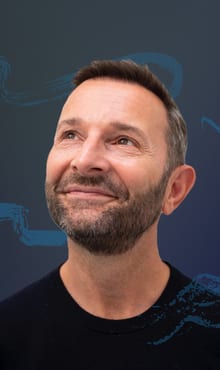
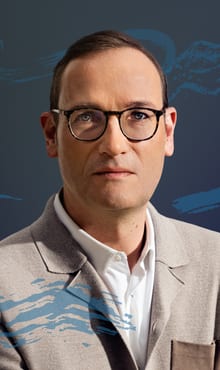
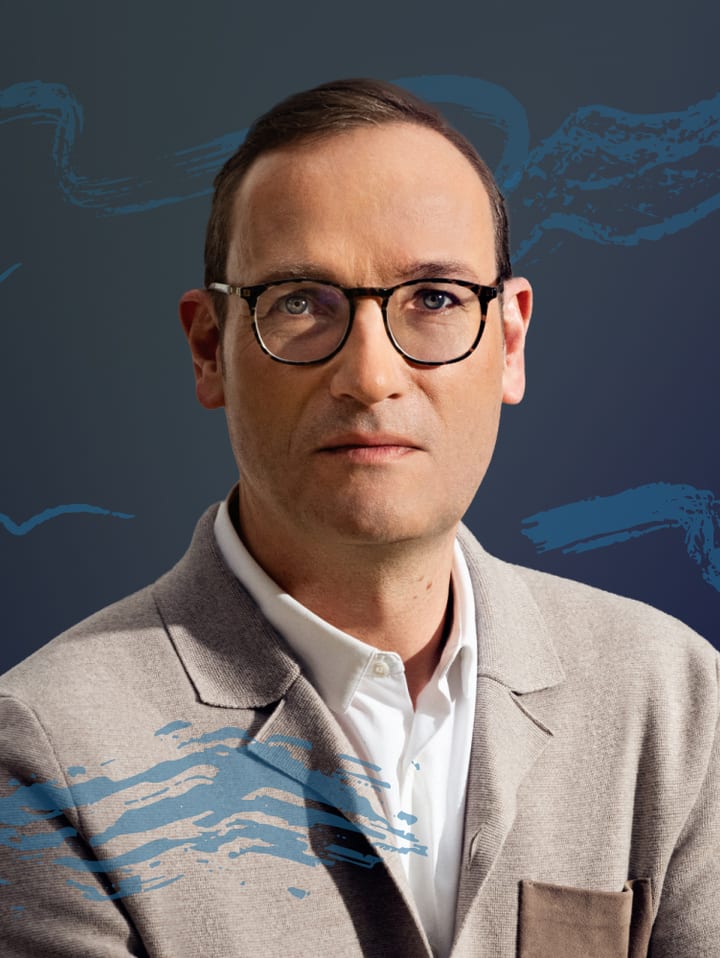
Pursuit of Feeling is a podcast from luxury travel company Black Tomato about why we travel, not just where we go. Each episode explores the moments, places, and experiences that shape how we feel and why those feelings stay with us long after the journey ends. Through honest conversations with inspiring people, we’ll also hear their personal recommendations, tips, and the places they return to time and again. Because in the end, it’s not the destination we remember, it’s how it made us feel. Today on The Pursuit of Feeling, I’m delighted to be joined by my good friend Jeremy Langmead, a truly iconic writer, editor, and tastemaker who has helped shape how so many of us see style, culture, and modern life. Jeremy’s career spans some of the most influential brands in the world. From the Sunday Times Star magazine to wallpaper, Esquire, Mr. Porter, and Christie’s. But what really defines his work is something deeper, an extraordinary eye for not just what looks good, but what feels right. In this conversation, we talk about Jeremy’s journey, the places that have inspired him most, and how travel has shaped the way he sees the world. We also explore what trouble really means, not as something to avoid, but as a space where curiosity, creativity, and growth often live. It’s a thoughtful, wide-ranging conversation about instinct, emotion, and the importance of paying attention. I’m thrilled to share it with you. Jeremy, thank you very much for joining us today.
Jeremy Langmead: 01:28
Oh, thank you for having me. I mean, that was a very flattering intro, and I must be so old to have done all those things that you mentioned. So it’s terrifying, really.
Tom Marchant: 01:35
Well, I mean, so much and so much influence, um, which we’ll we’ll get into. I mean, before we jump into some of the meat of this, um, just tell us a little bit about yourself, snapshot the career today, and and the role perhaps that travel’s played in that career.
Jeremy Langmead: 01:50
Well, I mean, for many years, I I went to St. Martin’s and studied fashion. Um, and then I ended up working in in newspapers. So my first big job was Sunday Time Style, as you mentioned. But and then I was at the Evening Standard. And those early first few years working, I was, I mean, the only travel I got to do was to drive from Hislington to Whopping, which is where News International was this fortress. So that’s all I saw for years. The evening standard, you didn’t even leave your desk at lunchtime, so that’s all I saw for a few years. Um, and then I got offered the job to be editor-in-chief of wallpaper magazine. And and bang, you know, it was a global magazine. It had huge amounts of sway somehow for this tiny little design bible, as it was called. But but obviously our advertisers and our readers were global, and so I was constantly on a plane traveling to far-flung places. And that’s, I think, apart from a childhood when we lived in Norway. But that was when I really got to travel and see, you know, some amazing hotels, locations, countries, um, almost all year round. And I was so lucky to have that sort of job passport to see the world.
Tom Marchant: 02:58
And had that been, I mean, when when that role came up, was there part of you that was thinking, I’d love to be working somewhere on something that would allow me to explore, perhaps open up the world for me?
Jeremy Langmead: 03:11
Oh, good question. I think until then, which is is horribly bookish and nerdy and unexciting, I traveled through literature. I read a lot, and um, I think I just found it easier to open a Bruce Chatwin book than to get on the plane. Um, and I was obsessed with Bruce Chatwin. You know, I read all his books, I read the uh biography of him by Nicholas Shakespeare. What am I doing here? Still one of my favorite books ever. Those are sort of the clarity and the the intrepidness of Chatwin are extraordinary. Um, so I I traveled through pages for ages. Um, so it was, I was a little bit nervous about traveling often by myself to work trips. Um, and then suddenly we were lucky it was wallpaper magazine, so I have to say we were well looked after. I wasn’t I didn’t have a backpack, but it yeah, I’d never really been on my agenda to be there. I was always happy reading there.
Tom Marchant: 04:05
So it was a night. Yeah, and it’s that that kind of connection between literature and art, um, culture and travel is a really, really strong one. I think we we we’ve seen that a lot over the years of Black Tomato and where people’s inspiration comes for travel. And we’ve always said that often your travel is a manifestation of your other passions, um, rather even subconsciously, you know, whether it’s um art you’ve seen that’s been inspired or produced somewhere or literature that’s taking that place, that it those are it’s one of the beautiful things about how seeds for travel can be planted in so many places. One question we like to ask is if if your travel life were a film, um, and we we cave into the opening frame of it, um, what are we seeing and and how are you feeling?
Jeremy Langmead: 04:48
Um God, I think maybe it was a bit like the old um Mr. Ben TV series where you’re going to the change and you’ll come out as a different character. And I think that that’s what travel was like for me in reverse is you’re just waking up in different hotel rooms, often sort of four or five countries in 10 days. Um, and the weird thing is you’ll know, uh uh Tom from traveling so much is sometimes you wake up and you can’t remember which country you’re in. And then and you have to, because there’s there was a one, and it’s got a lot better now, but there was a while perhaps in the late 90s, 2000s, when hotel design was very homogenous. So you’d wake up in a hotel room and you didn’t really, there was no clue as to where you are. It looked like every other hotel room. And then you’d open a mini-bar and it was the same drinks as in every other hotel room. So sometimes I would generally have to open the curtain there. Oh, I see, this is where I am. Um, and and and that was slightly disappointing in a way, but that’s that’s that’s changed.
Tom Marchant: 05:44
It’s it’s a really good point. Um, I know I had a very similar experience. Remember years ago, I was, um, I won’t name the company, but it was a this is probably even before Black Tomato, but they prided themselves on wherever you are in the world, you know, you’re gonna feel like you’re with us. And I remember I was in Cairo for work, and I woke up, I think I got a bit late, and I didn’t know where I was. Um, and then some said during that whenever I was asleep and woke up, and I the only way I knew I was there was I suddenly heard the call to prayer, which is this incredibly like haunting atmospheric sound. I was like, okay, I now have the sense of place. And like you said, I think it’s it’s a good thing people have moved away from that. I think you can have big companies who recognize that connection to place quite often.
Jeremy Langmead: 06:28
Yes, and they do that now, don’t you? And often it’s it’s a local product in the in the mini bar, and the often the soaps are locally sourced. So that’s so much more exciting. But I think you know, when I first went to China, I just thought, oh my god, this is the most exciting trip ever. And I checked into my hotel, didn’t even unpack, which is very rare for me. Um I um ran onto the street and there was Boffy Kitchens and there was an Amani shop, and it was yeah, oh. And um, but then you just have to be braver. And then I I I went on to to um I think it’s Cheyenne, isn’t it, where the terracotta soldiers are, and that was one of the most awesome things I’ve ever seen in my life.
Tom Marchant: 07:07
Yeah, getting getting beyond the walls or and and I think fortunately hotels are recognizing that they can bring the outside in. So it’s it’s um yeah, it’s a good change. I totally agree with that. I mean talking about your kind of career, you’ve you’ve moved with an ease and huge success between different worlds. I mean, there’s there’s obvious commonalities, but perhaps not always shared the same language. So whether it’s the immaculate design of wallpaper to the the savvy pages of Esquire, um luxury of Mr. Porter, the heritage of Christie’s and the back of Mr. Porter. Um every time you’ve you’ve moved between these places, um, you seem to find this a brilliant way of capturing the essence of that place. Um but is there a through line that connects you know the work you’ve done through wallpaper, Esquire, Mr. Porter, Christie’s, and in terms of how you have influenced those brands, does that shape your view of travel and life in general? Like what is the sort of the Jeremy Langmead uh effect or impact, if you like?
Jeremy Langmead: 08:09
Ooh, that’s a good so I suppose two things is one is all those jobs and all my love have been incredibly nosy, um, which helps with journalism. Um, so I’m I’m really curious, or nosy is the more honest word, curious is the polite word for it. So whether it’s walking around Primary’s Hill in the evening looking in people’s windows because no one seems to shut their curtains here for some reason, but which which which is bliss, or whether it’s walking around other countries or other cultures or or other businesses or magazines, it’s just being nosy and trying to understand people’s stories. And and I think it’s just telling a story. And whether you’re working in retail as I do at the moment, or whether you’re editing a squire magazine that perhaps has a more literary bent, or whether it was wallpaper where it was about the world, underneath it’s always about a story and it’s always about a beginning, a middle and end. And also trying to make everything interesting. You know, there’s nothing worse than boring people, there’s nothing worse than sharing information. Um and I I think that it’s just a curiosity. I don’t know why I’m so nosy, but I always have.
Tom Marchant: 09:09
That’s what I was gonna actually ask you on that. It’s that you know, that obviously screams and knowing you, you know, it’s curiosity, and that’s something that you know resonates very strongly with myself, why I start a travel company. I think was that something you know, growing up that curiosity did you sort of know that was gonna take you into a world where you could almost indulge it, you know, and find stories. So did you I mean, you know, you’ve got a very strong fashion background as well, but when you were going to St. Martin’s, were you at that time, wasn’t it? I’m looking to do things where I can tell stories where I can indulge that curiosity, where I can bring interesting things into people’s front rooms and and minds.
Jeremy Langmead: 09:48
I think that’s absolutely true. I think my um my uh dear mother, um, who’s still getting strong, she she she’s been married five times. And so there’s always a new husband and a new house and then a new life that we had to live in. And I think part of escaping to books was that gave me a sense of normality and escape from the rather bizarre childhood that I had. Um, and I had to be curious because we literally had all these different lives. It was the different husband who would live in a different way, and you know, would even in a different country went to live in Norway with one of them, and then he’d pop off, and then there’d be another one, we’d be living in a different part of the country. So I think the the storytelling was partly escape and partly intrigue as to why why this was happening. Um, and then I think I became quite I think when I first got my home and first had my children, they were young, that nuclear home was really important to me, and travel was less important to me because I just wanted to be a safe place for me and my family. But then as I got older, that curiosity, you know, which can kill the cat, um, resurfaced. And luckily it coincided with jobs like wallpaper or I mean, uh wallpaper magazine. We often had our our conferences for all our our advertising agents in in different cities, you know, to bring the essence of the magazine alive. And one time we were having a conference in Istanbul, this must be 20 odd years ago, and I got there a couple of days early because I thought I’d explore Istanbul, but of course I didn’t really know where to go and where to find the fun. And I remember just walking along the quite pedestrian street in the city, and and this quite odd, slight cool, slightly scary person walked past. I thought he’s going to where the fun is. This must have been about 10 at night. And I remember just I just followed him and he went down all these side streets and back streets, and of course I could walk to my deck, and then he went into this disused building and I followed him. Now, and then downstairs in this building was this sort of pop-up club, and there was a DJ with a few beer crates of his deck on top, and some quite odd uh-looking people dancing around it. And I had such a fun time. Um, and I remember thinking that this is super dangerous to also it’s it’s the adrenaline of the excitement and the discovery. And I think that’s on the whole quite a good thing to do.
Tom Marchant: 12:02
I think it’s just a what a wonderful story. I think it’s there’s that thing about indulging or pursuing your curiosity, I think it’s really important. I think we we we increasingly live in a very structured, um, everything predetermined, everything immediate world. And I think part of the joy of travel, and we’re we’re in the business of curating travel and taking people to places, but it’s also kind of encouraging people to explore and or allow for moments um where sometimes this this spontaneity kind of brings great rewards. Candy, you know.
Jeremy Langmead: 12:35
Candy. If it could have gone horribly well, I was lucky.
Tom Marchant: 12:37
Jeremy was never seen again.
Jeremy Langmead: 12:40
Which might not have been a bad thing for some people, but I don’t know about you, Tom. But I think sometimes the most spectacular or life-changing or or or enhancing moments are when you travel alone. I think we’re sometimes too safe when we go with a partner or friends. And when you’re alone, whether it’s for business or you’ve just gone to chill by yourself, you do somehow probably get a bit bored and then you get braver. And that’s when you you you you know discover things that you wouldn’t have seen.
Tom Marchant: 13:07
I definitely agree. It it you know, there’s obviously lots of joy in doing in seeing, experiencing things with others, but there’s something evidently unique um about doing things on your own because it does, you know, you don’t have to, but it can and it forces you to do more. I think if you’re sat with your thoughts quite quickly, you can have this conversation of like, I’ve got to do something, I can’t go back from here and and not share anything. And I I’ve definitely seen that, you know. I travel a lot with family now, but as we were building that tomato even before that, I remember I was living in Moscow for a while, and it was um very random means by way by way I ended up there. But I was there on my own, you know, to call into a company where you know I was just a person there to sort of help out with things, um, didn’t speak Russian, couldn’t read Russian. Um, but as a as a kind of a state of mind it put me into to kind of immerse myself into Moscow, and you know, sort of in the most cliche way, start reading Dostoevsky and smoking black cigarettes and thinking I was a local. But the the kind of the joys of traveling on your own and making you braver, I think you start discovering sort of new feelings or parts of yourself that perhaps you wouldn’t get in other ways.
Jeremy Langmead: 14:13
I think you do, and you and then you and you meet people, and then you get to see a city through the eyes of someone who lives there. Or I was I was in um Damascus and Syria, obviously before the troubles, um, and so lucky to have got there before it all all this happened. And I was staying at the four seasons, um, uh, which is very nice. Anyway, I I was walking the street and I met this guy. I was single at the time, and so was he. And it it’s it’s illegal to be gay in Damascus. So the chances of that happening, anyway, we ended up staying together for four days in my hotel. But I I learned all about Damascus and Syria, in fact, the Lebanon, which is where he was originally from. And then when war broke out, we’d kept in touch. And so I will get these horrifying and distressing insights from him. But I would never have had that experience or seen the city in that way if I hadn’t been a bit mischievous and met someone on the street and become friends with them. And then you see the world, and that’s you know what perhaps Chatwing gave me in the early days. I saw the world through his eyes. And then sometimes you meet someone in a location and you see the world through their eyes. And it’s a real treat, in a way, to have that.
Tom Marchant: 15:15
It’s finally the character, and you it’s the characters you meet as well. I mean, it’s it’s it’s it’s terribly cliche, but why when I first sort of I love Kerouac, and the reason I love Kerouak was because he’d write about his characters and their their lust for life and for digging experiences and and whether they were all um real life people or not. There was something about the way he captured the essence of a city and the the range of people. And I think I think the question I was going to ask, and it’s more sort of slightly bigger, is with curiosity, is that something do you think you’re born with, or um you can make yourself more curious? Because I I’ve come sometimes come across something who’s oh, I’m just not that curious. And I’m just well, actually, if you want to be, you you can probably do things, but I don’t know, it’s an interesting one for me.
Jeremy Langmead: 16:05
It must be a hideous thing not to be born with. Um, but I think it is an innate thing. I mean, it’s just like you know, when you go to supper at someone’s house and there’s people you don’t know. And I’m sure you’ve had this, and sometimes you sit next to people and you’ll ask them 42 questions and they don’t ask one back. They think, oh my god, A, I’m exhausted. I mean, I quite like interviewing people, so it’s fine. But if I were if we wasn’t this nosy inquisitive person, I’d have found that and they don’t ask a single one back. Now they might say, Oh God, he’s the dullest person, I want to know nothing about him, which is fair enough. But but some people don’t, they just don’t even ask who they’re sitting next to to dinner. And and so I think it’s it’s kind of it it I think it’s an innate thing that you kind of have, or yeah, or you don’t, perhaps.
Tom Marchant: 16:46
I I think it’s more that way, or you know, I just get paranoid going, maybe I’m just really boring, no one’s asking me any questions. I promise you we’re not. So I I feel the silences.
Jeremy Langmead: 16:56
Maybe people have got more curious in a passive way through social media, but you know, uh scrolling through Instagram or or even watching, you know, TV programs set in different locations. So we’ve become armchair travelers, which some people are probably sad about, but I think it maybe ignites a curiosity that was latent and perhaps leads to better things.
Tom Marchant: 17:17
I still think it’s great. It’s all it’s still opening people’s minds, whether it’s physically or or even, you know, or just being them observing. Um, just in terms of with with your career, before we move into some more travel stuff, starting with magazines and print and going to digital and and then obviously what you created with Mr. Porter, which is yeah, editorial but digital and commerce, um, and and then really building brands, you’ve always kept them relevant. Yeah, your your imprint is always very clear. To do that, as you move between uh the brands or the sectors, did you ever have to sort of unlearn anything in terms of your approach? Or is it like starting over? Or when you when you’re moving between those, how do you ensure you’re you’re you’re fresh and keep it going?
Jeremy Langmead: 17:59
Okay, well, um, well, storytelling, whatever the medium, whatever the publication, whatever the platform is the same. Telling a story is the same as people, you know, Mo Moses writing his stories on some tablets, someone drawing something on the cave wall. You know, storytellings remain the same, the same, except we we just tell those stories in different ways, but the skill or the or all the basics remain the same. What what you have to do when you change a magazine or you move into e-commerce like Mr. Porter is um you have to go, you have you have to come out of your head and you have to go in the head of your reader or your customer, and you have to think like them. And that’s really important. So your lexicon might change, the way you explain things might change. You have to put yourself in your reader’s or your customer’s head. And some people find that hard, some people find I find it quite fun because it’s another form of escapism, isn’t it? You’re becoming a different person because I’m thinking, okay, who’s the Mr. Porter? What’s he want to know from me, or what’s the Esquire Reader want on a on the weekend?
Tom Marchant: 18:54
Um and your cute and your natural curiosity drives the want to do that anyway, right?
Jeremy Langmead: 18:59
And also I think I I uh when I was quite young, my mum was an actress, and I think my grandfather was a playwright, and I think I wanted to go into that world, but didn’t because I turned out to be the world’s worst actor. Um Charlie and the Chocolate Factory was my last stage performance ever. But the um so I think it is a little bit of it is putting yourself into someone else’s head, you know, your customer. Um uh or your it’s just in a way, you’ve got to be less selfish and you’ve got to think this isn’t about me, it’s about them. What do they want? And and and that’s with all businesses, really, isn’t it? What does my customer want? And I have to think like them.
Tom Marchant: 19:33
And it and it evolves right as well. So if I look at customer needs at say black tomato from when we started it 20 years ago to where it is now, it’s it’s changed a lot in many fascinating ways that we couldn’t have seen. Looking at Mr. Porter, obviously, you there, you co founded that, you’ve you’ve now come back to it. You built your success, it’s still going well. Has the customer type or base changed much? Coming like coming back to something that you’ve created? Was it going back and saying, okay, so what are you now like now? What had it changed and what did you find? Yeah.
Jeremy Langmead: 20:03
Well, in some ways, yes, in some ways no. So, um, what hasn’t changed is men still ask a lot of questions. They still want a lot of help when they’re choosing something. They want help as into how to wear it, why to wear it, and why does it cost that much? And if as a a platform you can answer those questions, they tend to be very good shoppers. I think men are a lot more confident with how they dress now, and that’s because they can go online and see how other guys are dressing and ask questions anonymously and get the answers without their ego being bashed. What hasn’t changed is men don’t really still talk to each other about their clothes or their hair, maybe hair, but their clothes that much. And what still amazes me, and every time I go to a wedding, my thing is to, you know, when you all meet in a hotel lobby before getting on the coach or the bus or in taxis to the wedding venue, women all come down the stairs and they’re looking amazing. Their hair’s done beautifully, they’ve got different makeup on, they’ve got new dress, new shoes. And the guys come down, you know, we don’t wear suits often anymore these days. So when your friends come down wearing a suit, they’re looking a bit different to you normally see them. But women will say, Oh my god, you look gorgeous. Where’d you get your head on? Those shoes are lovely. I wanted those. That dress is so nice I’d never put it together in that way. The guys come down, they look at each other, they go, All right. Mention the fact that the guy’s got a different hairstyle or a different suit or what got something new on. And that hasn’t changed. I’m just think that’s amazing.
Tom Marchant: 21:21
It’s so true. That um it’s probably a brand around that, isn’t it? It’s all right. Yeah, that’s all you need, all you need.
Jeremy Langmead: 21:30
But but what has changed, I think, is uh well, fashion’s changed uh uh a lot in the five years since since I left. Obviously, people working from home changed changed. Yeah. How people want, you know, everyone was buying sneakers, but now we can see that people are buying fewer sneakers and they’re beginning to buy hard shoes again. Um, tailored jacket jackets are being worn more, but they’re a bit loose and you wear them in the evening to go out rather than to work.
Tom Marchant: 21:54
And is that aligned with the point you made? Like the the sneakers developed, it was the at-home, remote, less need to, but they the more tailored the shoes come. Is that because we’re seeing more this return to work or the hybrids becoming is it literally that such a problem?
Jeremy Langmead: 22:08
And also people just get bored of wearing the same thing, and then suddenly, like you know, uh uh a derby seems a bit cool, or wearing a t a jacket seems a bit alternative, and it’s just you know the the cycle of of clothes. Um, thank God, because you know, mostly it’s still just trousers every year. So there are these nuances in the way we dress, thankfully, they’re going clackles and memory.
Tom Marchant: 22:30
Or you just have stuff in your wardrobe that you know in 10 years’ time will just come back in and it’s it’s fantastic. So I guess that’s easy. Um I know, hold on to them. Yeah, with um you know, looking more specifically at travel and and the emotional side of it, you know, at your core, you know, great editors are you say your your storytellers, your curators, but um trips are almost like these living beings, right? When you take a trip, you you have these uh many moments often scripted, like we talked about, where it could be a conversation with a local, it could be the way lighting in a lobby makes you feel. It’s these sort of moments that can be planned, but also quite serendipitous. Um, and it it becomes something we’ve always talked about, Black Tomato, where it’s like the map almost becomes a map of feelings. So you tend to remember how places where do you feel like uh as part of this podcast is is to do with the insight we started the company on where you you might not know where you want to go, but you know how you want to feel. And so it was very much about tapping into that emotional need people have. When you travel now, are there specific feelings you are in search of to find? Um uh or does that vary between trips, or do you try and cram a lot into one trip? And and how do you pursue those?
Jeremy Langmead: 23:45
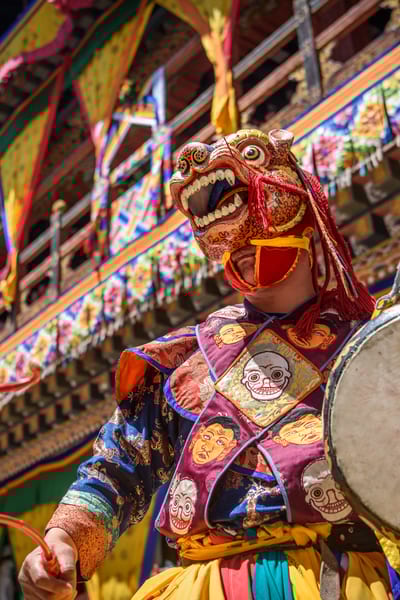
Well, if now if I’m traveling for work, it tends to be uh there’s no New York or LA or Sydney, so it’s cities, but but uh if I’m traveling for I think what what’s what sounds and smell, and you you you mentioned this the call to prayer sound, and I think you know, if it when you go to you know Marrakesh, say we Marrakesh is uh I know everyone knows this and it’s a cliche to say, but it is true, it’s sort of the the shortest journey that has the longest distance, isn’t it? It’s clear as you are in a different world, it is, yeah, and and the smell and the sounds and the call to prayer. So I I actually I love Morocco for that. Um and when I come back, it’s it’s that the bustle and the colour and the smell and and the the better way some people choose to live. And and I think I was really lucky once I went to to Bhutan and you know, and and did that climb to is it called Tiger’s Nest uh on on the cliffface and and stayed at one of the Aman lodges, but and then went to a a temple um uh uh and and was very ill drinking the holy water, which is ironic, isn’t it? Don’t drink holy water that kind monks give you, but the you’ll be ill, but uh with E. coli. But the um but aside from that, it was just magical. It was like being in a movie set and climbing all those, you know, it’s what four or five hour climb, I think, isn’t it? Up up those steps to the tiger’s nest. The one and you just entered this, you’re in an another world, a world you could never imagine. And that that feeling of of peace and being away from the craziness of of the the metropolises that most of us live in is is is extra, but it doesn’t always have to even be exotic. I mean, I you know, the Great Barrier Reef, you know, um I went, what’s it is it qualia, the hotel on Hamilton Island.
Tom Marchant: 25:34
Yeah, yeah, call it.
Jeremy Langmead: 25:35
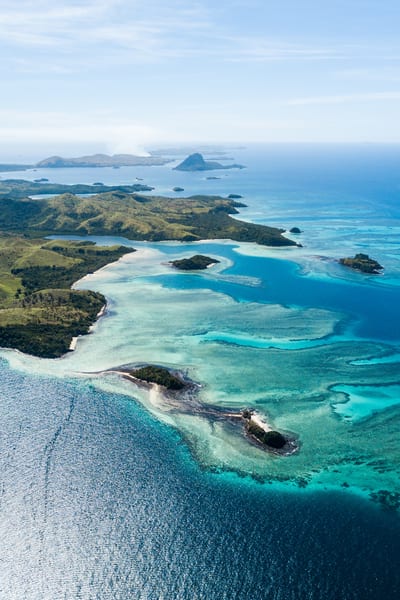
Yeah, that was magical in a very luxe way, but you know, in your little cart, there’s just white sand and blue sea, and you can take a little helicopter ride and it drops you off on on one of the the beaches and there’s no one else there. And and that’s quite magical because you just feel as if you’re in the middle of nowhere in a different way.
Tom Marchant: 25:52
It’s it’s it’s um, it’s almost like antidote’s the wrong word, but it’s the feeling of something so utterly different to the day-to-day. That that that brings with it, I find, these magical feelings, this feeling of being somewhere else than kind of what you’re used to, which I think is one of the wonderful things to travel. It’s like I agree that I there’ll be certain places like might be in a wilderness in Namibia where you’re so isolated, it’s beautiful, and this feeling of being disconnected and and free because it’s so different. But at the same time, you know, I, as you know, I love New York there a lot, and I, although I get to live in London, which is another fantastic bustling cultural city, there’s something about going to New York, um, which is so different to London. And when you’re there, it’s almost like you just put this different suit on. You just it there’s something that kind of lifts you when you when you step out of JFK, even if it’s shitty and raining and stuff, you just feel different. I mean, and then I guess there’s things like you know, like you said, there’s sort of the cinematic feel, you can’t help but walk through New York or certain parts of it thinking you’re in a movie. And I think that’s one of the joys of travel, it’s just things that might feel mundane at home, like walking through New Age become magical. Yeah.
Jeremy Langmead: 26:59
And I’m like to New York on Monday and I haven’t been there for a while, so I’m really looking forward to. But you’re right, you there’s the energy, and you get off that plane, even though you’ve been on it for what, eight, eight hours, if you’re unlucky in economy or primo economy, and then you just start running because that’s what you do in New York. No one walks slowly, you just start running, and you don’t stop running until you get back on the plane home again. Uh, and you sit in your hotel room, and then they’re always tiny there, whatever the price. But you’re right, it is it’s it’s sort of madness and and energizing. And I love getting walk, and I have so many friends there, but I’m always glad to leave, but I’m always glad to arrive. It’s a weird thing.
Tom Marchant: 27:32
I I think that’s a very good description. I, you know, obviously, as you know, I was there and lived there for about five years, and I feel lucky now that I get a regular fix of it, come in and out. We obviously got so many of our team are in New York and Boston and and all over the state. So it’s it’s a great place to be. I think you need a fix of New York, you know, in your life on a on a regular basis, but in a probably uh moderated way.
Jeremy Langmead: 27:54
Um I think so. But but what’s nice about New York now, I mean it always was, but easier, is you can go upstairs, you can go to Connecticut, and there’s some amazing places that are now opening only an hour and a half outside the city. And tons of New Yorkers have moved up there anyway after COVID, didn’t they?
Tom Marchant: 28:08
Yep.
Jeremy Langmead: 28:09
And and if you go to LA, uh, you know, the Prince of Mine Living A, they’ve kind of moved out because that also got a bit crazy and it’s a bit rougher than it used to be, but still fun. But you know, if you go to Ohio, you know, it’s only a 90-minute drive from from LA, and that is like entering another place. It’s quite mystical and magical, and everyone there’s quite rich or quite famous, but they cover it up well. It doesn’t feel it doesn’t feel overspendy. There’s just an underlying the food’s good, the drinks cost, the supermarket’s so expensive, but it doesn’t feel glitzy, it just feels rather special. So often the best places are outside those businesses.
Tom Marchant: 28:44
Yeah, I I think like I mean, one of the joys of living in America is getting to explore beyond just the cities. And I, you know, you say even close to New York, where it’s we’ve got a number of people, yeah, the company who who live upstate, you know, Hudson Valley or friends are there, and you that’s a professional or now, isn’t it? Yeah, and it’s and it’s it’s so great. And when we lived in LA, you know, we’d and it’s you know, everyone knows that we take regular chips out to Joshua Tree, you know, a couple of hours, and you’re so there’s so much of I mean, the cities are brilliant, they’re iconic, and they they attract you you like moss to a flame for good reason, but it’s also like you say, knowing that so close by there are other as unique and inspiring experiences, but in different ways, it’s um yeah, it’s it’s a fascinating place. I think a lot of people kind of just don’t realize sort of the breadth of what you can do there.
Jeremy Langmead: 29:28
Um, and it can give you the so many different geographies, obviously. And so you do well, it’s like completely different worlds, America. Know one bit, the people, the place, the geography are like another. And even if you just do that big surdrive from San Francisco to LA, the climates you see and the geography you see.
Tom Marchant: 29:43
It’s stunning, it’s stunning.
Jeremy Langmead: 29:45
I think everyone should do that.
Tom Marchant: 29:47
Yeah, I’ve definitely done the uh the kind of rights of passage trips. My daughters is taken some of those. Um, or maybe that’s just an excuse so I can do more road trips to the state, I’m not sure. Um, Jay, what about um have you ever taken a trip where it’s surprised you? Yeah, so maybe emotionally where perhaps the feeling didn’t match the expectation, or yeah, or vice versa.
Jeremy Langmead: 30:11
Well, Moscow in in a in a disappointing way. I was so excited to go to Moscow, and we opened actually a wallpaper magazine at Moscow, so I used to have to go backwards and forwards for a while. But you know, and again, this was 20 years ago. Uh but I was I was I found it so depressing. Um, and uh, you know, the hotels were so poor, the shots were so strange, people I was working with were quite peculiar, but that that was uh uh in in Oa. But that that was disappointing, and you know, you’re going to see Lenin’s tomb, and no one really helps you in the queue, and you have to go and check your phone in about half a mile down the road, or you used to have to before you could queue, and then they obviously shove you through there so quick because you can’t notice he’s all melted and it’s not really him. So um I was so excited, having been rather obsessed with Anthony Burgess and all the Moscow spies, um, again, you know, sort of book stories, Anthony Blunt. Um, um, so I was disappointed with all. So that was an emotion where I just thought, oh, this magical place I’ve read about, even though it doesn’t always sound magical, of course, it in post-communist, but was was disappointing. And then one of the most surprising places was I don’t know if you’ve been to the Virgilius Mountain Resort, and it’s in it’s in the Dolomites.
Tom Marchant: 31:19
Yeah, yeah.
Jeremy Langmead: 31:21
And you go up and you can only get there by cable car summer or or or winter, and it’s it’s quite you know scandy. But if you go there by yourself, which I did, I was I went there to de-stress for 10 days, and you can’t get into trouble like in Istanbul, but you just walk for miles and miles, and you don’t I’ve got no sense of direction, so I would never know if I was going to get back to the hotel or lot. And I you know, I do nine-hour walks by mistake, not out of braveness or fortitude. Trying to find the way back to the buddy over there, stop me following me and people be staring. But it would that that 10 days in a mountain, uh out of season, so it wasn’t snowy, was was you know, not life-changing, but uh I I wrote a book while I was there, it never got published, but it was you know one of those things where it just let feelings and emotions come out. So we never give ourselves time to do that. And if you’re stuck up a mountain, there isn’t that much you can go and see apart from you know, scrubland uh uh up there. And so that that that desolation and isolation sometimes brings things out of yourself that you didn’t know were there.
Tom Marchant: 32:24
I think that’s um I think it’s such a key feeling to pursue. I we we we read it, I mean, every year tends to be, you know, you’ll hear about, I think it’s a few years ago where you know Bill Gates talked about he does his reading week every year, where he disappears off and takes the books he wants to read. And whilst that’s all catching up, it’s also about time on your own, time your own thoughts. There’s this lot about this um thing at the moment where it’s good to be bored, right? Yeah, and people talk about you know, and it also for the younger generations, um, not to sound like a you know an old person here, but growing up, you know, when you didn’t have tablets or or phrases like it was you, it was you and your thoughts, and maybe you know, some books to read and comics, but I think that’s a really good way for any any human at whatever age of life to kind of be there with your thoughts. It encourages so many positive things. I think um, but on that point you made about the isolation um and sort of the sense of escape, we are seeing that a lot. There’s this people people are actually also actively in pursuit of kind of silence and and true remoteness. And sometimes these travel trends, you know, you know they’re kind of dreamt up in a in a boardroom by a marketing team, or they’re taking various words and sort of pairing them together to see if we can fill up with a new fancy thing. But I I really do buy into that, and I think, yeah, as someone who I I know is you know, I’m I’m active and I’m wired and like that. But when I sometimes not plan, but I find myself you know in a place of my own and it’s quiet, every time that happens, I’m like, I need to have more of this in my life. And and and as I know many friends do, and I think it’s something to and we are seeing clients come and look for more of that. Um again, a good sort of antidote that you reset, you get time to think on things that we rarely get time to think on in the day-to-day. Um, so true, and it is it is that um reset, isn’t it?
Jeremy Langmead: 34:08
And I I think last year I went to uh I think I have to write Engelpura, um, which again is in the Dollar Mice and it’s I’ve a retreat. And again, I went there for 10 days, and you’re on a very strict diet. There’s no talking, you don’t talk to it. I suppose you could go with a friend, but on the whole, you’re encouraged not to. So it’s 10 days of tiny meals and fasting and ayovertic treatments and no conversation whatsoever. And it’s kind of weird, but kind of and then I did watercolors, and I’ve never done watercolor painting, but I thought maybe I’ll get bored. So I took, and then so you just try things that you haven’t tried before, but the most is is the reset, and that’s mind and body, there obviously.
Tom Marchant: 34:46
Um and how did that when you did that? Because maybe say it’s strange at first, you then, and then afterward, it does it start feeling this just feels an action. This is yeah, I’m very comfortable with it. So you get over the comment, this is weird.
Jeremy Langmead: 35:02
Well, the weird bit at first is you’re all in the restaurant sitting at tables by yourselves, eating these minuscule amounts of food, and and the idea with Ivan, you know, is is to concentrate on eating, think about the chewing, think about the digesting, think about what you’re eating, um, which you do, which is you know good for you. Um, so but that takes a bit of getting used to because it just seems odd sitting by yourself in a restaurant three meals a day. But then you get used to it, and if someone sort of smiles at you slightly furious because they’ve interrupted your your your personal time, but um, and then it just clicks in and it feels quite normal, and your day is literally yours, your head is all yours.
Tom Marchant: 35:39
And when you come back, because we we’re really interested in the impact that travel can have, not just when you were there, but when you come back. We we have a service called Bring It Back, which we sort of launched a few years ago. How did that work? So basically it was it was an idea I had that a lot of the um I have a lot of questions um for things that often you don’t have time to solve, but sometimes around like fundamental human building blocks. So it might be questions around health or family or love or relationships or business. And the insight was, I thought that there are certain communities around the world that have a really interesting take on these building blocks. So it might be so the nomadic tribes out in Mongolia who the way they approach family and care for each other is very different to what you do um back in our day-to-day. It might be how um Bhutan look at the role of love in your day-to-day, and um, or it might be an entrepreneurial community in a part of Iceland that where they support each other. And the idea is to go and spend time with these communities just getting an alternative take on something that you’re interested in or you’re looking for answers to questions that you don’t have the time to solve, or or in your current setup at home, you can’t find to spend time with that and then if it connects, then bring that back. So so you’re you’re traveling and you’re learning and you’re you’re being immersed, but also it’s something that you can then pay into your daily life when you come home. So it gives you a so it basically came from me looking at you know Maslov’s hierarchy of needs and saying, well, to get all the way up to you know self-actualization where you have full value, you know it depends, what are the things that can feed into making you fulfill? And so we have this idea, and it was almost like our version of wellness in a way, or a wellness product, and we did it like five years, six years ago, and it was it got good coverage and people take the drips, but actually, over the time, more and more people have sort of finding it. And I think as the world is people becoming more attuned to investing in themselves. Um, and yeah, it’s been great to see, and we’re we’re adding more to it. But to my question, sorry, and I went off on a tangent then, but my question for that was when you come back from a trip like you had there for this silent where you get the reset, how long or do you feel that you have aspects of that that you build into daily life? Or, and I hope that’s not the case, and we’re gonna go two days later, you’re like, I need to be back there.
Jeremy Langmead: 37:60
That’s I mean, you you’re right. Um, because you know, sometimes you come back from a trip which was mind-blowing, and then all you have is a couple of Instagram posts that carries on with you. Um, and of course, you’re not always going to be able to keep up with the diet or or the meditation regime that that you’ve done, you know, four times a day when you’re by yourself in the middle of a mountain. But I think uh you’re right that we need to push on that because we do sometimes think, oh, I’ve I’ve captured on my phone, so I’ve got I’ve got everything I needed from that vacation. But it’s that’s you know that obviously we know that’s a false, a falsehood. And um so I try and hold on to it uh a lot more now. I think it gets easier as you get older because you do you maybe appreciate things more? I think you do. You perhaps see more because sometimes having seen more makes you see more if you see autonomy. Um and I don’t know. That’s a good question, it’s a good conundrum. I try and hold on to things, but it’s you know really hard sometimes. You get back from your vacation, don’t you? And then you’re at the office at 9 a.m. and dealing with the problems you were dealing with before you went away.
Tom Marchant: 39:04
It’s tricky. I think there’s opportunities. Some are beginning to do it, but I think there’s there’s huge opportunities. Some of the um the service providers for this, whether it’s hotel brands or or experienced fighters, to actually support, and I’m air quoting, but continue it in a gentle ped way into people’s lives when they’re back. So whether it’s you know reminders or like almost like building something more holistic, and it’s probably good business as well, because it you know keeps them swinging back. Some do it, but sometimes some also feels like it’s a slightly sort of um you know token, like, oh, here’s a here’s a bit of feedback and move on. I think there’s something that that could be more holistic and actually buy people into a way of life that can also kind of suit and support your at home life as well as then bringing it back for a reset. But we can go for it.
Jeremy Langmead: 39:49
That that’s so true. You know, our vacation shouldn’t be from the Monday to the Sunday. It it’s and actually, yes, you’re right. Um those people who enable those trips should think of ways to continue. You know, you buy some clothes, you Keep the clothes and take into the right clean, or you buy some food in your crowd and cooking that recipe when you have the vacation. That that relationship with where you’ve been should continue in different ways. If they’re sending you something or you subscribe to something from that place. But you’re right, that journey should last longer than the actual trip.
Tom Marchant: 40:17
And it would, A, it’s a great experience to the customer, B it would generate look, we should start a wellness brand doing that. But that’s a separate podcast for that. Um, Jay, just when we talk about hotels and restaurants, I mean, you you you’ve seen visited so many. Um, you you know that’s part of who you are, part of your curiosity, part of you know why people um want your opinion on it. I mean, when you think of hotels, restaurants place, that you know didn’t just impress you but change how you felt. I mean, might have been some of the ones you mentioned about, but that really changed how you felt about yourself or thought this is a truly special way of taking it. Can you think of anything like that or and who got it right?
Jeremy Langmead: 40:53
Um well there’s a couple of health resorts where obviously that’s more about just going there, it’s about feeling better and feeling healthier. Um and they don’t have to be glamorous, they don’t, you know, the places like Booking Wilhelmie, where you go and you don’t eat for 10 days and you curse them every single day because you’re eating sort of cabbage soup. Um and again, it was a silent retreat, and it was in Germany, and uh during the daytime I would walk into the town, stare at Kate through the window, and then go back to my cabbage soup. But uh you you do change your body, you do learn how to look after it more because someone’s teaching you every day, and they do lots of tests and you find out. So I think I’ve become more interested in in experiences like that. Almost the more you pay, the less food you get with these places, isn’t it? It’s the bizarre thing.
Tom Marchant: 41:41
Yes, the more the more acquisition is being passed.
Jeremy Langmead: 41:43
Yeah, quite a basic room and no food, and that’ll be a lot of money, please. But but it’s like going to a monastery or a or a retreat. Um, but then sometimes just going to somewhere that is pure opulent splendour can be life-enhancing too. I think you know, earlier this year I went to, or last year I went to, um, I hadn’t really spent much time, so much time in Milan, but not much time on Lake Como. Um, and I stayed in a villa uh called Villa Sola Capiati, um, which is run by the Hotel Gran Tremezzo, and it’s this gorgeous villa that used to belong to some aristocratic Milanese family, and it’s right on the lake. And it was very charmingly done because you rent the villa, I think I can’t remember six rooms. It’s quite it looks big, but it the rooms are quite small. But it’s very discreet service, everything’s cooked for. You can have a cocktail making class, you can, but you never feel that you’re staying in a hotel. It was very nuanced and subtly done. And then and then just going around Como and the uh is it the Pasaca Hotel Whiz Anderson designed it, and and just you know, I was lucky it was October and sunny, and you know, Como with the sun hitting the water and these grand facades all around it, and that felt quite magical just for four days, you know. So it doesn’t always have to be cabbage soup in the monastery to be.
Tom Marchant: 42:58
I think it’s it’s the blend, isn’t it? Like they yeah, the I mean the the guys at Tremetso and Paselacra, I think you know, have have won the acclaim and uh you know the number one hotels in the world awards for good reason. But you one thing that everyone I know, and much to my disappointment, I’m yet to get there, and I think I’m the only person I know who hasn’t, but um um you always hear similar things about how they make you feel there, how um particularly on that the villa you described, um I think they’ve got this essence of service um really, really nailed down. And when you marry that to such a spectacular setting, um yeah, I’ve got yeah, it’s um everyone who who has been lucky enough to visit um is made to feel a special way, and I think that’s that is at the heart of hospitality, so I think they’ve got it.
Jeremy Langmead: 43:41
I think it is, and there’s some things a little over top. You know, if you go to Rento Tremezzo, they sell you um you can have the risotto and it has gold leaf on. So I imagine gold leaf on my risotto. You get a certificate saying you had this much gold leaf on your risotto. Oh, for God’s way.
Tom Marchant: 43:55
Yeah.
Jeremy Langmead: 43:55
Who’s gonna put that on their wall? But but but it’s sweet that they think these things through, but the service is exemplary and the setting extraordinary, and it’s easy to get to from the it’s great.
Tom Marchant: 44:05
And I think like where we talk about hotels and places, and then not traditionally, but in the past it has been about people talk about just how they look or location or you know, some some of the eye-popping stuff they do. But you touched upon it, like the service and the people and what make it special. And um, you know, there’s that there’s that quote. Uh there’s that it’s been used in lots of things about, you know, there’s some even like some meals, people often forget the food, but they remember the people who kind of serve us serving them. And um it’s funny, uh, we were in we’re in the Jure Valley uh this summer at the Sixth Census there, and you know, really spectacular spot. Um, first time in Jure Valley. Um, I know Portugal, but not there. Um, gorgeous, but it was an exceptional state, not just because the property is great, but I’ve never come across a group of uh people working there who were so um just so welcoming and so warm and so friendly and so intuitive, and not from a kind of it felt that they’d all been trained with an inch of their life, so they’re following it. It just felt like a very um natural and proud um collection of people who who loved what they do. And that was just so clear in what everything they did, and it was infectious. And it was sometimes almost quite hard to quantify, but you quantify almost by the the feeling you get like in terms of being welcomed. And I think the hotels, the places that get that right, are the ones that really landed on you know the essence of of what makes hospitality special and hence are doing very well. And you sort of know it, you know it when you feel it, right? Yeah, you feel it.
Jeremy Langmead: 45:34
I mean, quite a lot of hotels now, uh as you’ll know better than me, there’s a lot more transparency, isn’t it? And you’re encouraged to go and visit a kitchen or go and see things being done behind it, and unless they’re really good actors, which they very well be, you often you feel so much happier when you’re having your meal knowing that the people you’ve met who were smiling and cooking in great conditions, and it just makes it a more pleasant, comfortable experience.
Tom Marchant: 45:56
Yeah, I was I was actually just on the on the kitchens. It was in um I was staying very lucky to stay at Le Bristol in Paris just uh back in August, and I was there with um with my family, and it was my eldest uh birthday, Millie’s birthday, and we were having breakfast one morning, and I think she asked uh one of the the guys working there, oh um, is this a a crustle or something? Oh, a type of crustal. And he said, Well, do you want to come and see where they make it? I said, Well, so so he just led her into this kitchen. I went because I was fascinated, and he walked into this incredible kitchen, you know, loads of chefs in there, beautifully done, all working on there, the petition section, but every one of them just lit up, you know, as well. And obviously they might know people come in, but you got this feeling, and that you could see the passion kind of coming through into the food, and it really wasn’t you know set up or stage managed. You just you’re just impressed, just like wow, great behind the scenes, and I can see why people rave about this places because everyone there just seemed incredibly happy. So it’s yeah, it’s worth doing. Um, yeah, my meant I just stayed a lot, spent a lot of time by the kind of the croissant bar in there, yeah. All for me. Um Jay, you’ve uh you’ve you’ve uh you’ve written and spoken very movingly on your uh cancer diagnosis when you had prostate cancer, had a prostate cancer, and I’ve been in awe about kind of how you talked about it, you’ve normalized it, um, and and shone a very necessary spotlight on it. Um and I think perhaps, and you know, I’d love to get your take on this, when you are looking at uh you know your life and your health, do and when you travel, do you do does it does does it take on a different does travel ever take on a different role? Um not because you can talk about mortality, but is like an appreciation for travel. And when we all we all know we’re all on this planet for a you know a finite amount of time, does it ever kind of make you stop and say, well, actually, I’m not trying to say how important travel is, but perhaps when we’re younger, you touched upon it earlier, we we we take sometime travel for granted. And we I think we all realized in COVID when we couldn’t travel how much it meant. But has that, you know, as you so brilliantly handled what you’ve been dealing with, does travel sort of take on a different role, or do you do you look at the world differently or or not?
Jeremy Langmead: 48:04
Oh, I think that’s a good question. And and and yes, and and uh in in a way in contrasting ways, because what three years since I was diagnosed, and as you know, it’s just come back for the third time, so it’s an endless journey, not a nice travel journey, but but you know, uh the this this is what life throws at you, and you have to deal with it like everything. So um and and and that’s my approach, and also everyone gets ill, and being ill, as you said, I’ve trying to normalize it, not be something that people don’t want to talk about or that people are embarrassed about, or but um so it does affect travel. So there’s the obvious thing where you think, oh my god, I don’t know how long I’ve got, I need to go see different places, um, um, which definitely has is is maybe more this time. I’m thinking I want to grab every experience that I can. Um and but then there’s also the practical side where you think, but I don’t want to be too far away in case something goes wrong. Um, so if I’m somewhere really erotion, I can get ill, yeah. So it’s sort of it you’re you’re pulled in two different directions. Um at the moment, I thought you know, I’m going through scans and all that stuff. I’m still gonna go to New York next week. And I’m love, it makes me love work even more. And everyone says, Oh, you need to take it easy, but no, you need to use every moment you’ve got uh everything you can rinse out of that minute. And so I’m excited to go to New York, I’m excited to see clients, I’m excited to meet people. I’m really excited that we’ve got a big task ahead of us at Mr. Porter, um, and um lots of travel ahead. So you yeah, you want to squeeze in as many. I mean, and no one’s given me a deadline excuse the pun yet. Um very good at deadline, so I’m fine with that. But the it’s it’s trying to manage, oh my god, I need to do that, that, and that, and this, and also be a little bit sensible on on looking off your body. So yeah, you’re pulled in different directions with that, but you do have to be a little bit yeah, but but you know, some could be run over tomorrow, so all of us should develop that’s a great.
Tom Marchant: 49:58
I totally agree. And are there conversations that you don’t think men and women are having, or what we should be having about health, vanity, aging, well-being that will make maybe life and travel feel richer, or is it is it um yeah, is it like not not I’m not even talking with regard to kind of you know a cancer, but is it like an appreciation earlier or let’s make sure we did not because of things that might happen, but I think sometimes I don’t know, I find that and I appreciate I work in travel, but I want to treadwall the whole time and I’m always trying to get to the top of the mountain. And actually, I think even though I work in travel, I probably haven’t done some things I’d like to do, which probably will have made my life feel rich, or will still will. And I think it goes back to that taking a pause and thinking a bit more about what really matters, if that makes sense.
Jeremy Langmead: 50:46
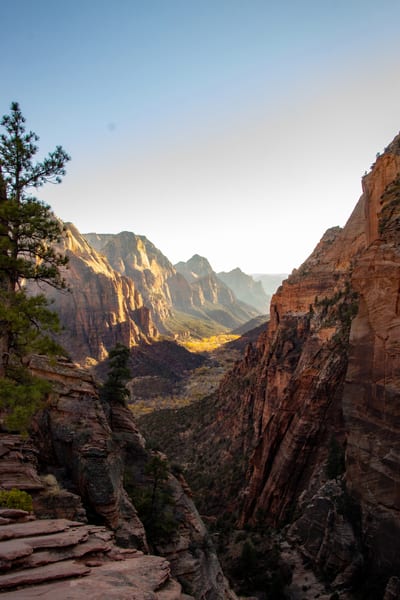
Yeah, I thought, well, again, and spending time with with those that you like. I mean, obviously, health is a big growth area in travel, health and wellness. And I think you’ve got to get the balance right between people trying to take advantage of people trying to get well or healthy, and that, but I think obviously I’m sure there’s some cynical operations out there, but I think there’s a lot of people who are generally really trying to think about what’s good for people in this quite tough world that we’re living in at the moment, um, politically and socially. Um, so and there’s a lot of thought game to that. And I think a lot of people are doing it quite well, and there are even retreats that you can go to that specialize in people who have or have had cancer. And um I don’t really want, I kind of like the doctors that I deal with. I don’t really want to go to a hotel that specializes in an illness. But the reset and the wellness referees, um, and and even some of them that maybe are a little bit superficially dumb, I think they’re still quite good for you if you’re best bits of them. But the best wellness trip is probably to go to Joshua Tree and look at or you know, if you can afford it Amangeri and just look at those cliffs and mountains and deserts, and um, or go, and I know you love Iceland and just look at those vast expanses of ice, and you know, that’s I think that’s nature healing you. Um, or even, you know, where where I live some of the time now, but uh as you know, you you’ve come to it in the lake district. And I found during lockdown, which obviously was quite stressful for everyone, I was very lucky I was in the lake district, so a lot of stressful from even people stuck in cities, but still you worried about the world and what was happening. And and I took up, and I say mountain climb, I use the word loosely, I would get up a mountain climbing as there was an exaggeration, mountain scrambling, but you climb to the top of Scarfell Pike or or Helvelin, and you would look down on the world below you, and you just thought these mountains and this nature’s just thinking, you guys, you’re stupid worries and stresses, you’ll come and you’ll go, and I’ll still be here. And it just puts life in perspective. You look down on a world and you realize how small it is when you’re on the top of a mountain. I think that really puts the world in perspective. Climb high on a vacation and and you’ll reach heights.
Tom Marchant: 53:02
That’s that’s a great advice. And I think you you said it with a perspective. I always find when I’m looking out of a an airplane window for flying over mountain ranges, and suddenly you feel so small and you wonder what’s down there.
Jeremy Langmead: 53:13
And yeah, um and it’s good, it’s just a reminder that you’re a spec in history and it doesn’t matter, and enjoy your spectrum.
Tom Marchant: 53:20
Don’t take things too seriously. Like, yeah, that is like you are you’re merely passing through very, very quickly in the big scheme of things. Um, Joe, if we wrap up just a couple of things. Obviously, you are one of the um true world authorities um on luxury, and I know we could have a whole separate podcast or days of it talking about that, but because I’ve got you and I’d I’d like to ask you, when you people often talk about you know what’s the definition of luxury, and I think that’s such a that’s such a long conversation because I think luxury is ultimately quite personal and unique. But uh, when people talk about the future of luxury, and I appreciate there’s lots of different um sectors this that this kind of can relate to, but when you think about the future of luxury, what are the things that stand out for you? Yeah, what what will people be not thinking specifically but uh thinking of or approaching it about luxury in the future?
Jeremy Langmead: 54:11
Yeah, I mean that’s kind of a big question, and also you know, luxury as as you and I both know is such an overused word these days, and it’s just bandage about, you know, you see luxury compost now in garden centers, it’s absurd, or designer, designer cloud concierges in apartment blocks in London. So uh that that that that’s all sort of devalued here, but but luxury is or or or it I think it is, and this sounds so cliche, but it’s it is living in the moment and and grabbing that moment and grabbing that chance, and that it’s not a possession, it’s it’s being in a moment. And I think that’s what travel can give you. It takes you out of your everyday life and you see something else and you experience and smell and hear something, and genuinely, and I know it’s the it’s what everyone’s saying, but it is experience that is luxury now. It’s not, you know, I’m in a business that you know we sell cashmere network for seven and a half thousand pounds and they’re beautiful and they’re made nicely and people buy them, and that’s great, but it’s also insane, isn’t it? But but if it makes you happy, that’s great. Or if having Botox makes you feel good about yourself, that’s great. Or if traveling and staying in a beautiful hotel or traveling in a backpack and going on trains around India uh and discovering the that the most extraordinary content uh continent is is a lot, so it it it’s experience, and it can be an experience you have at home or it can experience you have after a long plane journey.
Tom Marchant: 55:32
I think that’s a fantastic answer and agree about being in that moment and and really savouring that moment as well.
Jeremy Langmead: 55:37
Hard to have these days because we, you know, even when I’m talking to you, I can see a pingo up here on my computer and a ping on the phone there, and uh someone walking past the window there. There’s so much distraction, so many forms of communication hitting us at the whole time. So just stopping and looking and smelling and yeah, trying to be discipline.
Tom Marchant: 55:54
Yeah. So just a couple of quick far questions you’d like to finish on, Jay, um, if that’s possible. Um, so um first thing you do when you check into a hotel to peer.
Jeremy Langmead: 56:05
I’m so square and it really annoys my carner, is I unpack. Because I’ve got OCD and I I can’t have a suitcase sitting there with stuff in it, so I have to unpack within seconds. Brilliant.
Tom Marchant: 56:14
Okay, I like that. Um on that note, then a packing tip you swear about.
Jeremy Langmead: 56:18
Take everything, pack everything. I hate it, and people say it’ll travel light or get away with it. No, take everything you own. Think like a pharaoh when you travel it. Think like a pharaoh. It’s the only time we get to stop and enjoy things. So I want to take every beauty product, I want to have loads of choices of clothes, loads of books. I want all my things with me because they’re I love this.
Tom Marchant: 56:42
I love this. So okay. Um uh a book or a podcast you travel with, or it doesn’t even have to be travel with, but uh a good book that maybe you relate to travel or is inspired to travel, or podcast for that matter.
Jeremy Langmead: 56:56
Yeah. Well, I think it it one should always read a book written about the place you’re staying in. Uh, to me, it always makes sense. So you obviously, as I mentioned, the Bruce Chapman one, and you’ve got quite a few places there, or or if you go to Warren of Ziras, we read Story of the Night by Colin Toybean, where he lived there for for a few years. And but just because you if you or or even you know, what was it, um, Midnight in the Garden of Good and Evil, the John Barron novel set in Safanna, which became a little bit controversial later on. But reading the stories behind the houses and facades is is is that so I always take a book that’s set in the place I’m going to.
Tom Marchant: 57:31
I think that’s when we first started Black Tomato, we we we had this service and we’re reviving in a slightly different way called The Arts of Travel. So the idea was that a good book and soundtrack will make a trip. And it was always a book that wasn’t like a guide to a place, but something that was set in a place because you’d you’d get that context. So um, and then it might be um, you know, we’d send out set lists or sort of playlists or or back in the days of CDs, I think of CDs, uh, but um about that. So you’d get you’d get into it. But I just remember on that note so many books I’ve read of made me want to go to place. I remember reading To Have and Have Not by Hemingway when I was young, and it just made me want to go to Cuba. Um yeah, and I think that power of places. So when I’m now yeah, going to places, I’ll I’ll look like you for for something that’s set there, great stories in the room.
Jeremy Langmead: 58:16
And occasionally, if you’re being a bit lazy and let’s say you go to Vietnam and you can’t be bothered to leave the hotel as much as you should to explore, open that book and you’ve done the explorable book.
Tom Marchant: 58:25
Exactly, exactly.
Jeremy Langmead: 58:26
With room surface. Is there a hotel amenity or detail that always wins you over? Well, uh, you mentioned vanity, and I sort of vanity, I think, gets a bad reputation. I think looking after yourself is not a bad thing, or caring about what you look like. I mean, I envy people who don’t care what they look like because that that’s uh that’s a luxury. But if you do, but I just love bathroom products because you know, having a bath on vacation is something you don’t always do at home. So, and what’s nice is nowadays is you you’ll notice people are taking more time to find products that are local to their hotel. And and so I always like to see what bathroom products they’ve got. And if it’s eSop, and I love ESOP, I think, yeah, but a bit obvious, all cachette or whatever. But um, but even I I think we said I was at Estelle Manor, you know, Cotts Golds, not a far, but they had a brand which I hadn’t heard of called Commune. And I think it’s it comes from Somerset, it’s a very sustainable brand, and it’s it’s it’s got a bit of mythology that inspires it. And it’s quite just fun to learn something about new products.
Tom Marchant: 59:22
And I also think something as not in situ, but something like that is a really good window into how that hotel thinks and cares, you know, like a small detail, but in that tells a lot about the hotel. If we’re saying, right, we are we’ve sourced something locally, we care about how that either connects the place or reflects on our attention to detail or something that really feels specific, like as opposed to not knocking. But you know, back in the days where I think every travel lodge now has a molten brown, like little squeezy thing in there. And nothing wrong with molten brown, I should say, but yeah, you know, that but I think you’re right in those things. Keys. Um, a journey that changed the way you think about life. I mean, you’ve had so many. Was there one that ever just made you stop? Was it your nine days writing a book?
Jeremy Langmead: 01:00:01
Uh maybe it was uh although really obvious, maybe it was that Bhutan trip because I just saw such a different way of life. I mean, it really is, isn’t it? Because they’re still controlling the walls. Yeah, yeah, the visas, yeah. Um, so you really did feel that you were oh uh I think that all, or actually the the the as I mentioned, the the terracotta soldiers in Xian in in China, because these football pitch size fields of you know, this guy who just built an army to take with him into the afterlife, life-size terracotta soldiers that have lasted pretty well, most of them. And it’s just I’ve never seen anything quite so extraordinary. And I’ve now commissioned my own that’s being built now.
Tom Marchant: 01:00:42
Well, I cannot wait for the exhibition. Yeah, we just button deremia. Um, Jay, what a lovely note to end up, but look, I want to say thank you very much for coming on to the pursuit of feeding podcast today. Um, as as I fully expected, it’s been truly inspiring and enlightening, and I’m really, really grateful for you giving the time and speaking so openly and candidly on everything. It’s been it’s been a real, real joy. So thank you very much. Pleasure.