5 mins read

Grace’s Field Notes from Norway

In Norway, Grace traced a route shaped by land and sea

One of the best things about working at Black Tomato is that we’re all big believers in getting out into the world, kicking the tyres, and feeling a place for ourselves. It’s how we make sure the trips we design really deliver.

This is how I found myself spending ten glorious summer days in Norway with the team, tracing a new route from Oslo all the way up to Tromsø (otherwise known as “the Paris of the North”).

We saw a lot and did a lot. But when we looked back, it was the moments that tied land, sea, and story together that really stayed with us. These are three days that made it straight into our shared playbook – the kind we can’t wait to send our travelers off to experience for themselves.

Finding stillness on the far side of the Maelstrom

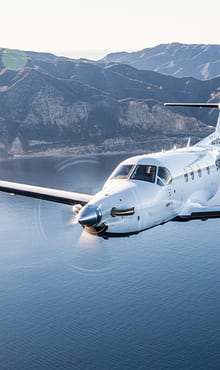
Our day began from above. A helicopter lifted us out of Bodø and skimmed across the Vestfjord, the light silvery and soft, mountains rising like jagged teeth beneath us. The views were so spectacular, most of our conversation trailed off mid-sentence.

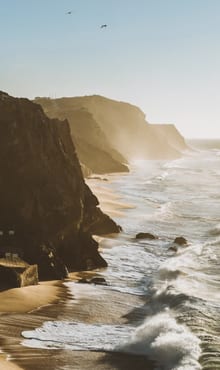
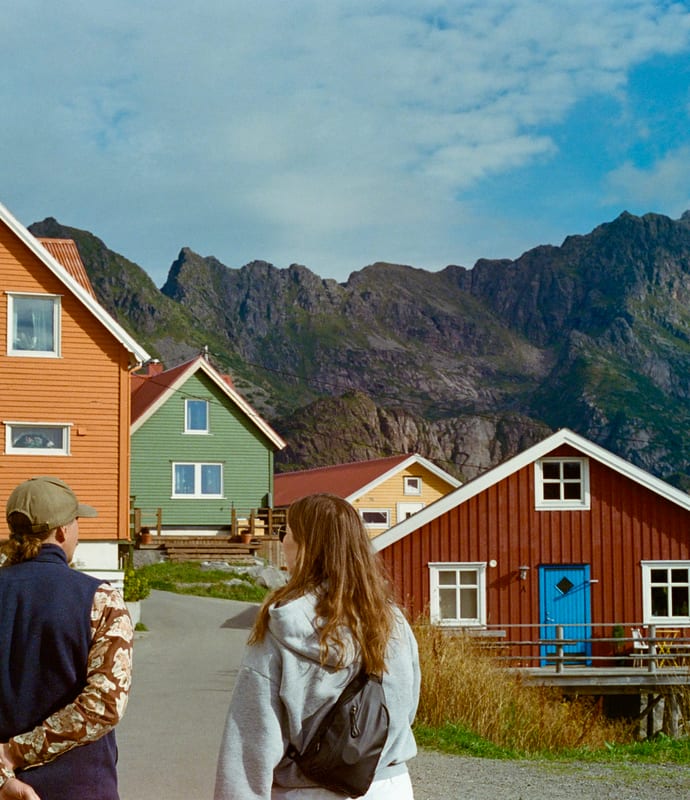
Landing on the small island of Værøy in the Lofoten archipelago, we met Lars Åge – our calm and capable captain – and swapped the thrum of rotors for sea spray. Passing pretty fishing villages scattered along the coast, we pointed the RIB boat towards the Moskenes Maelstrom: a stretch of water wrapped in centuries of (slightly scary) myth, feared by sailors for thousands of years. Up close, it wasn’t a terrifying cartoon whirlpool, but something alive – water flexing and shifting, the boat moving with it. Every sense was sharpened. Sea eagles circled overhead. A lone seal was sunbathing. Even the islands felt like they were breathing.

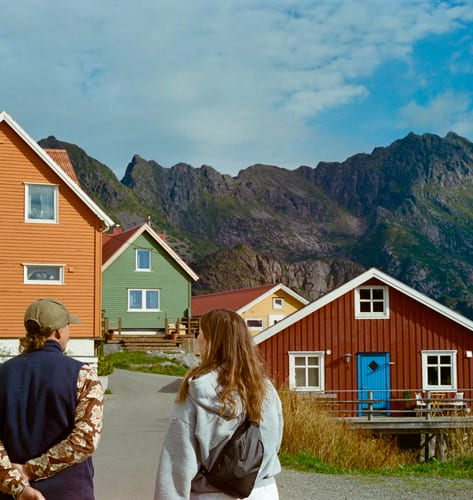
And then, just like that, we stepped ashore in a quiet fold of Reinefjord and everything slowed down. Hiking boots on, we walked into the kind of silence where you notice your own breath, where the only sound is the distant bell of sheep somewhere up the hill. Román, our guide, spoke softly – with that easy confidence you only get from knowing a place inside out. He read the light, the wind, the rock underfoot, moving us along like a tide rather than a group. Reaching a beautiful secluded beach, we braved a quick swim in the sea to cool off, before sharing lunch on the shore. It was deliciously simple – a bonfire, a blackened pot, blue flames – and somehow tasted even better for having worked our way to it.

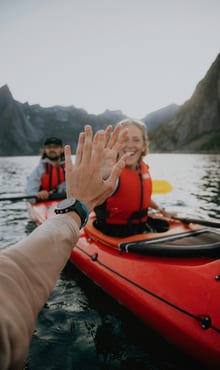
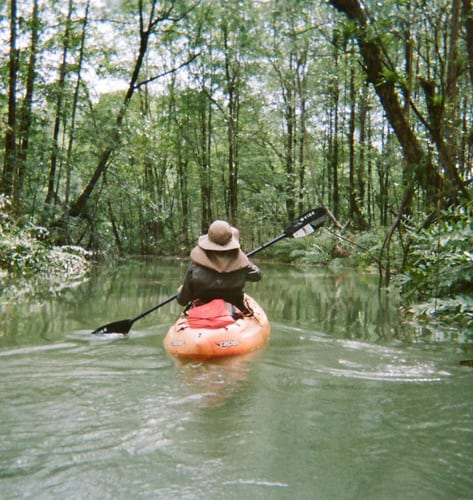
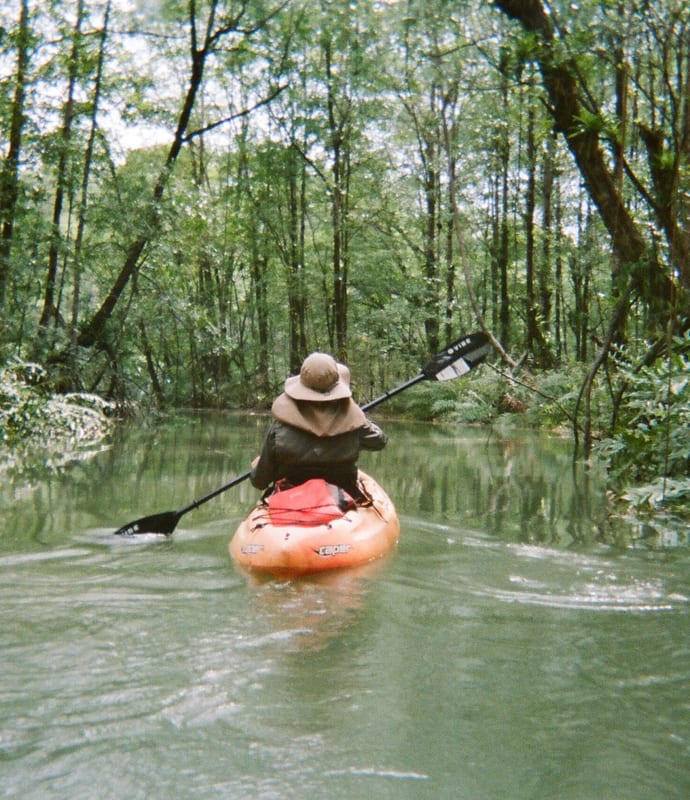
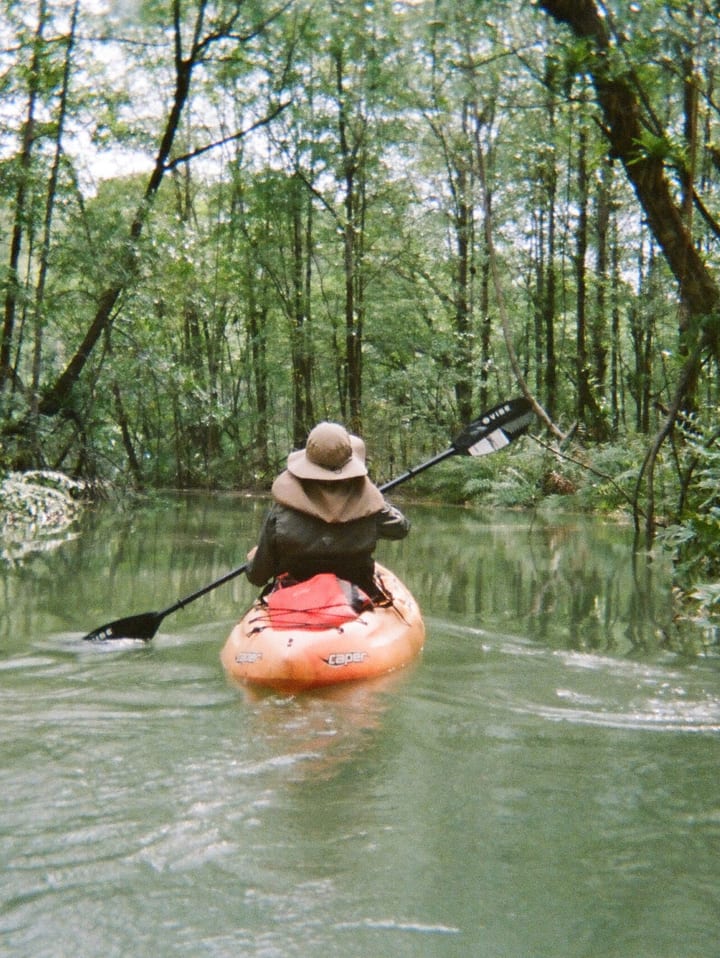
We paddled home by kayak, the fjord completely glassy – an hour and a half of steady rhythm as Reine’s sharp peaks rose and fell with every stroke. This day was all about contrast – and it’s one we’d very excitedly send adventurous families and couples to experience.

Speed that sharpened the quiet

Some boats are fast. The Goldfish 12X – a Norwegian-built RIB – felt like it was thinking with you. With Captain Børre at the helm, we tore through the Raftsundet strait, granite walls closing in, the wake feathering behind us as we pushed well past 70 and 80 knots. At that speed, the world simplified: colors sharpened, the map shrank, our laughter got louder.

As we slipped into Trollfjord – a dramatic two-kilometer inlet – everything went hushed. The entrance narrowed to a tight stone smile, the water turning dark and velvety. The cliffs leaned in. Cameras came up, then drifted back down. No one felt the need to talk much as we slowed down and took in our surroundings.

By the time we stepped onto Brakøya – our own private island for the night – we understood what “north of everything” really means. The lodge sits beyond the last road and well past the last busy thought. We warmed up in the sauna – heat, pine, a deep exhale – then cooled off in air that smelled of salt and stone.

Inside, the light turned almost metallic as dinner was served: Arctic char and pickled things we couldn’t quite name but couldn’t get enough of. Nothing showy, nothing forced. Just seasonal, thoughtful cooking. The team read the room perfectly, too, knowing exactly when to pour us another glass and let the evening deepen.

That’s the magic of Brakøya: privacy without fuss. Five bedrooms. A rhythm of sauna, sea, table. The kind of quiet that invites real conversation. For a family or a small group of friends traveling together, we all agreed it’s really something special. We left with salt-stiff hair, full bellies, and that recalibrated feeling you only get from a place as remote as this.

Seven courses, years in the making

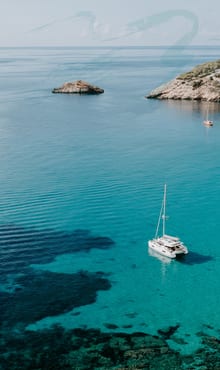
We arrived at Kvitnes Farm the way it deserves to be arrived at: aboard the Alma. She’s a proper expedition schooner – 70 feet long, 45 tons of reassuring solidity – the kind of boat that doesn’t flinch at north Norwegian weather or Arctic winds. You feel it straight away. Alma doesn’t rush. She holds her line. With plenty of space on deck to watch the coastline unfold, we let the air and salt do their thing – talking and laughing as we sailed. It felt easy to imagine Fridtjof Nansen or Roald Amundsen approving quietly from somewhere nearby — the spirit of Norwegian exploration very much alive.
On land, Kvitnes revealed itself slowly – fields, gardens, barns, and a sense of natural rhythm. Inside, our dinner unfolded course by course – but really it began years earlier, in compost turned and soil tended, in animals raised properly. “Everything is interconnected,” the team say here – and it’s almost as if you can taste that philosophy.

Each dish – all seven of them – arrived without fanfare, just total confidence. We savored every bite, from a turnip that made us rethink the vegetable entirely to a sauce that brought the whole room to a contented pause. We left with pockets of seeds, full hearts, and a couple of new convictions: that closed-loop dining is genuinely thrilling, and that a table can transport you just as powerfully as any summit.

Until next time

I could write for pages and pages about all the other moments we loved along our journey: soaking in a floating sauna in Oslo, sipping pints with Randi Skaug – the first Norwegian woman to conquer Everest – at her pub on Naustholmen island, and learning to catch halibut with local fishermen. We’ll be back to Norway for the aurora and the whales when the season swings, to test out a cold-weather twin to this route. And I, for one, cannot wait.

Related Posts

Subscribe