

















Australia, New Zealand
A wilder way: New Zealand & Australia
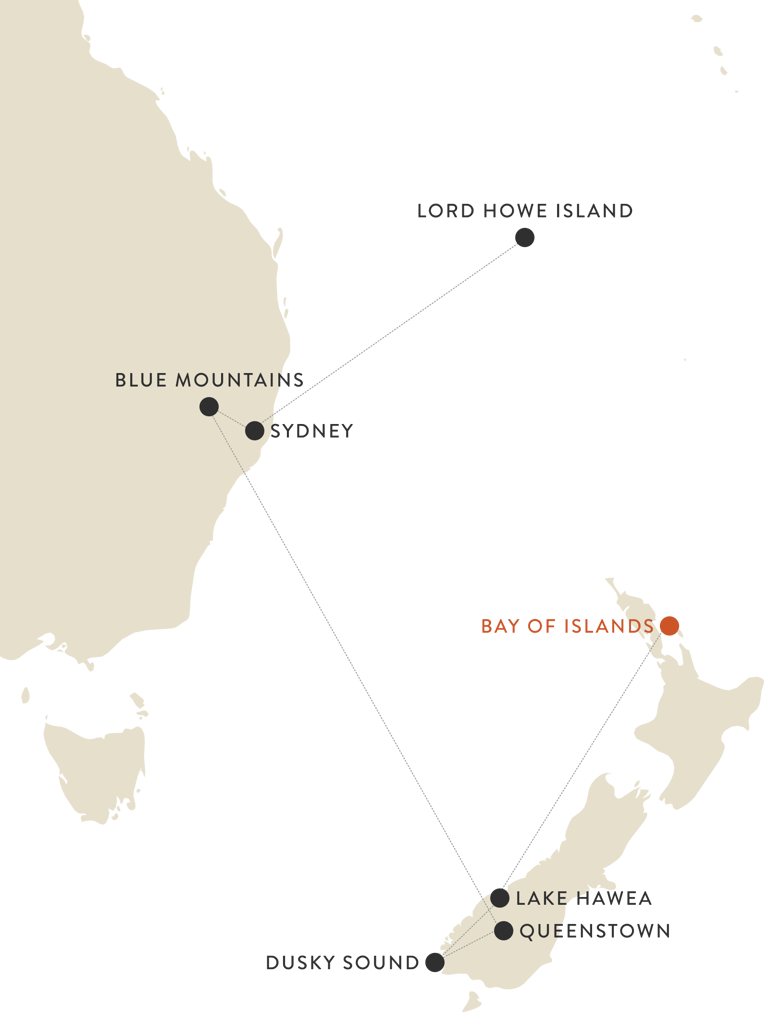
New Zealand and Australia aren’t just two of the world’s most biodiverse nations. They’re also home to an inspiring community of projects and personalities who are doing something to protect them.
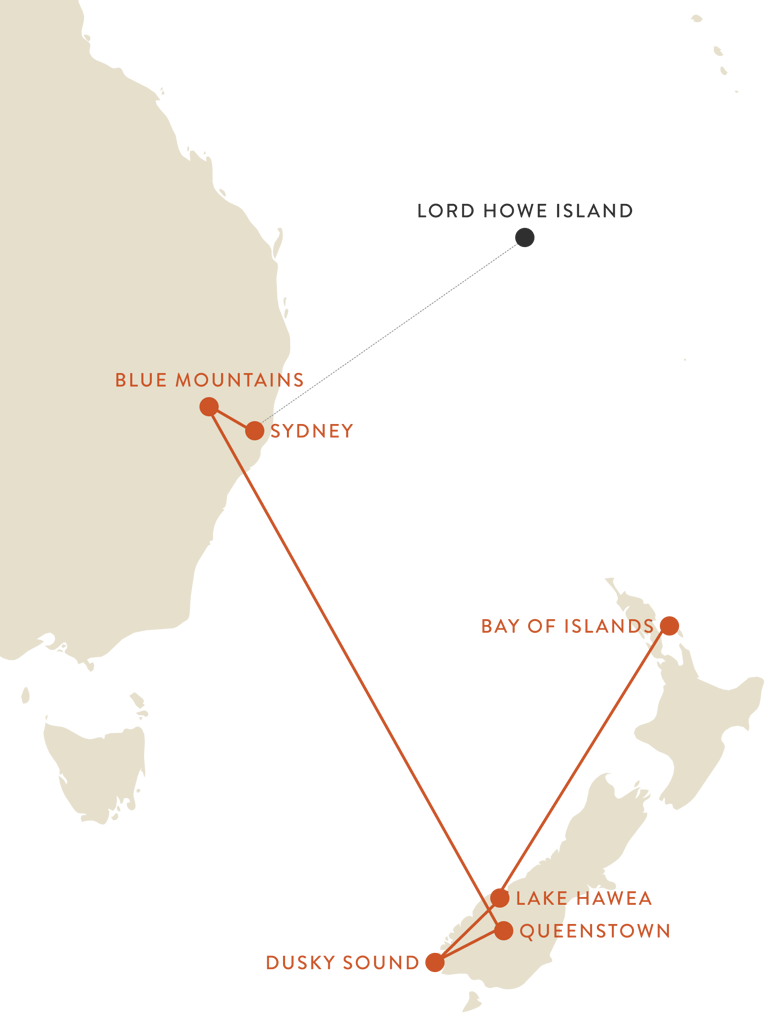
This journey is a duet, spreading its branches between both destinations. Along the way, we’ll introduce you to people who know these lands like the backs of their hands: naturalists, conservationists, farmers, brewers, herders, scientists. In short, people who aren’t just rewilding their world, but re-enchanting it.
It’s their story – and they’ll be the people telling it. From seed to soil and root to branch, this trip will show your family what trailblazing regeneration looks like from the inside.
When
Price
How long
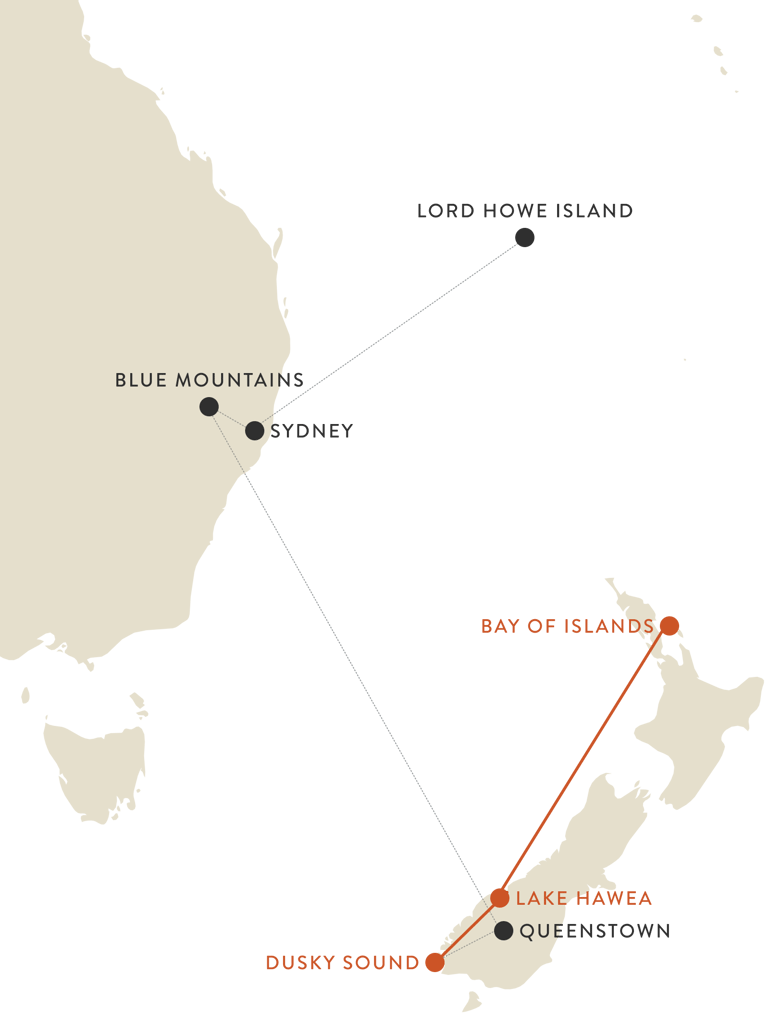
The Bay of Islands, New Zealand
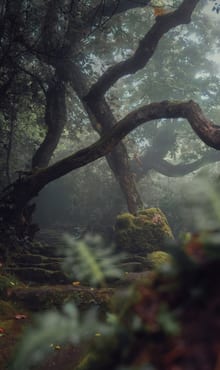
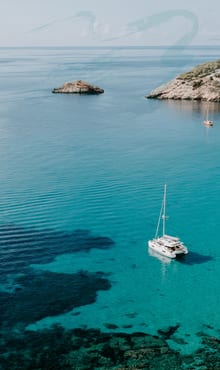
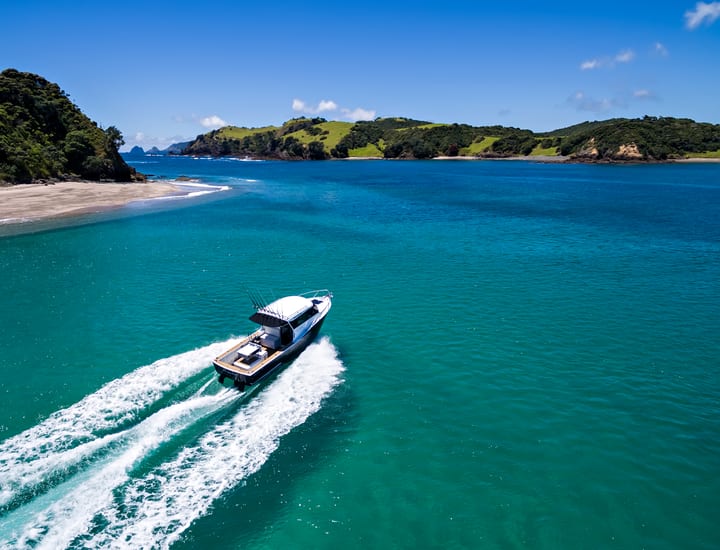
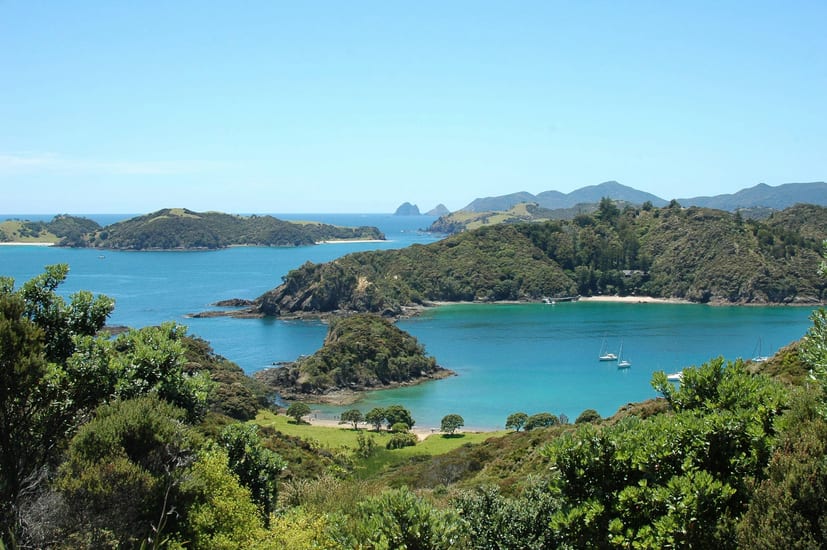
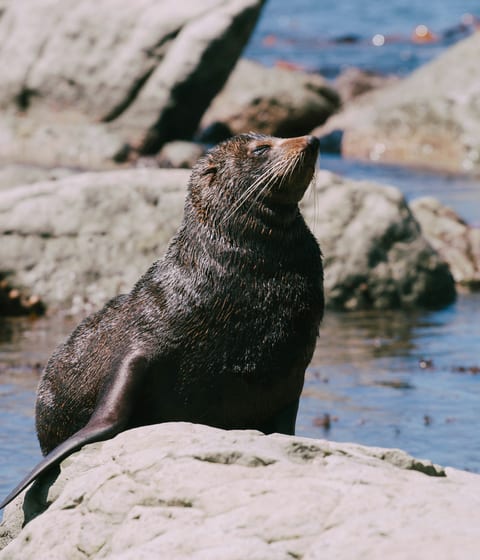
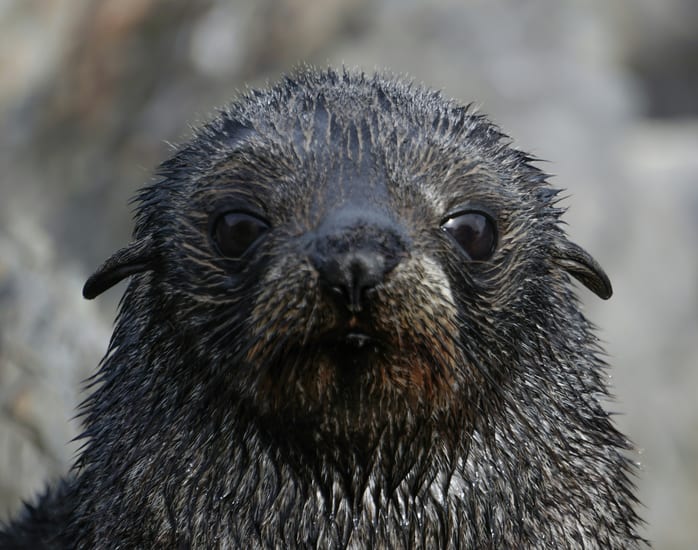
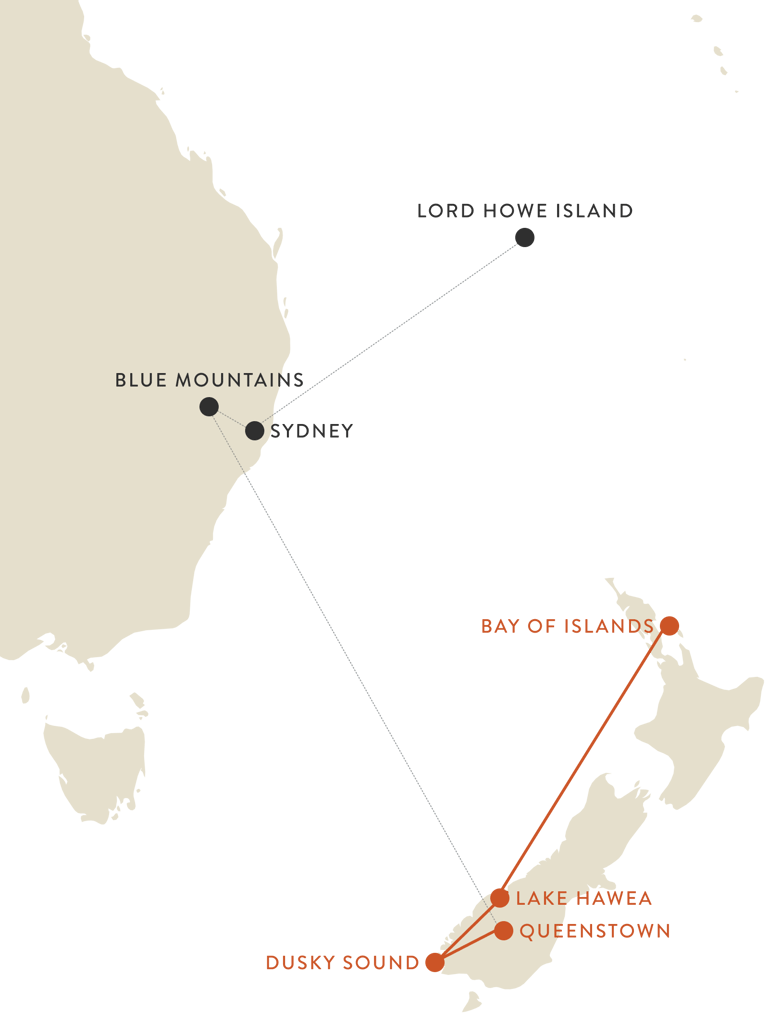
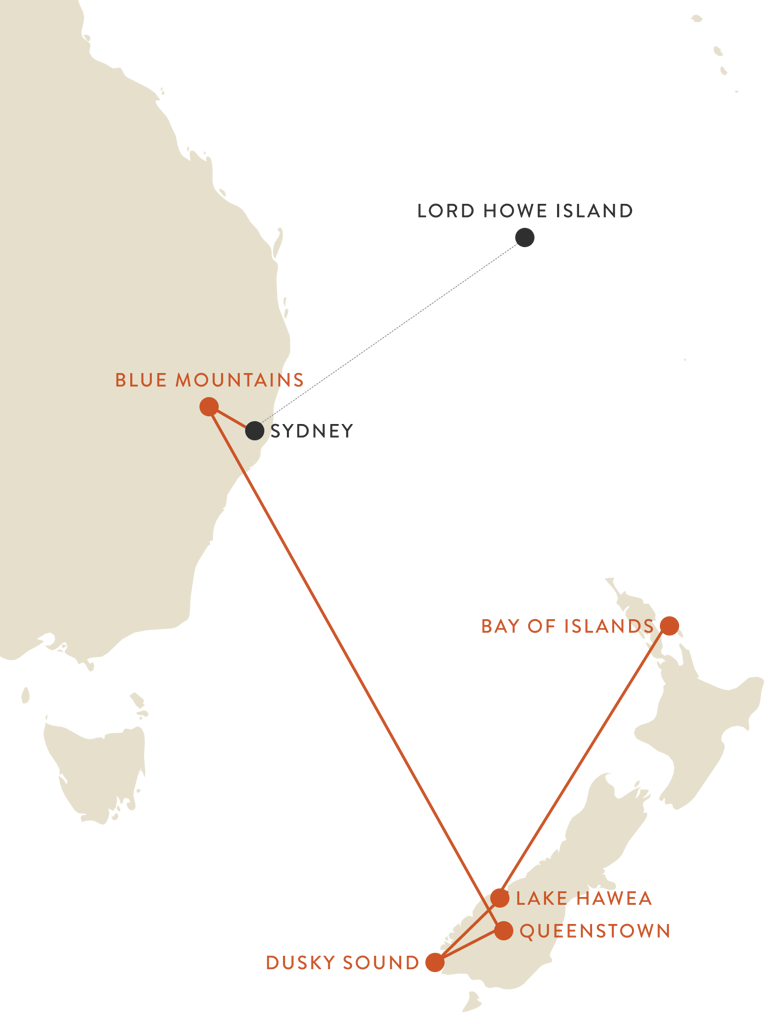
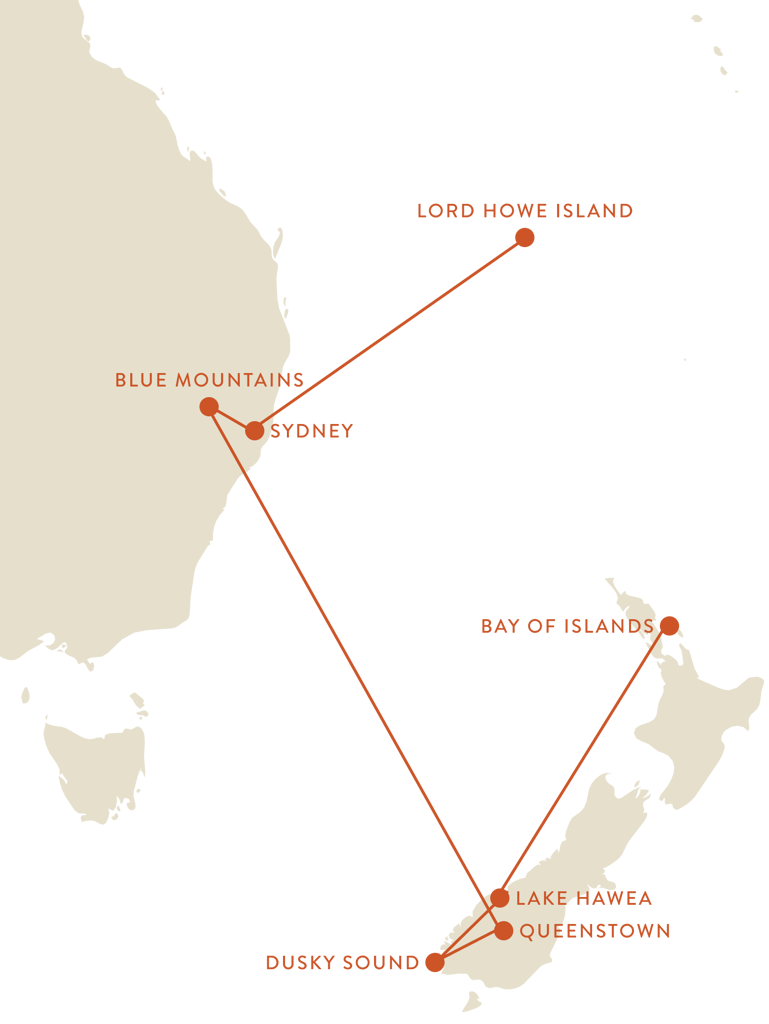
Made up of 144 islands off the coast of New Zealand’s North Island, the Bay of Islands carries real weight in the country’s story. The Treaty of Waitangi was signed here, ancient Maori pā settlements line the coastline, and seals, cormorants, shearwaters and gannets make their busy home along the shore. Inland, native forests have been patiently, lovingly rewilded. It positively teems with life.
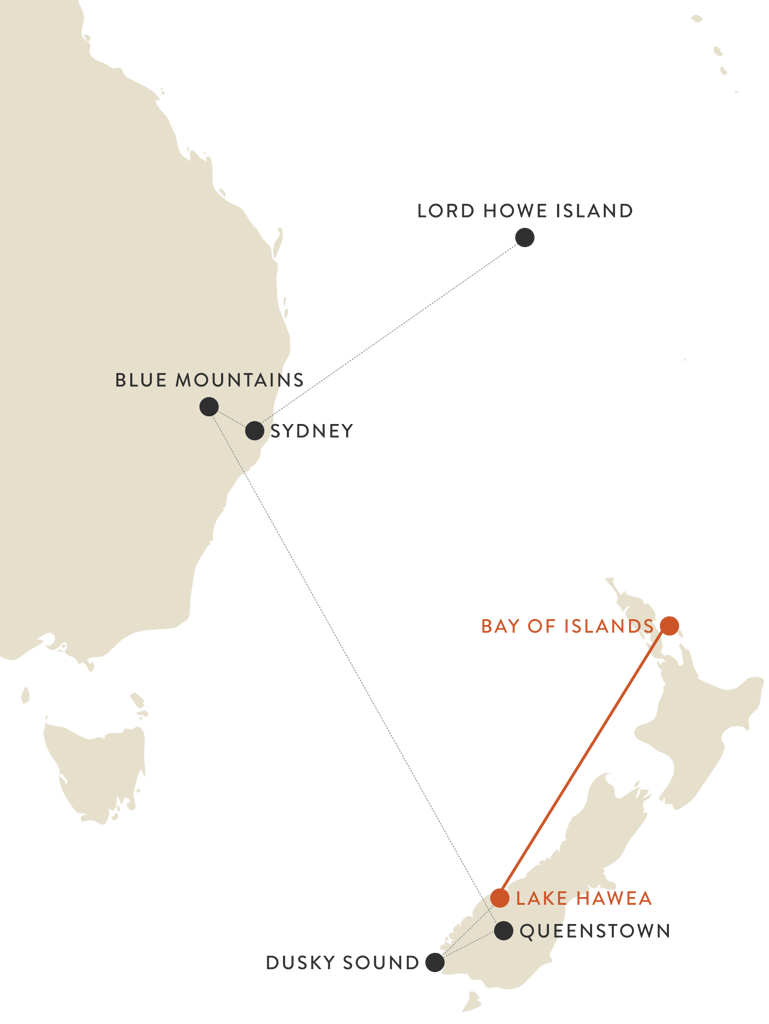
Lake Hāwea
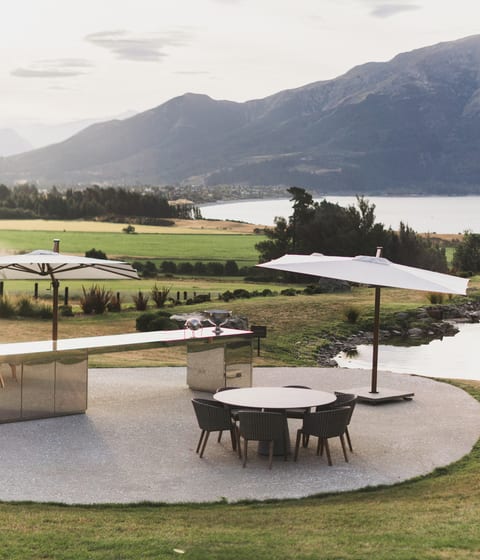
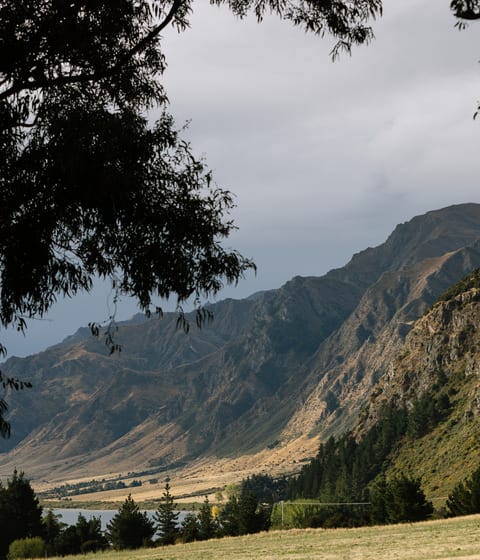
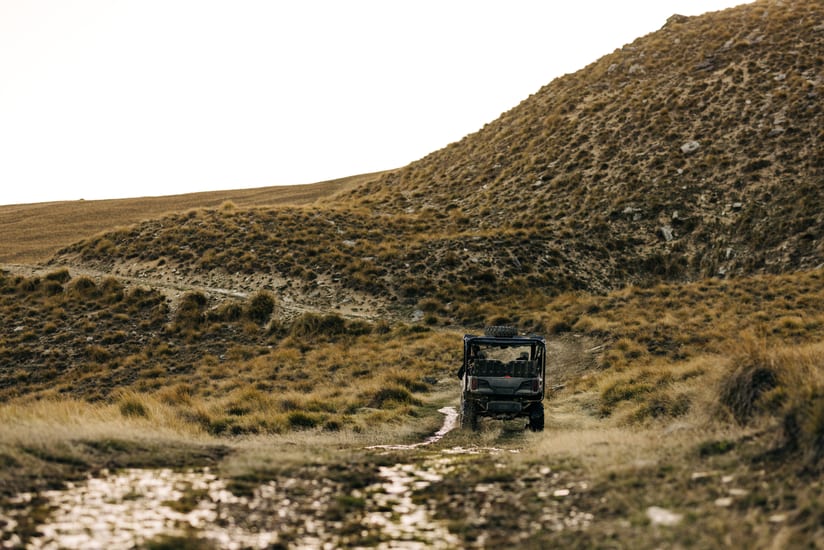
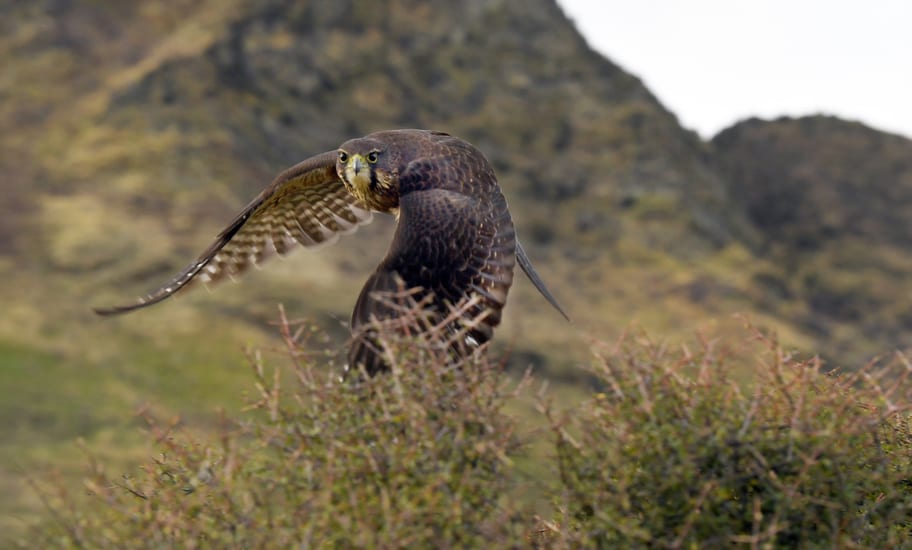
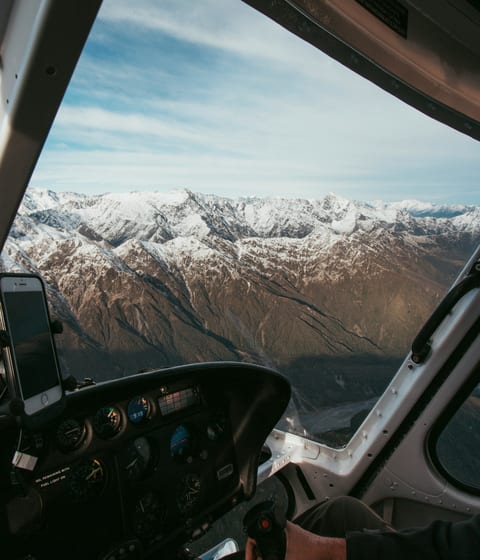
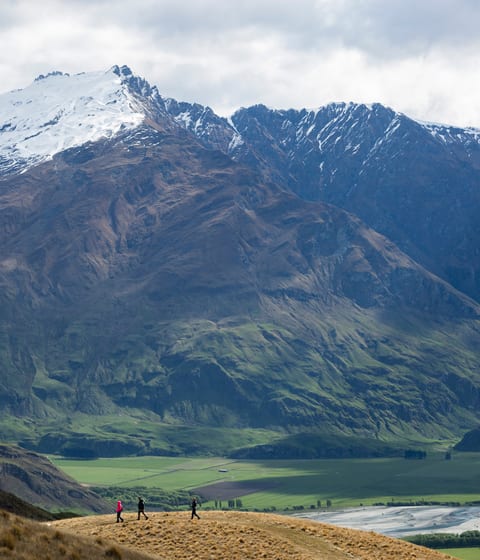
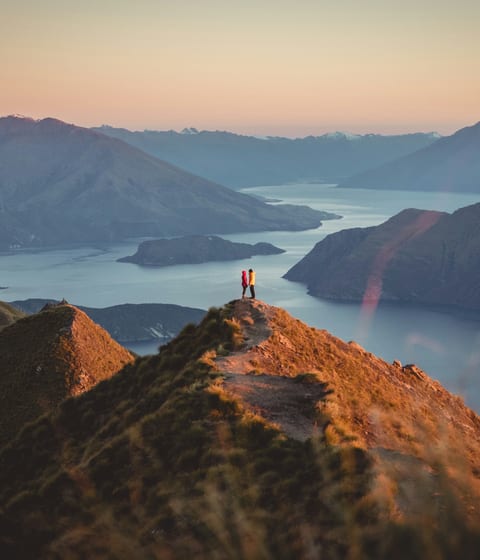
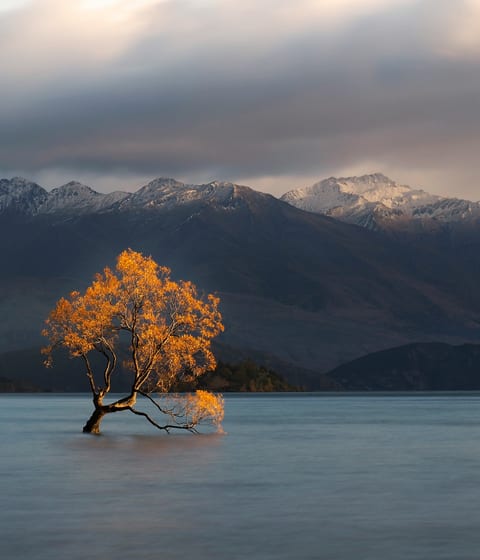
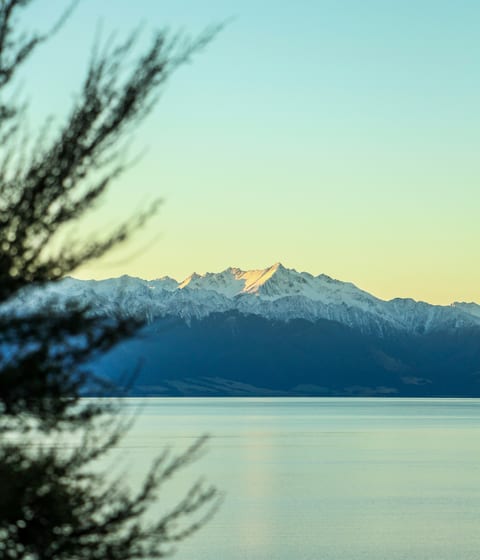
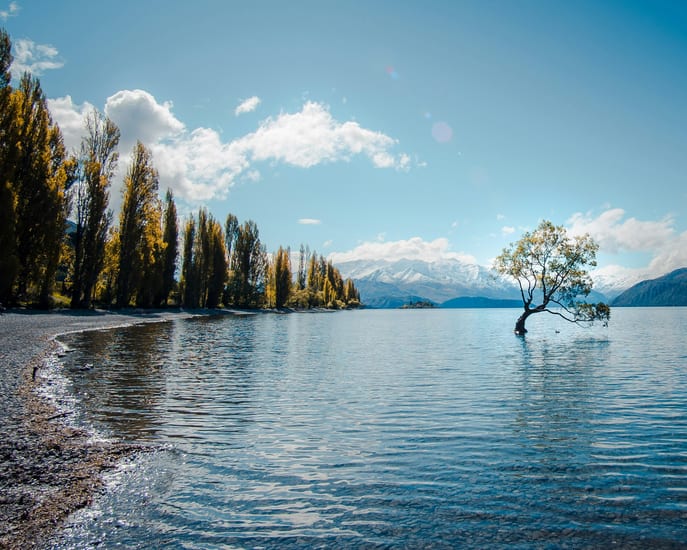
Lake Hāwea – piercing, wide and glacial – is encircled by the Southern Alps on all sides and narrowly separated from Lake Wanaka by an isthmus known as The Neck. Being so isolated, and so biodiverse, this faraway landscape is nurtured by a number of pioneering regeneration projects. It’s also home to Lake Hāwea Station: the world’s first B Corp-certified sheep and beef farm. And this is where you’ll be staying.
Dusky Sound
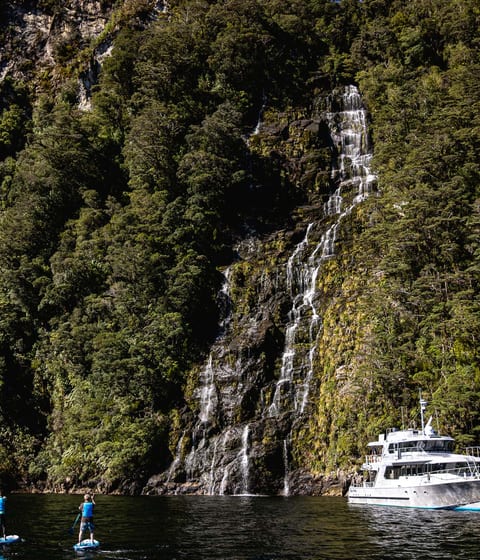
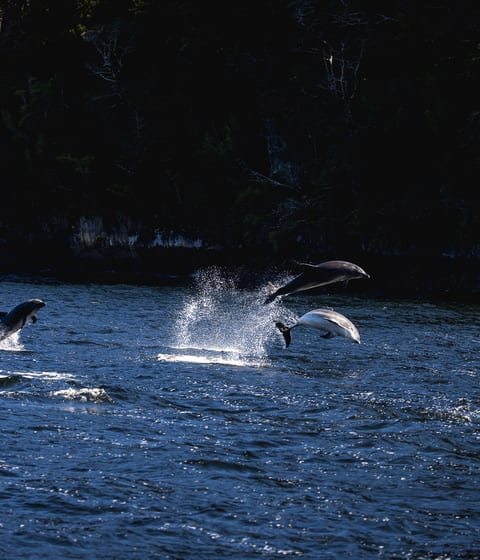
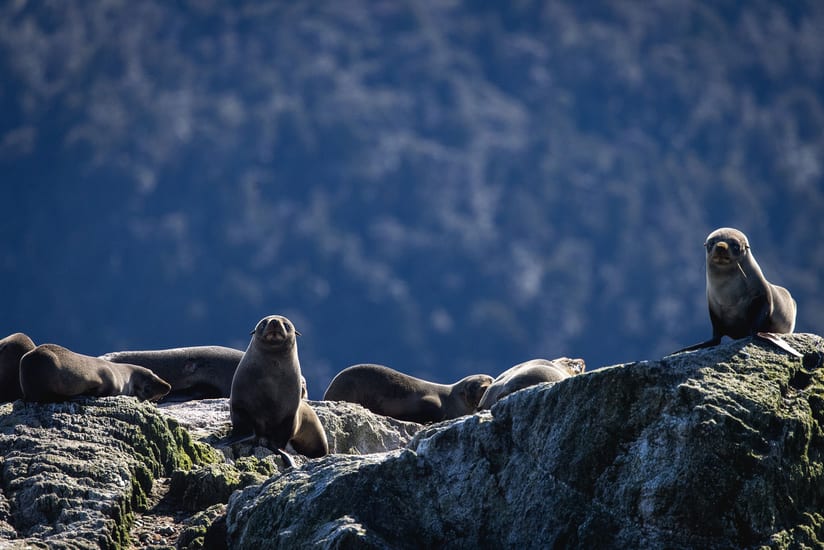
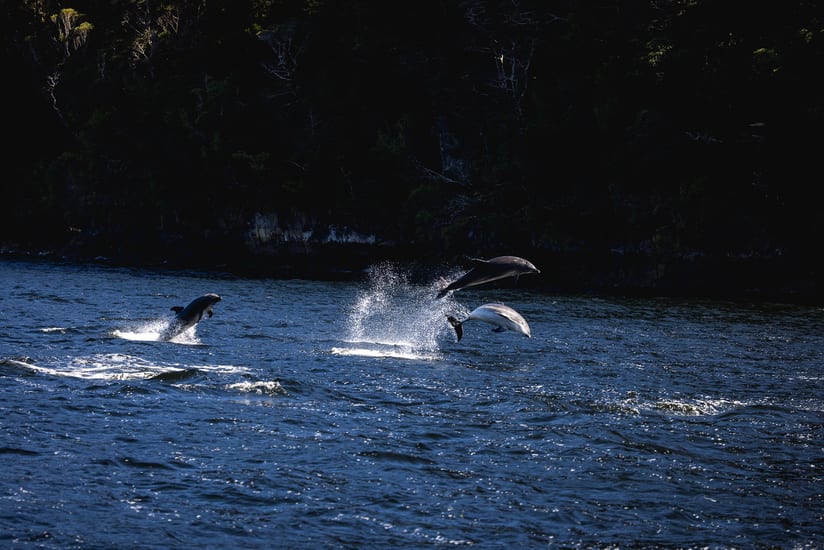
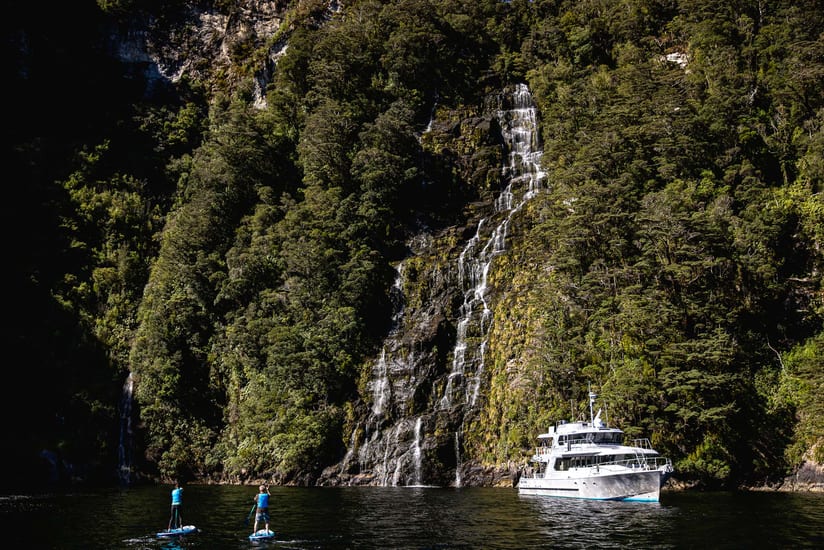
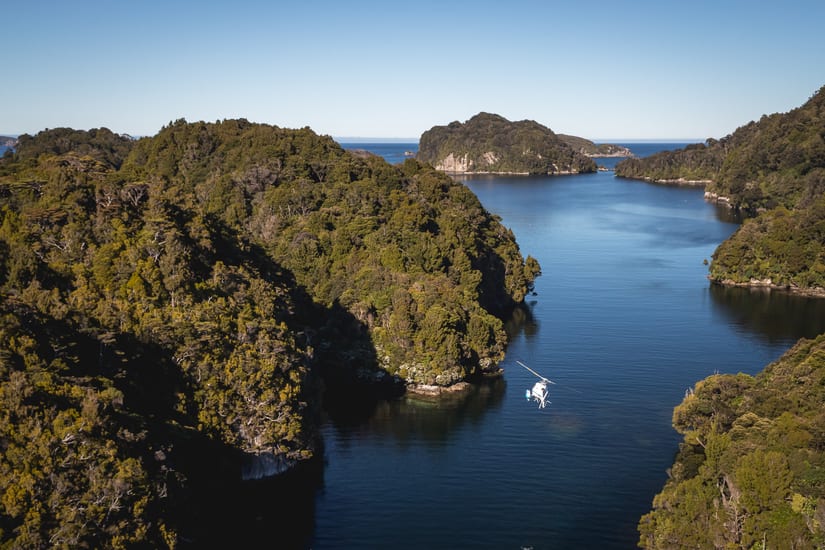
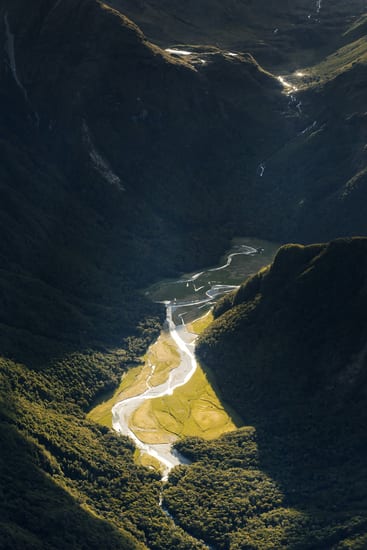
A handful of visitors per year. That’s it. In this misty, mountainous, faraway tip of Fiordland, there is only one way to arrive, and only so many opportunities to get in. Dusky Sound – with its uninhabited islands, narrow straits and plunging fjords – is the remotest of the remote. Captain Cook, who landed here in 1773, found it “high” and “dark”. It loses itself in cloud.
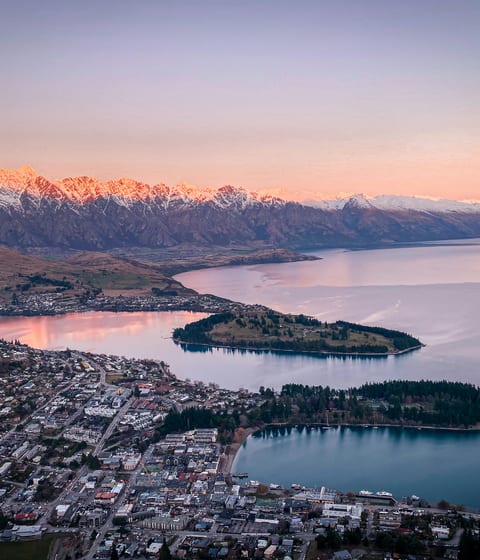
Queenstown
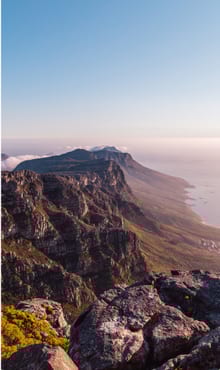
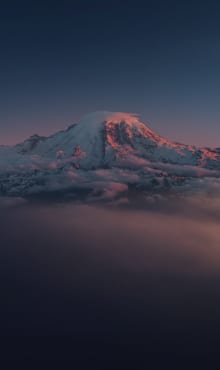
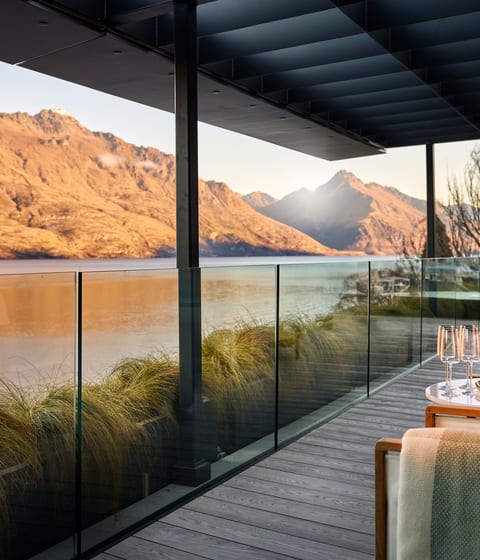
Queenstown – which lays claim to being one of the most gorgeously situated cities in the world – sits on the edge of Lake Wakatipu in the shadow of The Remarkables, a protected mountain range of fantastically colossal proportions. This also happens to be the adventure capital of New Zealand.
But you’re not quite here to throw yourself down glaciers and mountains. Rather, we’ve arranged a softer and more natural introduction into this groundbreaking eco-tourism hub.
The Blue Mountains
A change of scene. A change of place. Here, your journey jumps from New Zealand to Australia – another wilderness nation that’s taking creative control over its landscapes and ecosystems.
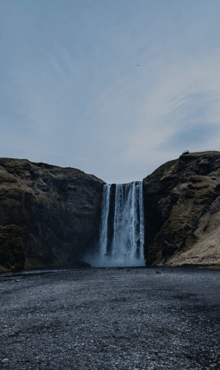
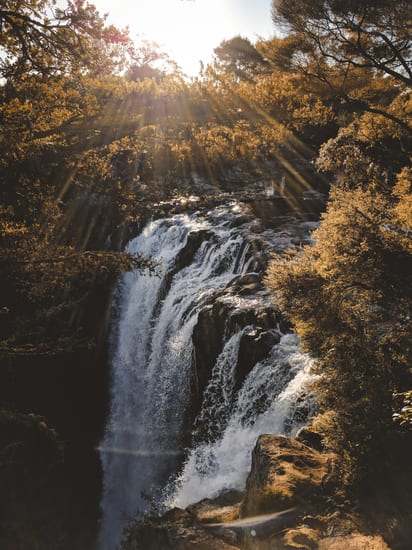
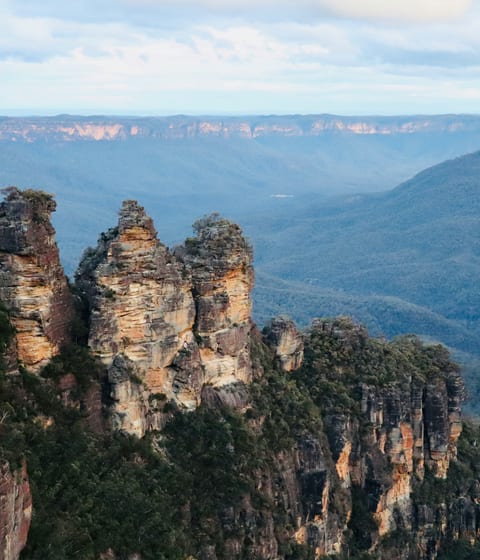
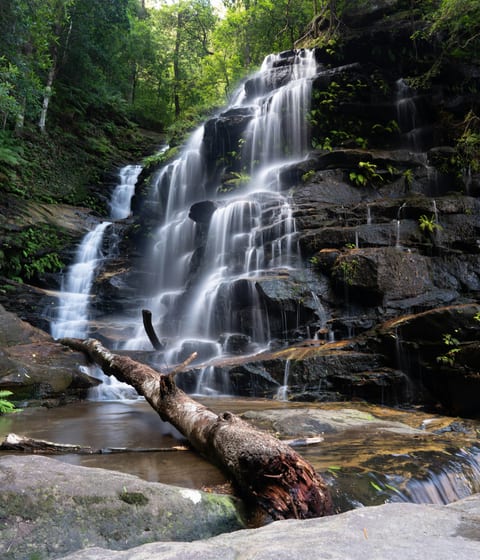
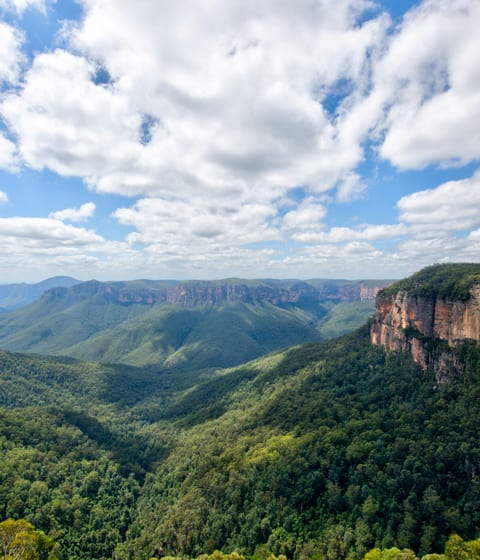
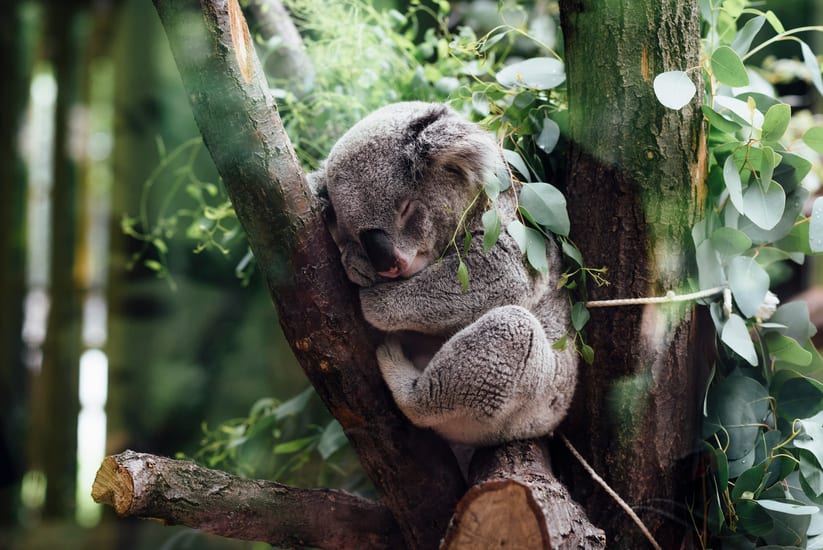
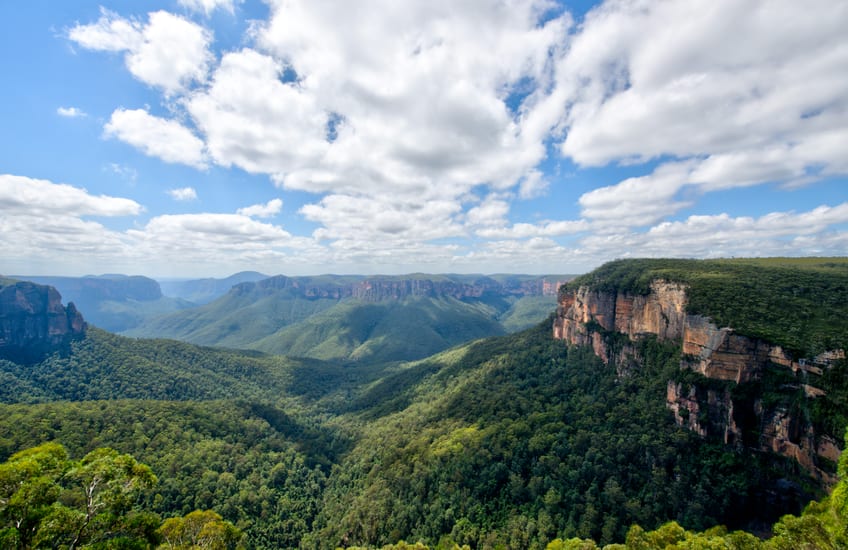
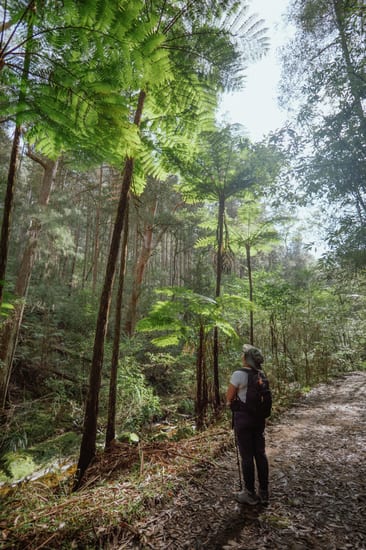
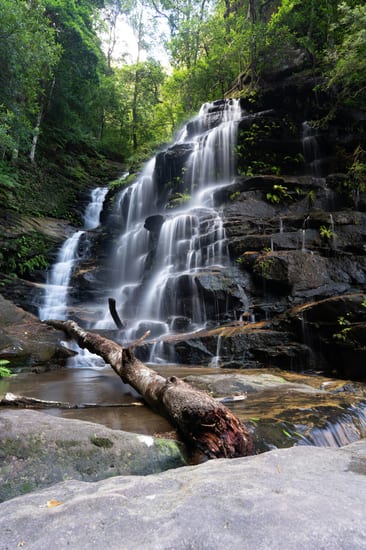
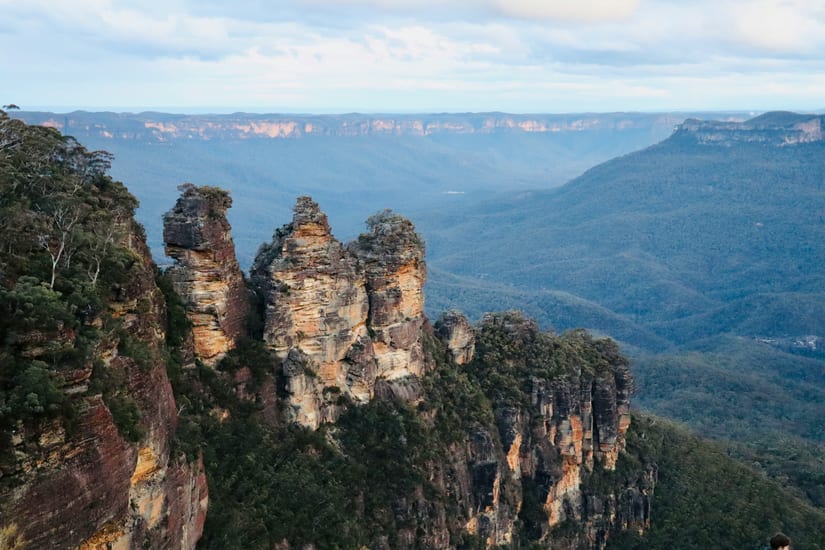
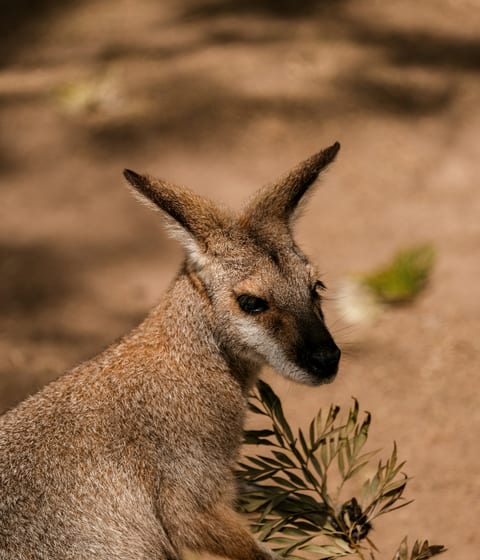
First, you’ll be entering the Blue Mountains. And they really are blue. Arrayed in their ranges beyond Sydney, this place is home to thundering waterfalls, eucalyptus gorges, and unexpectedly pretty art deco villages. It’s also where you’ll encounter some of Australia’s most significant wildlife conservation efforts, dedicated to tracking and protecting a very special creature.
Sydney
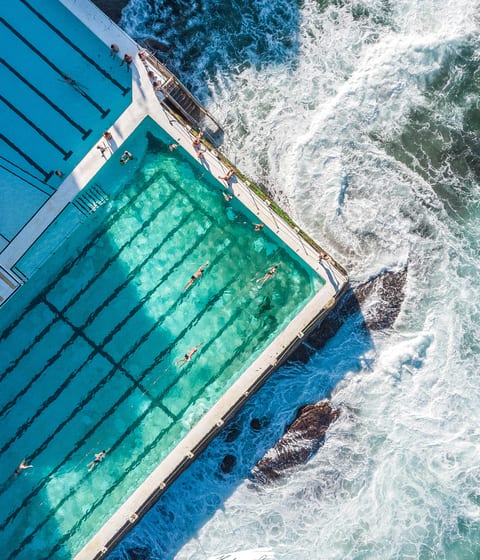
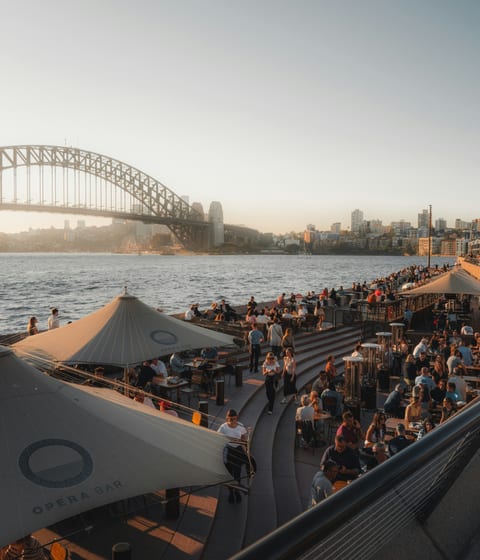
Sydney is boisterous and chilled out. It’s iconic and (very) at ease. In short, it’s a captivating contradiction. The harbor, Paddington, Bondi and Bronte, ferries threading between bays. While you won’t be here for long (you’ll see why), you will feel like you’ve made friends.
Lord Howe Island
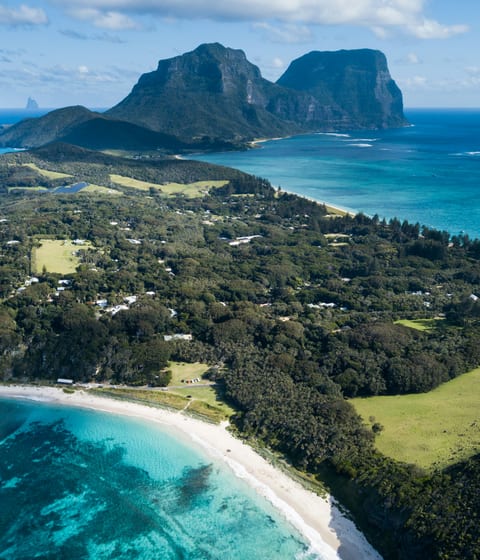
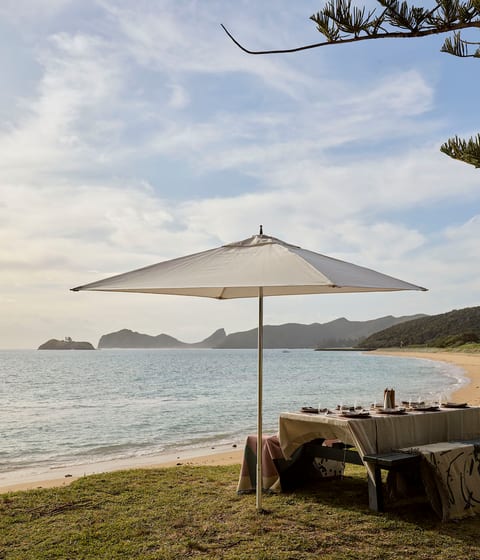
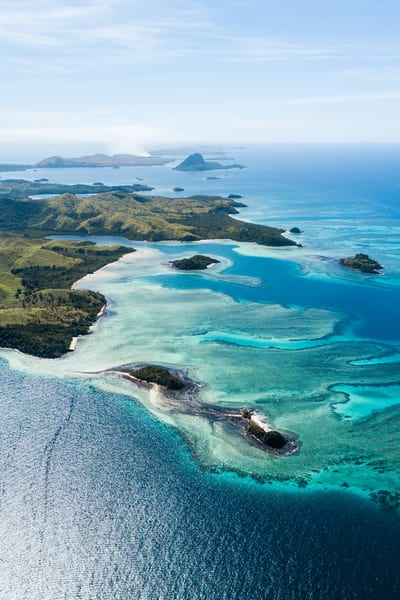
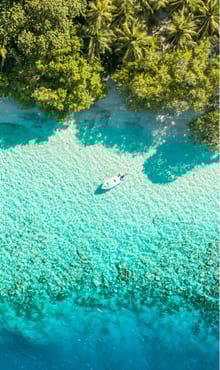
Circled by southern coral, Lord Howe Island is a World Heritage-listed ecological haven where visitor numbers are carefully capped. This is a place that’s 70% solar-powered, 85% native forest, and home to dozens of endemic plant and animal species. The most common mode of transport? The bicycle. Here, local conservation efforts are an inspiring success.