

































The Keepers Itinerary

Finding the Way

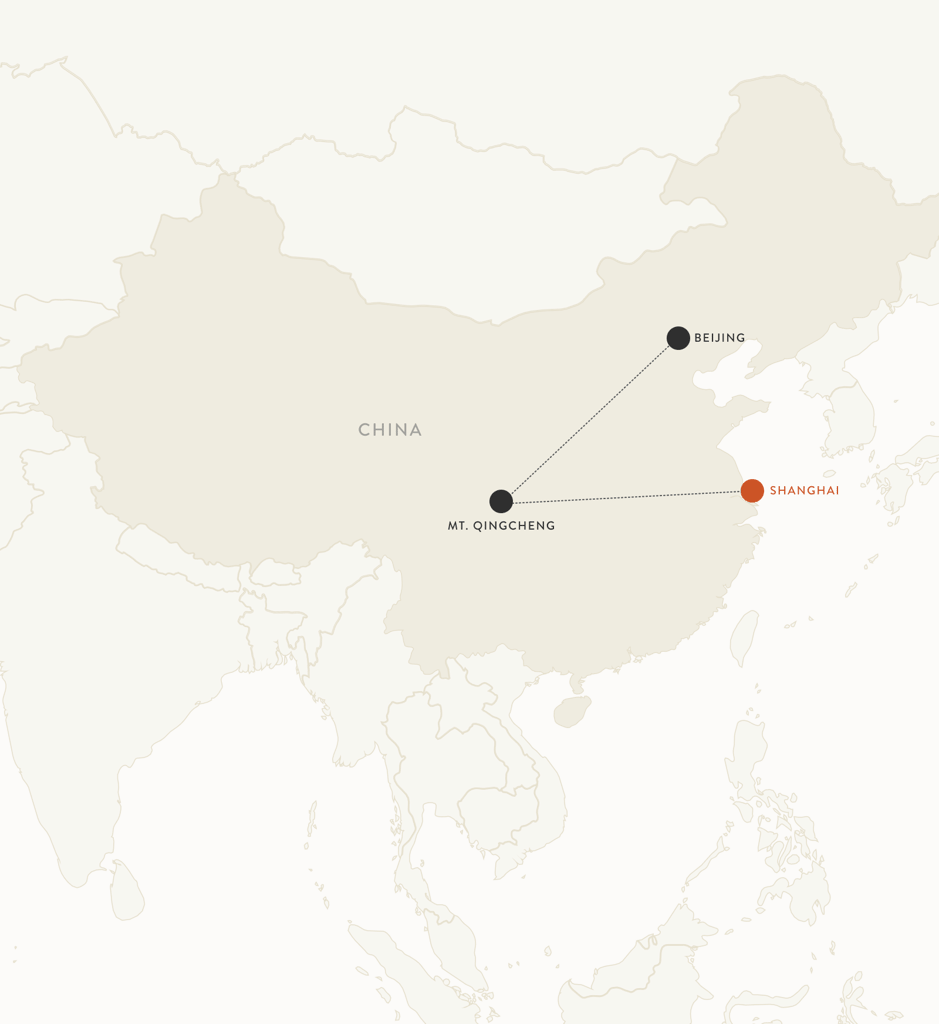
China

THE KEEPERS

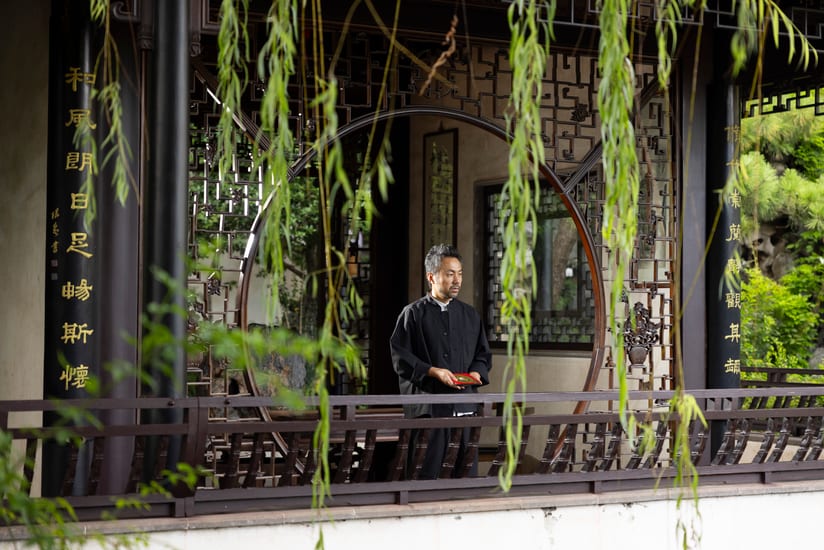
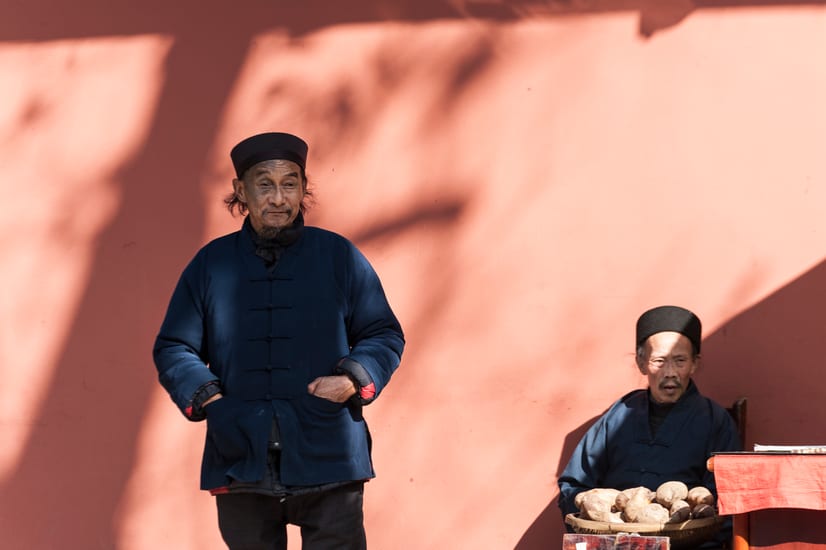
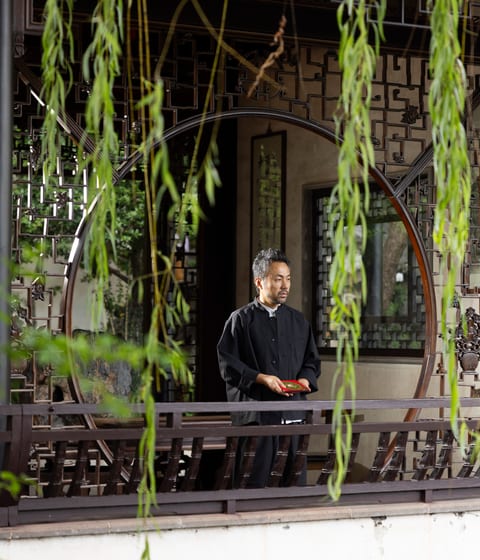
Powerful forces shape our lives, but that doesn’t mean we can’t make sense of them. For the Keepers of Daoism, the pursuit of the Tao — the Way — is a subtle yet all-encompassing art that runs through every stitch of culture, society and the lived landscapes of modern China. It’s expressed when people reflect on their relationships, plan their diets and design the layouts of their homes. Just as it’s there in the ancient architecture that surrounds them and the gardens they find peace and quiet in.

This journey immerses you in these beliefs and the practicesto make sense of them. The Keepers who’ve mastered these techniques practice a way of life that isn’t decorative or symbolic, but a real and deeply lived part of everyday life.

Physical as well as spiritual, we’ve designed this journey to begin with your life and, over the following days, to show how it’s connected to every part of the world, from the smallest of petals to the sweep of the Great Wall. The Keepers you’ll spend time with will bring understanding, context and practical insight to the order of the cosmos and the natural flows of the planet.

When

March-May & October-November

Price

From £10,385pp excl. flights
Price includes all accommodation, experiences, guiding and transfers. Based on travelling off-peak and may increase if travelling over peak season. Price excludes international flights but these can be arranged on request. See here for more information.
(based on 2 ppl sharing)

How long

9 nights
Ideal length

Shanghai

Shanghai began as a modest fishing village. After the British opened their first concession here in 1842, the city changed rapidly, growing into China’s largest metropolis and financial capital. Today, it is an intoxicating blend of old and new: tree-lined boulevards, the banking houses of the Bund, filigreed seafront mansions, and a skyline that speaks to relentless modernity. Yet money does not rule everything here. Beneath the surface, deeper spiritual currents are also at play.
Capella Hotel Shanghai
Day 1
Groundings

After landing, you’ll be greeted at your gate and escorted to Capella Shanghai, your base for your time in the city. The remainder of the day is yours to settle in and ease into the rhythm of Shanghai.

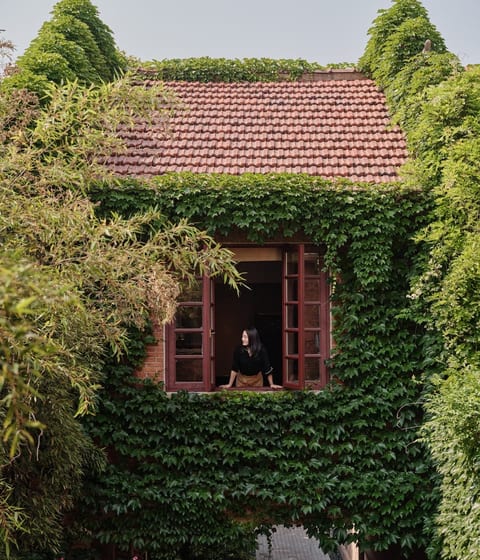
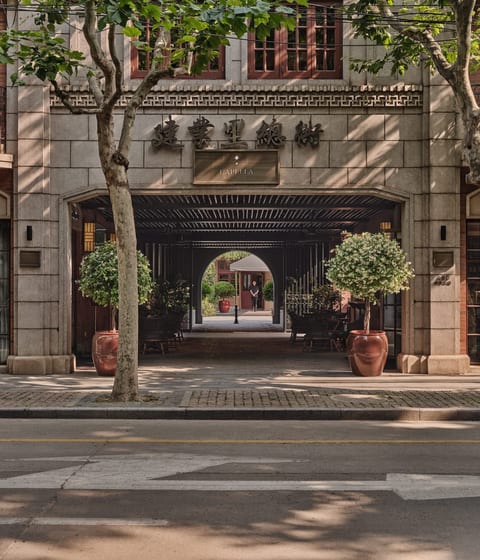
Located within the cultural preservation zone of Xuhui District, Capella Shanghai is one of the city’s last remaining examples of 1930s shikumen architecture. Its design blends Western and Shanghainese architectural styles, making it a fitting introduction to a journey rooted in the dialogue between tradition and the modern world.

Day 2
A Spiritual Orientation

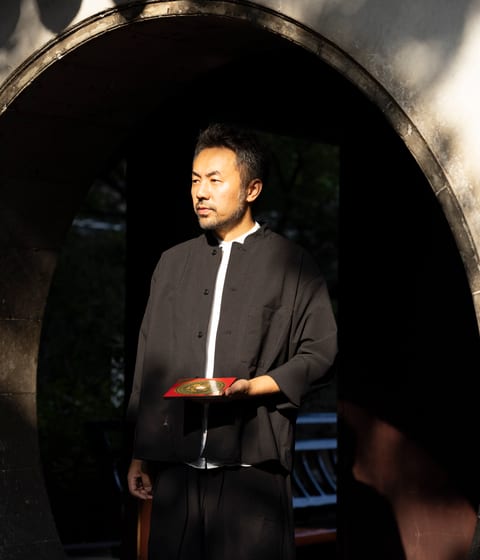
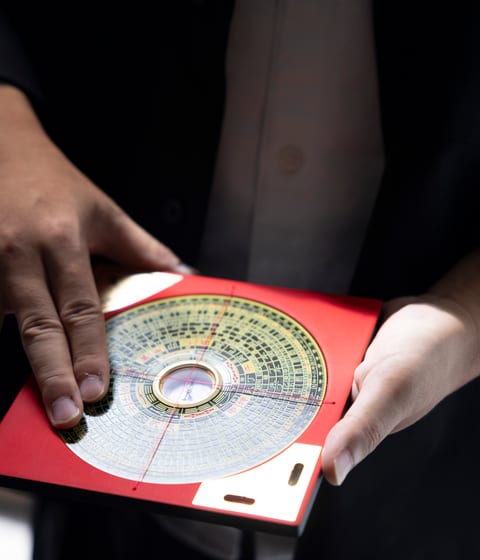
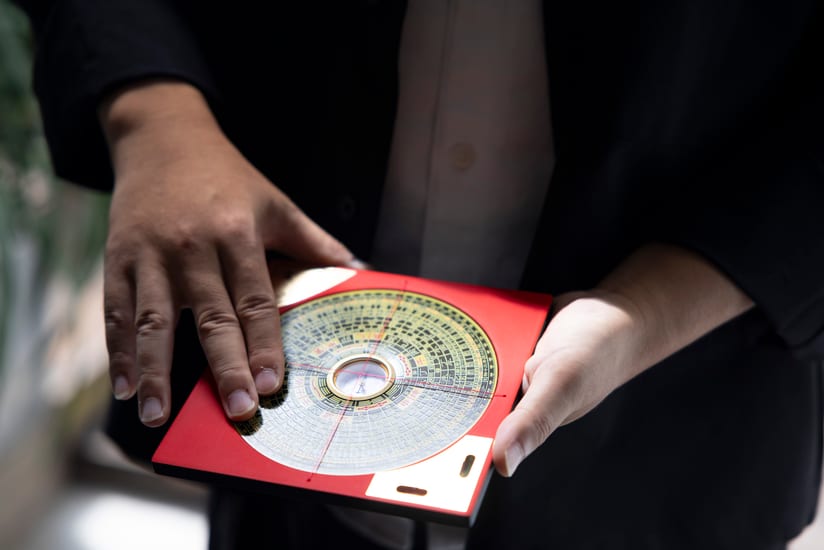
Your journey begins with a spiritual orientation and a meeting with Feng Shui master Dale, a 28th-generation inheritor of the Zheng-Yi Qimen Taoist divination lineage. Through him, you will be introduced to the ways Feng Shui applies centuries-old practices to questions of health, wealth, relationships, and home.

With Dale’s guidance, you will explore Feng Shui in a practical and personal way. During the session, he will produce and analyse your own bazi, a reading that maps internal energy and offers insight not only for the journey ahead, but for life beyond it.

Day 2 Continued

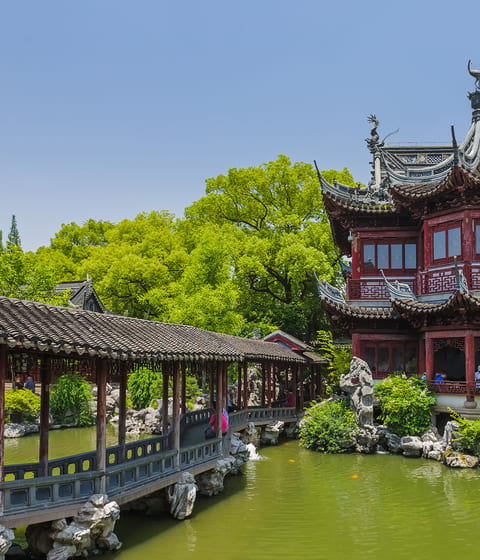
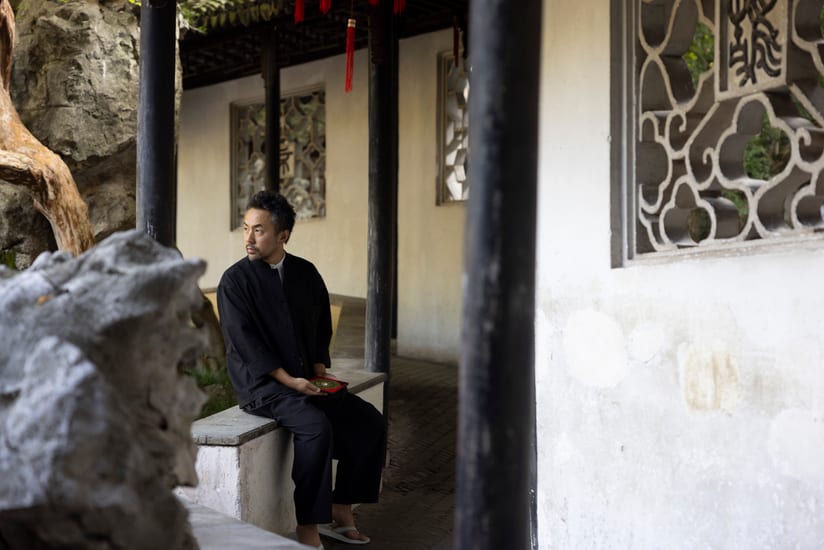
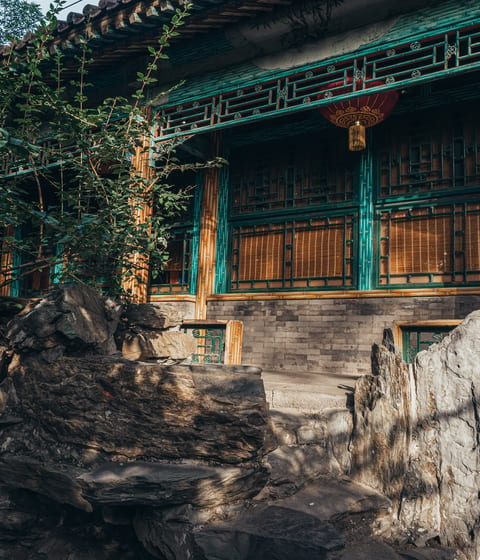
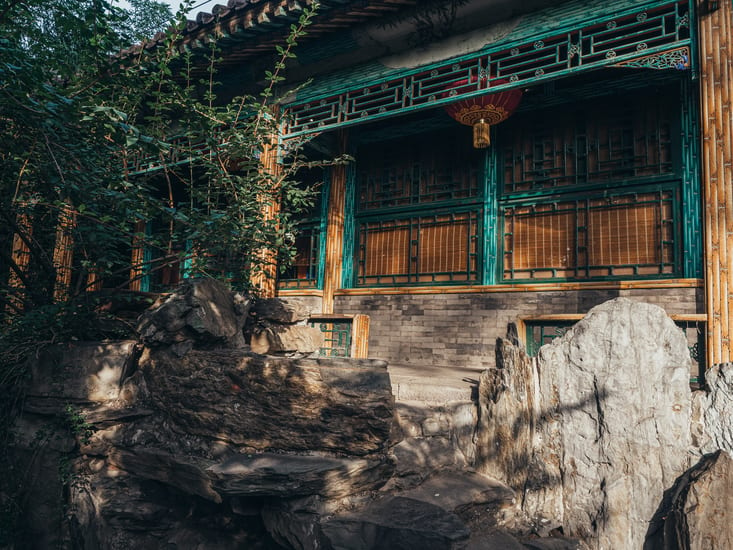
In the afternoon, you will visit Yuyuan Garden. Built in what is now downtown Shanghai during the Ming Dynasty, its elegant grounds are arranged with rocks, trees, bridges, and pavilions. Calm, cultivated, and carefully composed, the garden was designed according to exacting Feng Shui principles.

Day 3
Mind & Body

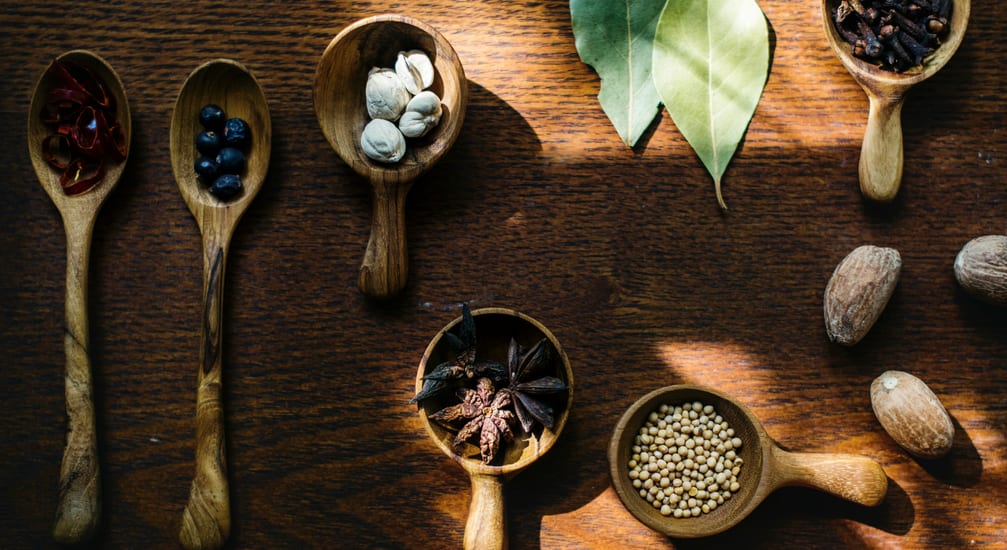
Your morning begins in a studio set within a century-old Shanghai neighbourhood, where you will spend time with Traditional Chinese Medicine specialist Zoey Xinyi Gong. The session explores how Chinese approaches to eating shift with the seasons, with ingredients chosen in response to heat, cold, and humidity. After gathering fresh herbs from the garden behind the studio, you will prepare seasonal dishes under Zoey’s hands-on guidance, then sit down to taste what you have made.

Family spotlight: By cooking and learning together, families will learn how Daoism influences even the most “ordinary” and everyday routines.

Day 3 continued

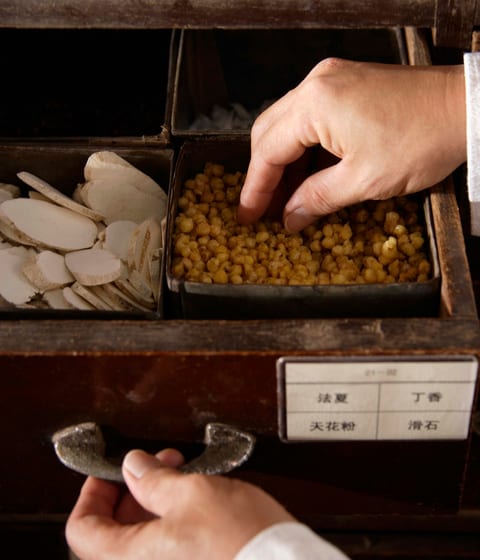
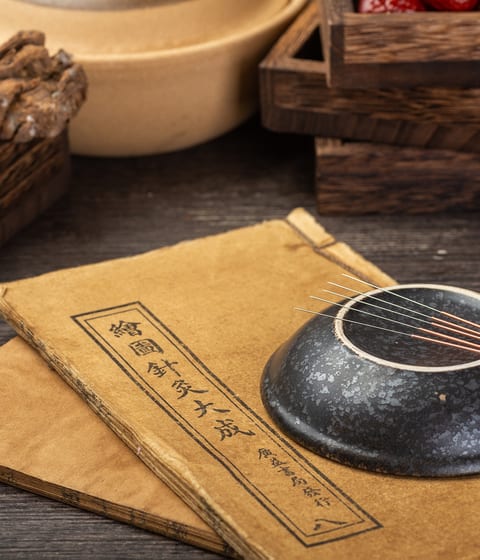
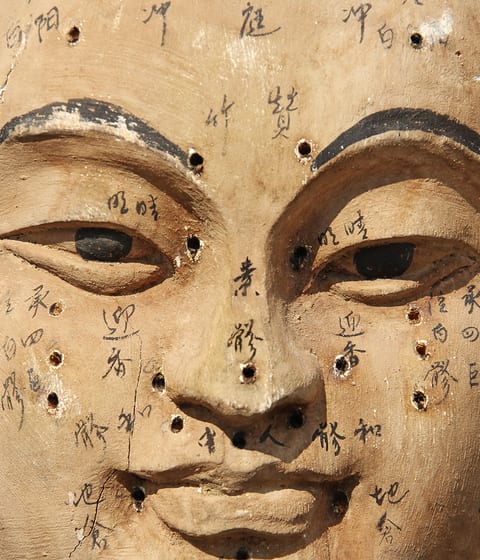
In the afternoon, you will join Dr. Evan Pinto, a specialist in acupuncture and Traditional Chinese Medicine, for a deeper look at the Daoist theories that shape his practice, from Yin Yang to the Five Elements.

The session focuses on how practitioners identify patterns of disharmony, and closes with calming techniques for daily life and hands-on ear energetic therapy.

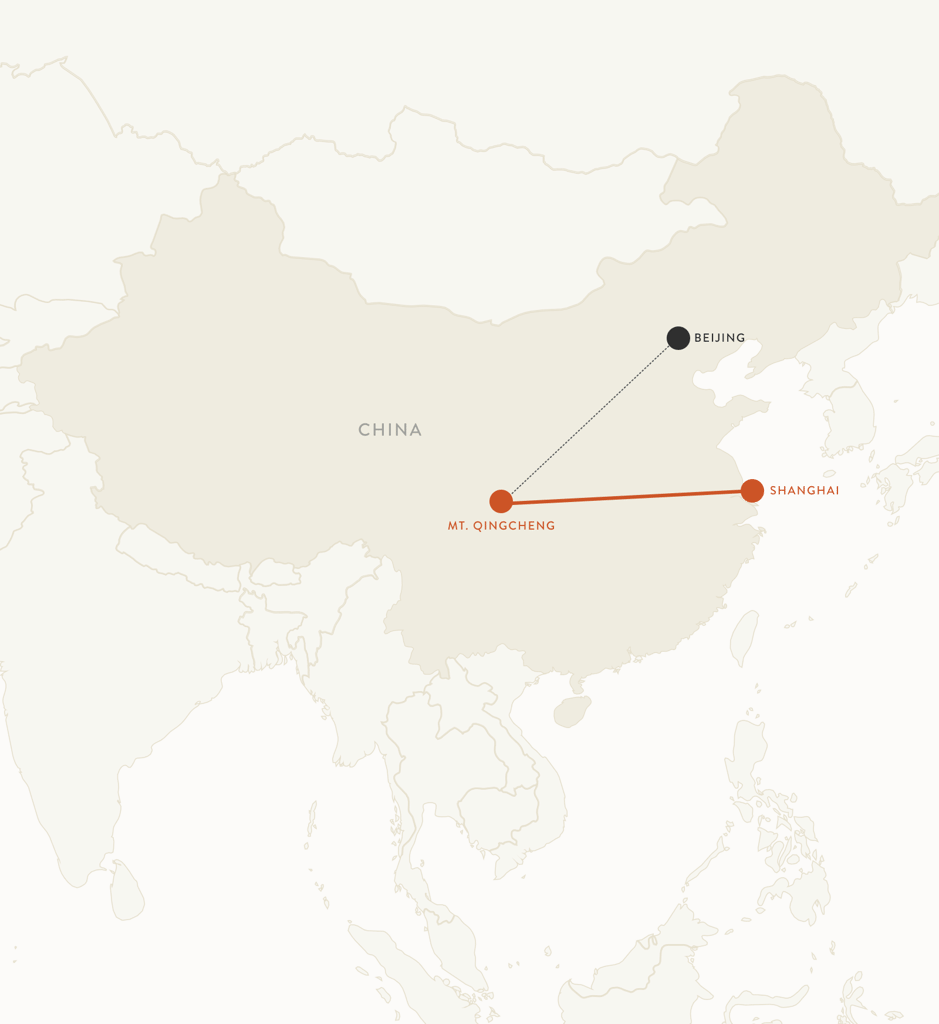
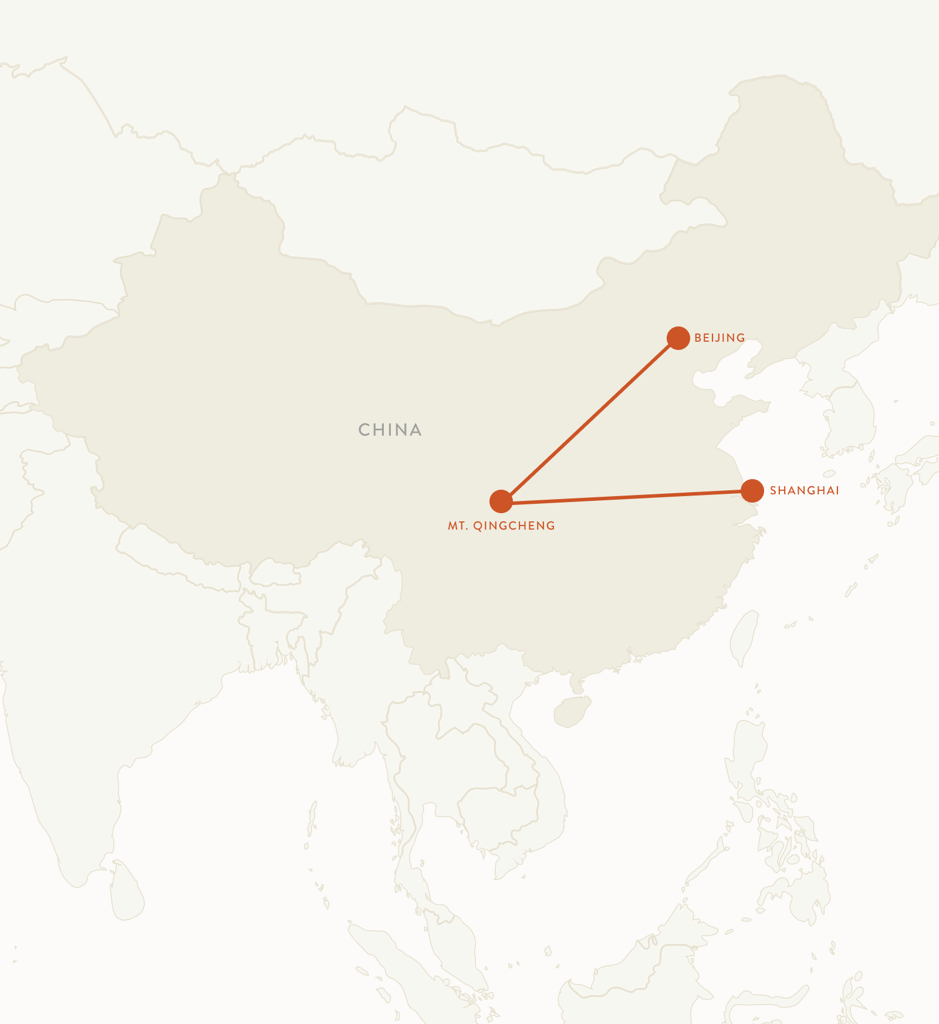
Mt. Qingcheng
Day 4

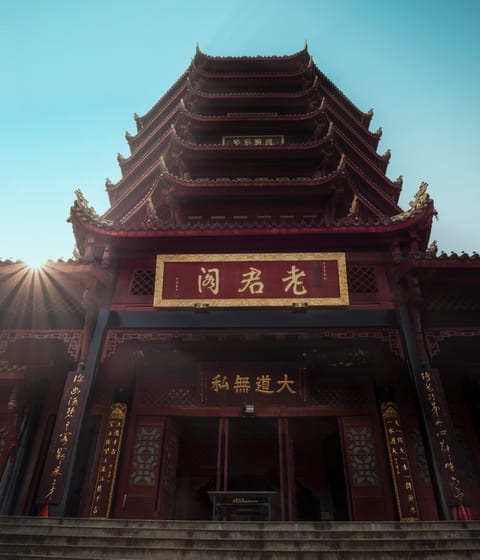
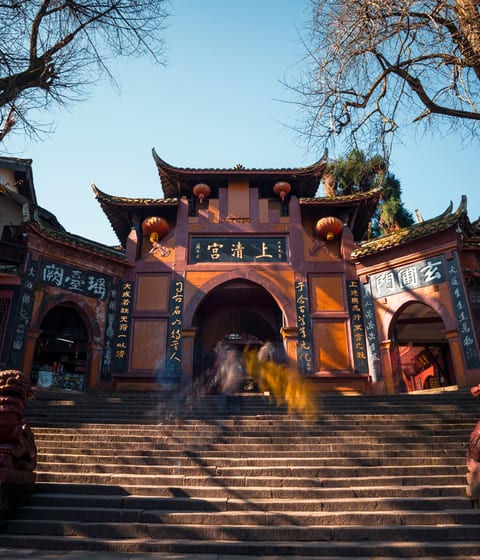
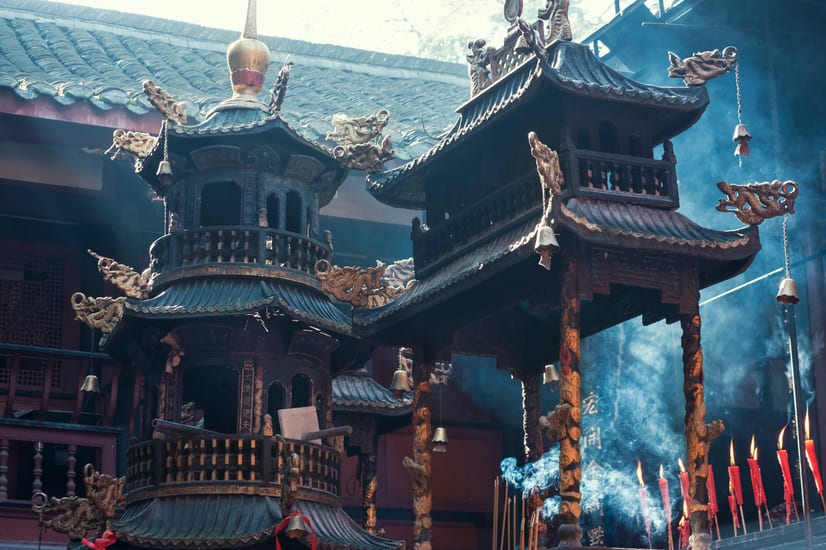
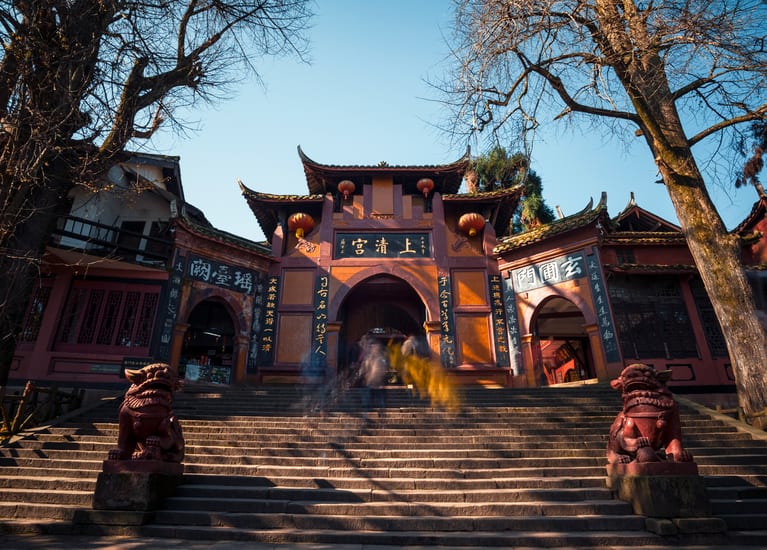
After an early start, you will fly from Shanghai to Chengdu. Your first stop is Qingyang Palace, where Laozi, the founding figure of Daoism, is said to have revealed himself. Hidden throughout the grounds, among trees, gardens and open courtyards, are small idols dedicated to different Daoist deities. Finding them itself becomes an introduction to both the temple and Daoist thought, which you’ll discover are intimately entangled. From there, you’ll continue to Mt. Qingcheng and your check in at Six Senses.
Day 5
The Quiet Trails of Qingcheng Mountain

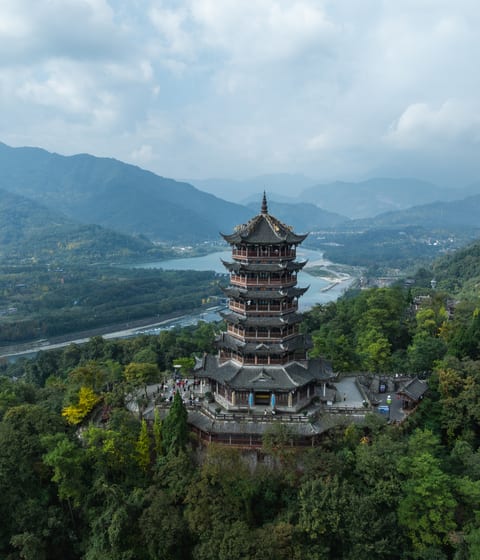
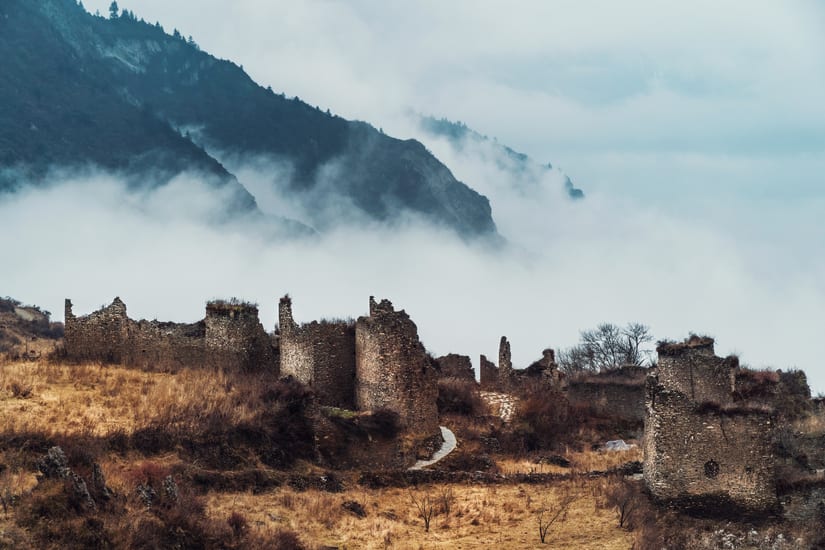
Daoism didn’t emerge from texts and temples alone. It took root in mountains like this one. These slopes have shaped spiritual practice for centuries, not as a place of study but of lived experience, where practitioners came to move through a landscape that’s alive with Qi, the vital energy believed to flow through all things. The mountains, in this light, is the magnet that draws it in.

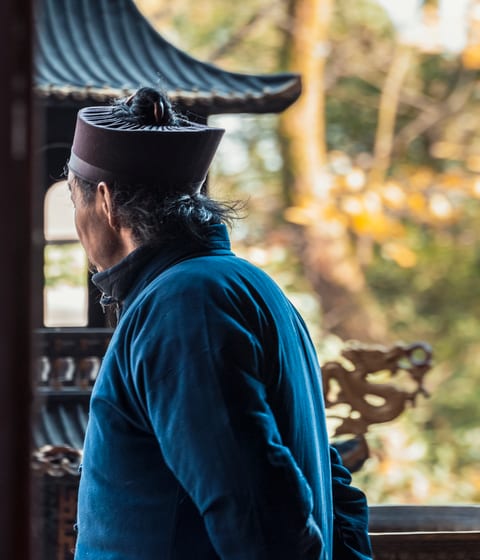
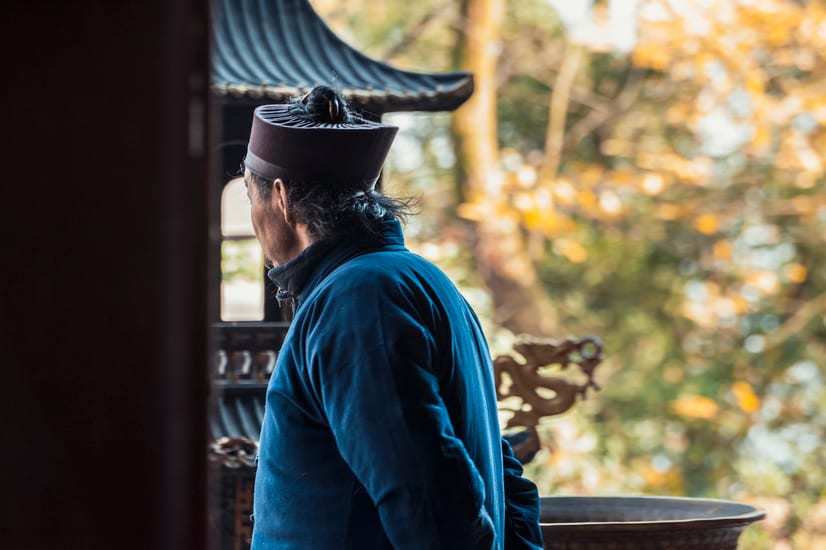
Hiking alongside a Daoist master, you’ll understand why. Aligning breath, movement and spatial awareness as you walk, his account of how these mountains have long been used for self-cultivation gives vivid practical context to what you feel underfoot. Together, they offer a deeper perspective on the relationship between body, nature and the Tao.

Day 5 Continued

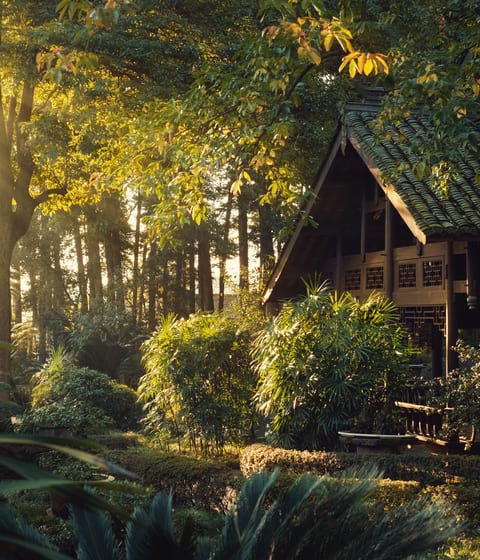
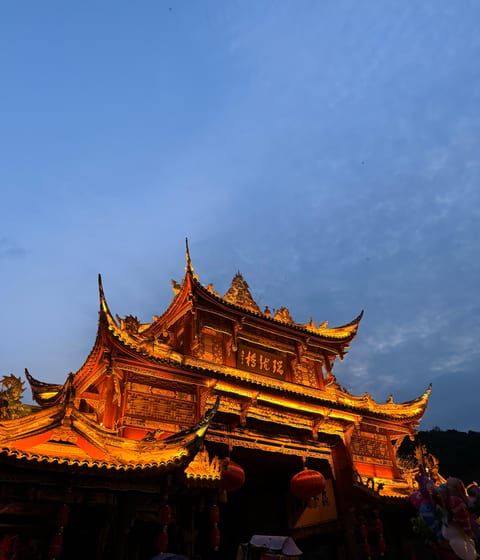
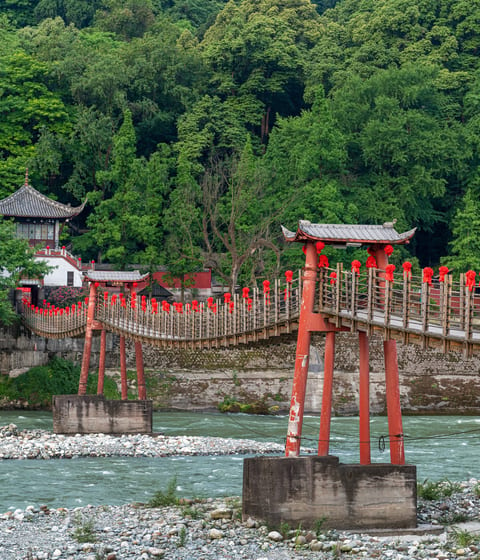
In the afternoon, you’ll spend time in Jiezi Old Town. Situated at the foot of Fengqi Mountain and embraced by the Wei River, its layout follows the classic feng shui ideal of “backed by mountains, facing water” – a configuration believed to gather and nurture Qi. The town’s winding streets and waterways reflect the Daoist principle of following nature’s way. Here, you’ll visit Shangyuan and Tianguan temples, where tall pagodas and towering ginko trees reflect the convergence of cosmic order, natural forces and human will.

Day 6
The Harmony of Heaven

What connects the human body with a flowing river, and with a dam that shapes its flow? In Daoism, the answer is straightforward. In fact, the answer is the same. Dujiangyan Dam, like the waterways of Jiezi and the flowerbeds of Yuyuan, was planned according to Feng Shui principles. Perhaps that’s why this ancient waterwork, which was built in 256 BC, has stood the test of time. Standing in its shadow, you’ll see the principles that Dale introduced you to scaled up to a monumental proportion.

Day 6 continued

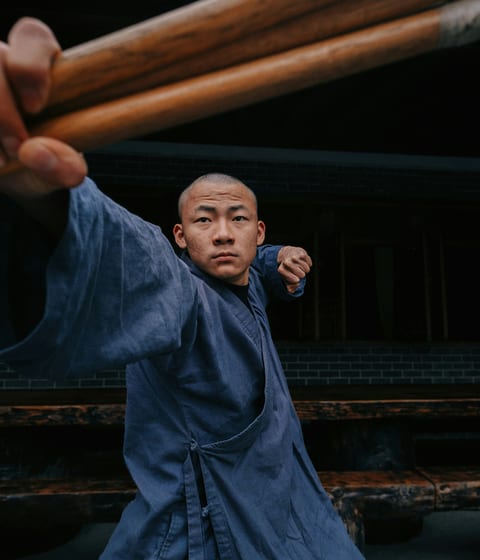
Leaving the dam behind, you’ll spend your afternoon dealing with a slightly different kind of flow, where Master Wang Yao, a 37th-generation inheritor of Qingcheng martial arts, will guide you through foundational techniques of a centuries-old Daoist discipline where control, balance, and intention matter as much as physical strength, where each flowing sequence balances yin and yang, – softness and strength, stillness and motion. Taken together, it offers a rare insight into a tradition that has been passed from master to disciple across generations.

Beijing

If Feng Shui can help us plan the arrangement of our homes, what about one of the largest cities in the world? Centred on a sacred north-south axis, this ancient imperial metropolis flows with the forces of Qi. This is Feng Shui at a colossal, lived-in scale. Over the next few days, you’ll dive further into the harmonies of the cosmos, between the water-facing sanctum of the Forbidden City to the “good fortune” (Fu) that shapes Prince Gong’s legendary mansion.
Day 7
The Temple of Earth

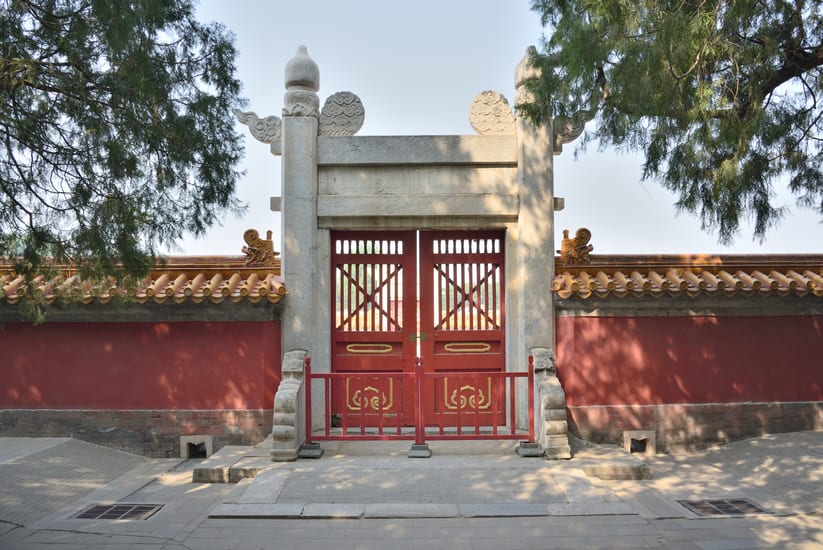
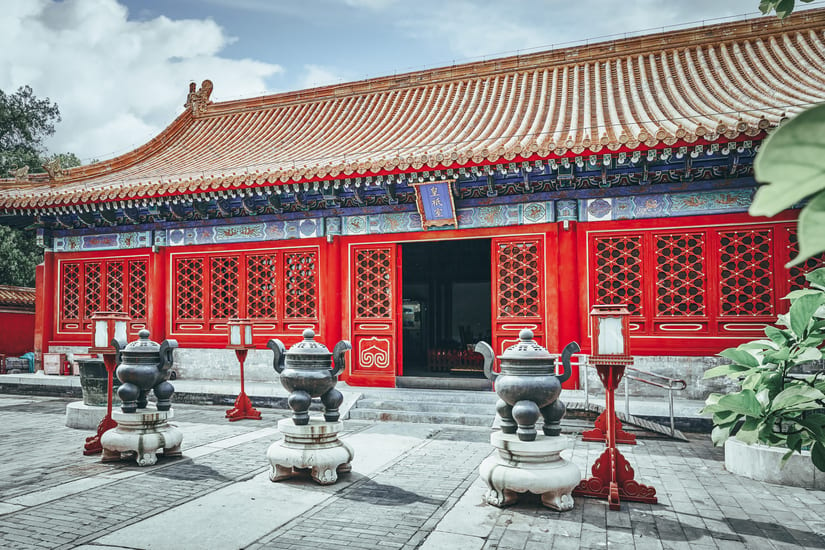
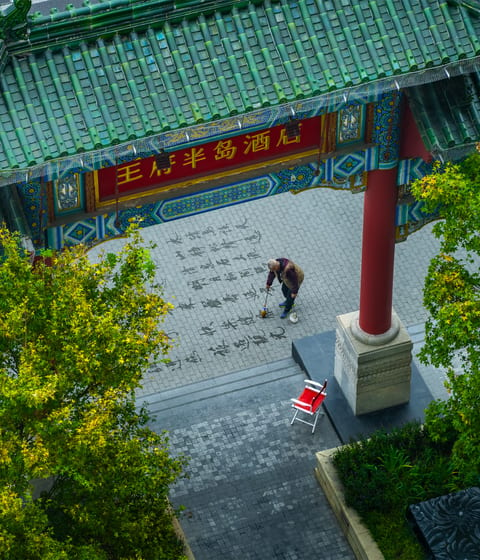
Feng Shui isn’t an abstract philosophy. It’s an often-rigorous system for reading and shaping the world around us. Chinese architects have, through history, used its principles to build a world that doesn’t rub against the grain of the world, but flows in harmony with it. Beijing’s Temple of Earth is a masterful expression of this belief, oriented around the cosmic principle of “Heaven in the South, Earth in the North”. But it’s also more than this, because every paving stone, coloured tile, altar and window follow similar structures of knowledge. Here, everything is cosmic – and everything follows the Way.

You’ll arrive by morning flight from Chengdu, checking into the Peninsula before spending the afternoon here.

Day 8
Enter the Forbidden City

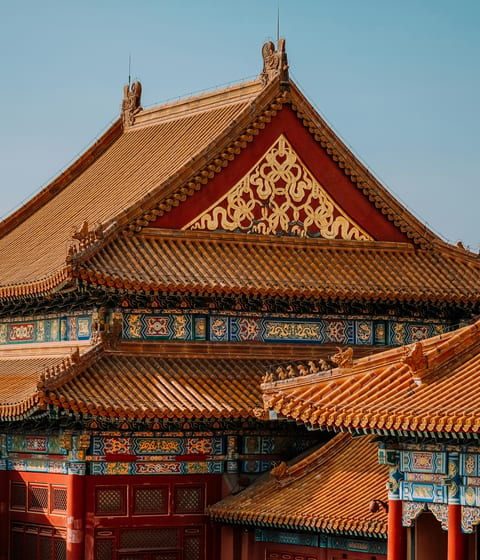
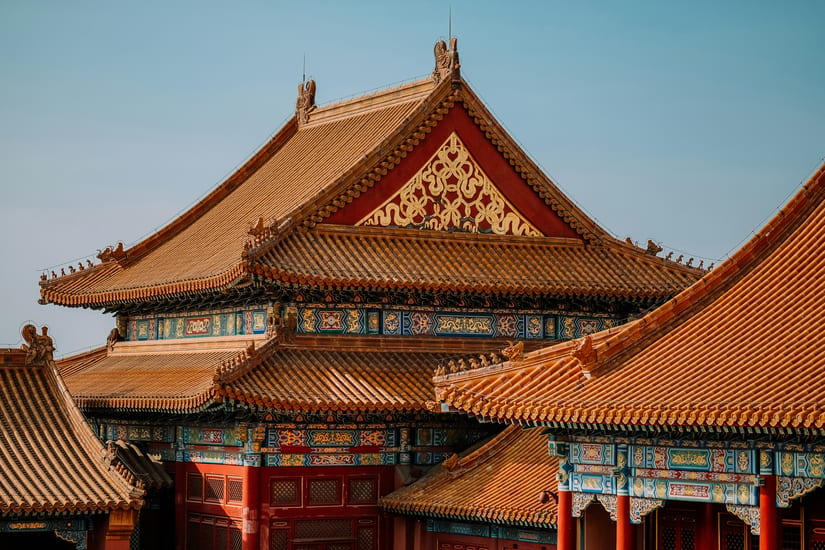
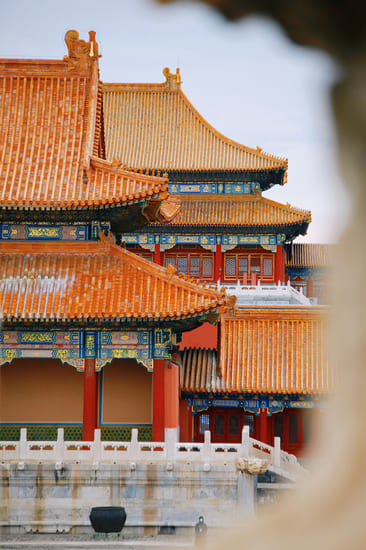
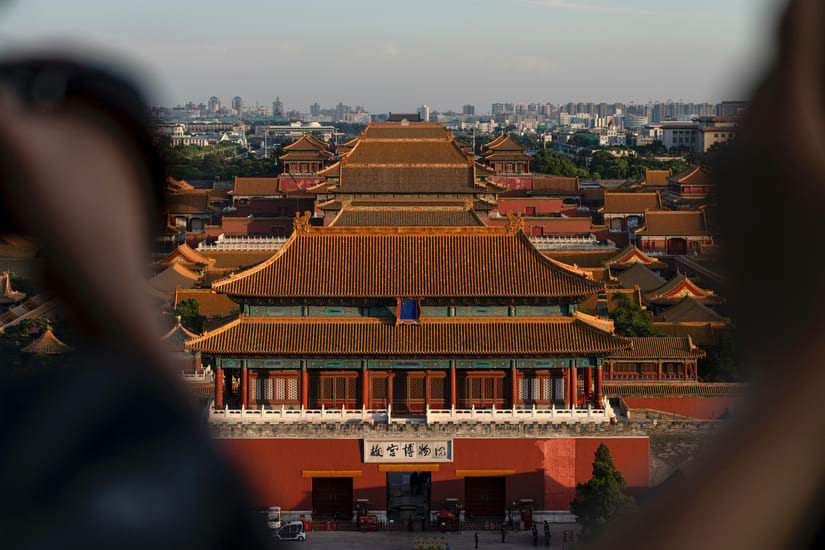
The Forbidden City might be the masterpiece of Feng Shui. With Jingshan Hill at its back and the serene moat at its front, the layout embodies the ancient principle of “leaning on the mountain and facing the water,” a sacred geometry designed to secure dynastic stability and prosperity through the natural flow of cosmic energy.

In the afternoon, you’ll explore Prince Gong’s Mansion, which is Beijing’s most celebrated Feng Shui property. Within its gardens and halls lies a legendary hidden treasure: the character “Fu” (good fortune), carved by Emperor Kangxi himself and concealed within a stone. This sacred amulet is believed to attract prosperity and blessings to all who find it.

Day 9
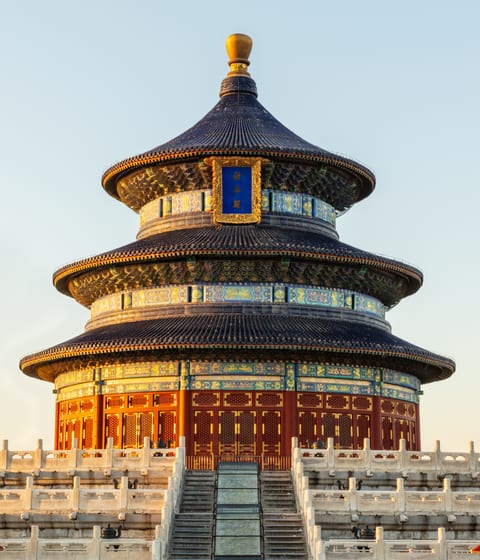
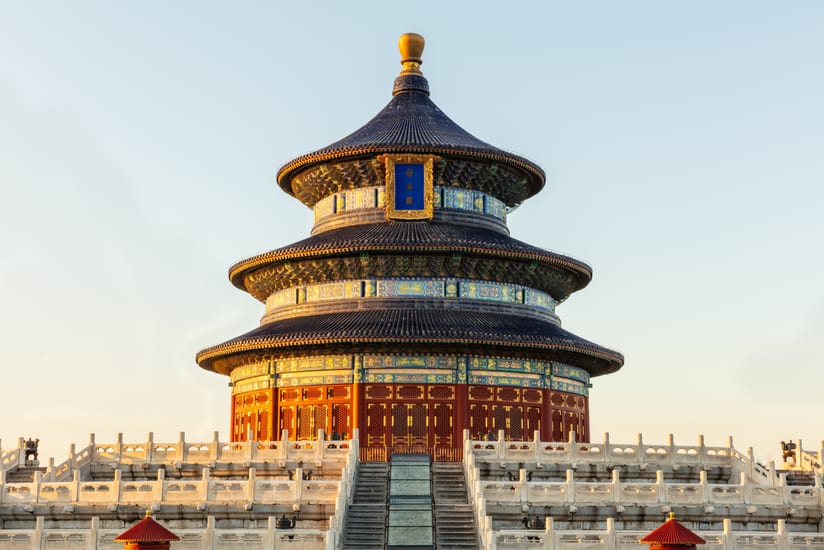
The Temple of Heaven

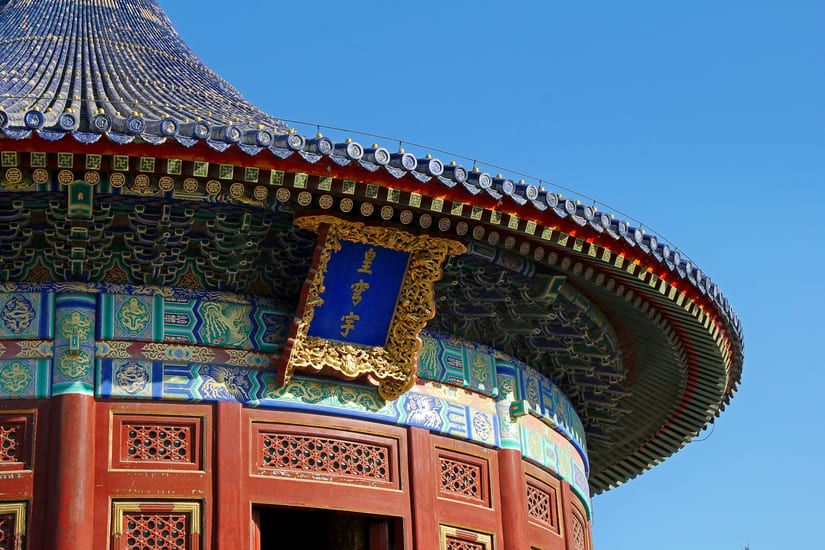
There’s a difference between understanding a philosophy and actually living it. Today is about harnessing both.

That’s why you’ll start your day at the Temple of Heaven, taking private instruction from a peerless Tai Chi master, where each breath, balance and movement might feel like exercise, but they’re also a very physical expression of the same cosmic flows that shape the ancient city around you.

In the afternoon, you’ll stand beneath the Celestial Caisson of Xiannong Tan which, for more than 600 years, has mirrored the vault of the heavens. Looking up into its thousands of golden stars, you’ll be carried back to the breaths and movements you made earlier that morning. They are the same, and you are the same. Qi flows through everything.

China
Day 10
The Great Wall

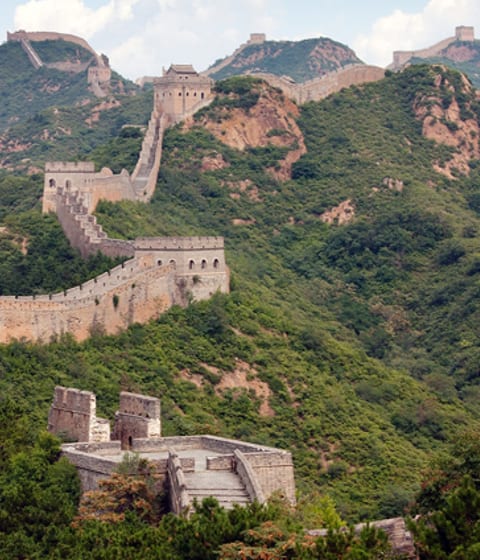
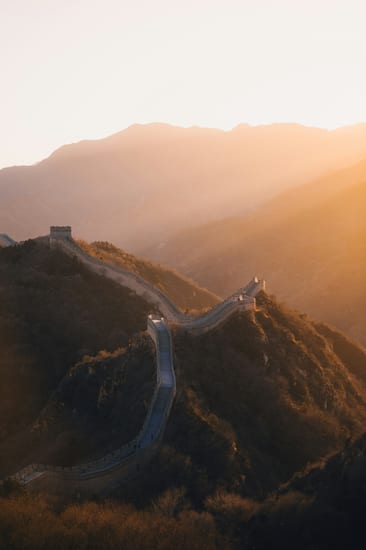
Few structures in the world are as inseparable from their landscape as the Great Wall at Jinshanling. Its builders didn’t impose it on the Yan Mountains. Instead, they read them. Following ridgelines, tracing contours, working with the land rather than against it: the principles of Feng Shui, applied at a truly monumental scale.

Your guide is a local who has studied and walked the Wall their entire lives. Together, you’ll move through one of its most dramatic sections not as sightseers, but as readers of a landscape that’s been shaped by centuries of human wisdom about living in harmony with the natural world.

Day 11
The Journey Home

You fly home from Beijing today, but what you carry with you is much, much subtler than a souvenir.

Over the past ten days you’ve read Daoist principles not in a book but through the landscapes and people around you. Where mountains, ceilings, flowers and breathing are all connected, all humming with the harmony of the cosmos, just as you hum with the very same energy. And now you can give it a name.

Daoism isn’t just about living differently. It’s about seeing differently, too. The Keepers you’ve met, in slow and subtle ways, have shown you want it means to live in harmony with forces that none of us can see.

Go back to The Keepers
The Keepers