





































































Egypt
Nile Canopus Dahabeya
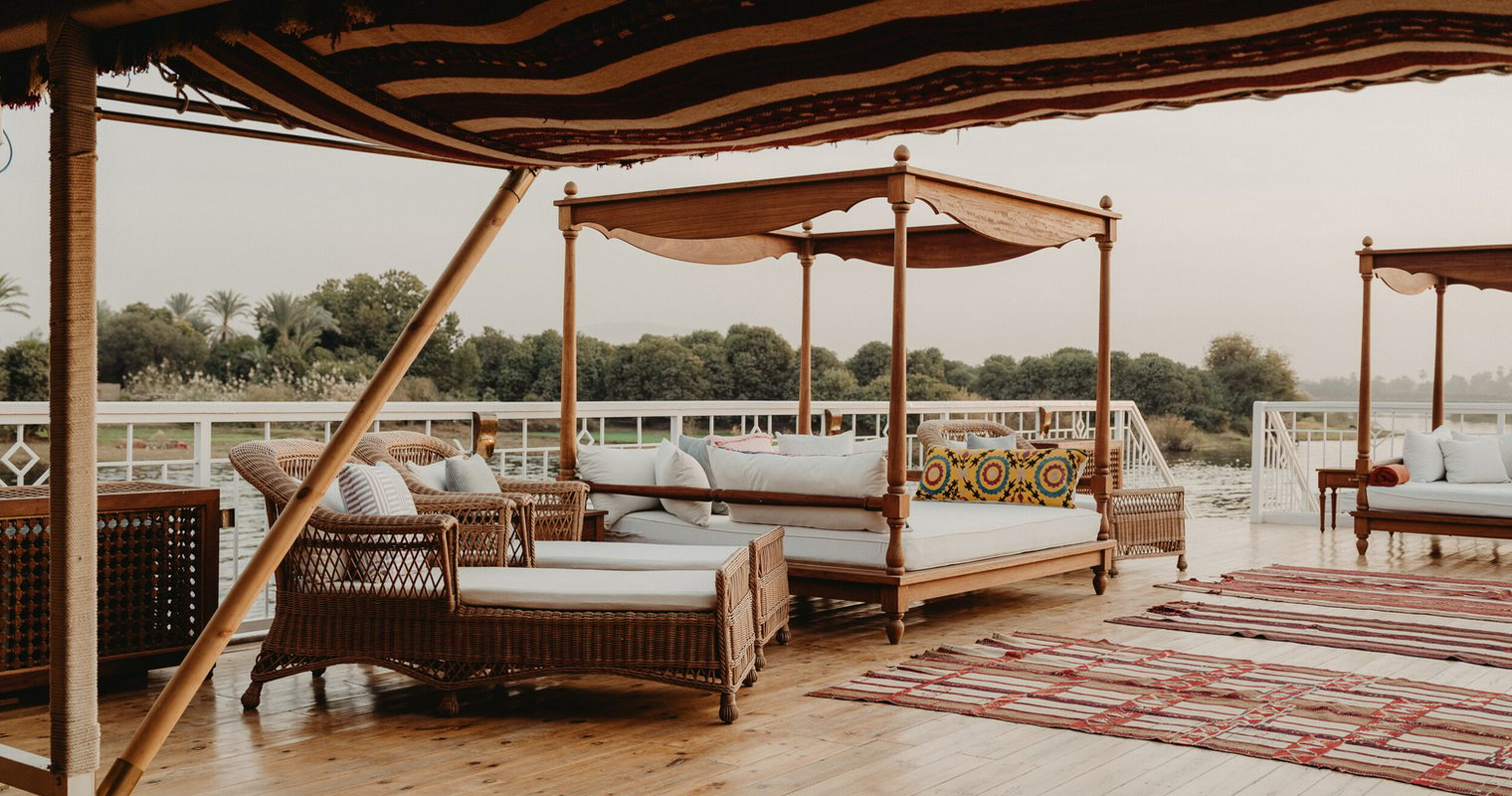
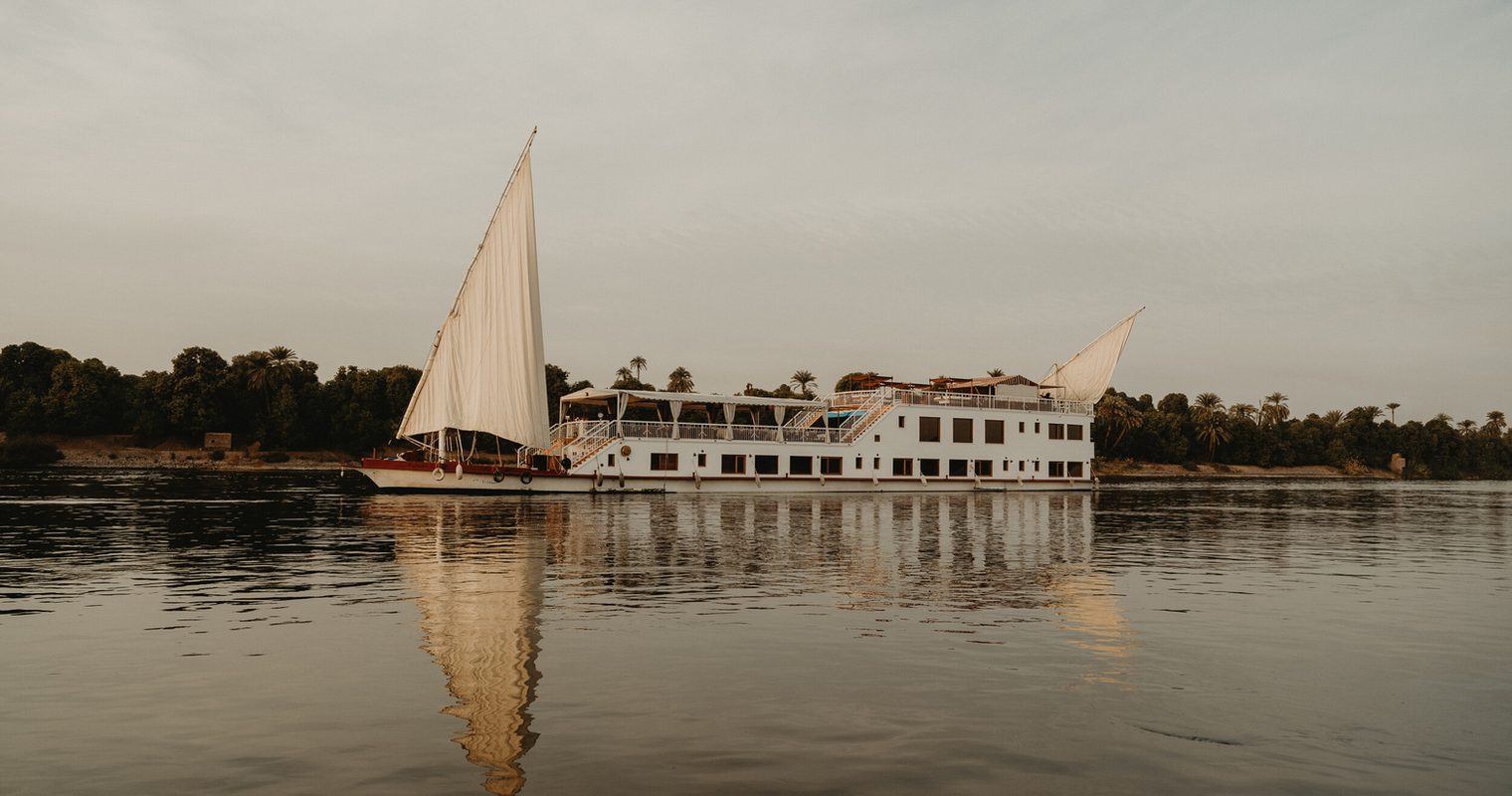
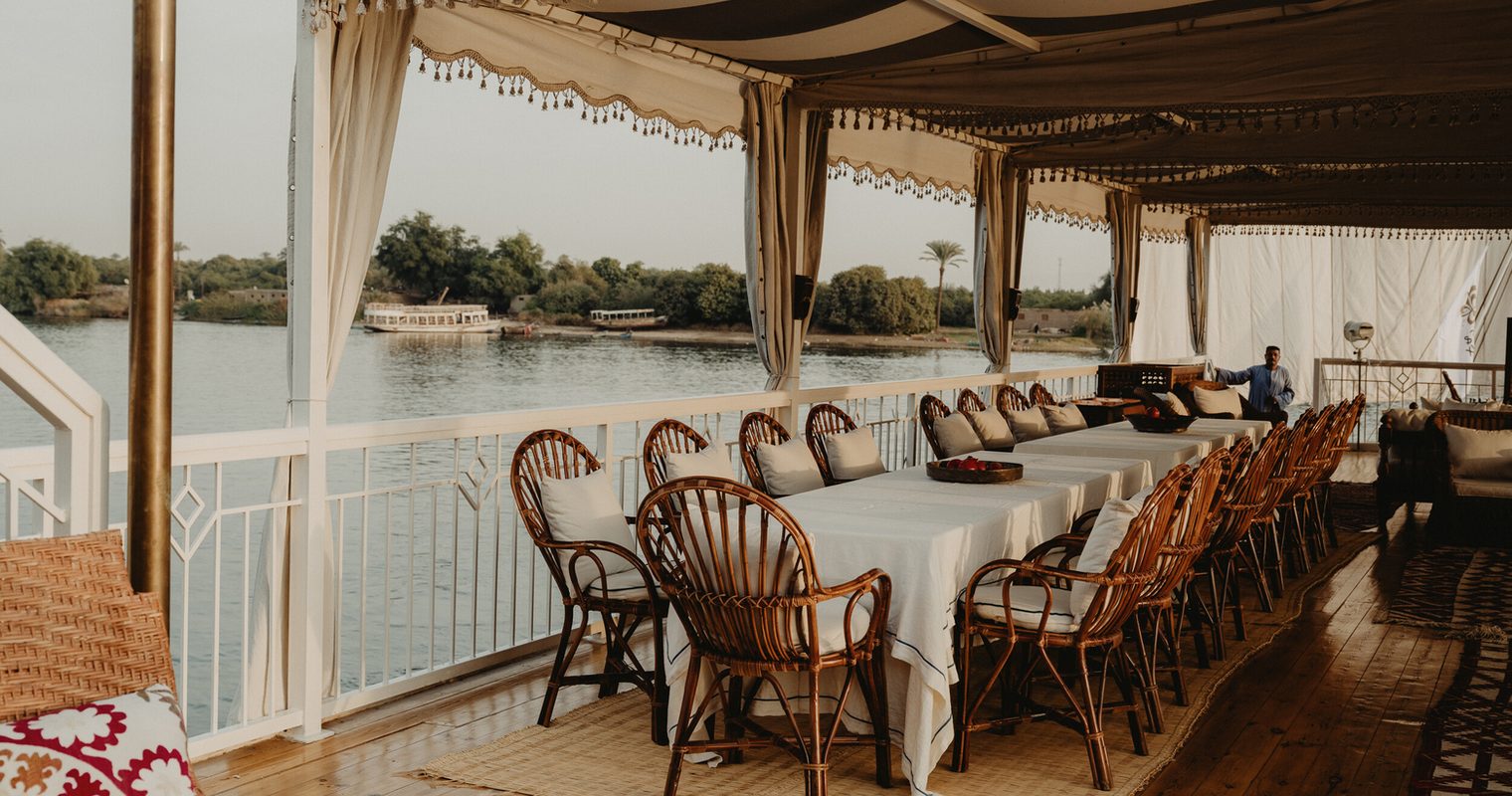
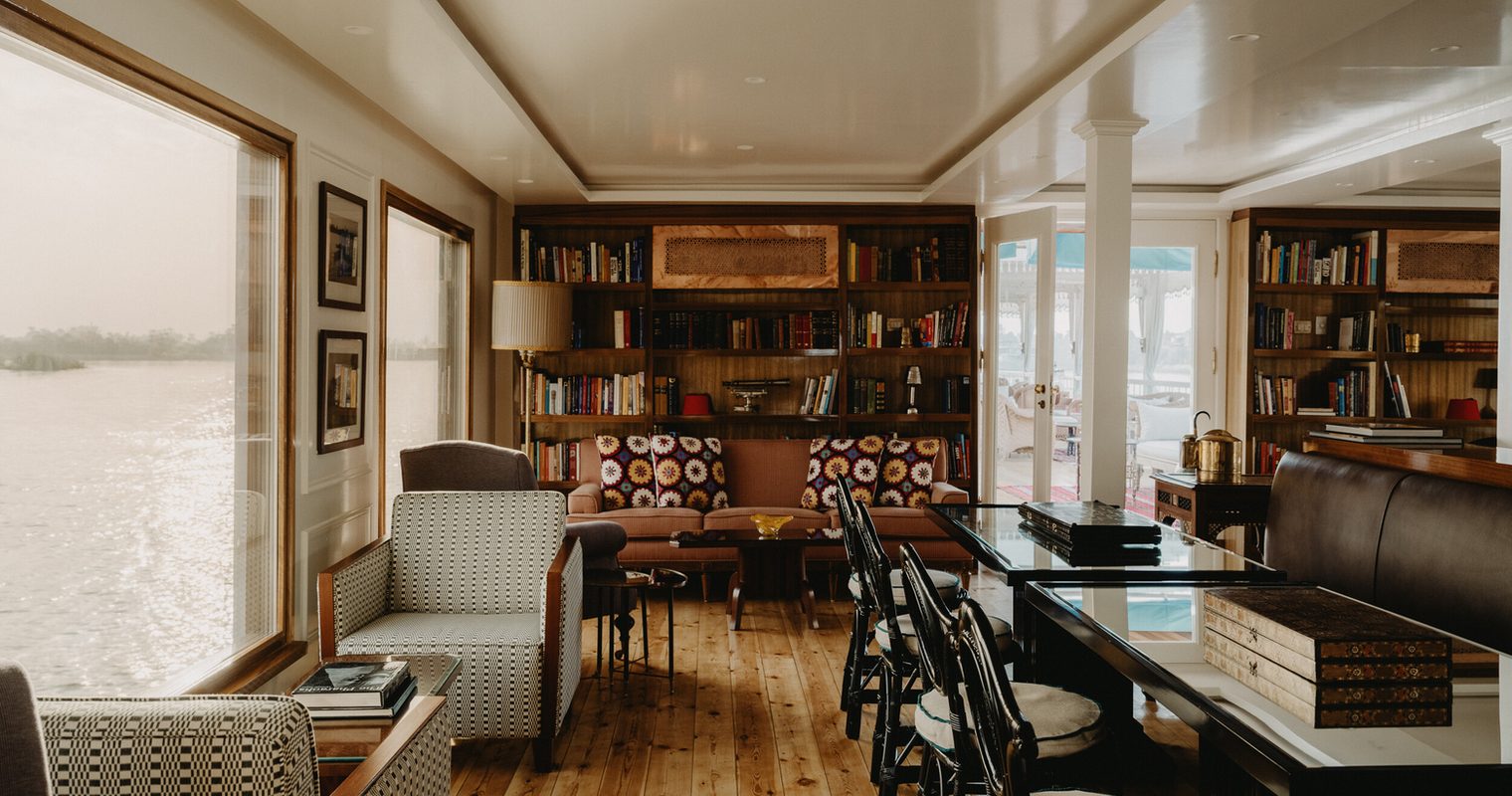
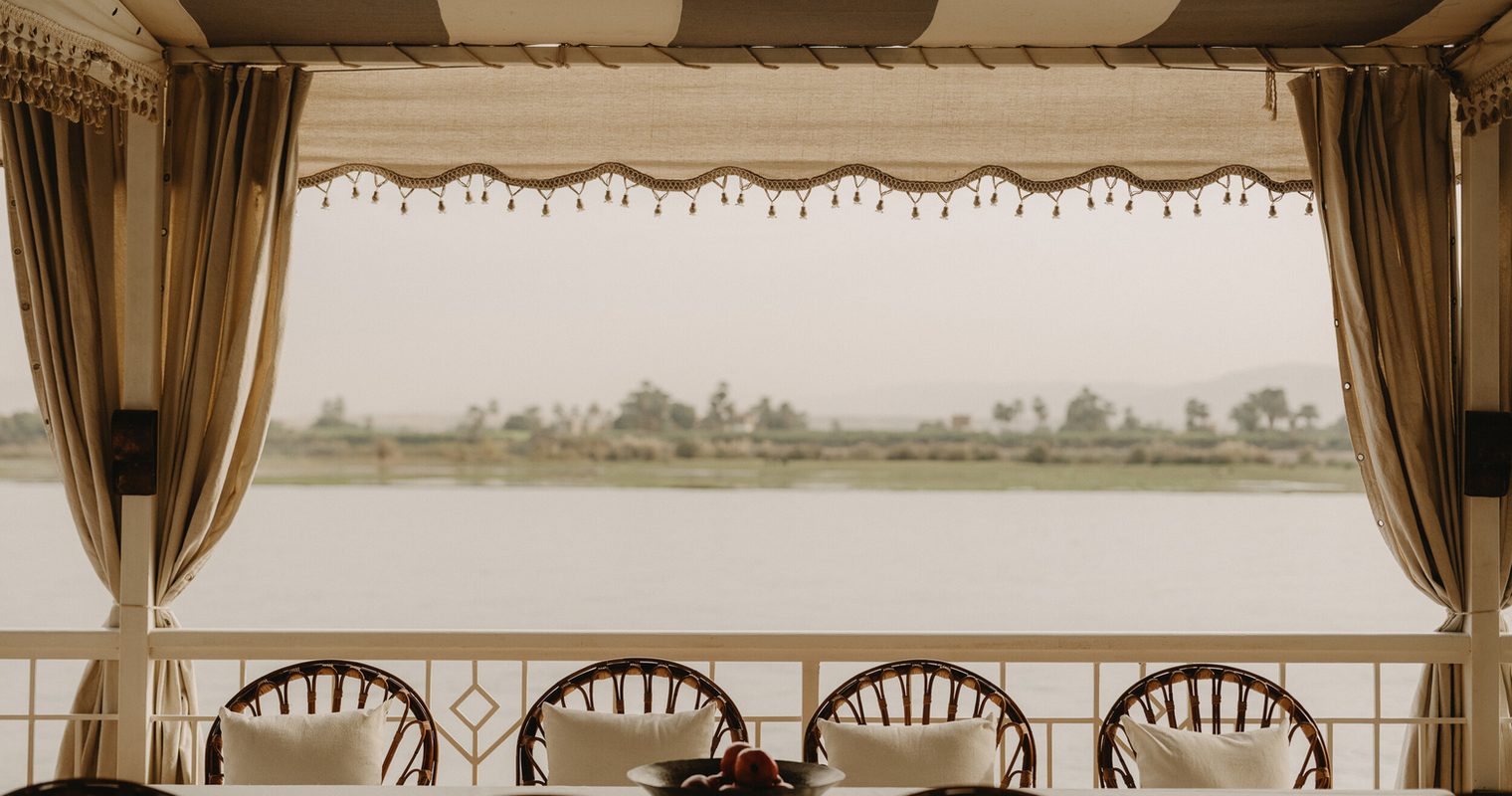
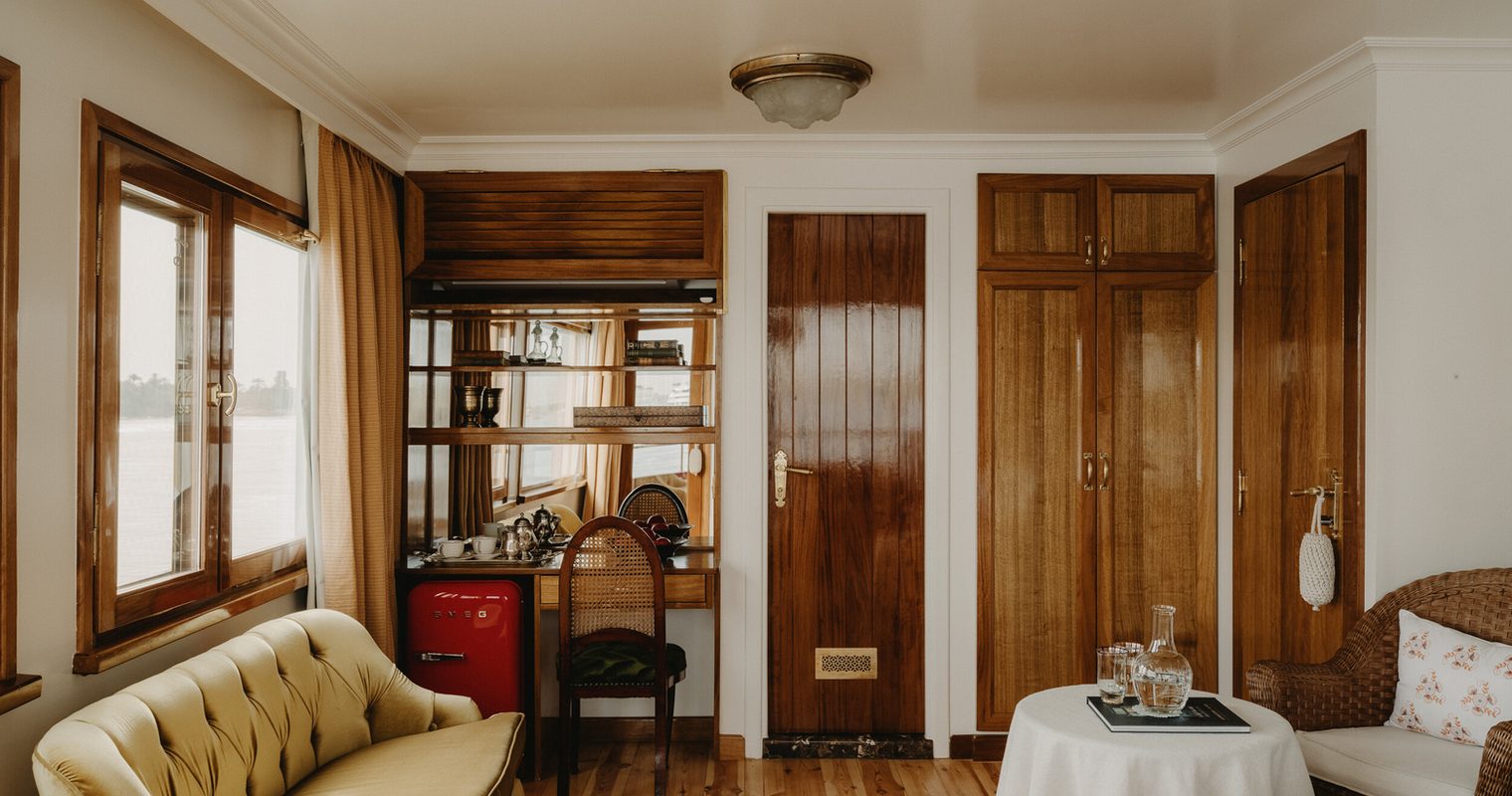
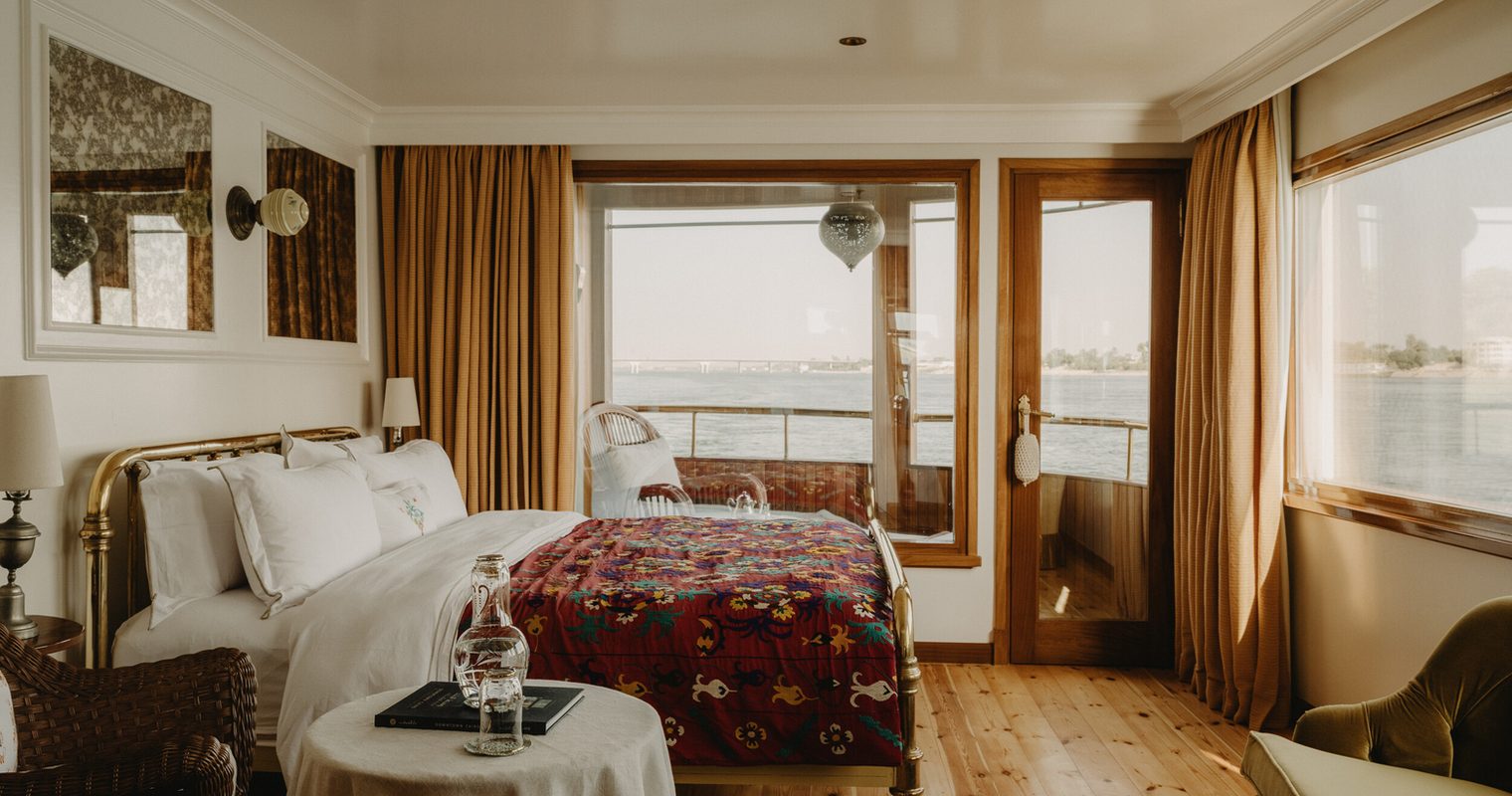
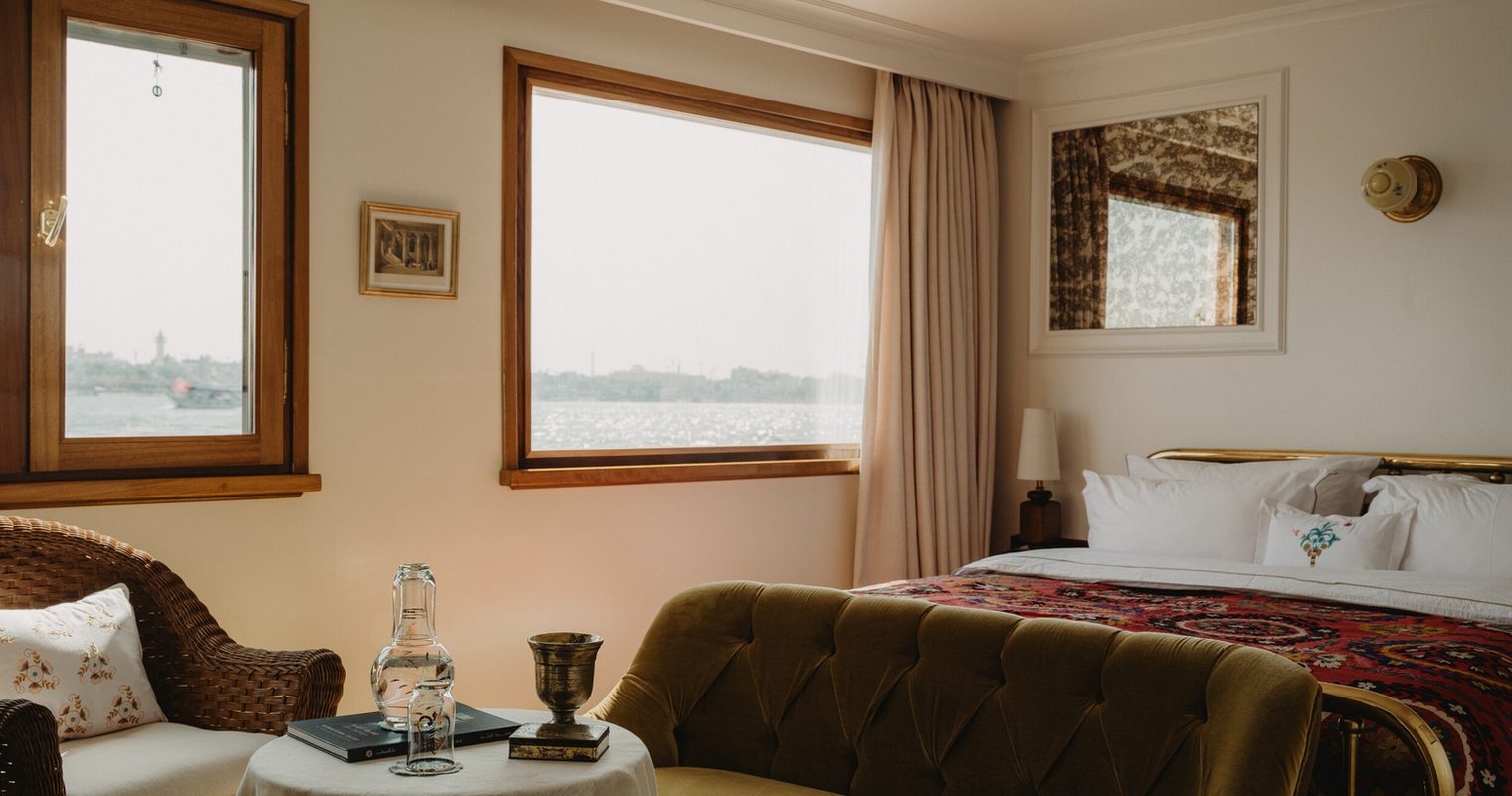

A 55-meter double-masted dahabeya, Nile Canopus revives the spirit of Egypt’s late 19th-century travel era. Its design pays tribute to Amelia Edwards – one of the first female Egyptologists – who spent weeks sailing the Nile recording notes and sketches for her travelogue A Thousand Miles Up the Nile. Nearly everything aboard has been custom-made in Egypt, with select antiques throughout. Multiple indoor and outdoor decks offer space to dine and unwind, while a billowing tent on the upper deck channels Howard Carter’s camp during the discovery of Tutankhamun’s tomb.
Location
Nile Canopus sails between Luxor and Aswan, gliding past temples, villages, and agricultural land that has lined the river for millennia. The pace is slower than larger cruise ships, which means more time to absorb the rhythms of the riverbanks as the boat moves through Upper Egypt’s storied corridor.
Your cabin
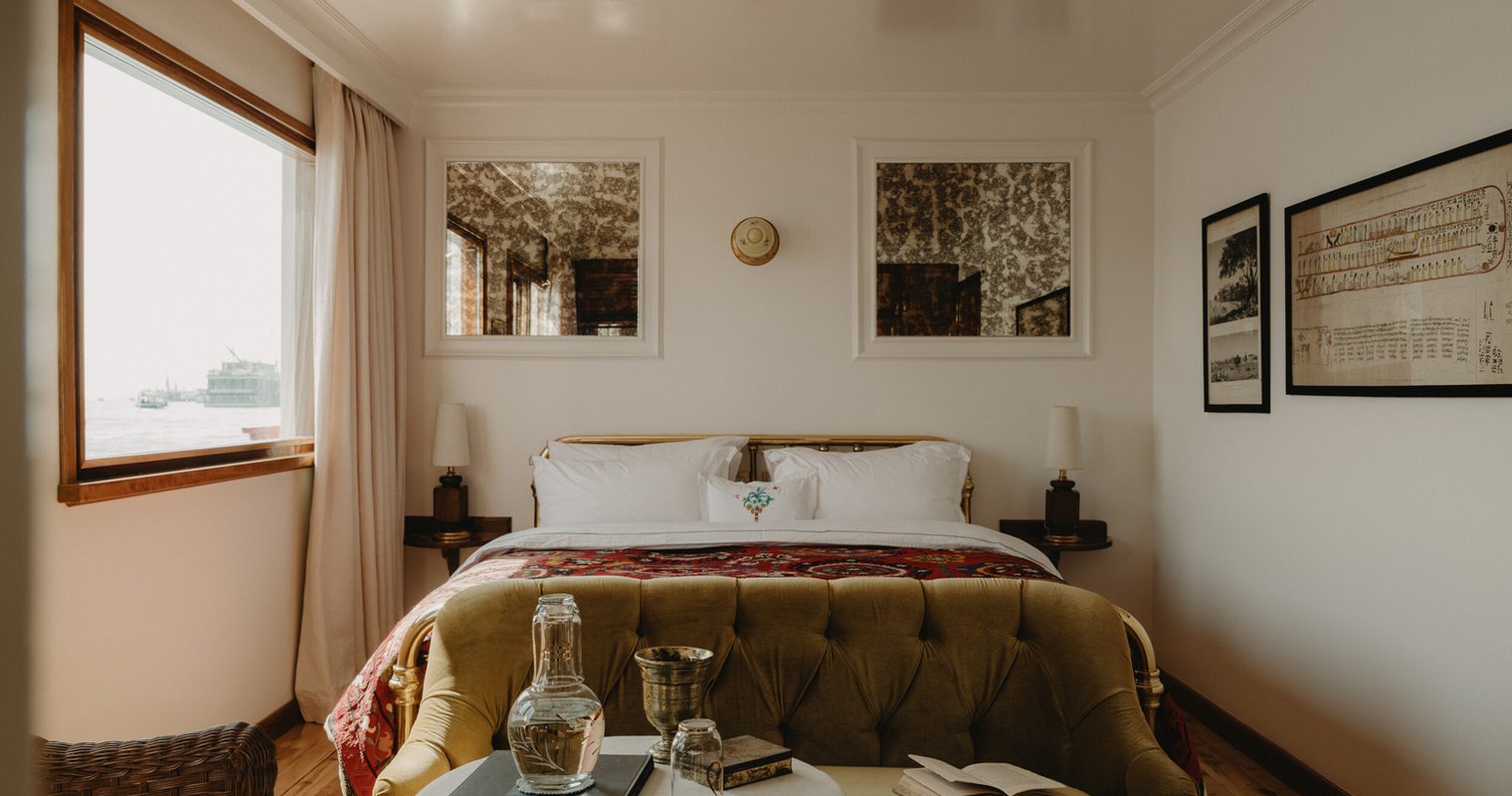
Nile Canopus carries just 20 guests across ten cabins. Four grand suites open onto private balconies; six cabins feature panoramic windows framing the passing river. Interiors are spacious and considered, with premium Egyptian cotton linens, walk-in showers, writing desks, and individual climate control. The design balances period detail with practical comfort – rooms that feel grounded in history without sacrificing anything contemporary. Whether you’re on a balcony or at a window, the Nile is always there.
Who it suits
Nile Canopus works well for families, couples, and groups. It can be chartered exclusively or booked cabin by cabin, making it adaptable to different travel configurations. The boat suits guests drawn to the romance of 1800s exploration and those who appreciate a slower, more intimate pace on the river. With only 20 guests aboard, the atmosphere stays personal. It appeals to anyone with an interest in Egyptology, literary history, or simply experiencing the Nile in a way that echoes early travel narratives, without sacrificing modern comfort.
Why we like it
Nile Canopus channels the elegance of 19th-century Nile travel: the world of Agatha Christie, early Egyptology, and the age of discovery that shaped figures like Howard Carter. Its connection to Amelia Edwards runs deep: she sailed aboard the original Canopus and later wrote A Thousand Miles Up the Nile, inspiring generations to seek out Egypt for themselves. This isn’t simply a mode of transportation. It’s a journey layered with history, curiosity, and storytelling – one that offers heritage and intellectual engagement alongside refined comfort.