






For more Japan inspiration...
Sign up to our mailing list where we share the latest travel inspiration, straight to your inbox
Follow us on Social

You are browsing the UK site. Visit our US site.

You are browsing the US site. Visit our UK site.
You are browsing the US site. Visit our Rest of World site.
You are browsing the UK site. Visit our US site.
You are browsing the US site. Visit our UK site.
You are browsing the US site. Visit our Rest of World site.

 Family Holidays
Our team is full of family travellers, meaning we know what it takes to make sure everyone enjoys the experience just as much as each other.
Family Holidays
Our team is full of family travellers, meaning we know what it takes to make sure everyone enjoys the experience just as much as each other.
 Couples Holidays
Our couple itineraries are paced perfectly for you to enjoy the very best a country has to offer whilst making sure you enjoy the quality time together you’re after.
Couples Holidays
Our couple itineraries are paced perfectly for you to enjoy the very best a country has to offer whilst making sure you enjoy the quality time together you’re after.
 Group Holidays
No matter what the size or the occasion, we’re well versed in taking larger groups of people away for those special adventures.
Group Holidays
No matter what the size or the occasion, we’re well versed in taking larger groups of people away for those special adventures.
 Honeymoons
We’ve been crafting dream itineraries for newly married couples for years. Learn more about the ins and outs of our honeymoon service here.
Honeymoons
We’ve been crafting dream itineraries for newly married couples for years. Learn more about the ins and outs of our honeymoon service here.
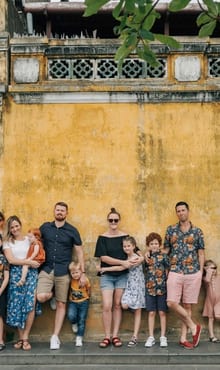 Multi Generational Trips
From very small to very big. Families come in all shapes and sizes, and our multi-generational holidays are perfectly designed to tick the boxes for the whole family.
Multi Generational Trips
From very small to very big. Families come in all shapes and sizes, and our multi-generational holidays are perfectly designed to tick the boxes for the whole family.
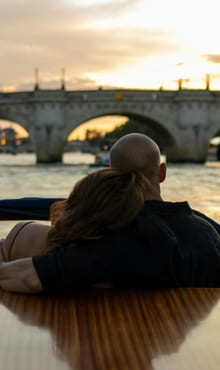 Anniversary Trips
Whether you’re celebrating as a couple, or across multiple generations, our anniversary trips are crafted around the milestone – and the people sharing it.
Anniversary Trips
Whether you’re celebrating as a couple, or across multiple generations, our anniversary trips are crafted around the milestone – and the people sharing it.
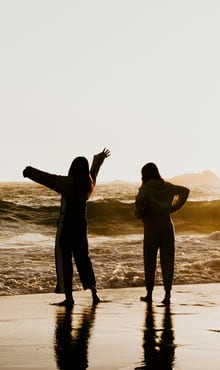 Travel With Teens
This is a list of the very best places to travel with teenagers – one that’s crammed with bragging rights (for them) and bonding moments (for you).
Travel With Teens
This is a list of the very best places to travel with teenagers – one that’s crammed with bragging rights (for them) and bonding moments (for you).
 Grown Up Family Holidays
As your children become adults, your family trips are also due to change and grow. These are our favourite trips for you and your grown up family.
Grown Up Family Holidays
As your children become adults, your family trips are also due to change and grow. These are our favourite trips for you and your grown up family.
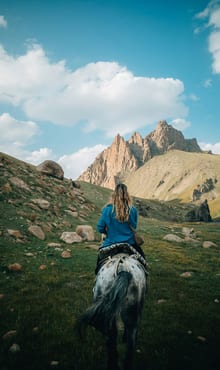 Solo Holidays
Our travel experts have experienced the thrills and challenges of solo travel, all with the aim of producing some of our most immersive and exciting itineraries.
Solo Holidays
Our travel experts have experienced the thrills and challenges of solo travel, all with the aim of producing some of our most immersive and exciting itineraries.
 View All
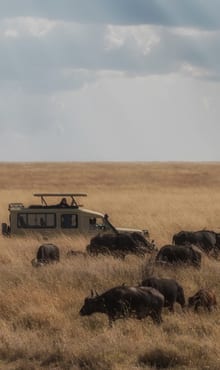 Safari Holidays
With a team of experts that have worked as conservationists and wildlife photographers, we have the expertise to make your safari dreams come true.
Safari Holidays
With a team of experts that have worked as conservationists and wildlife photographers, we have the expertise to make your safari dreams come true.
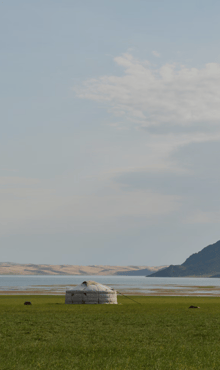 Remote Destinations
We’ve chosen these experiences, destinations and adventures to bring you closer to the great outdoors. This is your ticket to our wonderful world.
Remote Destinations
We’ve chosen these experiences, destinations and adventures to bring you closer to the great outdoors. This is your ticket to our wonderful world.
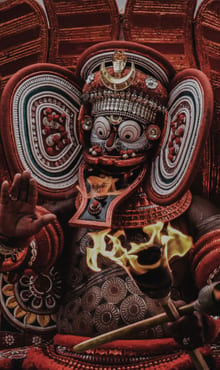 Unusual Holidays
The world may be conquered, but enough secrets remain to keep us up all night, dreaming of ways to whisk you off to the most unique corners of the globe. Where first?
Unusual Holidays
The world may be conquered, but enough secrets remain to keep us up all night, dreaming of ways to whisk you off to the most unique corners of the globe. Where first?
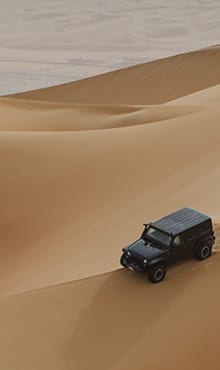 Adventure Holidays
Hike across mountain ridgelines, scramble across glaciers and kayak down rivers – these trips are designed to immerse you in vast wildernesses and ancient cultures.
Adventure Holidays
Hike across mountain ridgelines, scramble across glaciers and kayak down rivers – these trips are designed to immerse you in vast wildernesses and ancient cultures.
 Beach Holidays
Porcelain shores, perfect seas and swaying palms; the allure of a beach break is hard to ignore. Which is why we handpick the best beachfront boltholes to offer you…
Beach Holidays
Porcelain shores, perfect seas and swaying palms; the allure of a beach break is hard to ignore. Which is why we handpick the best beachfront boltholes to offer you…
 Food Holidays
Food and travel have long gone hand in hand, and we have put together some mouth-watering trips that capture the palate, of countries across the world. Bon appétit.
Food Holidays
Food and travel have long gone hand in hand, and we have put together some mouth-watering trips that capture the palate, of countries across the world. Bon appétit.
 Slow Travel
As the world becomes busier, slow travel has never felt so fitting. Whether it’s meeting fishermen in Maine or learning the Dukha-way in Mongolia, take time to connect.
Slow Travel
As the world becomes busier, slow travel has never felt so fitting. Whether it’s meeting fishermen in Maine or learning the Dukha-way in Mongolia, take time to connect.
 Eclipse Holidays
Eclipse travel celebrates our place in the wider cosmos. Let us take you to wherever in the world the eclipse is at its most arresting, and we’ll do it in style.
Eclipse Holidays
Eclipse travel celebrates our place in the wider cosmos. Let us take you to wherever in the world the eclipse is at its most arresting, and we’ll do it in style.
 Proposal Service
Found the one and want to propose in style? The moment will be a memory forever and we’re here to help you make sure it’s the most perfect moment for you and your loved one.
Proposal Service
Found the one and want to propose in style? The moment will be a memory forever and we’re here to help you make sure it’s the most perfect moment for you and your loved one.
 Train Travel
“It’s not the destination, it’s the journey.” We’ve all heard this, haven’t we? And with these captivating luxury train journeys, we’ll show you the joy to be found travelling across the world by rail.
Train Travel
“It’s not the destination, it’s the journey.” We’ve all heard this, haven’t we? And with these captivating luxury train journeys, we’ll show you the joy to be found travelling across the world by rail.
 The Pursuit of Feeling
From impassioned and emotive journeys, to podcasts and our Feelings Engine, you’ll find something to move you and something to soothe you. We want to fire your heart and provide food for your soul.
The Pursuit of Feeling
From impassioned and emotive journeys, to podcasts and our Feelings Engine, you’ll find something to move you and something to soothe you. We want to fire your heart and provide food for your soul.
 Set Jetting
Swapping salubrious saloons and questionable lodgings for sumptuous hotels and eye-opening experiences, each of our show-stopping journeys will take you behind scenes of some of TV’s most awe-inspiring locations.
Set Jetting
Swapping salubrious saloons and questionable lodgings for sumptuous hotels and eye-opening experiences, each of our show-stopping journeys will take you behind scenes of some of TV’s most awe-inspiring locations.
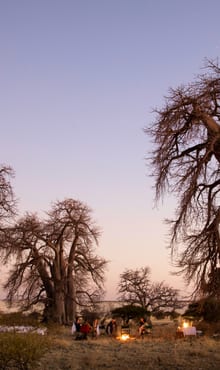 See You in the Moment
You need only bring yourselves – your people, your histories. We’ll provide the moment itself. The anticipation, the togetherness, the memory. This is something to savour. This is something to remember.
See You in the Moment
You need only bring yourselves – your people, your histories. We’ll provide the moment itself. The anticipation, the togetherness, the memory. This is something to savour. This is something to remember.
 Field Trip
Education begins in the classroom, but it’s IRL that younger generations put their lessons to the test. Field Trip is a curriculum of educational encounters around the world.
Field Trip
Education begins in the classroom, but it’s IRL that younger generations put their lessons to the test. Field Trip is a curriculum of educational encounters around the world.
 Take me on a Story
A series of family experiences celebrating the transformative power of the books we loved when we were young, and the stories our children have come to adore.
Take me on a Story
A series of family experiences celebrating the transformative power of the books we loved when we were young, and the stories our children have come to adore.
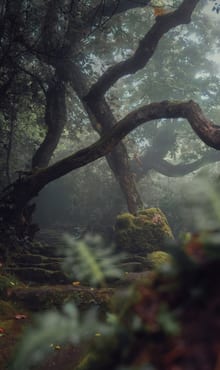 Get Lost
Designed as a once-in-a-lifetime challenge, train with elite survival experts before traversing a polar, jungle, coastal, mountain or desert region in your mission back to civilisation.
Get Lost
Designed as a once-in-a-lifetime challenge, train with elite survival experts before traversing a polar, jungle, coastal, mountain or desert region in your mission back to civilisation.
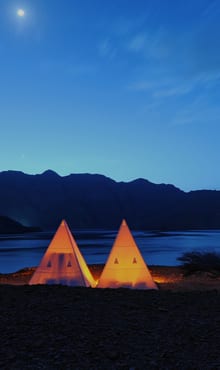 Blink
The ultimate luxury camping retreat. From the Sahara desert to the Andean Mountains, with Blink anywhere you can envisage it, we will create it.
Blink
The ultimate luxury camping retreat. From the Sahara desert to the Andean Mountains, with Blink anywhere you can envisage it, we will create it.
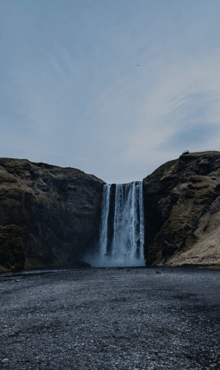 Bring it Back
Bring It Back will embed you in an entirely different way of thinking, and of learning about a culture directly from its experts on the ground. You may be surprised by what you discover.
Bring it Back
Bring It Back will embed you in an entirely different way of thinking, and of learning about a culture directly from its experts on the ground. You may be surprised by what you discover.
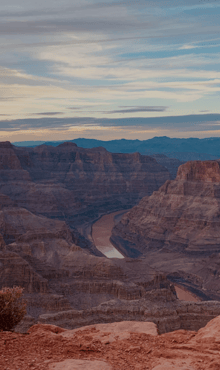 The Great American View
This series of breathtaking journeys culminate in some of America’s most legendary sights. They are the places you’ve always sought out, and now it’s your time to find them.
The Great American View
This series of breathtaking journeys culminate in some of America’s most legendary sights. They are the places you’ve always sought out, and now it’s your time to find them.
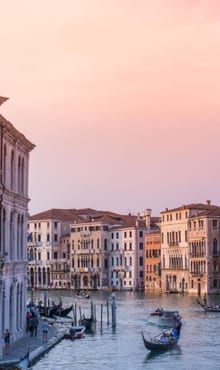 James Bond
We are proud to have been selected as the official travel partner to curate James Bond inspired trips.
James Bond
We are proud to have been selected as the official travel partner to curate James Bond inspired trips.
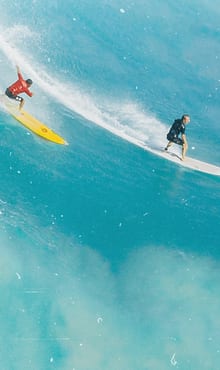 Agatha Christie
We’ve been hand-picked by Agatha Christie Limited to help bring Agatha’s world-famous Grand Tour to life through a series of episodic trips across Africa, Australasia and North America, and a unique prelude in London.
Agatha Christie
We’ve been hand-picked by Agatha Christie Limited to help bring Agatha’s world-famous Grand Tour to life through a series of episodic trips across Africa, Australasia and North America, and a unique prelude in London.
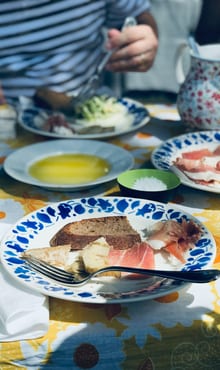 Tasting Notes
Eating at a Michelin – starred restaurant is one thing. But now you can learn about the country through the lens of some of the most critically acclaimed chefs in the world, by travelling with them on the ultimately culinary experience
Tasting Notes
Eating at a Michelin – starred restaurant is one thing. But now you can learn about the country through the lens of some of the most critically acclaimed chefs in the world, by travelling with them on the ultimately culinary experience
 Take the Open Road with Auberge
With the iconic hotel brand Auberge Resorts, we’ve created a new series of tailormade, luxurious road trip itineraries. Emblems of America’s most iconic landscapes, regions, and people.
Take the Open Road with Auberge
With the iconic hotel brand Auberge Resorts, we’ve created a new series of tailormade, luxurious road trip itineraries. Emblems of America’s most iconic landscapes, regions, and people.
 Remarkable Drives of Discovery with Auberge
Following on from the much lauded ‘Take the Open Road’ series, here’s five brand-new bespoke, multi-destination trips created with our friends at Auberge Resorts Collection. Delve deeper than ever before.
Remarkable Drives of Discovery with Auberge
Following on from the much lauded ‘Take the Open Road’ series, here’s five brand-new bespoke, multi-destination trips created with our friends at Auberge Resorts Collection. Delve deeper than ever before.
Or filter further
Explore our inspiring experiences based on when you want to travel and how you want to feel.
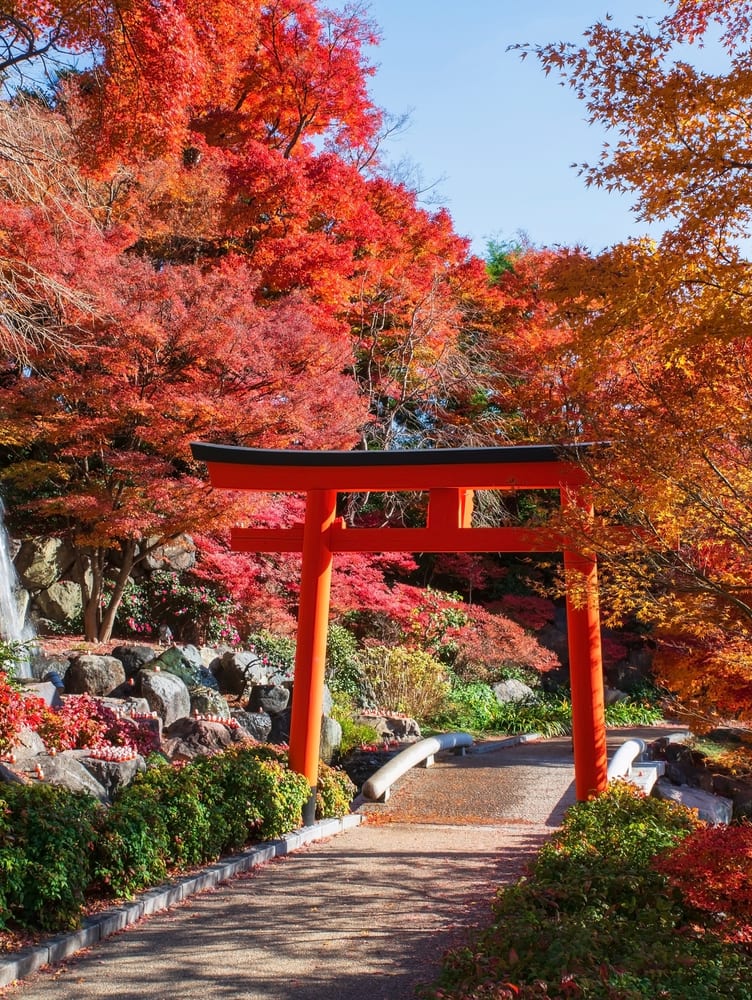
Most people picture Japan in late March, with pink blossom hanging over wooden bridges and petals settling on temple paths. It’s a wonderful time to be there, but peak bloom lasts only a couple of weeks — a small slice of what the country offers across a full year.
Japan changes considerably from season to season, and the Japanese mark those changes with more ceremony than most visitors expect. Foods appear on menus for a few weeks and then disappear. Festivals are built around flowers. The same garden can look completely different from one month to the next. So rather than a single best time to visit, there’s a best time for you. It depends on what you’d like from the trip, how busy you’re happy for it to be, and whether you want the Japan everyone photographs or a version fewer people get to see.
Cherry blossom season has earned its reputation. From late March into early April, sakura bloom across Tokyo, Kyoto, and Hakone, and daily life seems to rearrange itself around them — picnics under the trees, evening illuminations in the parks, and even some trains and buses dressed in pink.
It helps to go in with realistic expectations, though. Bloom dates shift by a week or more depending on the weather, peak viewing in any one place lasts only a few days, and the best hotels in Kyoto can book up close to a year ahead. Golden Week, which runs from late April into early May, is when much of Japan takes time off at once, so trains and major sights get busier still.


Read our guide to cherry blossom season in Japan
If you love the idea of blossom but not the crowds, it’s worth knowing that the season travels north as spring goes on. Hirosaki Castle in northern Tohoku usually blooms in late April, and Hokkaido follows around early May — so you can still see sakura well after Kyoto’s petals have fallen.
Once Golden Week is over, May is a fine month to explore. The weather is warm without the summer humidity, the countryside has turned a deep, fresh green, and it’s a good time to head somewhere rural like Iiyama, in Nagano prefecture. Around two hours from Tokyo, Iiyama sees very few international visitors. Days here are spent among flowers, forests, and temples, with nights in kominka — traditional farmhouses restored into small, beautifully finished places to stay. We can also arrange for a yamabushi, a mountain monk of the Shugendo tradition, to lead you on a sacred trek into the hills.
Best for: First-time visitors set on seeing sakura who can plan well ahead, or anyone happy to swap blossom for greenery and quieter trains in May.
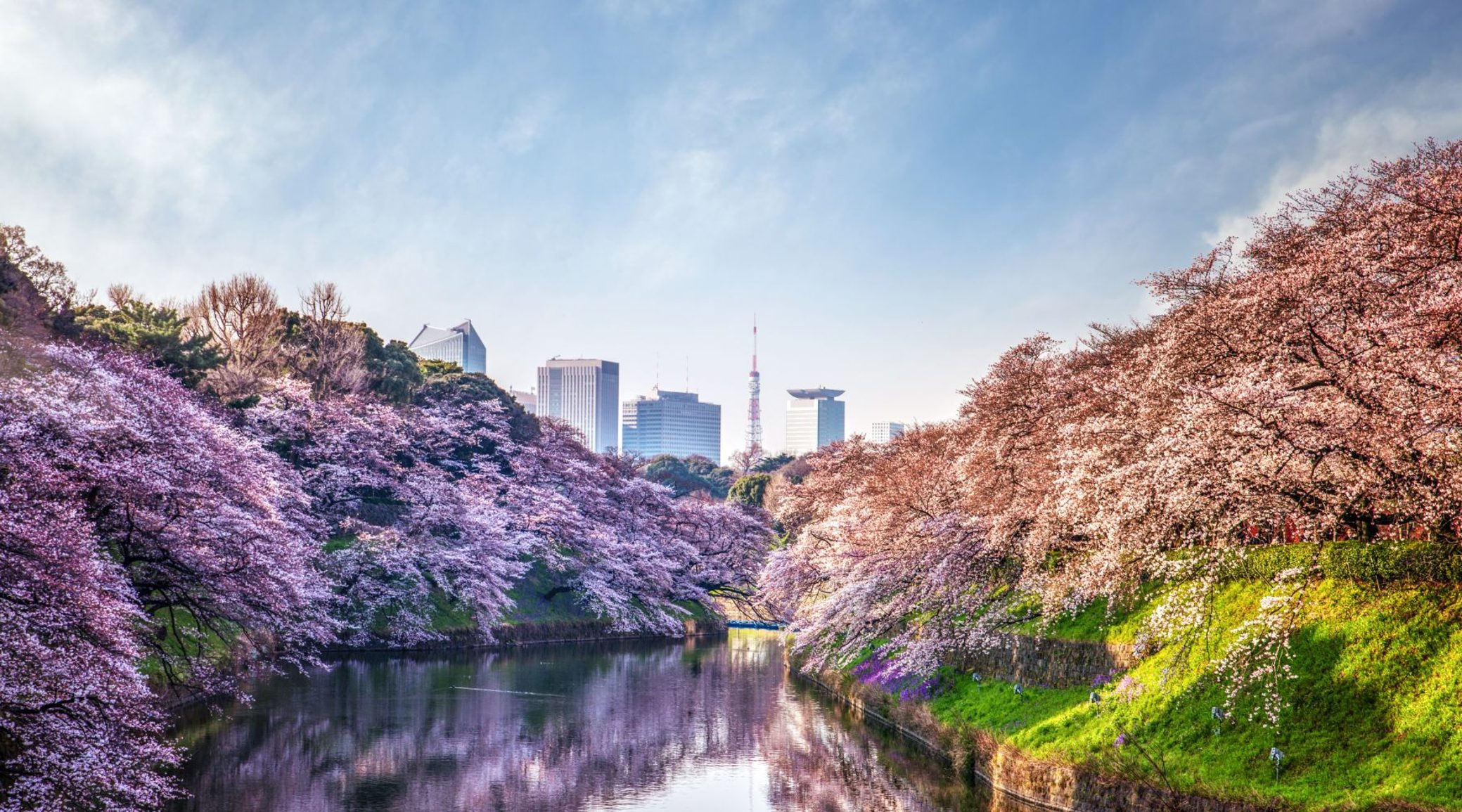
Summer tends to get written off as too hot and humid, and in Tokyo and Kyoto in August that’s a fair criticism. The season has more going for it than its reputation suggests, though.
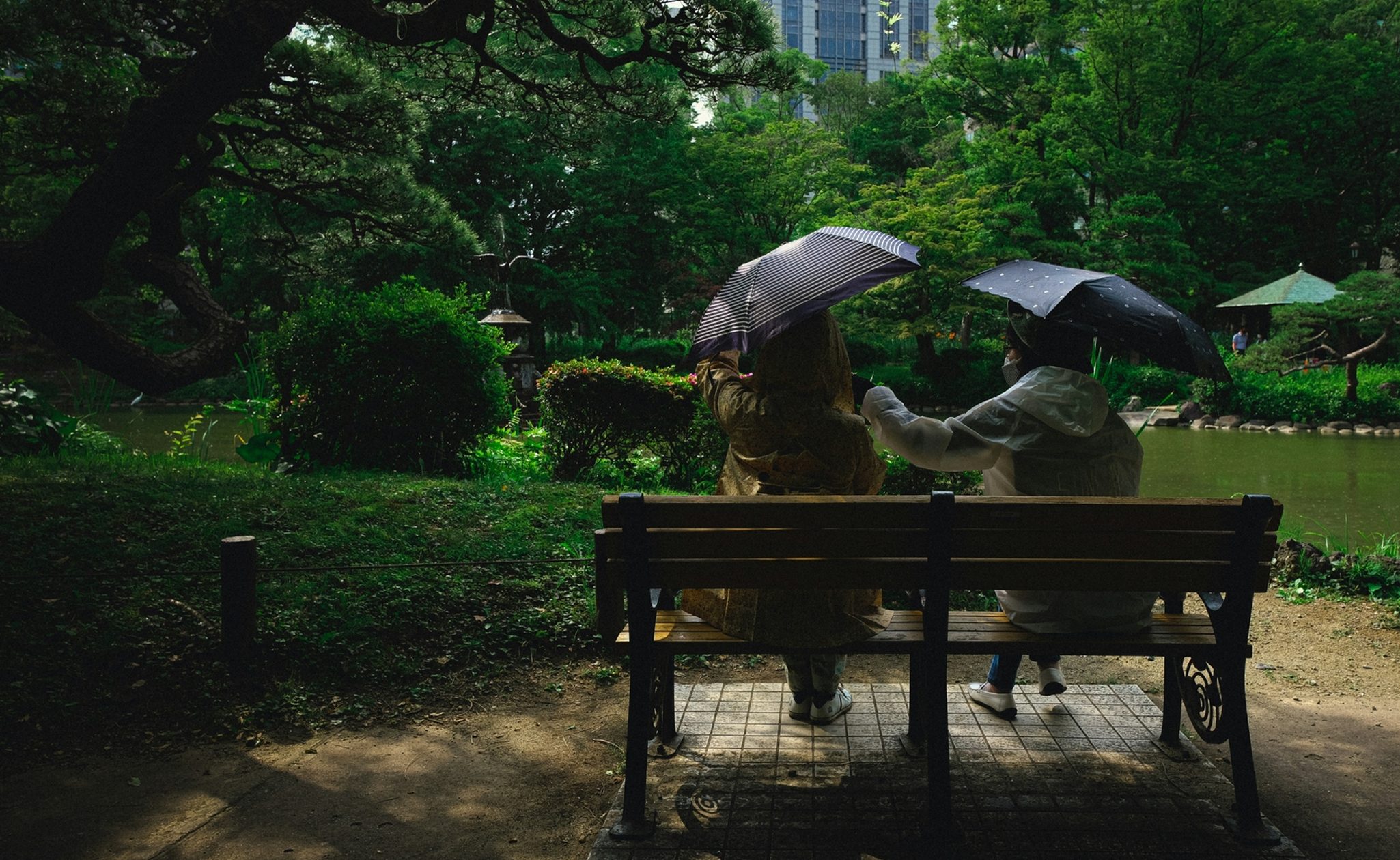
June brings tsuyu, the rainy season, which on most of the mainland runs from early June to mid-July. It rarely rains all day, and the damp gives Kyoto’s moss gardens and temple grounds a softness you won’t see at other times of year. It’s also when hydrangeas flower, filling temple gardens in Kamakura and Kyoto with deep blues and purples. Hokkaido largely escapes the rainy season, which makes it a good alternative in early summer, and by July the lavender fields around Furano are in bloom.
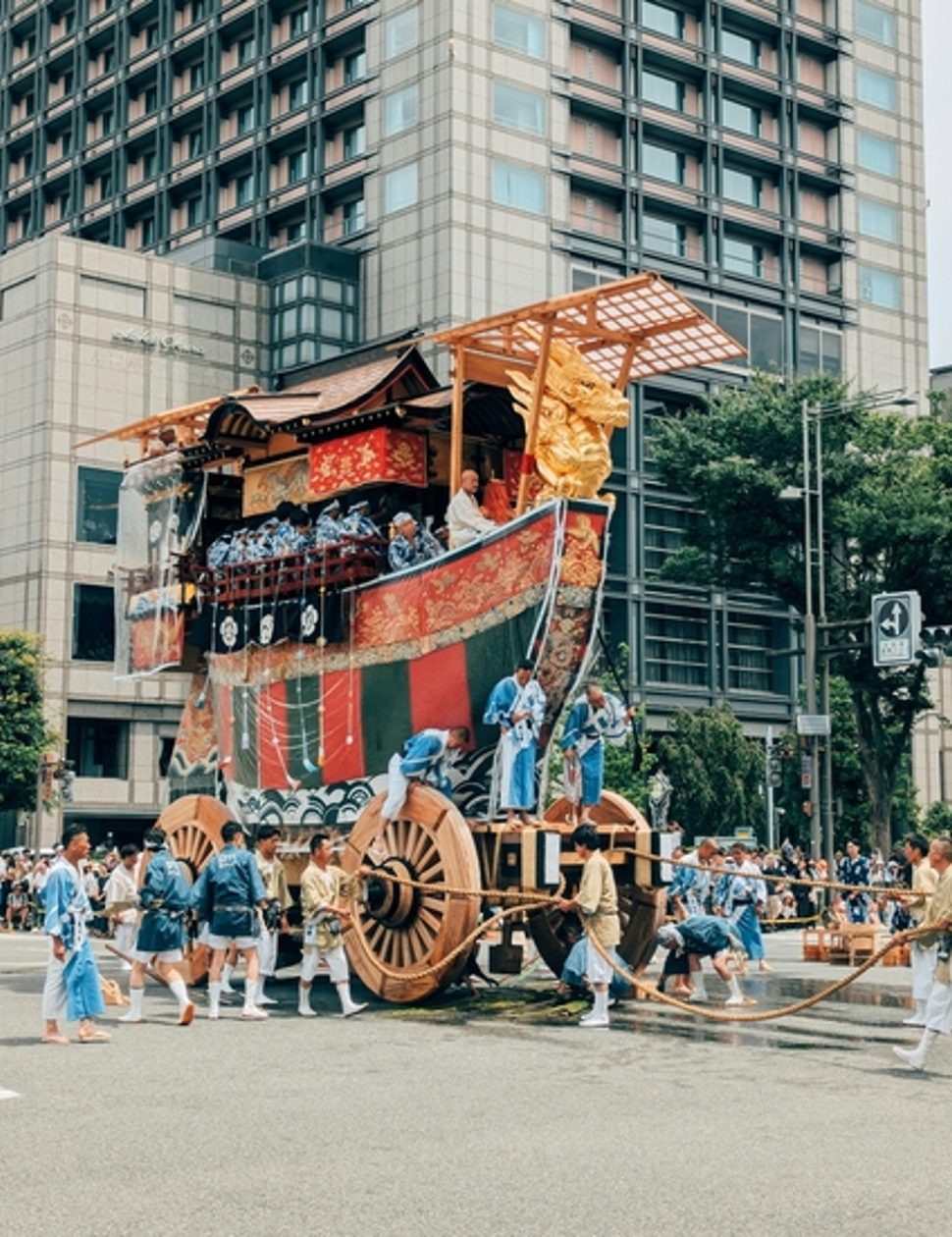
July and August are festival season. Kyoto’s Gion Matsuri takes up the whole of July, with huge wooden floats pulled through the city during its main processions, and towns across the country hold summer matsuri with lanterns, food stalls, and fireworks over rivers and bays. Bear in mind that Obon, in mid-August, is another peak time for domestic travel.
For those who’d rather avoid the heat altogether, higher ground is the answer. The Japanese Alps, the highlands around Nikko, and much of Hokkaido stay several degrees cooler than the cities, and the hiking is excellent once the snow has cleared from the upper trails.
Best for: Festival lovers and keen walkers, or travellers who’d rather avoid spring prices.
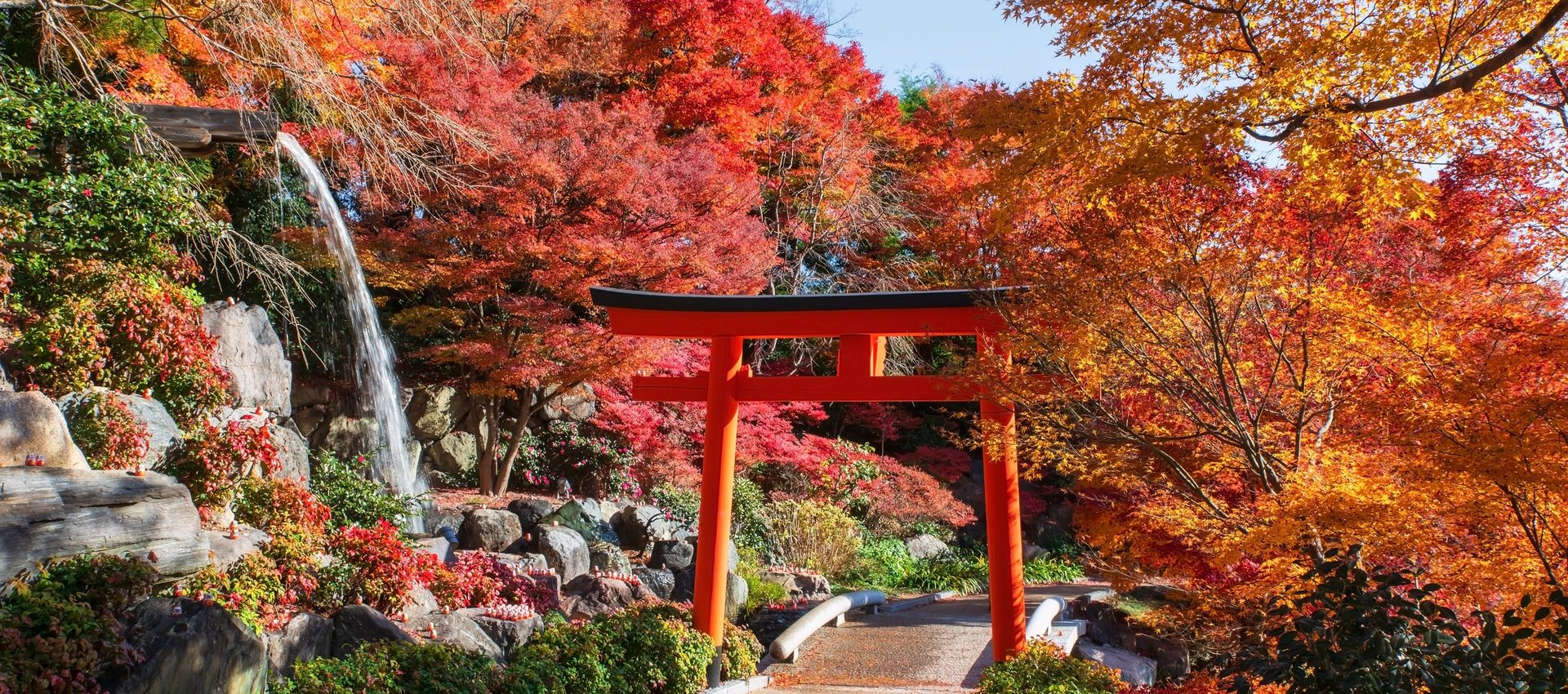
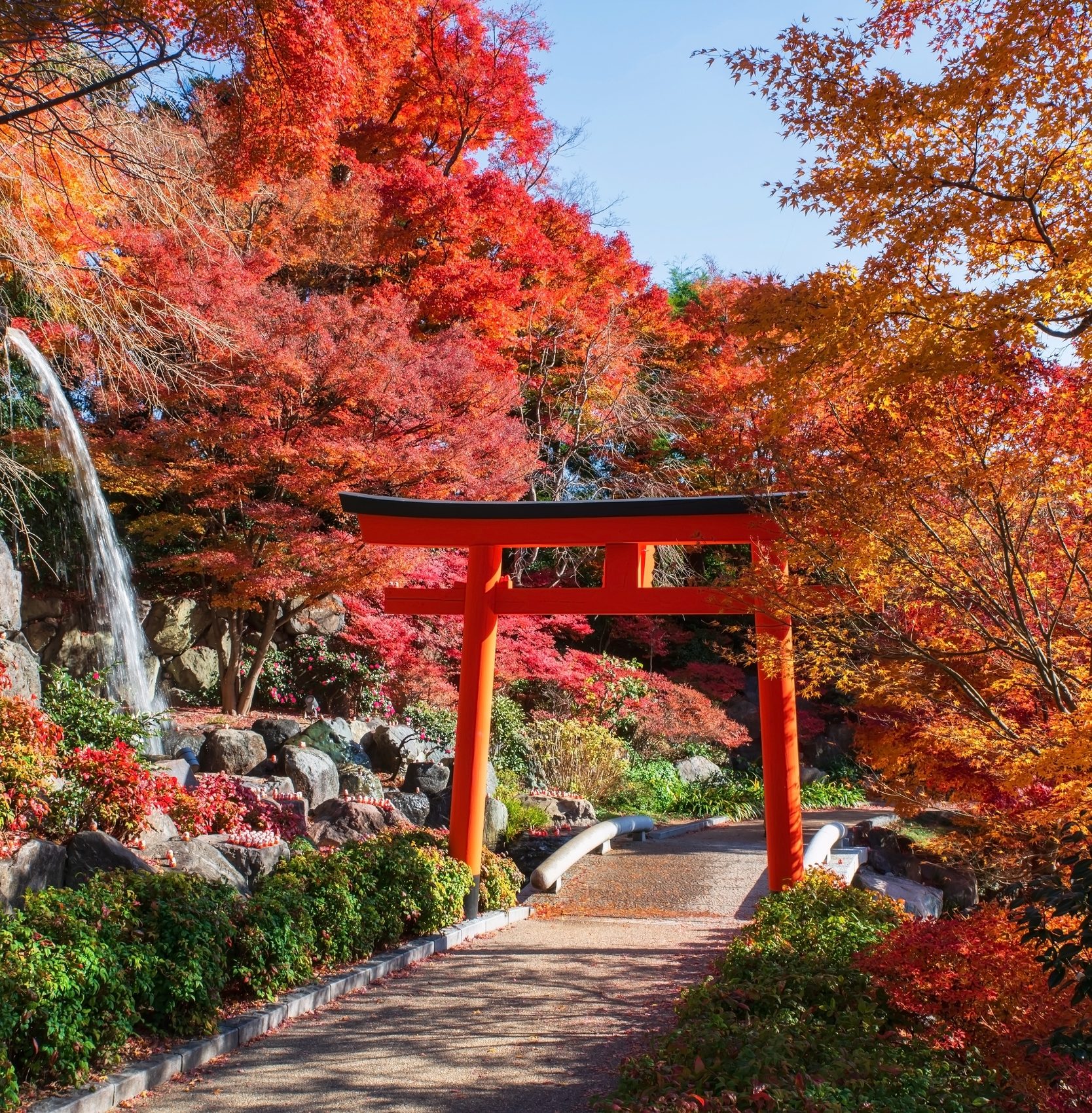
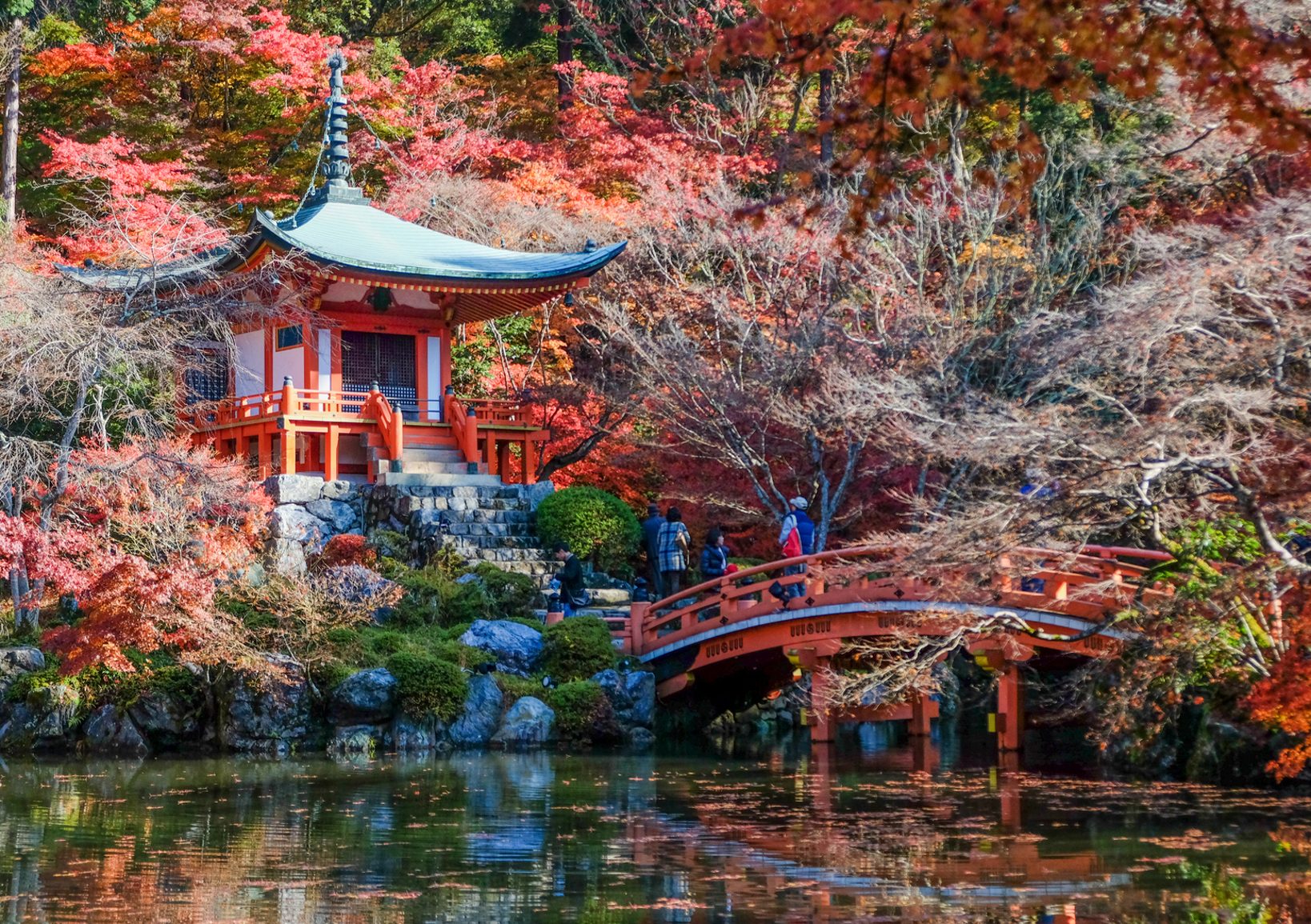
Fall is the season our Travel Experts recommend most often to people who assume spring is the only time to go. The autumn leaves — koyo — are every bit as beautiful as the blossom, and the weather is dry and comfortable for walking. Kyoto does get busy, but the season lasts far longer than sakura, so visitors are spread across several weeks rather than squeezed into a few days.
Color arrives first in the Daisetsuzan mountains of Hokkaido in mid-September, then works its way south. Around Nikko, the maples by Lake Chuzenji and Kegon Falls tend to turn in October, while Kyoto and Tokyo usually peak from late November into early December. That timing suits American travellers well, as Thanksgiving week often coincides with some of Kyoto’s best color at temples like Tofuku-ji and Eikan-do, and in the hills around Arashiyama.
Fall is also harvest season, which gives it plenty to offer anyone who travels for food. In September and early October, rice paddies across Niigata and Yamagata turn gold before they’re cut, and the new season’s rice — shinmai — starts appearing on menus. From October, persimmons are strung in long orange rows to dry outside farmhouses. Sake breweries start brewing as the weather cools, and a visit to one in Fushimi, just south of central Kyoto, or in Niigata, known for its crisp, clean sake, adds something different to a city-based trip. Later in the year, yuzu turns up in everything from ponzu to desserts, and around the winter solstice many ryokans float whole yuzu in their baths.
If Kyoto feels too busy in November, head north to the coast. Two hours from the city, Amanohashidate — the “bridge of heaven” — is a pine-covered sandbar stretching across a bay, surrounded by soft blue hills, shrines, and temples. In the nearby fishing village of Ine, wooden boathouses sit right at the water’s edge. One of our Japan specialists, Jihane, described the area as “rich, real, and truly rewarding,” and it’s still largely off the tourist trail. Stay in a ryokan, meet local artisans, and take a boat trip around the bay — and if you visit from November onwards, you’ll arrive in time for snow crab season along this stretch of coast.
Best for: Returning visitors, food travellers, and photographers, or anyone who’d like Kyoto’s temples with the added draw of the harvest.
December is a relaxed, festive month to be in Japan. Cities put up winter illuminations, restaurants fill with end-of-year bonenkai parties, and onsen come into their own. After a day of exploring, sitting in an outdoor bath while snow settles on the rocks around you is hard to beat.
Festive travel does suit a slower pace, though. Around New Year, families gather at home, many shops, restaurants, and some attractions close for several days, and shrines fill for hatsumode — the first shrine visit of the year. It’s a wonderful time to see in the New Year at a ryokan, but if you’d prefer a fuller itinerary, late November, January and February, or later in the spring are worth considering instead.
January and February are the quietest months of the year for international visitors, and our team would argue they’re among the most rewarding. Temples that are crowded in spring and fall feel calm again, prices are often lower, and the dry, clear air makes this the best time of year for views of Mount Fuji.
Head of Product, Carolyn, traveled through Tokyo and Kyoto with her husband and two children in February, when the crowds had thinned. On their first morning, they woke at Aman Tokyo to views across the city to the snow-capped peak of Mount Fuji, and they saw it again from the bullet train to Kyoto, rising above the countryside under clear blue skies.
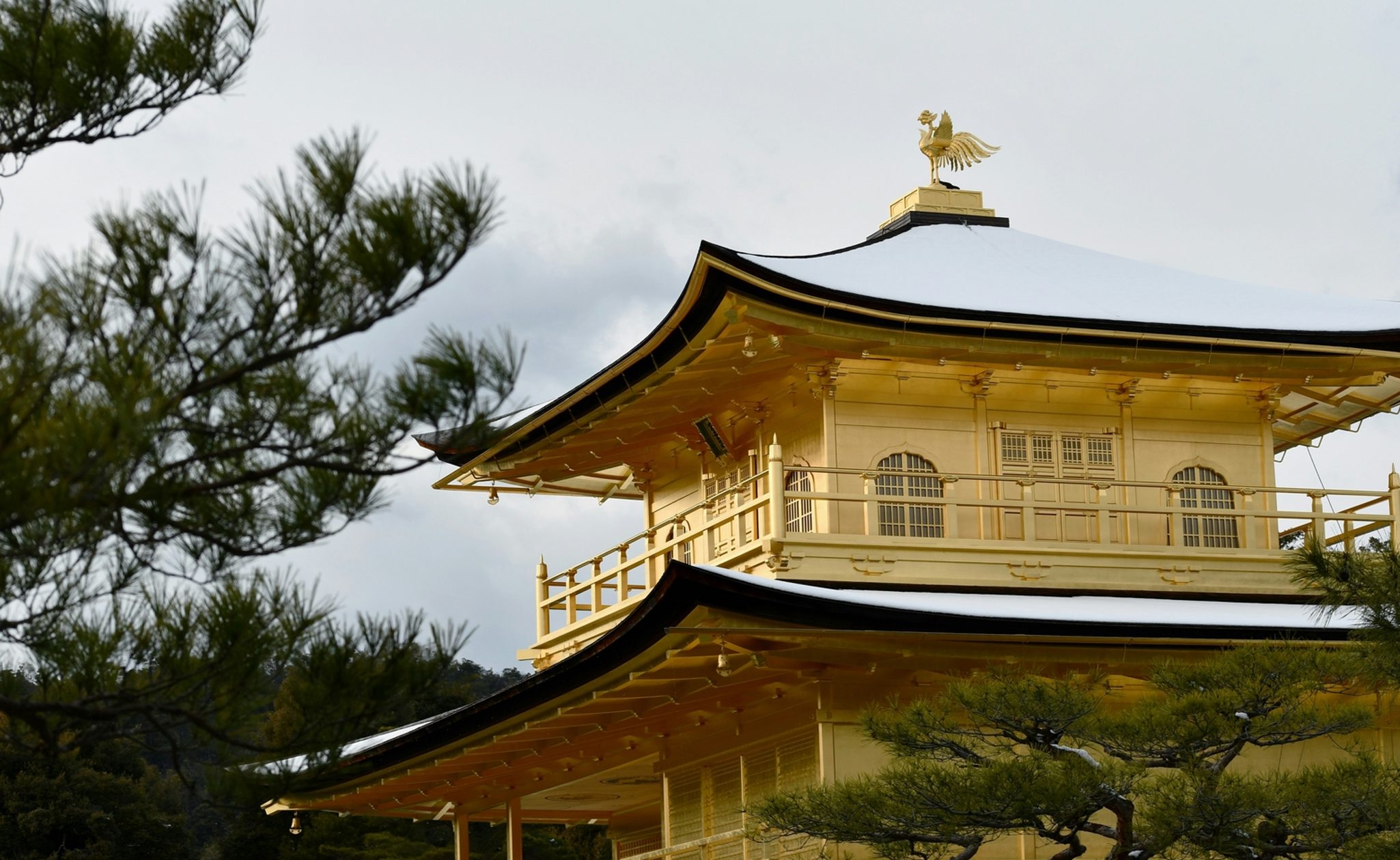
In Kyoto, they woke to bamboo dusted with snow and a breakfast of homemade tofu, grilled fish, and fresh yuzu juice. Their guide, Tammy, then took them to Kinkaku-ji, the Golden Pavilion, its gold-leaf walls lightly covered in snow. Tammy told them that in more than a hundred visits, it was only the second time she’d seen the temple like that.
The rest of the trip moved at an easy pace, from a private tea ceremony on tatami mats to a treasure hunt through local shops for Japanese sweets with their food guide, Sue.
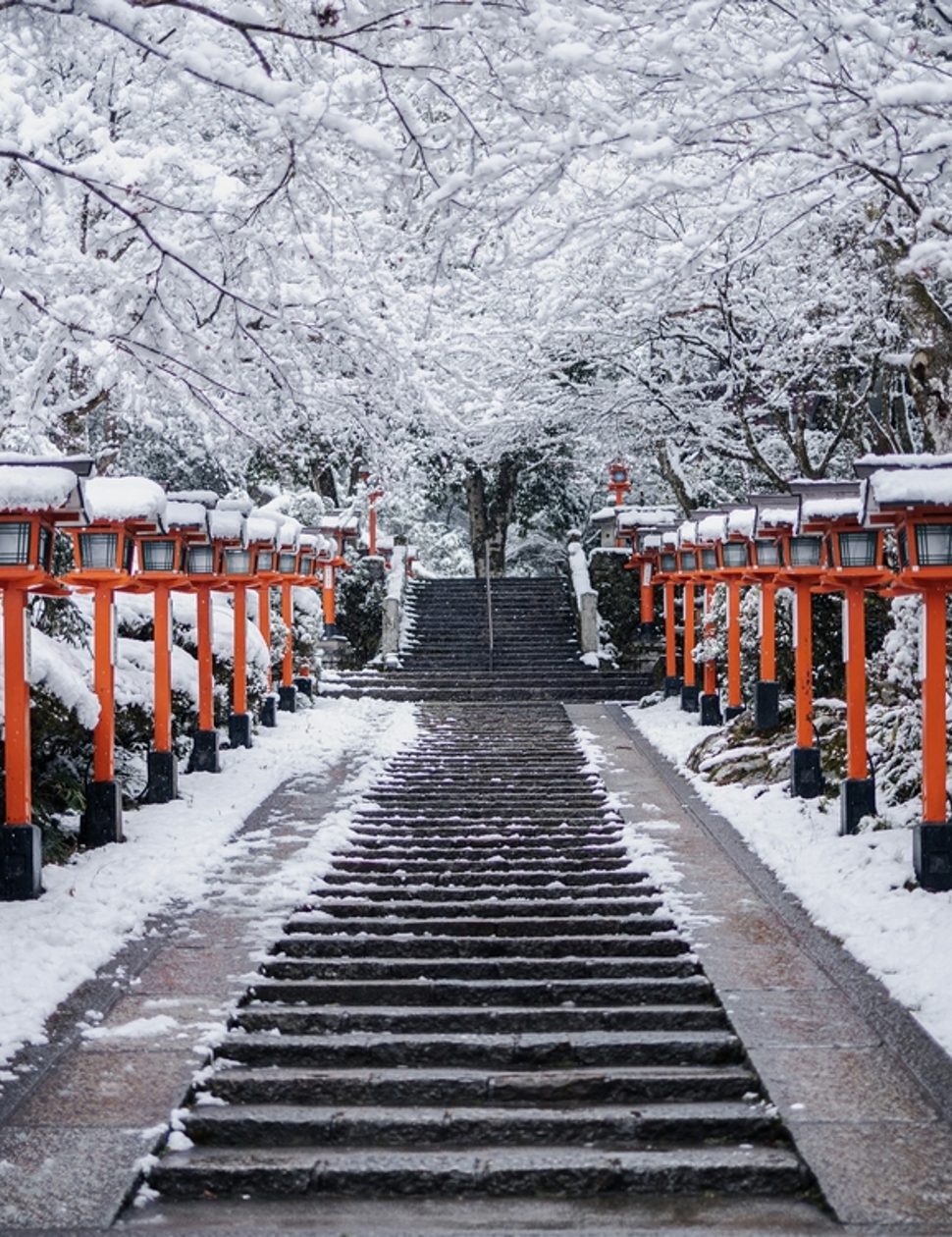
Read Carolyn’s full field notes from February in Japan
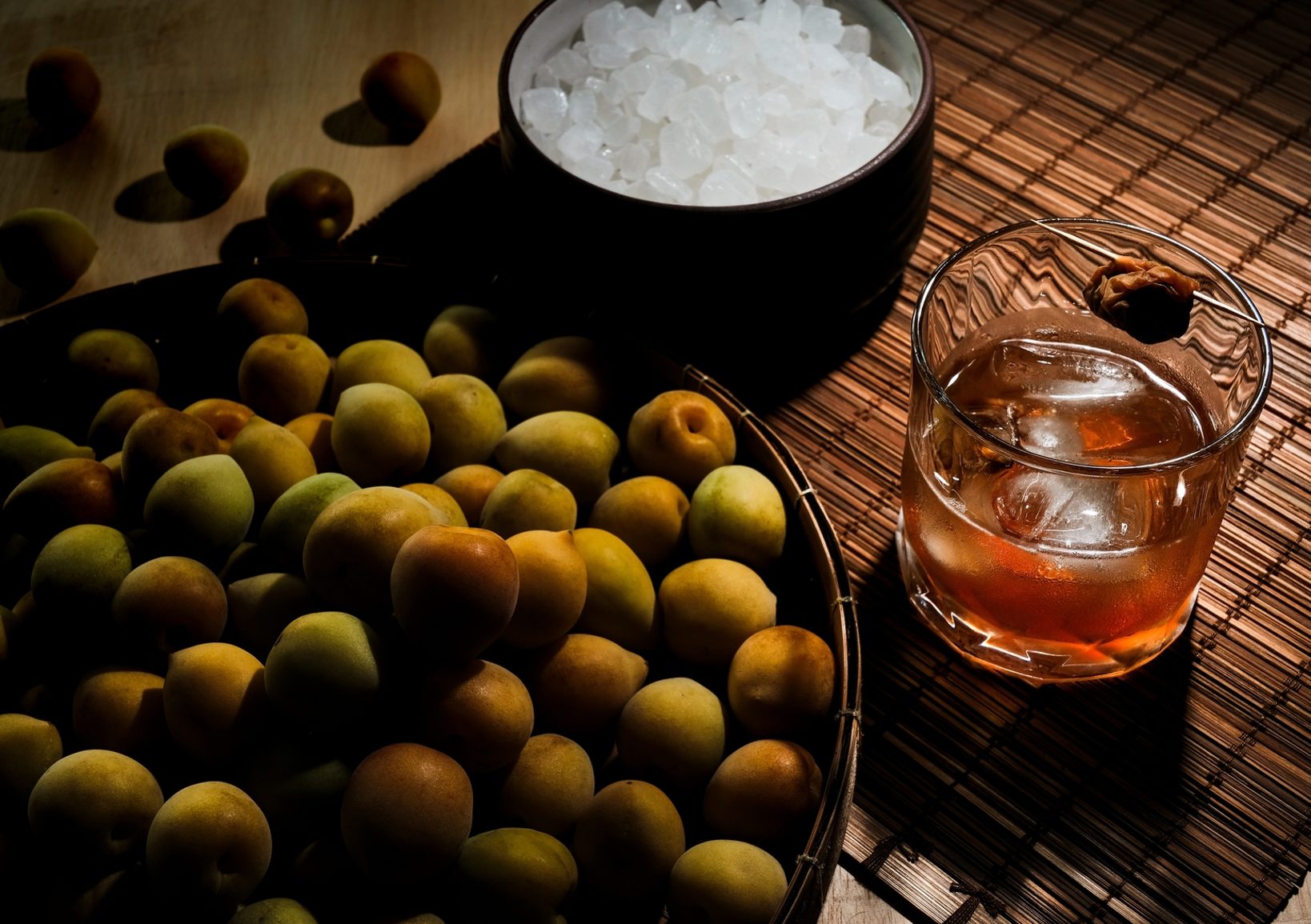
February is also plum blossom season. Ume flower several weeks before the cherry trees and come with their own traditions — from umeshu (plum liqueur) and umeboshi (pickled plums) to plum-themed sweets, drinks, and festivals. They’re best enjoyed in a shrine or landscaped garden. In Kyoto, Kitano Tenmangu’s plum garden holds its Baikasai festival on February 25 each year, with an open-air tea ceremony beneath the trees. From Tokyo, Yushima Tenjin shrine and the gardens of Kairakuen in Mito — an easy day trip from the city — are lovely places to see them.
Further north, Hokkaido offers superb powder skiing at resorts like Niseko and Furano, and the Sapporo Snow Festival fills the city with enormous snow and ice sculptures for around a week in early February.
Best for: Travellers who’d like a calmer Japan, families looking for snow and hands-on culture, and anyone who wants plum blossom without the cherry blossom crowds.
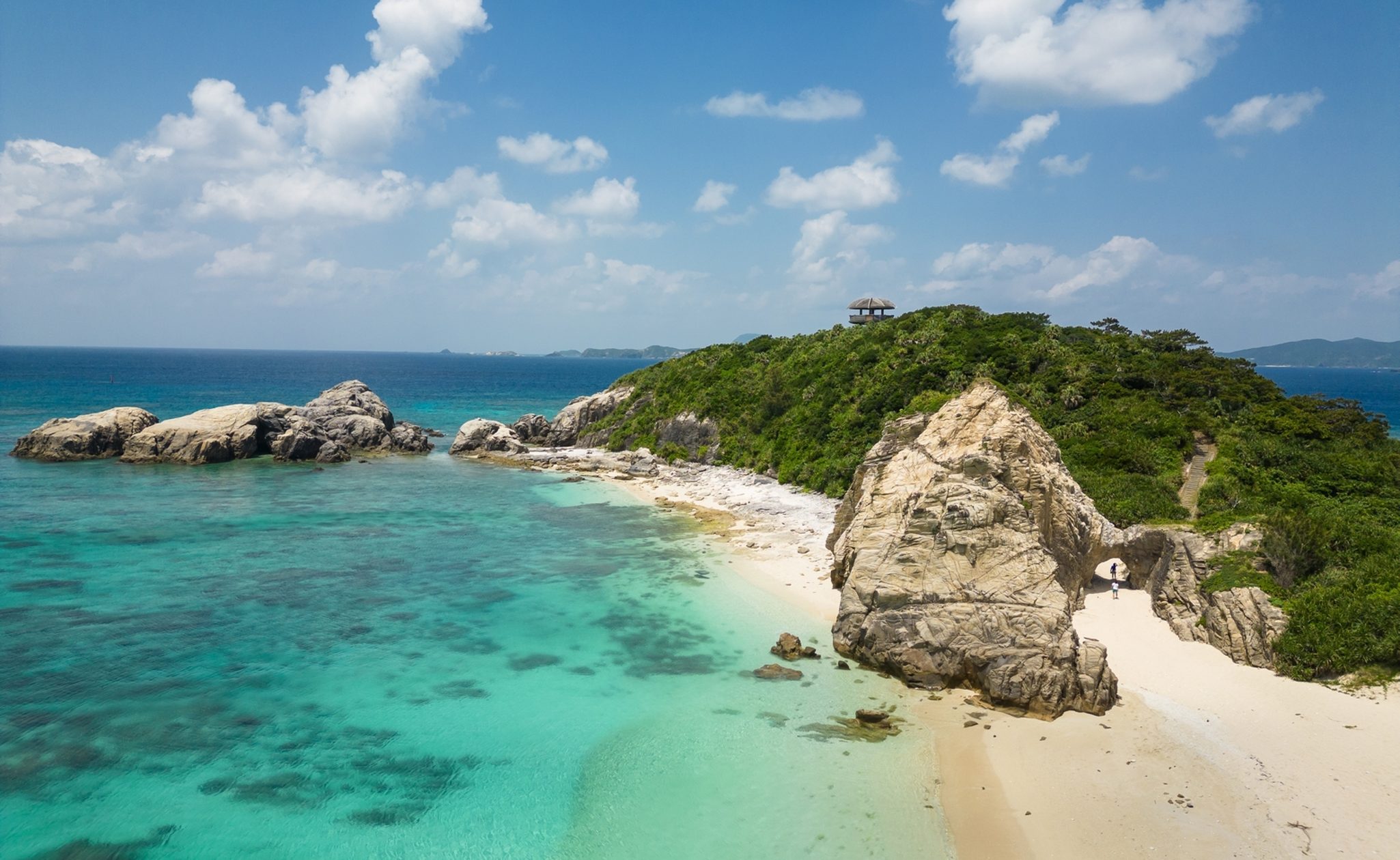
Okinawa is easy to overlook when planning around the mainland’s seasons, which is a shame, because it follows a calendar of its own. Spread across around 160 subtropical islands, it’s where Japanese travellers go to unwind — beaches, bistros and bars, Ryukyuan music and dance, Uechi-ryu karate (karate itself originated here), and glasses of awamori, the islands’ own rice spirit.
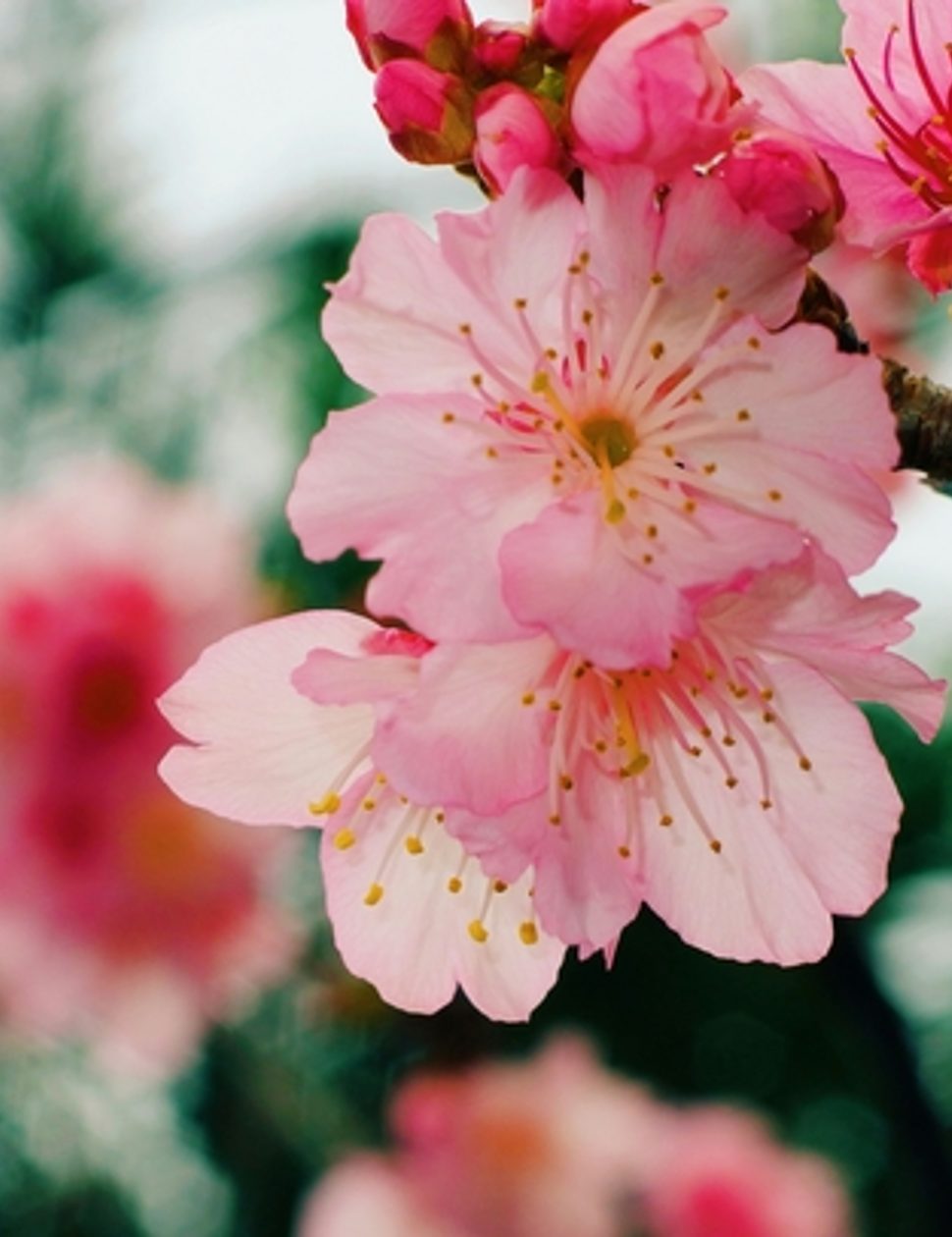
Winter here is mild rather than hot, and it’s when Okinawa has its own cherry blossom. The deep pink kanhizakura flowers from late January into February, weeks ahead of anywhere else in Japan. For the beach, spring (from April) and fall (from October, as typhoon season winds down) are the best times to visit, and a few days on the islands pairs well with a mainland trip in either season.
Best for: Adding warmth and a slower pace to a mainland trip, or seeing blossom in January.
| Month | What’s happening | Why go |
| January | Quiet temples, clear views of Fuji, Hokkaido powder, early cherry blossom in Okinawa | The fewest crowds of the year |
| February | Plum blossom, Sapporo Snow Festival, a chance of snow in Kyoto | Calm, atmospheric, and less busy |
| March | Plum blossom fades and cherry blossom begins late in the month | The classic spring picture, if you book early |
| April | Peak sakura early in the month, moving north; Golden Week begins at the end of the month | Blossom, with careful planning |
| May | Blossom in Hokkaido, fresh green countryside, rural escapes like Iiyama | Mild weather and quieter trains after Golden Week |
| June | Rainy season, hydrangeas, a drier Hokkaido | Moody gardens and fewer visitors |
| July | Gion Matsuri, summer festivals, Furano lavender, Alps hiking | Moody gardens and fewer visitors |
| August | Fireworks and festivals, Obon mid-month, hot cities | Mountains, Hokkaido, and festival atmosphere |
| September | First fall color in Hokkaido, rice harvest | Golden countryside as the heat eases |
| October | Foliage in Nikko and the Alps, sake brewing begins, persimmons drying | Comfortable weather and harvest food |
| November | Kyoto and Tokyo color from late in the month, snow crab season on the Kyoto coast | Fall color and harvest together |
| December | Illuminations, onsen, yuzu baths, a slower New Year | A relaxed, festive pace |
There’s no wrong time to visit Japan, but there is a right time for you — and it may not be the one you first had in mind. Whether you’d like help deciding when to travel or already have dates and want to make the most of them, our Japan Travel Experts know the country season by season, from which Kyoto temples stay quiet in February to the seats on the bullet train with the best view of Mount Fuji.
Sign up to our mailing list where we share the latest travel inspiration, straight to your inbox
Follow us on Social