You are browsing the UK site. Visit our US site.

You are browsing the US site. Visit our UK site.
You are browsing the US site. Visit our Rest of World site.
You are browsing the UK site. Visit our US site.
You are browsing the US site. Visit our UK site.
You are browsing the US site. Visit our Rest of World site.
You are browsing the UK site. Visit our US site.
You are browsing the US site. Visit our UK site.
You are browsing the US site. Visit our Rest of World site.

 Family Holidays
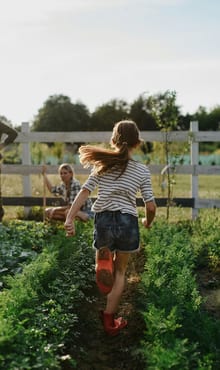
Our team is full of family travellers, meaning we know what it takes to make sure everyone enjoys the experience just as much as each other.
Family Holidays
Our team is full of family travellers, meaning we know what it takes to make sure everyone enjoys the experience just as much as each other.
 Couples Holidays
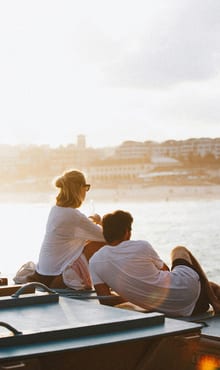
Our couple itineraries are paced perfectly for you to enjoy the very best a country has to offer whilst making sure you enjoy the quality time together you’re after.
Couples Holidays
Our couple itineraries are paced perfectly for you to enjoy the very best a country has to offer whilst making sure you enjoy the quality time together you’re after.
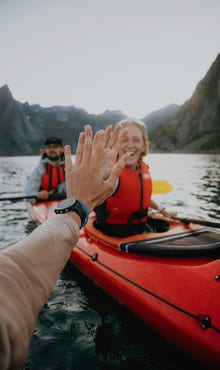 Group Holidays
No matter what the size or the occasion, we’re well versed in taking larger groups of people away for those special adventures.
Group Holidays
No matter what the size or the occasion, we’re well versed in taking larger groups of people away for those special adventures.
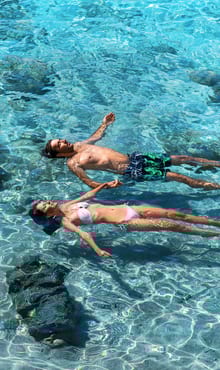 Honeymoons
We’ve been crafting dream itineraries for newly married couples for years. Learn more about the ins and outs of our honeymoon service here.
Honeymoons
We’ve been crafting dream itineraries for newly married couples for years. Learn more about the ins and outs of our honeymoon service here.
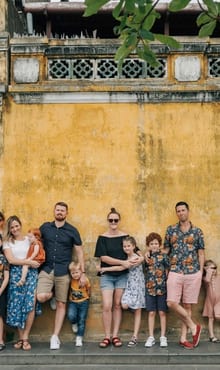 Multi Generational Trips
From very small to very big. Families come in all shapes and sizes, and our multi-generational holidays are perfectly designed to tick the boxes for the whole family.
Multi Generational Trips
From very small to very big. Families come in all shapes and sizes, and our multi-generational holidays are perfectly designed to tick the boxes for the whole family.
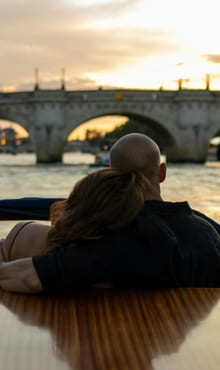 Anniversary Trips
Whether you’re celebrating as a couple, or across multiple generations, our anniversary trips are crafted around the milestone – and the people sharing it.
Anniversary Trips
Whether you’re celebrating as a couple, or across multiple generations, our anniversary trips are crafted around the milestone – and the people sharing it.
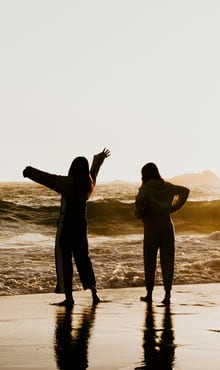 Travel With Teens
This is a list of the very best places to travel with teenagers – one that’s crammed with bragging rights (for them) and bonding moments (for you).
Travel With Teens
This is a list of the very best places to travel with teenagers – one that’s crammed with bragging rights (for them) and bonding moments (for you).
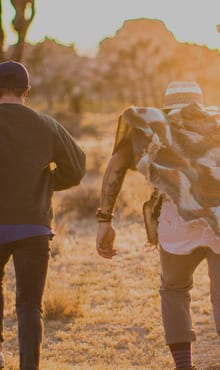 Grown Up Family Holidays
As your children become adults, your family trips are also due to change and grow. These are our favourite trips for you and your grown up family.
Grown Up Family Holidays
As your children become adults, your family trips are also due to change and grow. These are our favourite trips for you and your grown up family.
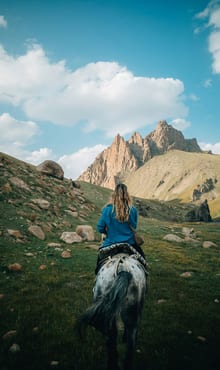 Solo Holidays
Our travel experts have experienced the thrills and challenges of solo travel, all with the aim of producing some of our most immersive and exciting itineraries.
Solo Holidays
Our travel experts have experienced the thrills and challenges of solo travel, all with the aim of producing some of our most immersive and exciting itineraries.
 View All
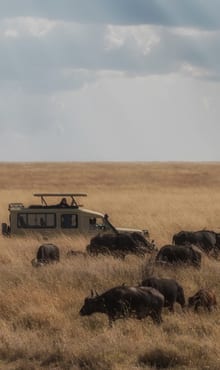 Safari Holidays
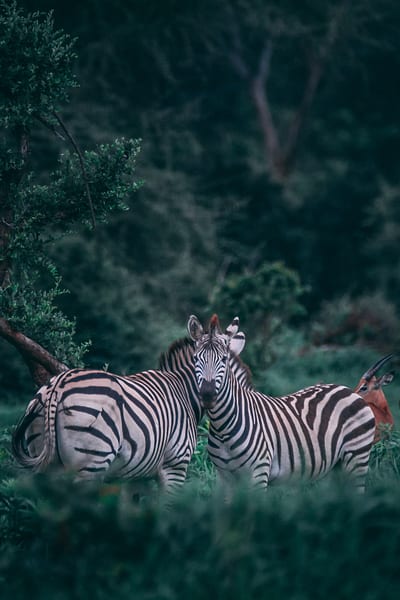
With a team of experts that have worked as conservationists and wildlife photographers, we have the expertise to make your safari dreams come true.
Safari Holidays
With a team of experts that have worked as conservationists and wildlife photographers, we have the expertise to make your safari dreams come true.
 Remote Destinations
We’ve chosen these experiences, destinations and adventures to bring you closer to the great outdoors. This is your ticket to our wonderful world.
Remote Destinations
We’ve chosen these experiences, destinations and adventures to bring you closer to the great outdoors. This is your ticket to our wonderful world.
 Unusual Holidays
The world may be conquered, but enough secrets remain to keep us up all night, dreaming of ways to whisk you off to the most unique corners of the globe. Where first?
Unusual Holidays
The world may be conquered, but enough secrets remain to keep us up all night, dreaming of ways to whisk you off to the most unique corners of the globe. Where first?
 Adventure Holidays
Hike across mountain ridgelines, scramble across glaciers and kayak down rivers – these trips are designed to immerse you in vast wildernesses and ancient cultures.
Adventure Holidays
Hike across mountain ridgelines, scramble across glaciers and kayak down rivers – these trips are designed to immerse you in vast wildernesses and ancient cultures.
 Beach Holidays
Porcelain shores, perfect seas and swaying palms; the allure of a beach break is hard to ignore. Which is why we handpick the best beachfront boltholes to offer you…
Beach Holidays
Porcelain shores, perfect seas and swaying palms; the allure of a beach break is hard to ignore. Which is why we handpick the best beachfront boltholes to offer you…
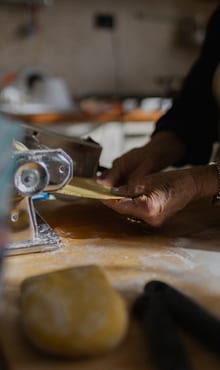 Food Holidays
Food and travel have long gone hand in hand, and we have put together some mouth-watering trips that capture the palate, of countries across the world. Bon appétit.
Food Holidays
Food and travel have long gone hand in hand, and we have put together some mouth-watering trips that capture the palate, of countries across the world. Bon appétit.
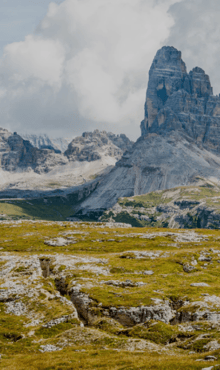 Slow Travel
As the world becomes busier, slow travel has never felt so fitting. Whether it’s meeting fishermen in Maine or learning the Dukha-way in Mongolia, take time to connect.
Slow Travel
As the world becomes busier, slow travel has never felt so fitting. Whether it’s meeting fishermen in Maine or learning the Dukha-way in Mongolia, take time to connect.
 Eclipse Holidays
Eclipse travel celebrates our place in the wider cosmos. Let us take you to wherever in the world the eclipse is at its most arresting, and we’ll do it in style.
Eclipse Holidays
Eclipse travel celebrates our place in the wider cosmos. Let us take you to wherever in the world the eclipse is at its most arresting, and we’ll do it in style.
 Proposal Service
Found the one and want to propose in style? The moment will be a memory forever and we’re here to help you make sure it’s the most perfect moment for you and your loved one.
Proposal Service
Found the one and want to propose in style? The moment will be a memory forever and we’re here to help you make sure it’s the most perfect moment for you and your loved one.
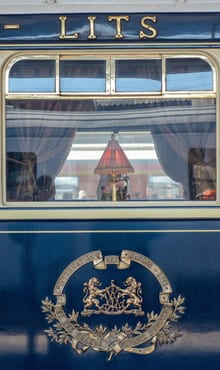 Train Travel
“It’s not the destination, it’s the journey.” We’ve all heard this, haven’t we? And with these captivating luxury train journeys, we’ll show you the joy to be found travelling across the world by rail.
Train Travel
“It’s not the destination, it’s the journey.” We’ve all heard this, haven’t we? And with these captivating luxury train journeys, we’ll show you the joy to be found travelling across the world by rail.
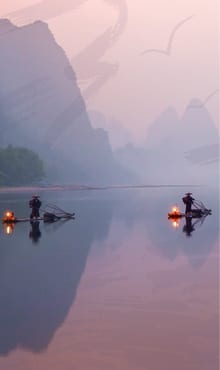 The Pursuit of Feeling
From impassioned and emotive journeys, to podcasts and our Feelings Engine, you’ll find something to move you and something to soothe you. We want to fire your heart and provide food for your soul.
The Pursuit of Feeling
From impassioned and emotive journeys, to podcasts and our Feelings Engine, you’ll find something to move you and something to soothe you. We want to fire your heart and provide food for your soul.
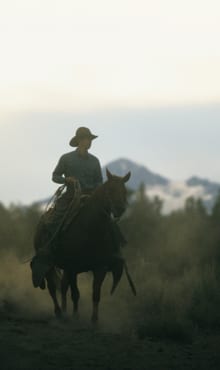 Set Jetting
Swapping salubrious saloons and questionable lodgings for sumptuous hotels and eye-opening experiences, each of our show-stopping journeys will take you behind scenes of some of TV’s most awe-inspiring locations.
Set Jetting
Swapping salubrious saloons and questionable lodgings for sumptuous hotels and eye-opening experiences, each of our show-stopping journeys will take you behind scenes of some of TV’s most awe-inspiring locations.
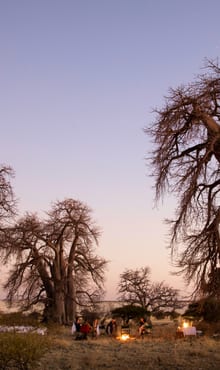 See You in the Moment
You need only bring yourselves – your people, your histories. We’ll provide the moment itself. The anticipation, the togetherness, the memory. This is something to savour. This is something to remember.
See You in the Moment
You need only bring yourselves – your people, your histories. We’ll provide the moment itself. The anticipation, the togetherness, the memory. This is something to savour. This is something to remember.
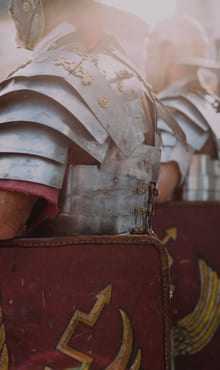 Field Trip
Education begins in the classroom, but it’s IRL that younger generations put their lessons to the test. Field Trip is a curriculum of educational encounters around the world.
Field Trip
Education begins in the classroom, but it’s IRL that younger generations put their lessons to the test. Field Trip is a curriculum of educational encounters around the world.
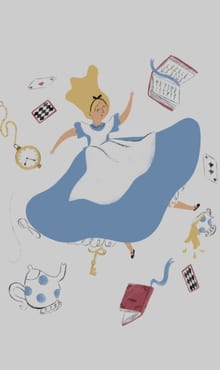 Take me on a Story
A series of family experiences celebrating the transformative power of the books we loved when we were young, and the stories our children have come to adore.
Take me on a Story
A series of family experiences celebrating the transformative power of the books we loved when we were young, and the stories our children have come to adore.
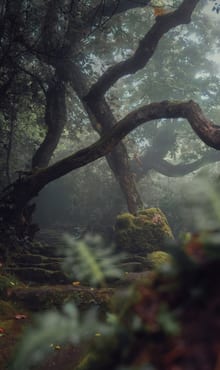 Get Lost
Designed as a once-in-a-lifetime challenge, train with elite survival experts before traversing a polar, jungle, coastal, mountain or desert region in your mission back to civilisation.
Get Lost
Designed as a once-in-a-lifetime challenge, train with elite survival experts before traversing a polar, jungle, coastal, mountain or desert region in your mission back to civilisation.
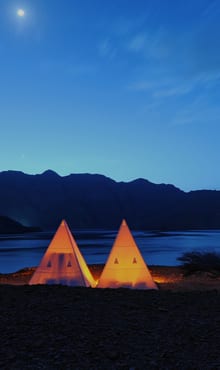 Blink
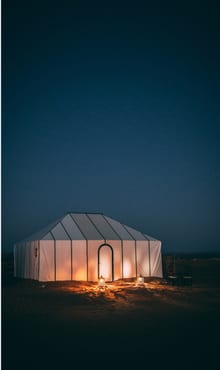
The ultimate luxury camping retreat. From the Sahara desert to the Andean Mountains, with Blink anywhere you can envisage it, we will create it.
Blink
The ultimate luxury camping retreat. From the Sahara desert to the Andean Mountains, with Blink anywhere you can envisage it, we will create it.
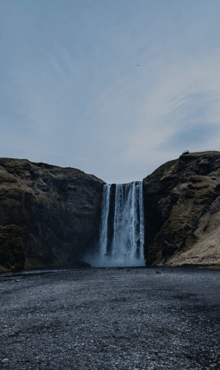 Bring it Back
Bring It Back will embed you in an entirely different way of thinking, and of learning about a culture directly from its experts on the ground. You may be surprised by what you discover.
Bring it Back
Bring It Back will embed you in an entirely different way of thinking, and of learning about a culture directly from its experts on the ground. You may be surprised by what you discover.
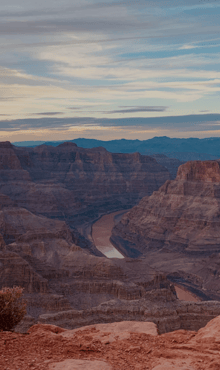 The Great American View
This series of breathtaking journeys culminate in some of America’s most legendary sights. They are the places you’ve always sought out, and now it’s your time to find them.
The Great American View
This series of breathtaking journeys culminate in some of America’s most legendary sights. They are the places you’ve always sought out, and now it’s your time to find them.
 James Bond
We are proud to have been selected as the official travel partner to curate James Bond inspired trips.
James Bond
We are proud to have been selected as the official travel partner to curate James Bond inspired trips.
 Agatha Christie
We’ve been hand-picked by Agatha Christie Limited to help bring Agatha’s world-famous Grand Tour to life through a series of episodic trips across Africa, Australasia and North America, and a unique prelude in London.
Agatha Christie
We’ve been hand-picked by Agatha Christie Limited to help bring Agatha’s world-famous Grand Tour to life through a series of episodic trips across Africa, Australasia and North America, and a unique prelude in London.
 Tasting Notes
Eating at a Michelin – starred restaurant is one thing. But now you can learn about the country through the lens of some of the most critically acclaimed chefs in the world, by travelling with them on the ultimately culinary experience
Tasting Notes
Eating at a Michelin – starred restaurant is one thing. But now you can learn about the country through the lens of some of the most critically acclaimed chefs in the world, by travelling with them on the ultimately culinary experience
 Take the Open Road with Auberge
With the iconic hotel brand Auberge Resorts, we’ve created a new series of tailormade, luxurious road trip itineraries. Emblems of America’s most iconic landscapes, regions, and people.
Take the Open Road with Auberge
With the iconic hotel brand Auberge Resorts, we’ve created a new series of tailormade, luxurious road trip itineraries. Emblems of America’s most iconic landscapes, regions, and people.
 Remarkable Drives of Discovery with Auberge
Following on from the much lauded ‘Take the Open Road’ series, here’s five brand-new bespoke, multi-destination trips created with our friends at Auberge Resorts Collection. Delve deeper than ever before.
Remarkable Drives of Discovery with Auberge
Following on from the much lauded ‘Take the Open Road’ series, here’s five brand-new bespoke, multi-destination trips created with our friends at Auberge Resorts Collection. Delve deeper than ever before.
Or filter further
Explore our inspiring experiences based on when you want to travel and how you want to feel.
A Kenya family safari has a habit of doing something no amount of planning can: it ends the negotiation over screens and seating charts, and replaces it with something you can’t manufacture. Presence. The Maasai Mara tends to have that effect, whatever age you are.
Kenya is one of the world’s great family safari destinations — not because it’s easy, but because we’ve made a study of it. We know which camps are genuinely built for families, which guides can hold a ten-year-old’s focus across three hours of open plains, and when the Migration deserves to be the whole point of the trip. Almost everything we build here starts from a blank page. Tell us who’s coming, and we’ll take it from there.
Maasai Mara
Between July and October, the wildebeest don’t arrive in ones and twos. They arrive in their millions.
For a family, the Great Migration is something no photograph quite prepares you for. Private conservancies bordering the Mara mean no minibus queues, no shared game drives: just your family, your guide, and two million animals moving across the plain. Children who arrive skeptical leave unable to stop talking.
Amboseli
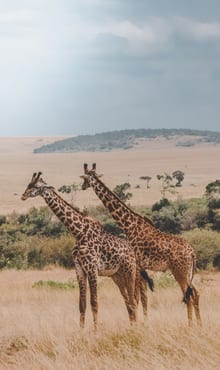
Giraffes in the foreground. Kilimanjaro filling the sky behind them. It’s the image Kenya is known for, and it’s earned.
Amboseli moves at a gentler pace than the Mara, its terrain more open, which makes it a particularly good introduction to safari for younger children. The elephant herds here are among the most studied on the continent — large, unbothered by vehicles, and close enough to watch properly. A good guide will tell you which matriarch leads which family. Your children will remember their names.
Samburu
Further north, the landscape changes entirely: drier, more remote, home to species found almost nowhere else in Kenya.
Samburu is for families after something beyond the obvious. Grevy’s zebra, reticulated giraffe, Beisa oryx — three of the so-called Special Five, each one unlike anything seen further south. The Ewaso Ng’iro river draws predators and prey to its banks in the late afternoon. Fewer camps, fewer other visitors, and a rawness that older children in particular tend to find overwhelming.
Giraffe Manor, Nairobi
Angama Mara, Maasai Mara
Segera Retreat, Laikipia
The minimum age for a Kenya family safari varies by camp, though six is a common baseline. In the Maasai Mara’s private conservancies, where game drives run in open vehicles and mornings start early, many properties ask that children are at least seven or eight. Laikipia tends to be more flexible: several camps there welcome younger children and build activities specifically around them, from bush walks adapted to small legs to visits to the rhino sanctuary at Ol Pejeta. We’ll always match your family to camps that are the right fit for your children’s ages, not just ones that technically accept them.
The best part of Kenya for a family safari depends on what your family wants from the trip, and how old your children are. The Maasai Mara is the instinctive answer, particularly between July and October, when the Migration is underway and the game viewing is relentless. For younger children, or families who want more variety in their days, Laikipia offers walking, conservation work, and a slower rhythm alongside excellent wildlife. Amboseli is the place for elephants and Kilimanjaro on the horizon, with a more relaxed pace that suits first-time safari families well. Most of the trips we design combine two or three of these areas rather than committing to one.
For a family safari in Kenya, July to October is the peak window. The Migration is moving through the Mara, the dry season keeps animals congregated around water sources, and the long school break aligns with conditions at their most dramatic. It books up well in advance, so timing matters. December works well for families who want the coast combined with quieter bush camps. January and February are underrated: fewer visitors, excellent big cat sightings in the Mara, and a greener landscape that photographs differently. We’d steer most families away from the long rains in April and May.
For a Kenya family safari, seven nights is the practical minimum for a trip that feels complete: long enough to settle into the pace of the bush, cover two areas without rushing, and still have time for the unexpected. Ten to 12 nights is the sweet spot for families who want to add a coastal leg or include a third region. Children typically need a day or two to adjust to early mornings and long game drives before they’re fully in their stride, and building in that time makes the whole trip better.
Combining a Kenya safari with a beach holiday is a natural move, and one we’d encourage. The Kenyan coast, particularly Diani Beach south of Mombasa, works well as a final chapter after the intensity of the bush. The transition from the Mara to the Indian Ocean tends to land well with families: children get the beach, parents get to decompress, and everyone arrives home with two very different sets of memories. It adds roughly three to four nights to the trip, and we’d typically route it as bush first, coast last.
A private safari means your family has its own vehicle and guide for every game drive. You don’t share with other guests, you’re not on a fixed schedule, and you stop for as long as you want. For families, that distinction matters more than you might think. You can leave camp later if a child needs more sleep, spend 40 minutes watching a cheetah with cubs without worrying about anyone else’s patience, and ask whatever questions come to mind without an audience. It’s also how we make sure game drives are genuinely engaging for children.
Kenya is a well-established safari destination with a mature infrastructure for family travel. The camps and conservancies we work with have years of experience hosting families, and your guide is with you throughout every activity in the bush. As with any destination, there are parts of the country we’d avoid and practical considerations we’ll brief you on before you travel, from malaria precautions to sun exposure on game drives. We handle the logistics and the detail so that the trip feels straightforward rather than managed.
Kenya family safaris with Black Tomato start at £7,500 per person per week, with final costs based on your travel preferences since all trips are customised. Pricing varies depending on lodge choice, private aircraft transfers, and experiences included. For an accurate quote built around your specific travel dates and preferences, submit an enquiry and we’ll connect you with one of our Kenya travel experts.